Earle A. Chiles Research Institute, Robert W. Franz Cancer Center, Providence Portland Medical Center, 4805 NE Glisan St., Portland, OR 97213, USA.
Earle A. Chiles Research Institute, Robert W. Franz Cancer Center, Providence Portland Medical Center, 4805 NE Glisan St., Portland, OR 97213, USA; The Oregon Clinic, Portland, OR, 97213, USA.
Neoplasia. 2022 Sep;31:100808. doi: 10.1016/j.neo.2022.100808. Epub 2022 Jun 9.
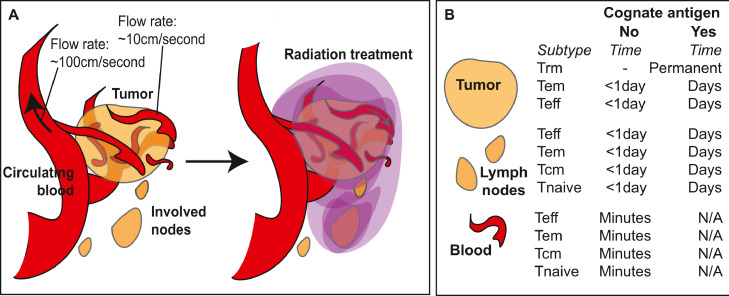
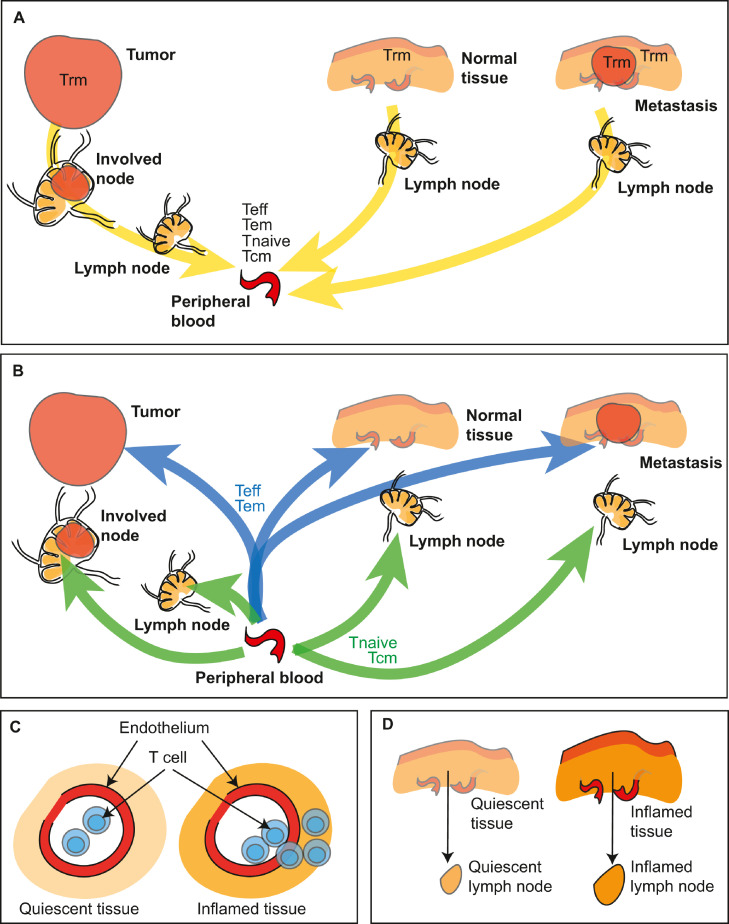
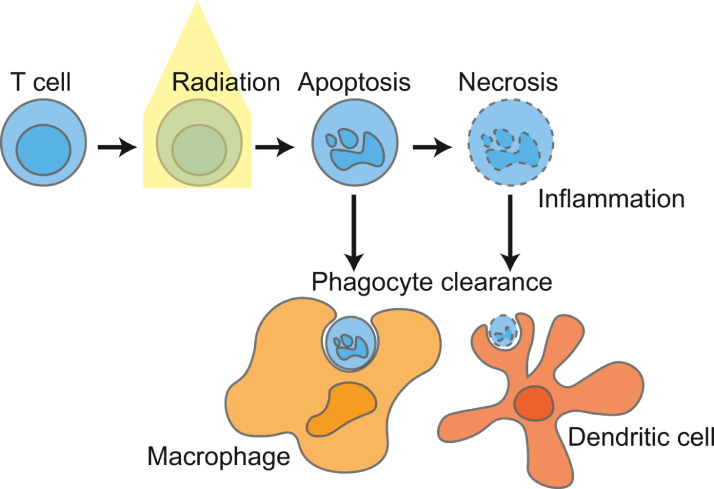
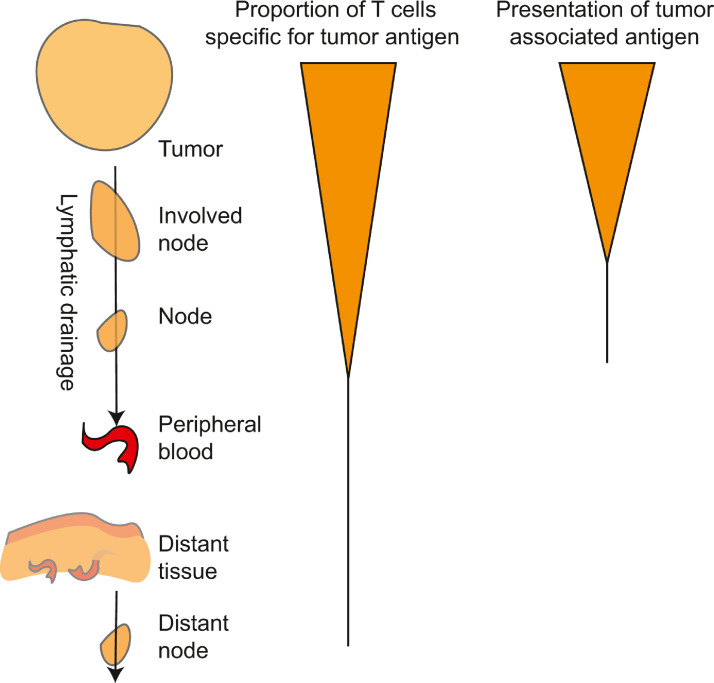
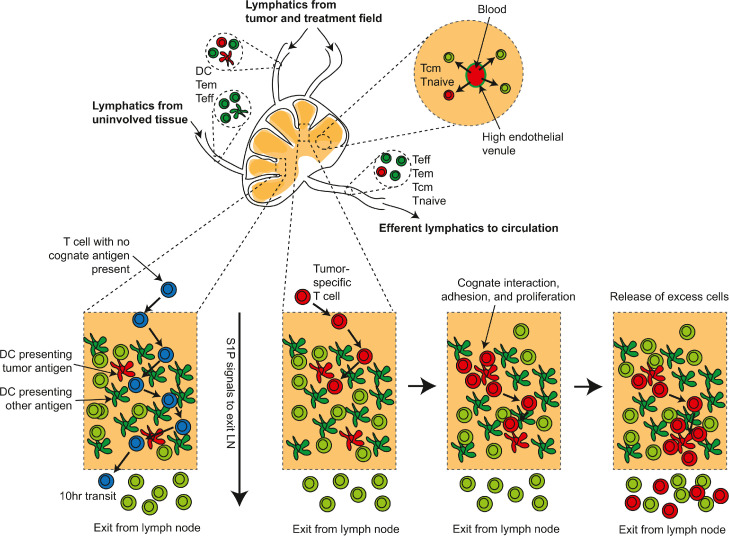
In this review we consider what appears to be a paradox in immunotherapies based around radiation therapy. The paradox is based on three main points. 1. That T cells are needed for radiation's efficacy; 2. That tumor-specific T cells are enriched in the field of treatment; and 3. That radiation kills T cells in the treatment field. We discuss evidence of the effect of radiation on T cells in the field given their ongoing movement in and out of tissues and the tumor, and how the movement of T cells impacts the treated primary tumor and untreated distant metastases. Given this evidence, we revisit the paradox to understand how the extraordinary efficacy of radiation and immunity in preclinical models is dependent on this radiation sensitive cell.
在这篇综述中,我们探讨了基于放射疗法的免疫疗法中似乎存在的一个悖论。这个悖论基于三个主要观点:1. 放射疗法的疗效需要 T 细胞的参与;2. 肿瘤特异性 T 细胞在治疗区域富集;3. 放射疗法会杀死治疗区域内的 T 细胞。我们讨论了在 T 细胞持续进出组织和肿瘤的情况下,辐射对治疗区域内 T 细胞的影响的证据,以及 T 细胞的迁移如何影响治疗的原发性肿瘤和未治疗的远处转移灶。有了这些证据,我们重新审视这个悖论,以了解放射疗法和免疫疗法在临床前模型中如此显著的疗效如何依赖于这种对辐射敏感的细胞。