Ransdell Lynda B, Wayment Heidi A, Lopez Nanette, Lorts Cori, Schwartz Anna L, Pugliesi Karen, Pohl Patricia S, Bycura Dierdra, Camplain Ricky
College of Health and Human Sciences, Northern Illinois University, DeKalb, IL.
Department of Psychological Sciences, Northern Arizona University, Flagstaff, AZ.
Women (Basel). 2021 Sep;1(3):143-168. doi: 10.3390/women1030014. Epub 2021 Sep 14.
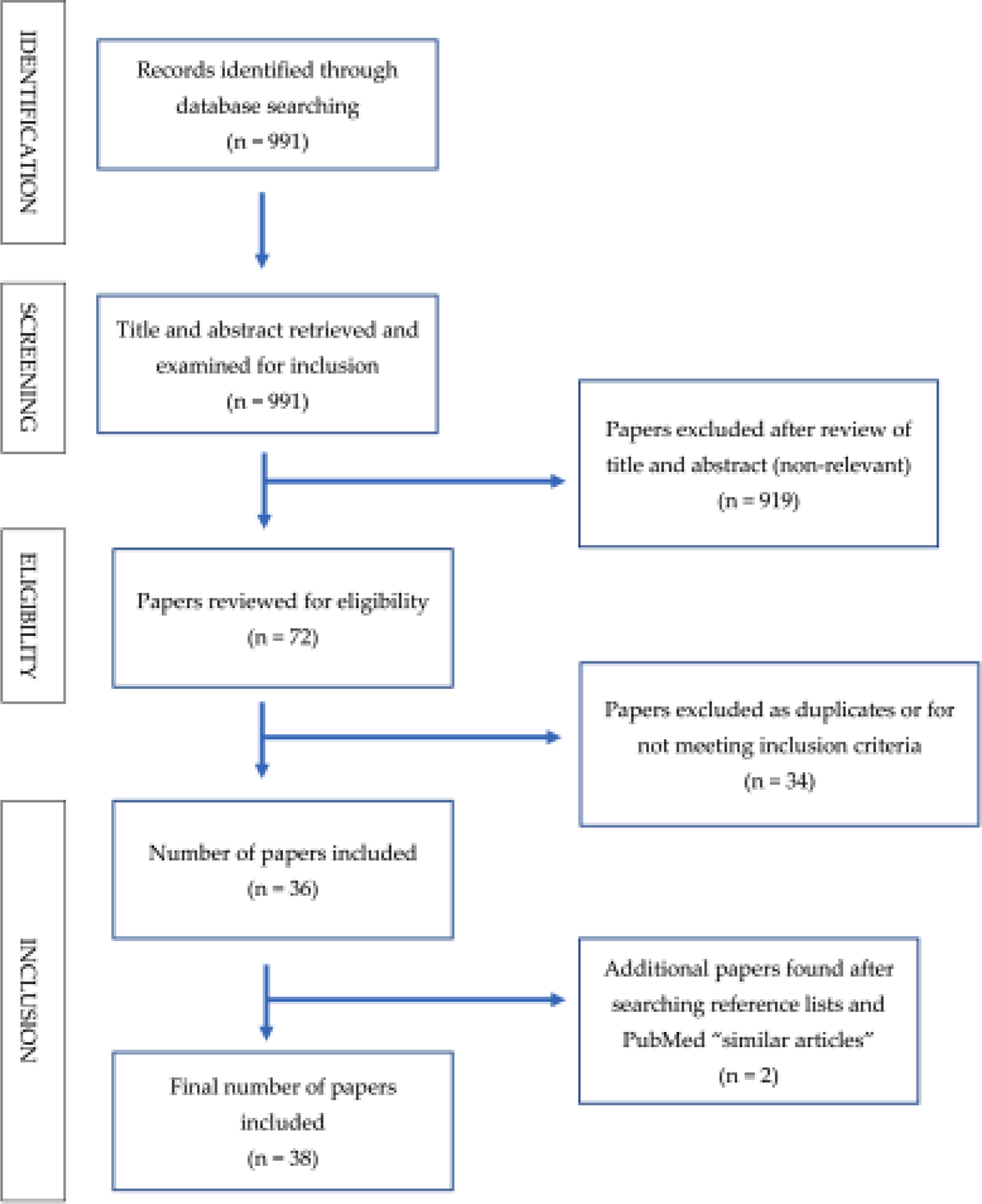
As women age, they typically experience a progressive decrease in skeletal muscle mass and strength, which can lead to a decline in functional fitness and quality of life. Resistance training (RT) has the potential to attenuate these losses. Although well established for men, evidence regarding the benefits of RT for women is sparse and inconsistent: prior reviews include too few studies with women and do not adequately examine the interactive or additive impacts of workload, modalities, and nutritional supplements on outcomes such as muscle mass (MM), body composition (BC), muscle strength (MS), and functional fitness (FF). The purpose of this review is to identify these gaps. Thirty-eight papers published between 2010 and 2020 (in English) represent 2519 subjects (mean age = 66.89 ± 4.91 years). Intervention averages include 2 to 3 × 50 min sessions across 15 weeks with 7 exercises per session and 11 repetitions per set. Twelve studies (32%) examined the impact of RT plus dietary manipulation. MM, MS, and FF showed positive changes after RT. Adding RT to fitness regimens for peri- to postmenopausal women is likely to have positive benefits.
随着女性年龄的增长,她们通常会经历骨骼肌质量和力量的逐渐下降,这可能导致身体功能健康和生活质量的下降。抗阻训练(RT)有可能减轻这些损失。虽然抗阻训练对男性的益处已得到充分证实,但关于其对女性益处的证据却很少且不一致:以往的综述纳入的女性研究过少,且没有充分研究训练量、训练方式和营养补充剂对肌肉质量(MM)、身体成分(BC)、肌肉力量(MS)和身体功能健康(FF)等结果的交互或累加影响。本综述的目的是找出这些差距。2010年至2020年间发表的38篇英文论文涵盖了2519名受试者(平均年龄 = 66.89 ± 4.91岁)。干预平均包括在15周内进行2至3次,每次50分钟的训练,每次训练有7项练习,每组重复11次。12项研究(32%)考察了抗阻训练加饮食控制的影响。抗阻训练后,肌肉质量、肌肉力量和身体功能健康均呈现出积极变化。对围绝经期至绝经后女性的健身方案增加抗阻训练可能会带来积极益处。