Yang Libang, Yang Jianbo, Jacobson Blake, Gilbertsen Adam, Smith Karen, Higgins LeeAnn, Guerrero Candace, Xia Hong, Henke Craig A, Lin Jizhen
Department of Medicine, University of Minnesota, Minneapolis, MN, United States.
Department of Laboratory Medicine and Pathology, School of Medicine, University of Minneapolis, Minneapolis, MN, United States.
Front Oncol. 2022 May 30;12:862250. doi: 10.3389/fonc.2022.862250. eCollection 2022.
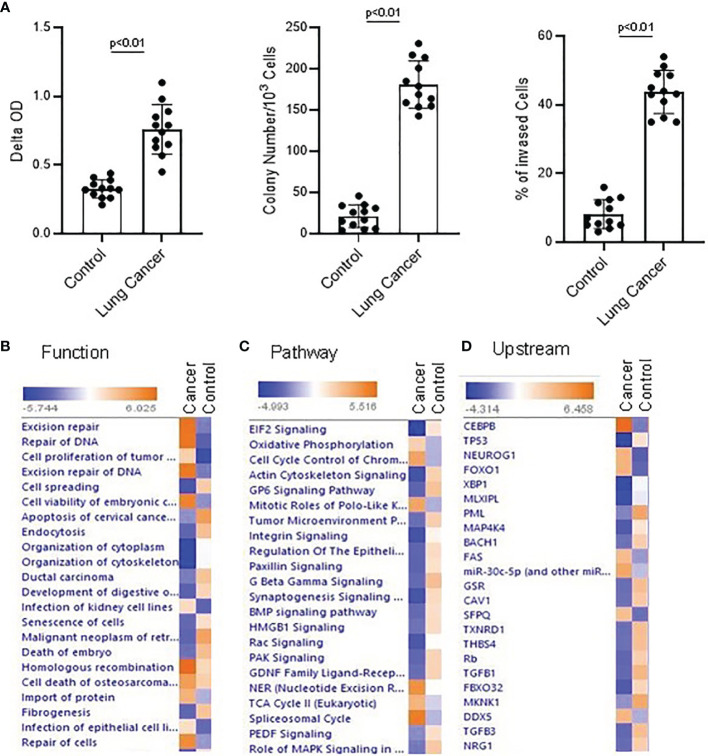
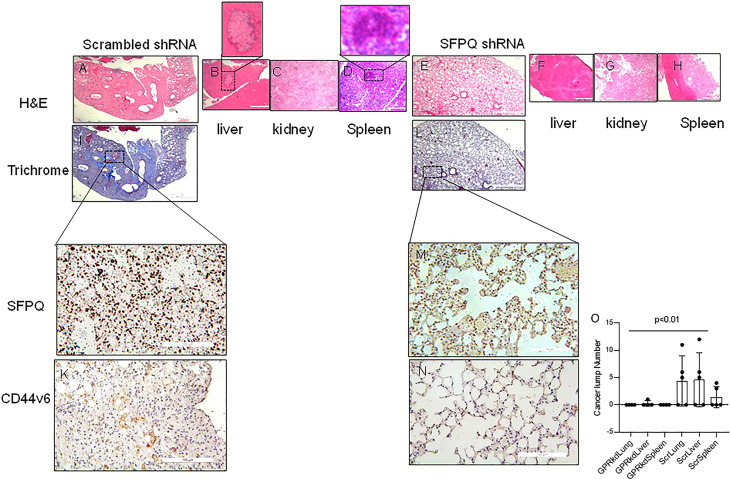
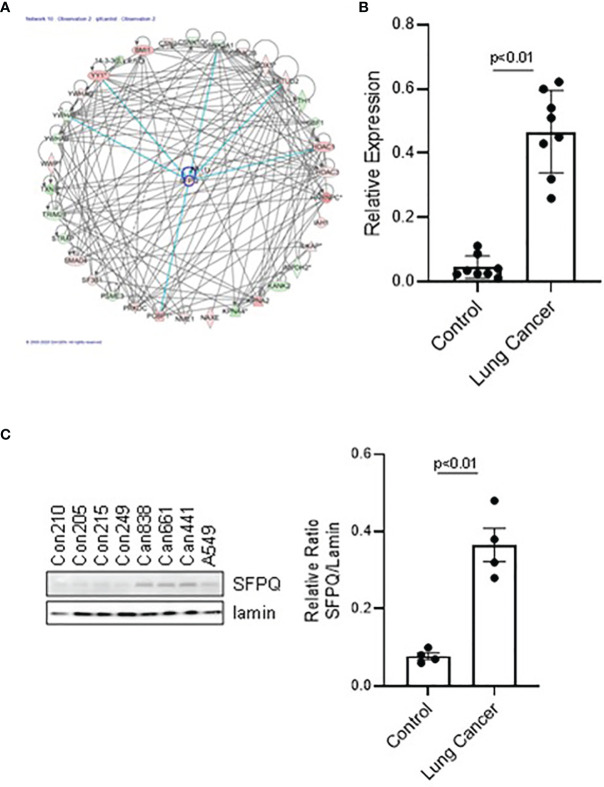
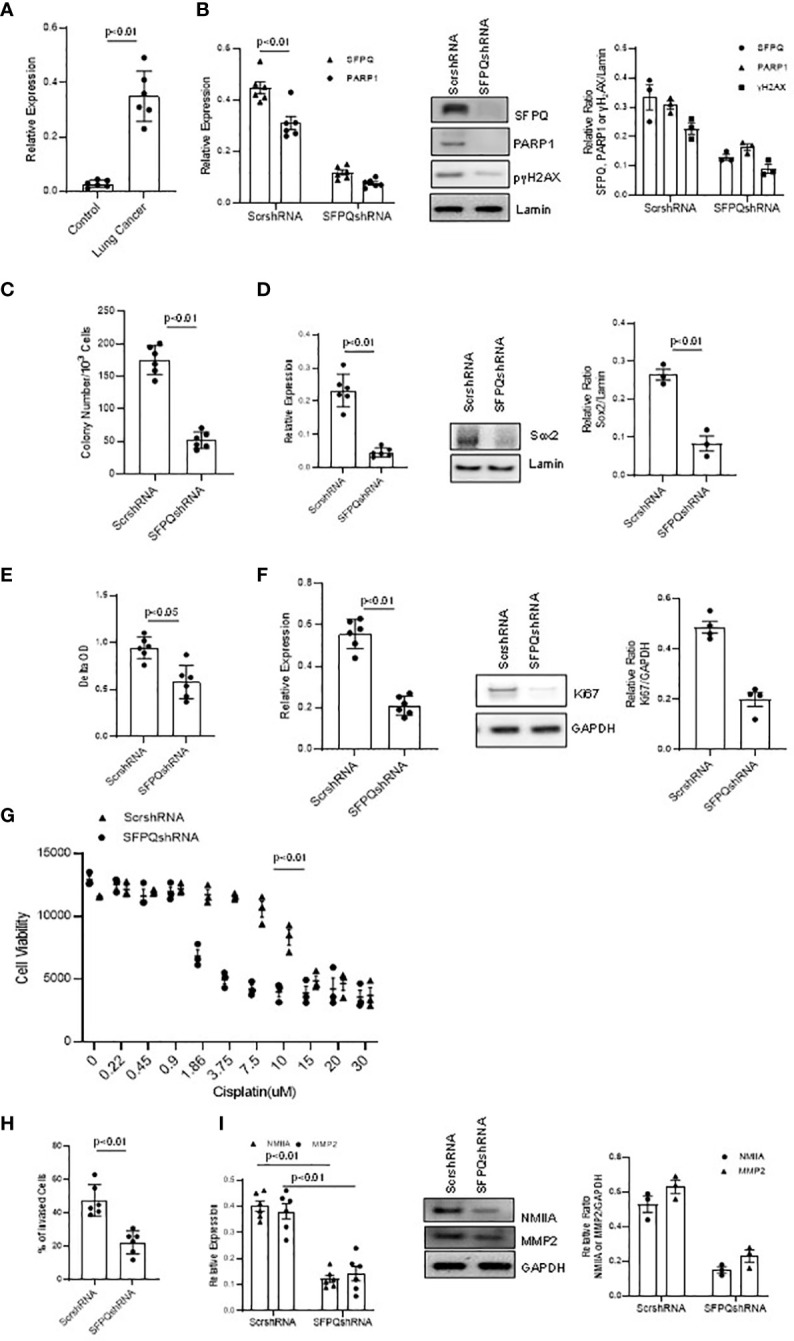
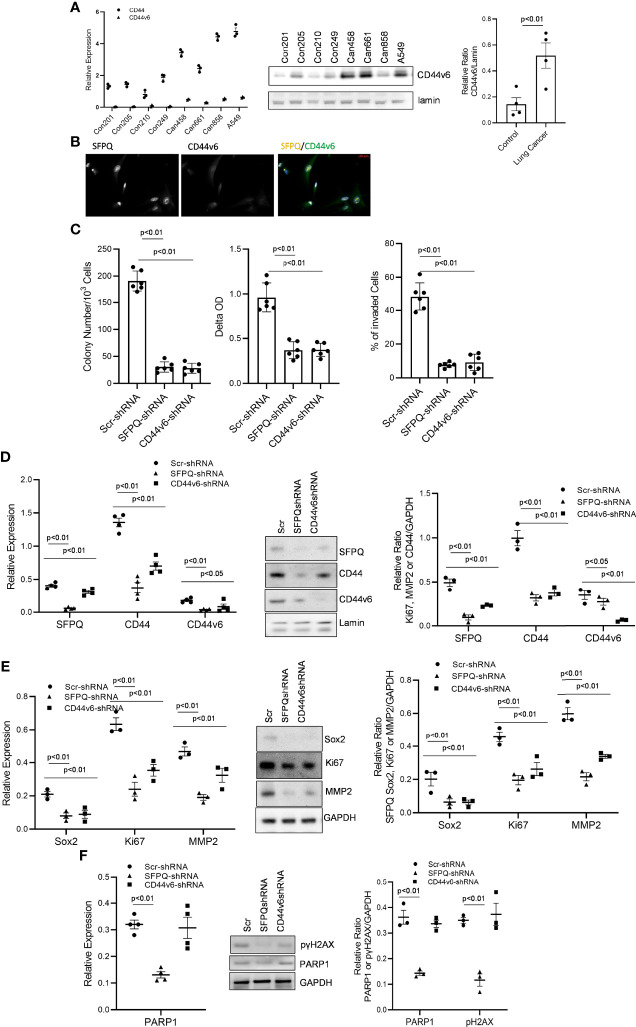
Mesenchymal stem cells (MSCs) contribute to tumor pathogenesis and elicit antitumor immune responses in tumor microenvironments. Nuclear proteins might be the main players in these processes. In the current study, combining spatial proteomics with ingenuity pathway analysis (IPA) in lung non-small cell (NSC) cancer MSCs, we identify a key nuclear protein regulator, SFPQ (Splicing Factor Proline and Glutamine Rich), which is overexpressed in lung cancer MSCs and functions to promote MSCs proliferation, chemical resistance, and invasion. Mechanistically, the knockdown of SFPQ reduces CD44v6 expression to inhibit lung cancer MSCs stemness, proliferation , and metastasis . The data indicates that SFPQ may be a potential therapeutic target for limiting growth, chemotherapy resistance, and metastasis of lung cancer.
间充质干细胞(MSCs)在肿瘤发病机制中发挥作用,并在肿瘤微环境中引发抗肿瘤免疫反应。核蛋白可能是这些过程中的主要参与者。在本研究中,我们将空间蛋白质组学与 Ingenuity 通路分析(IPA)相结合,对肺非小细胞(NSC)癌 MSCs 进行研究,鉴定出一种关键的核蛋白调节因子 SFPQ(富含脯氨酸和谷氨酰胺的剪接因子),它在肺癌 MSCs 中过表达,具有促进 MSCs 增殖、化学抗性和侵袭的功能。机制上,敲低 SFPQ 可降低 CD44v6 的表达,从而抑制肺癌 MSCs 的干性、增殖和转移。数据表明,SFPQ 可能是限制肺癌生长、化疗抗性和转移的潜在治疗靶点。