Fasina Opeyemi B, Wang Jianyu, Mo Jianxia, Osada Hiroyuki, Ohno Hiroshi, Pan Wensheng, Xiang Lan, Qi Jianhua
College of Pharmaceutical Science, Zhejiang University, Hangzhou, China.
Chemical Biology Research Group, RIKEN Center for Sustainable Resource Science, Wako, Japan.
Front Pharmacol. 2022 Jun 2;13:814271. doi: 10.3389/fphar.2022.814271. eCollection 2022.
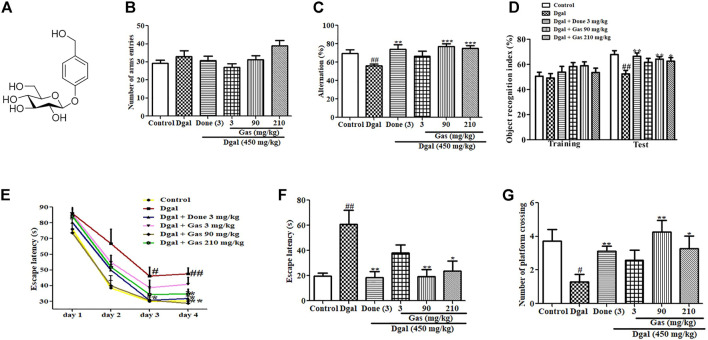
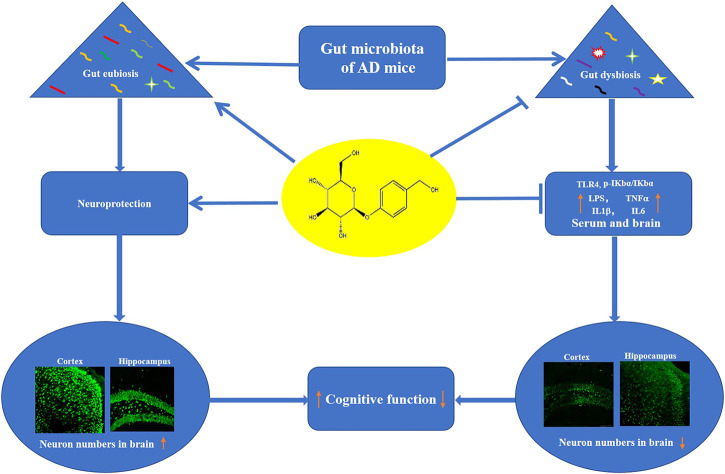
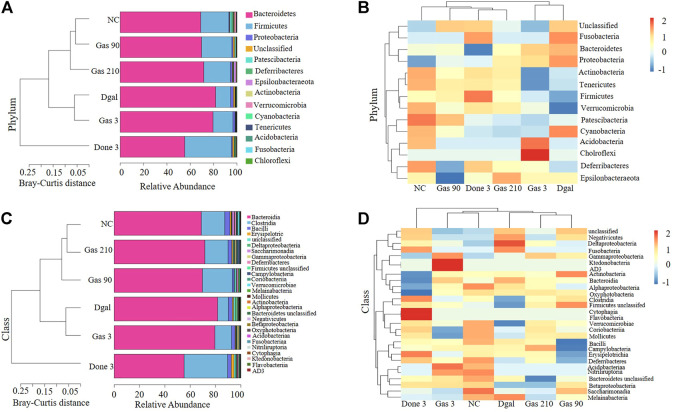
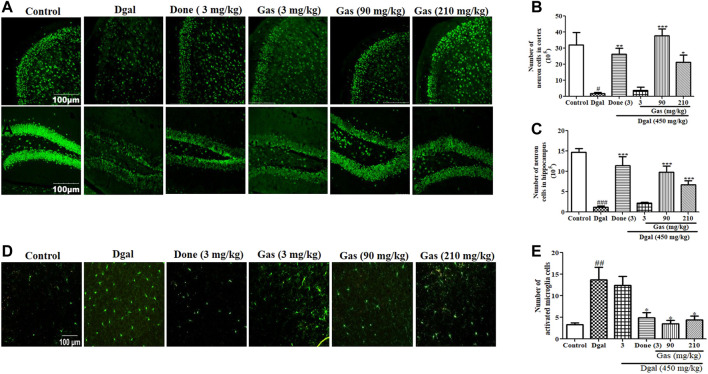
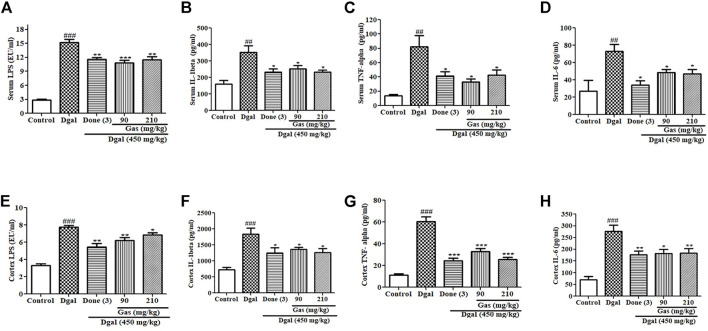
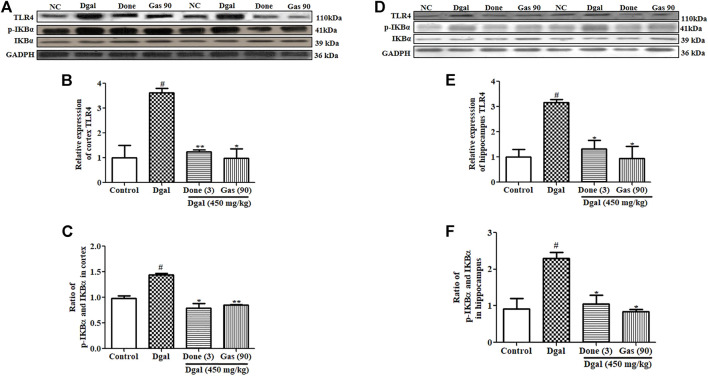
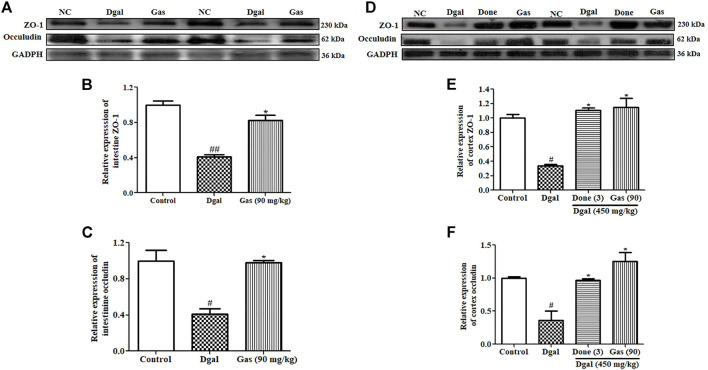
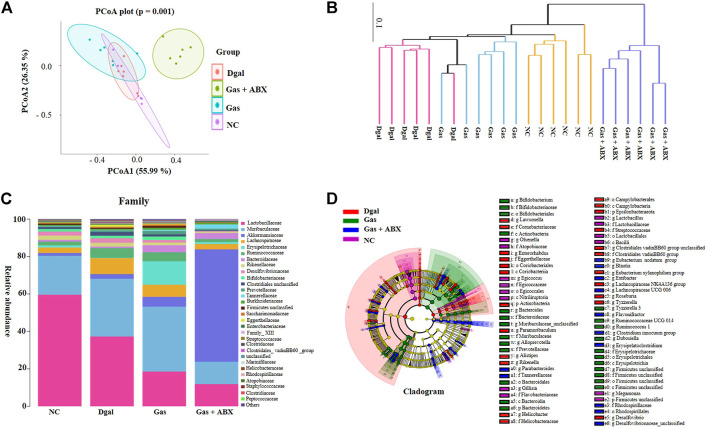
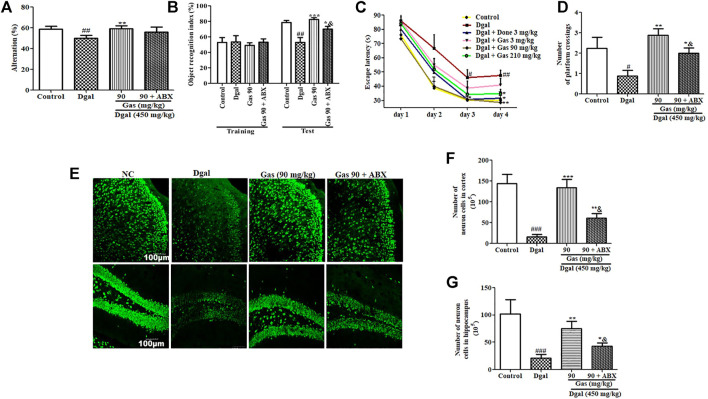
Gastrodin (Gas) is known to exhibit neuroprotective effects in Alzheimer's disease (AD). However, the detailed mechanism of action is still unclear. In the present study, we focused on the microbiome-gut-brain axis to investigate the mechanism of action of Gas using a D-galactose (Dgal)-induced AD model. Gas reversed the memory dysfunction of Dgal-administered mice. Neurons in the cerebral cortex and hippocampus were reduced in the Dgal-administered group, and the decrease of neurons was suppressed in 90 and 210 mg/kg Gas treatment groups. 16S rRNA sequence analysis was carried out to explore the composition of gut microbiota in fecal samples of mice. Gas treatment had a positive correlation with Firmicutes and had a negative correlation with Cyanobacteria, Proteobacteria, and Deferribaceters Importantly, the LPS and proinflammatory cytokines in the brain increased in Dgal-administered mice, but these parameters recovered to normal levels after oral administration of Gas. To determine whether the microbiota-gut-brain axis is involved in the neuroprotective effect of Gas, the mice were given antibiotic cocktail before and during the trial period to decrease the gut microbiota of mice. The antibiotic cocktail partially eliminated the neuroprotective effect of Gas by changing the gut microbiome composition. These results indicated that Gas improves the memory of the AD mouse model partly targeting the microbiota-gut-brain axis and mitigating neuron inflammation.
天麻素(Gas)已知在阿尔茨海默病(AD)中具有神经保护作用。然而,其详细的作用机制仍不清楚。在本研究中,我们聚焦于微生物群-肠-脑轴,使用D-半乳糖(Dgal)诱导的AD模型来研究天麻素的作用机制。天麻素逆转了给予Dgal的小鼠的记忆功能障碍。给予Dgal的组大脑皮质和海马中的神经元减少,而在90和210mg/kg天麻素治疗组中神经元的减少受到抑制。进行16S rRNA序列分析以探索小鼠粪便样本中肠道微生物群的组成。天麻素治疗与厚壁菌门呈正相关,与蓝细菌、变形菌门和脱铁杆菌门呈负相关。重要的是,给予Dgal的小鼠大脑中的LPS和促炎细胞因子增加,但口服天麻素后这些参数恢复到正常水平。为了确定微生物群-肠-脑轴是否参与天麻素的神经保护作用,在试验期之前和期间给小鼠服用抗生素混合物以减少小鼠的肠道微生物群。抗生素混合物通过改变肠道微生物群组成部分消除了天麻素的神经保护作用。这些结果表明,天麻素改善AD小鼠模型的记忆,部分是通过靶向微生物群-肠-脑轴并减轻神经元炎症。