Quantitative Pharmacology, EMD Serono Research & Development Institute, Inc., Billerica, Massachusetts, USA.
Merck KGaA, Darmstadt, Germany.
Clin Transl Sci. 2022 Sep;15(9):2075-2095. doi: 10.1111/cts.13357. Epub 2022 Jul 25.
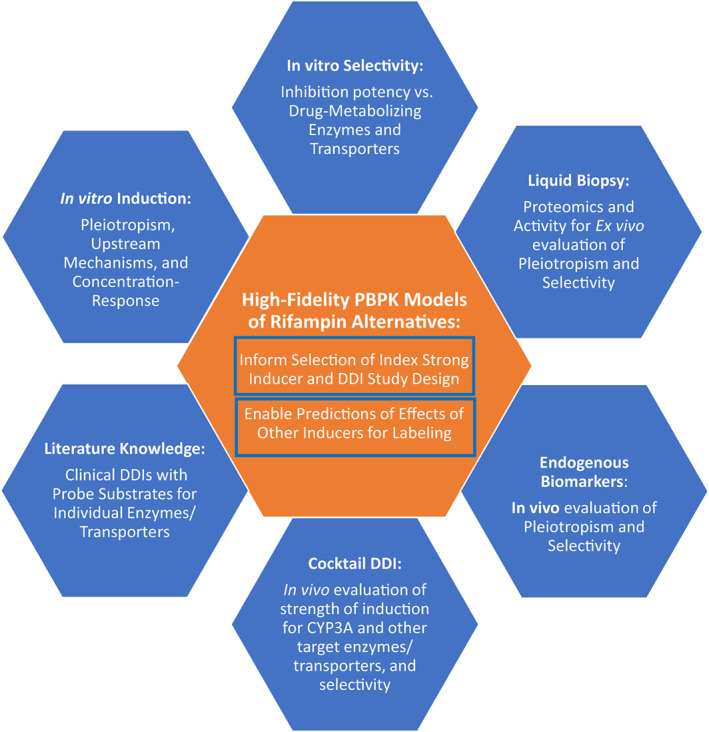
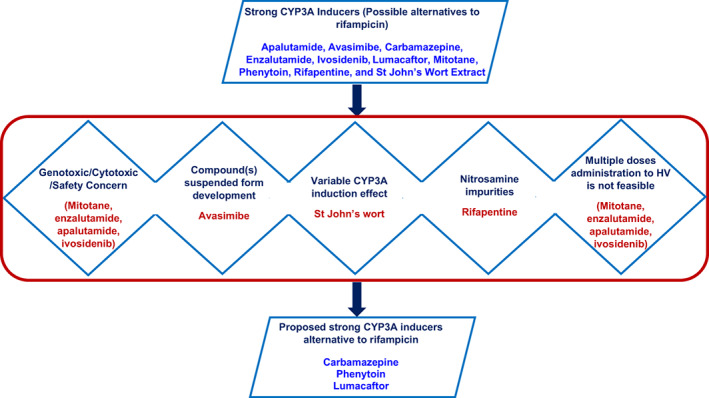
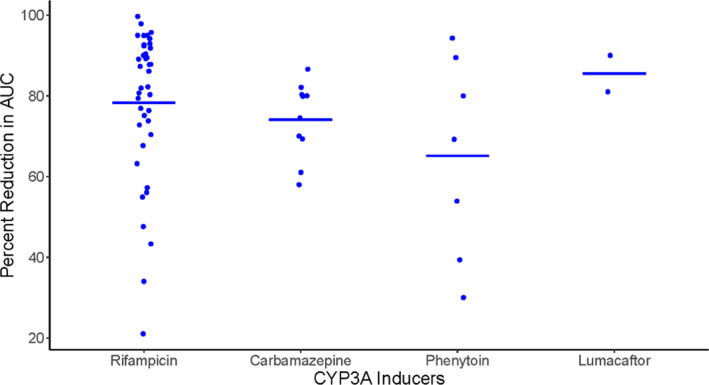
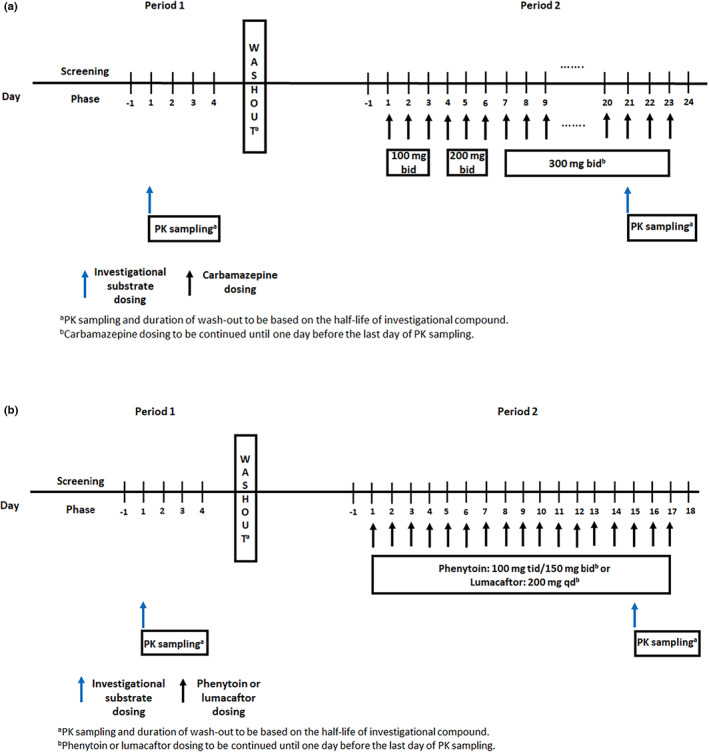
N-Nitrosamine (NA) impurities are considered genotoxic and have gained attention due to the recall of several marketed drug products associated with higher-than-permitted limits of these impurities. Rifampicin is an index inducer of multiple cytochrome P450s (CYPs) including CYP2B6, 2C8, 2C9, 2C19, and 3A4/5 and an inhibitor of OATP1B transporters (single dose). Hence, rifampicin is used extensively in clinical studies to assess drug-drug interactions (DDIs). Despite NA impurities being reported in rifampicin and rifapentine above the acceptable limits, these critical anti-infective drugs are available for therapeutic use considering their benefit-risk profile. Reports of NA impurities in rifampicin products have created uncertainty around using rifampicin in clinical DDI studies, especially in healthy volunteers. Hence, a systematic investigation through a literature search was performed to determine possible alternative index inducer(s) to rifampicin. The available strong CYP3A inducers were selected from the University of Washington DDI Database and their in vivo DDI potential assessed using the data from clinical DDI studies with sensitive CYP3A substrates. To propose potential alternative CYP3A inducers, factors including lack of genotoxic potential, adequate safety, feasibility of multiple dose administration to healthy volunteers, and robust in vivo evidence of induction of CYP3A were considered. Based on the qualifying criteria, carbamazepine, phenytoin, and lumacaftor were identified to be the most promising alternatives to rifampicin for conducting CYP3A induction DDI studies. Strengths and limitations of the proposed alternative CYP3A inducers, the magnitude of in vivo CYP3A induction, appropriate study designs for each alternative inducer, and future perspectives are presented in this paper.
N-亚硝胺(NA)杂质被认为具有遗传毒性,由于一些市售药物产品与这些杂质的允许限量相比超标而被召回,因此受到了关注。利福平是多种细胞色素 P450(CYP)的诱导剂,包括 CYP2B6、2C8、2C9、2C19 和 3A4/5,也是 OATP1B 转运蛋白的抑制剂(单次剂量)。因此,利福平广泛用于临床研究以评估药物相互作用(DDI)。尽管利福平及其类似物利福喷汀中的 NA 杂质含量超过了可接受的限度,但考虑到这些关键抗感染药物的获益-风险状况,它们仍可用于治疗。利福平产品中 NA 杂质的报告给临床 DDI 研究中使用利福平带来了不确定性,尤其是在健康志愿者中。因此,通过文献检索进行了系统调查,以确定利福平的可能替代诱导剂。从华盛顿大学 DDI 数据库中选择了现有的强 CYP3A 诱导剂,并使用来自与敏感 CYP3A 底物的临床 DDI 研究的数据评估其体内 DDI 潜力。为了提出潜在的替代 CYP3A 诱导剂,考虑了缺乏遗传毒性潜力、足够的安全性、对健康志愿者进行多次剂量给药的可行性以及体内 CYP3A 诱导的有力证据等因素。根据合格标准,卡马西平、苯妥英和拉米夫定被确定为进行 CYP3A 诱导 DDI 研究替代利福平的最有前途的选择。本文介绍了拟议替代 CYP3A 诱导剂的优缺点、体内 CYP3A 诱导的程度、每种替代诱导剂的适当研究设计以及未来展望。