Department of Physiology, University of Louisville School of Medicine, Louisville, KY, 40202, USA.
Division of Endocrinology, Metabolism and Diabetes and Robley Rex VA Medical Center, University of Louisville School of Medicine, Louisville, KY, 40202, USA.
Mol Cell Biochem. 2023 Jan;478(1):103-119. doi: 10.1007/s11010-022-04487-0. Epub 2022 Jun 22.
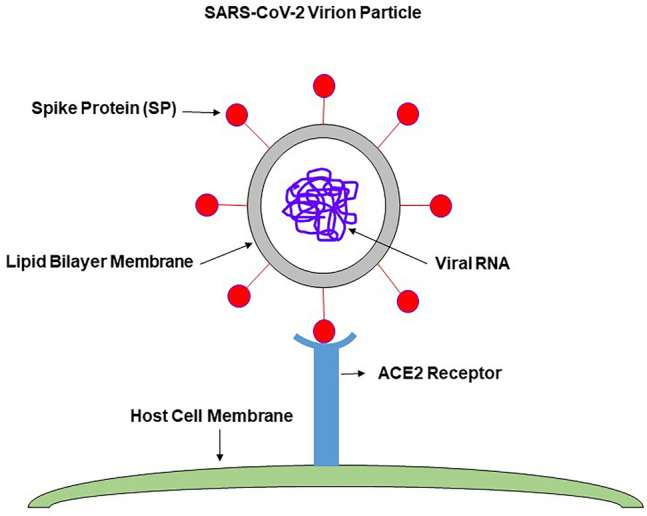
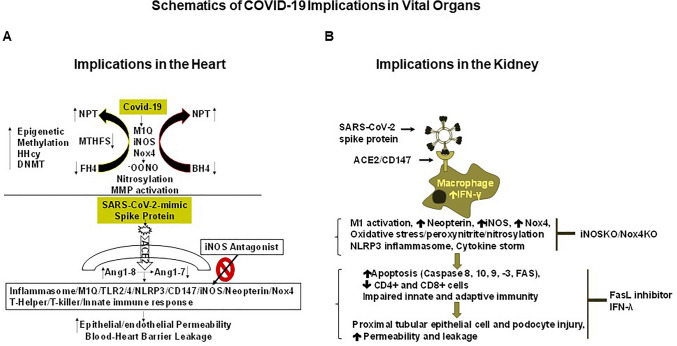
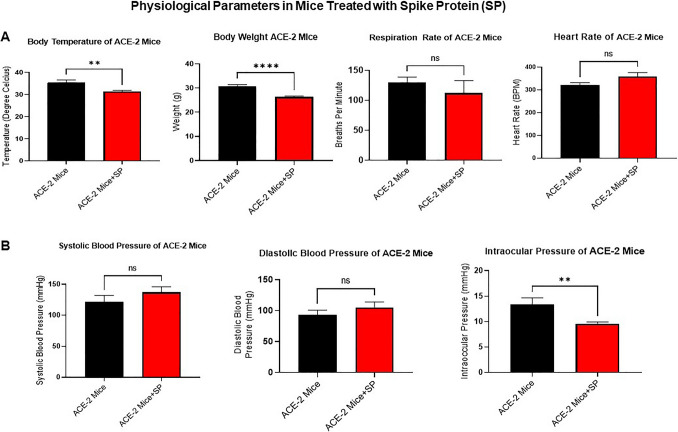
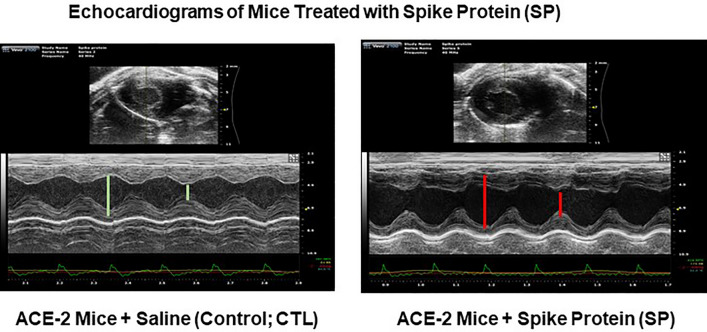
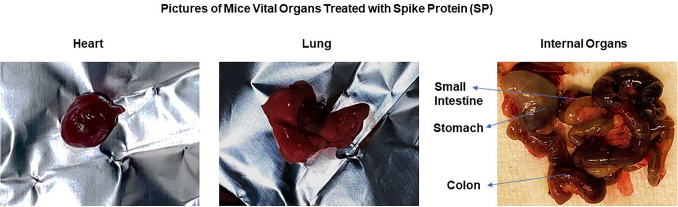
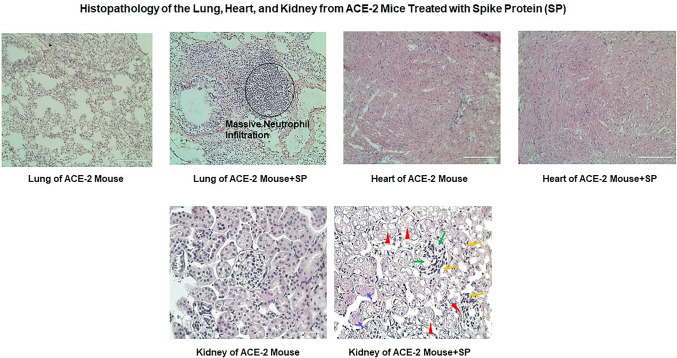
The ongoing pandemic (also known as coronavirus disease-19; COVID-19) by a constantly emerging viral agent commonly referred as the severe acute respiratory syndrome corona virus 2 or SARS-CoV-2 has revealed unique pathological findings from infected human beings, and the postmortem observations. The list of disease symptoms, and postmortem observations is too long to mention; however, SARS-CoV-2 has brought with it a whole new clinical syndrome in "long haulers" including dyspnea, chest pain, tachycardia, brain fog, exercise intolerance, and extreme fatigue. We opine that further improvement in delivering effective treatment, and preventive strategies would be benefited from validated animal disease models. In this context, we designed a study, and show that a genetically engineered mouse expressing the human angiotensin converting enzyme 2; ACE-2 (the receptor used by SARS-CoV-2 agent to enter host cells) represents an excellent investigative resource in simulating important clinical features of the COVID-19. The ACE-2 mouse model (which is susceptible to SARS-CoV-2) when administered with a recombinant SARS-CoV-2 spike protein (SP) intranasally exhibited a profound cytokine storm capable of altering the physiological parameters including significant changes in cardiac function along with multi-organ damage that was further confirmed via histological findings. More importantly, visceral organs from SP treated mice revealed thrombotic blood clots as seen during postmortem examination. Thus, the ACE-2 engineered mouse appears to be a suitable model for studying intimate viral pathogenesis thus paving the way for identification, and characterization of appropriate prophylactics as well as therapeutics for COVID-19 management.
持续的大流行(也称为冠状病毒病 19 型;COVID-19)由一种不断出现的病毒病原体引起,通常被称为严重急性呼吸系统综合征冠状病毒 2 或 SARS-CoV-2,它揭示了受感染人类的独特病理发现和尸检观察结果。疾病症状和尸检观察结果的清单太长,无法一一列举;然而,SARS-CoV-2 给“长途跋涉者”带来了一种全新的临床综合征,包括呼吸困难、胸痛、心动过速、脑雾、运动不耐受和极度疲劳。我们认为,进一步改进有效的治疗和预防策略将受益于经过验证的动物疾病模型。在这种情况下,我们设计了一项研究,并表明表达人血管紧张素转换酶 2(ACE-2;SARS-CoV-2 进入宿主细胞的受体)的基因工程小鼠是模拟 COVID-19 重要临床特征的优秀研究资源。当用重组 SARS-CoV-2 刺突蛋白(SP)经鼻腔给予 ACE-2 小鼠模型(易感染 SARS-CoV-2)时,会引发严重的细胞因子风暴,能够改变生理参数,包括心脏功能的显著变化以及多器官损伤,这通过组织学发现得到了进一步证实。更重要的是,SP 处理的小鼠的内脏器官显示出血栓性血凝块,如尸检检查中所见。因此,ACE-2 工程小鼠似乎是研究病毒发病机制的合适模型,为 COVID-19 管理中确定和表征适当的预防和治疗方法铺平了道路。