Department of Microbiology, Immunology and Glycobiology, Institute of Laboratory Medicine, Lund University, Lund, Sweden.
Nat Rev Urol. 2022 Jul;19(7):419-437. doi: 10.1038/s41585-022-00602-4. Epub 2022 Jun 22.
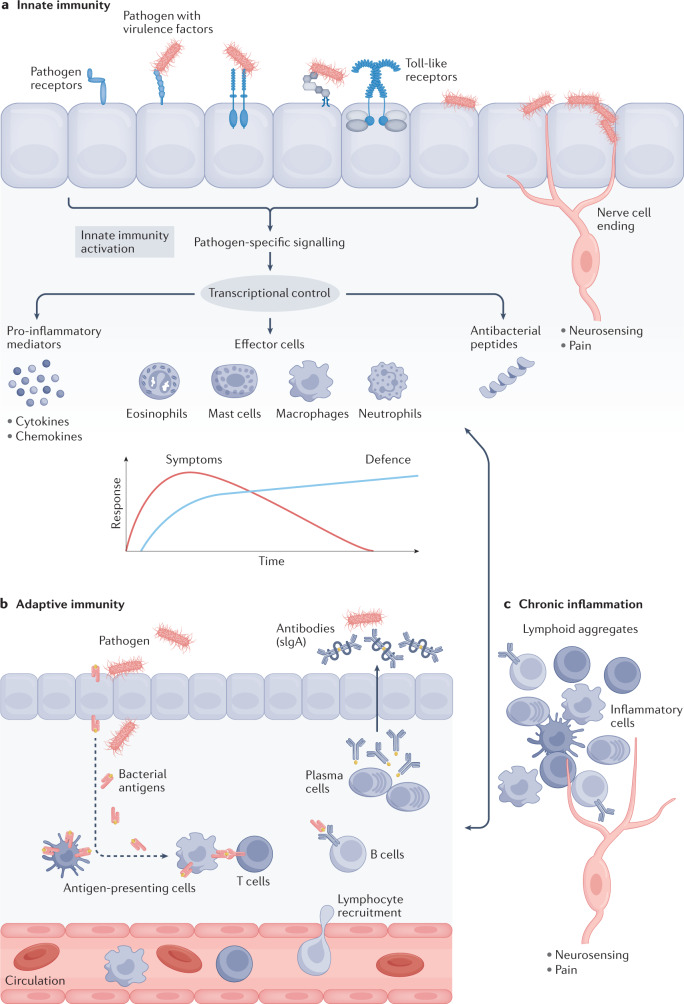
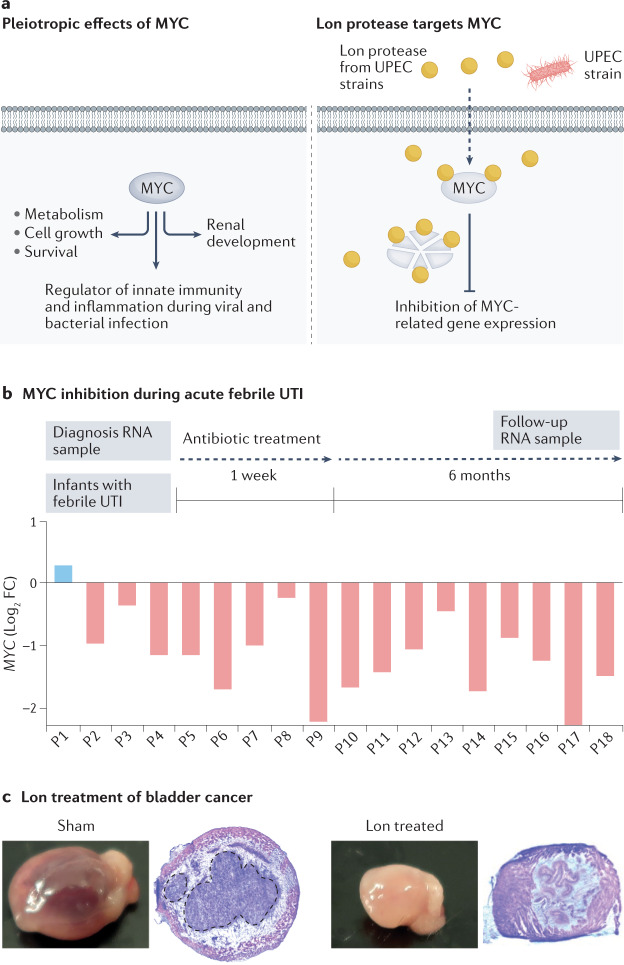
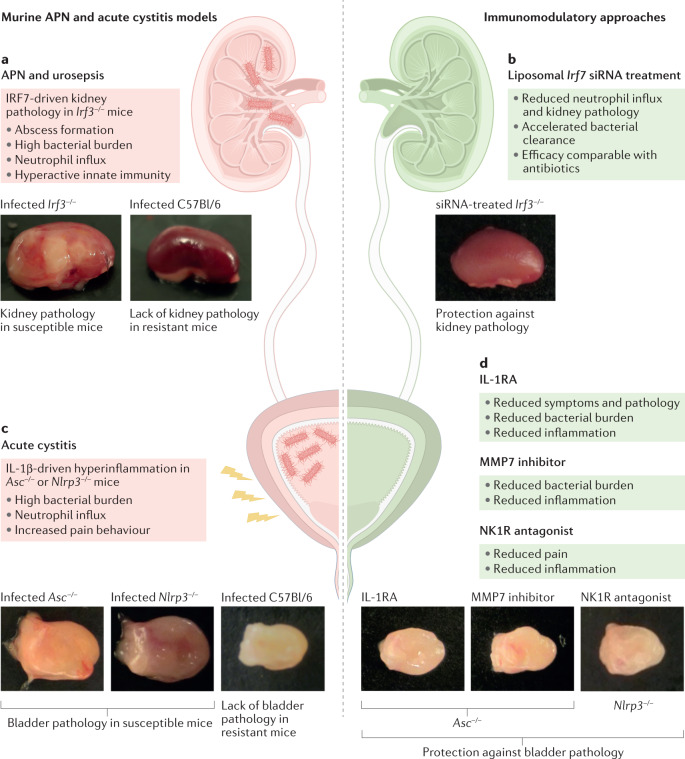
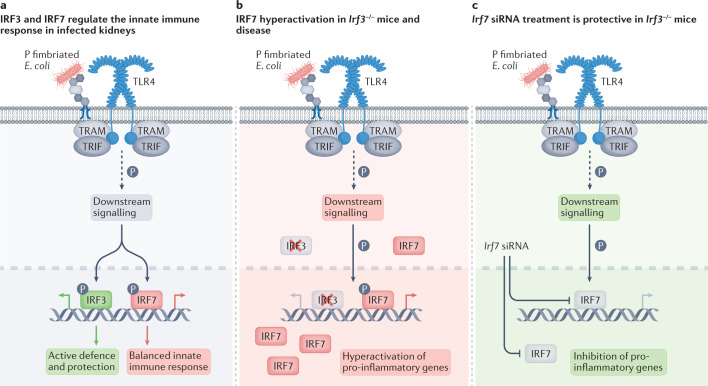
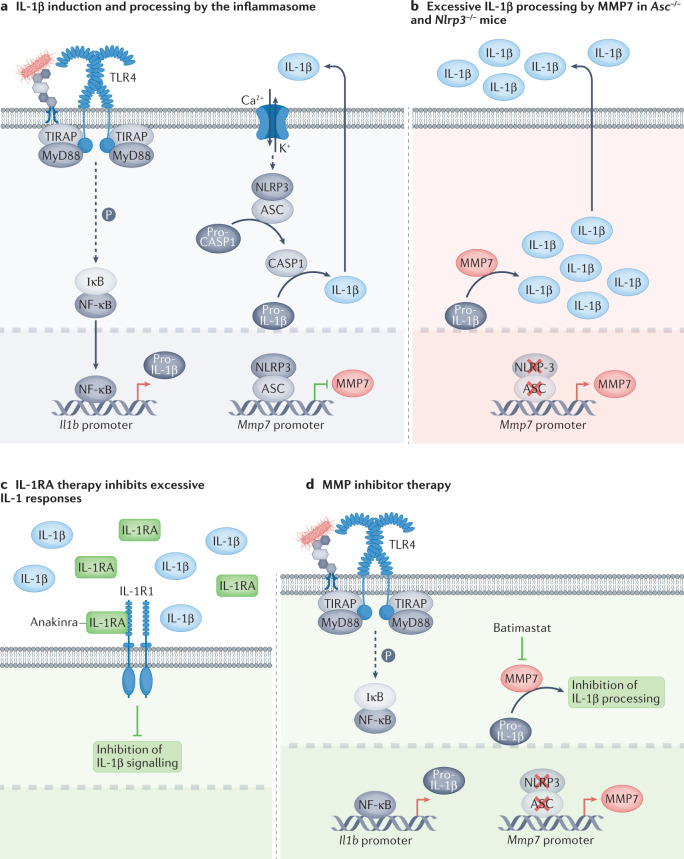
Innovative solutions are needed for the treatment of bacterial infections, and a range of antibacterial molecules have been explored as alternatives to antibiotics. A different approach is to investigate the immune system of the host for new ways of making the antibacterial defence more efficient. However, the immune system has a dual role as protector and cause of disease: in addition to being protective, increasing evidence shows that innate immune responses can become excessive and cause acute symptoms and tissue pathology during infection. This role of innate immunity in disease suggests that the immune system should be targeted therapeutically, to inhibit over-reactivity. The ultimate goal is to develop therapies that selectively attenuate destructive immune response cascades, while augmenting the protective antimicrobial defence but such treatment options have remained underexplored, owing to the molecular proximity of the protective and destructive effects of the immune response. The concept of innate immunomodulation therapy has been developed successfully in urinary tract infections, based on detailed studies of innate immune activation and disease pathogenesis. Effective, disease-specific, immunomodulatory strategies have been developed by targeting specific immune response regulators including key transcription factors. In acute pyelonephritis, targeting interferon regulatory factor 7 using small interfering RNA or treatment with antimicrobial peptide cathelicidin was protective and, in acute cystitis, targeting overactive effector molecules such as IL-1β, MMP7, COX2, cAMP and the pain-sensing receptor NK1R has been successful in vivo. Furthermore, other UTI treatment strategies, such as inhibiting bacterial adhesion and vaccination, have also shown promise.
需要创新的解决方案来治疗细菌感染,人们已经探索了一系列抗菌分子作为抗生素的替代品。另一种方法是研究宿主的免疫系统,寻找提高抗菌防御效率的新方法。然而,免疫系统具有双重作用,既是保护者,也是疾病的成因:除了具有保护作用外,越来越多的证据表明,先天免疫反应可能会过度,导致感染期间出现急性症状和组织病理学变化。先天免疫在疾病中的这种作用表明,免疫系统应该作为治疗靶点,以抑制过度反应。最终目标是开发能够选择性减弱破坏性免疫反应级联的疗法,同时增强保护性抗菌防御,但由于免疫反应的保护和破坏作用在分子上非常接近,因此这种治疗选择仍未得到充分探索。基于对先天免疫激活和疾病发病机制的详细研究,已经成功地在尿路感染中开发了先天免疫调节治疗的概念。通过针对特定的免疫反应调节剂,包括关键转录因子,已经开发出有效的、针对特定疾病的免疫调节策略。在急性肾盂肾炎中,使用小干扰 RNA 靶向干扰素调节因子 7 或使用抗菌肽 cathelicidin 进行治疗具有保护作用,在急性膀胱炎中,靶向过度活跃的效应分子,如 IL-1β、MMP7、COX2、cAMP 和疼痛感应受体 NK1R,在体内已被证明是成功的。此外,其他尿路感染治疗策略,如抑制细菌黏附和接种疫苗,也显示出了前景。