Chetyrkina Margarita R, Fedorov Fedor S, Nasibulin Albert G
Skolkovo Institute of Science and Technology Nobel Str. 3 143026 Moscow Russia
Aalto University FI-00076 15100 Espoo Finland.
RSC Adv. 2022 May 31;12(25):16235-16256. doi: 10.1039/d2ra02519a. eCollection 2022 May 23.
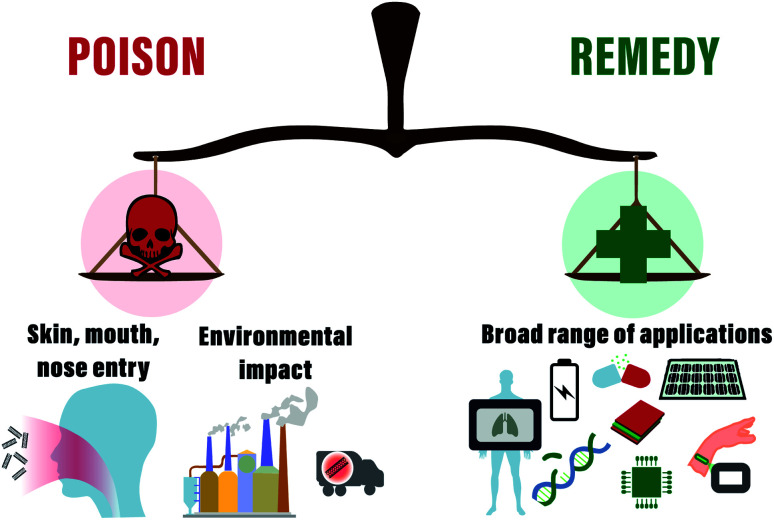
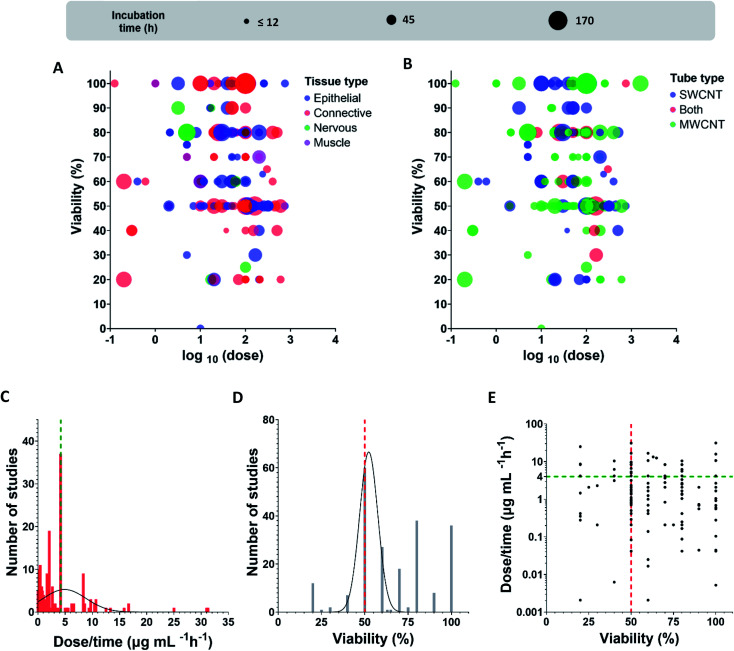
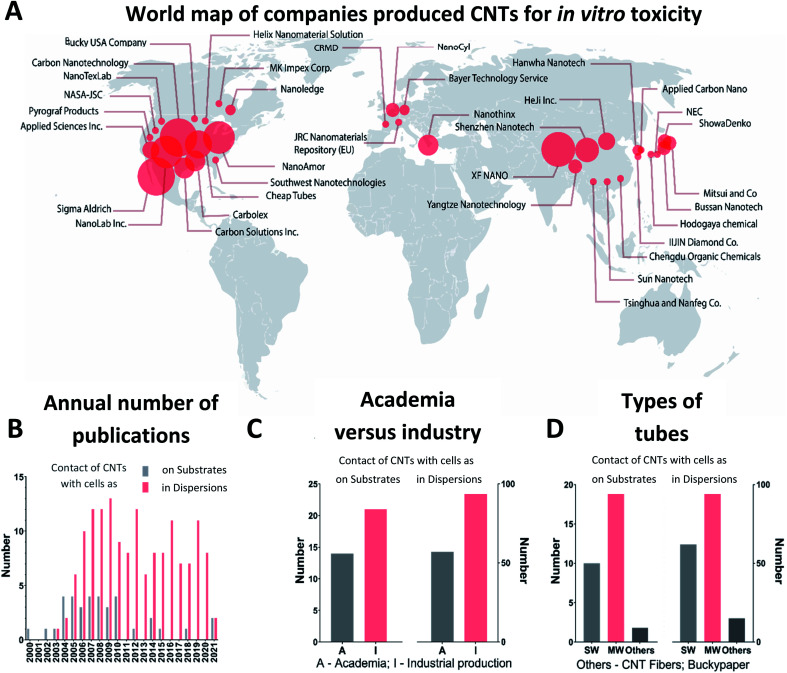
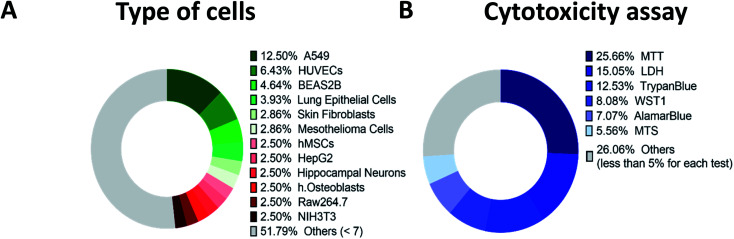
Carbon nanotube (CNT) toxicity-related issues provoke many debates in the scientific community. The controversial and disputable data about toxicity doses, proposed hazard effects, and human health concerns significantly restrict CNT applications in biomedical studies, laboratory practices, and industry, creating a barrier for mankind in the way of understanding how exactly the material behaves in contact with living systems. Raising the toxicity question again, many research groups conclude low toxicity of the material and its potential safeness at some doses for contact with biological systems. To get new momentum for researchers working on the intersection of the biological field and nanomaterials, , CNT materials, we systematically reviewed existing studies with toxicological data to propose exact doses that yield toxic effects, summarize studied cell types for a more thorough comparison, the impact of incubation time, and applied toxicity tests. Using several criteria and different scientific databases, we identified and analyzed nearly 200 original publications forming a "golden core" of the field to propose safe doses of the material based on a statistical analysis of retrieved data. We also differentiated the impact of various forms of CNTs: on a substrate and in the form of dispersion because in both cases, some studies demonstrated good biocompatibility of CNTs. We revealed that CNTs located on a substrate had negligible impact, , 90% of studies report good viability and cell behavior similar to control, therefore CNTs could be considered as a prospective conductive substrate for cell cultivation. In the case of dispersions, our analysis revealed mean values of dose/incubation time to be 4-5 μg mL h, which suggested the material to be a suitable candidate for further studies to get a more in-depth understanding of its properties in biointerfaces and offer CNTs as a promising platform for fundamental studies in targeted drug delivery, chemotherapy, tissue engineering, biosensing fields, . We hope that the present systematic review will shed light on the current knowledge about CNT toxicity, indicate "dark" spots and offer possible directions for the subsequent studies based on the demonstrated here tabulated and statistical data of doses, cell models, toxicity tests, viability, .
碳纳米管(CNT)毒性相关问题在科学界引发了诸多争论。关于毒性剂量、潜在危害效应以及对人类健康影响的争议性数据,严重限制了碳纳米管在生物医学研究、实验室实践和工业中的应用,为人类理解该材料与生物系统接触时的具体行为设置了障碍。许多研究团队再次提出毒性问题,得出该材料在某些剂量下毒性较低且具有潜在安全性的结论,可与生物系统接触。为了给致力于生物领域与纳米材料交叉研究的人员,即碳纳米管材料研究人员带来新的动力,我们系统回顾了现有含毒理学数据的研究,以提出产生毒性效应的确切剂量,总结用于更全面比较的研究细胞类型、孵育时间的影响以及应用的毒性测试。我们使用多种标准和不同的科学数据库,识别并分析了近200篇原始文献,形成该领域的“核心要点”,以便基于检索数据的统计分析提出该材料的安全剂量。我们还区分了各种形式碳纳米管的影响:在基底上的形式和分散形式,因为在这两种情况下,一些研究都表明碳纳米管具有良好的生物相容性。我们发现位于基底上的碳纳米管影响可忽略不计,90%的研究报告其具有良好的活力且细胞行为与对照相似,因此碳纳米管可被视为细胞培养的潜在导电基底。对于分散形式的碳纳米管,我们的分析表明剂量/孵育时间的平均值为4 - 5μg/mL·h,这表明该材料是进一步研究的合适候选对象,以便更深入了解其在生物界面中的特性,并为靶向药物递送、化疗、组织工程、生物传感领域的基础研究提供一个有前景的平台。我们希望本系统综述能阐明当前关于碳纳米管毒性的知识,指出“盲点”,并根据此处展示的剂量、细胞模型、毒性测试、活力等表格数据和统计数据,为后续研究提供可能的方向。