Magnetic Resonance Center (CERM), University of Florence, via L. Sacconi 6, Sesto Fiorentino 50019, Italy.
Department of Chemistry "Ugo Schiff", University of Florence, via della Lastruccia 3, Sesto Fiorentino 50019, Italy.
Langmuir. 2022 Jul 5;38(26):8030-8037. doi: 10.1021/acs.langmuir.2c00836. Epub 2022 Jun 23.
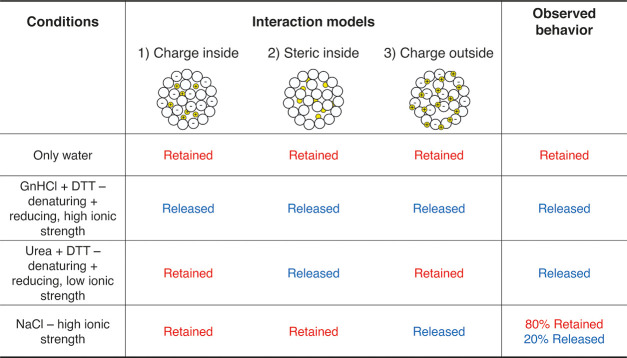
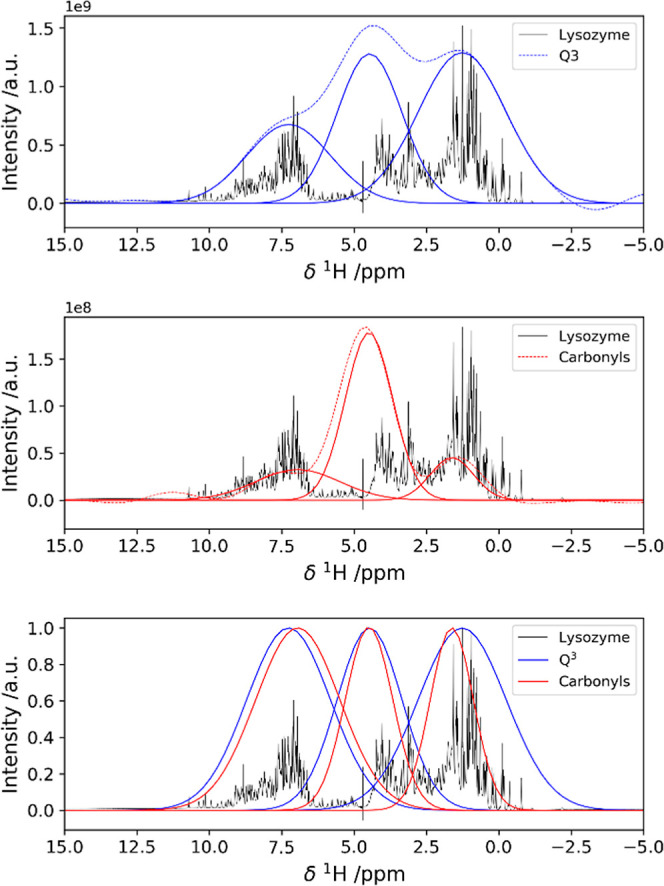
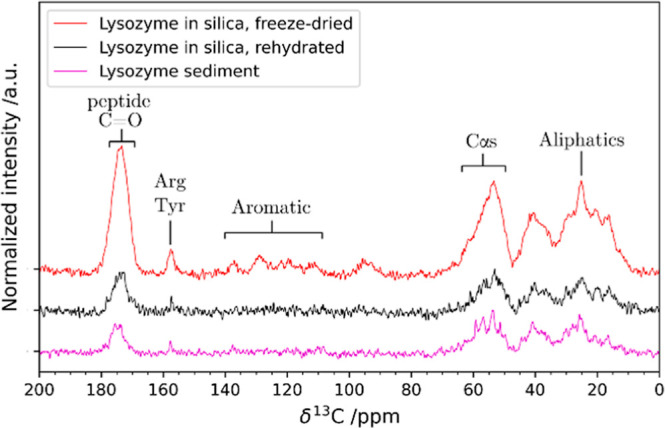
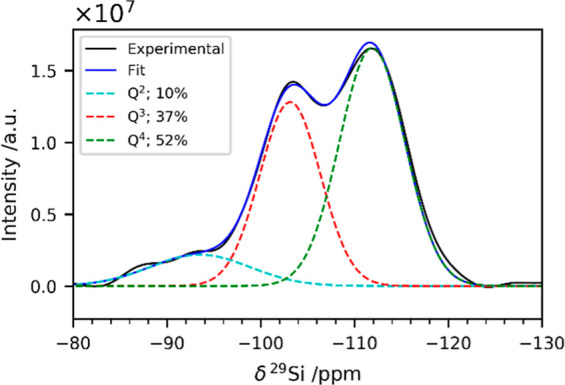
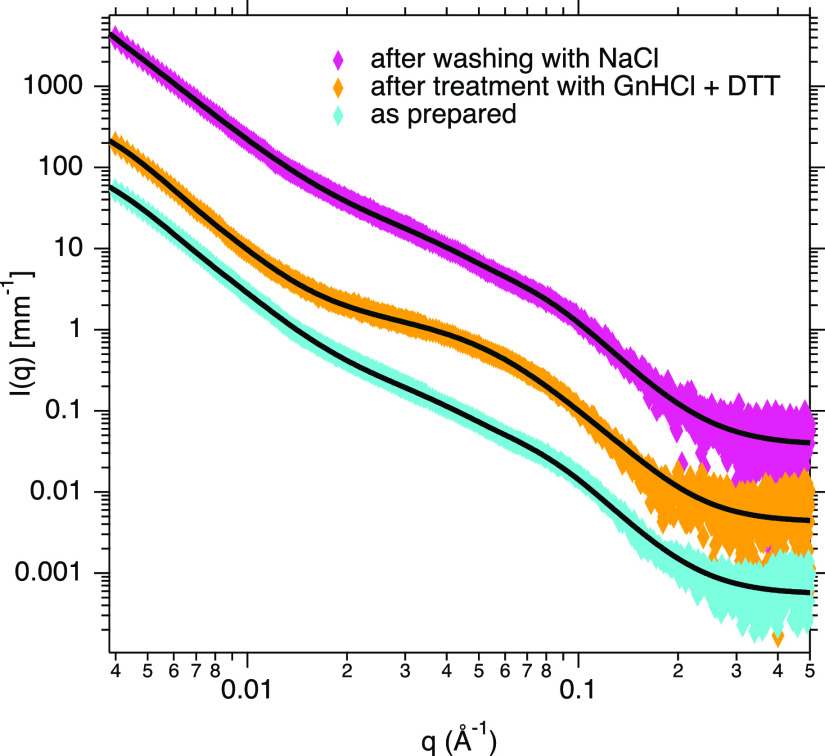
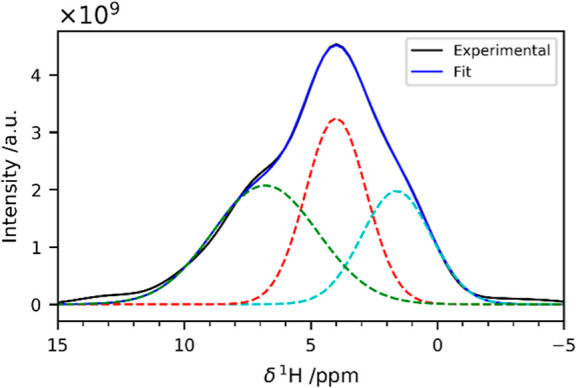
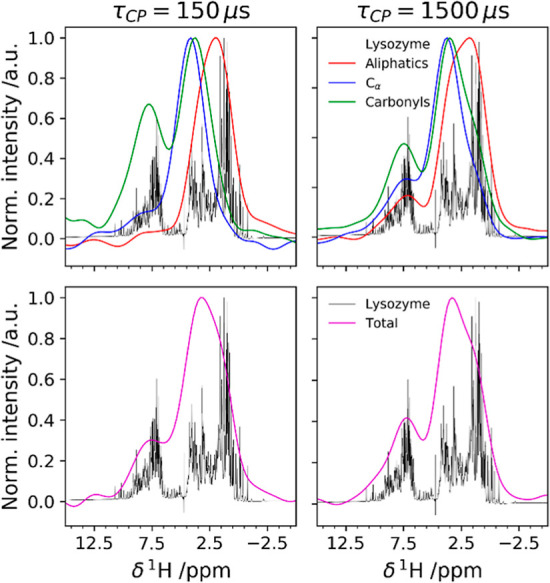
Lysozyme is widely known to promote the formation of condensed silica networks from solutions containing silicic acid, in a reproducible and cost-effective way. However, little is known about the fate of the protein after the formation of the silica particles. Also, the relative arrangement of the different components in the resulting material is a matter of debate. In this study, we investigate the nature of the protein-silica interactions by means of solid-state nuclear magnetic resonance spectroscopy, small-angle X-ray scattering, and electron microscopy. We find that lysozyme and silica are in intimate contact and strongly interacting, but their interaction is neither covalent nor electrostatic: lysozyme is mostly trapped inside the silica by steric effects.
溶菌酶被广泛认为可以通过含有硅酸的溶液以可重复且经济有效的方式促进凝聚硅石网络的形成。然而,对于蛋白质在硅石颗粒形成之后的命运,人们知之甚少。此外,所得材料中不同成分的相对排列也是一个有争议的问题。在这项研究中,我们通过固态核磁共振波谱、小角 X 射线散射和电子显微镜研究了蛋白质-硅石相互作用的性质。我们发现溶菌酶和硅石紧密接触并强烈相互作用,但它们的相互作用既不是共价的也不是静电的:溶菌酶主要通过空间位阻效应被困在硅石内。