Department of Pharmaceutical Toxicology, School of Pharmacy, China Medical University, No. 77 Puhe Road, Shenyang North New Area, Shenyang 110122, China.
Cells. 2022 Jun 13;11(12):1911. doi: 10.3390/cells11121911.
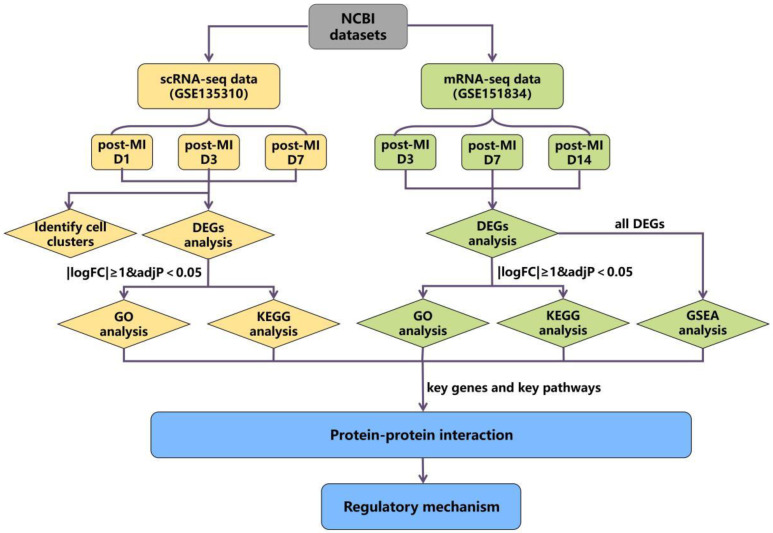
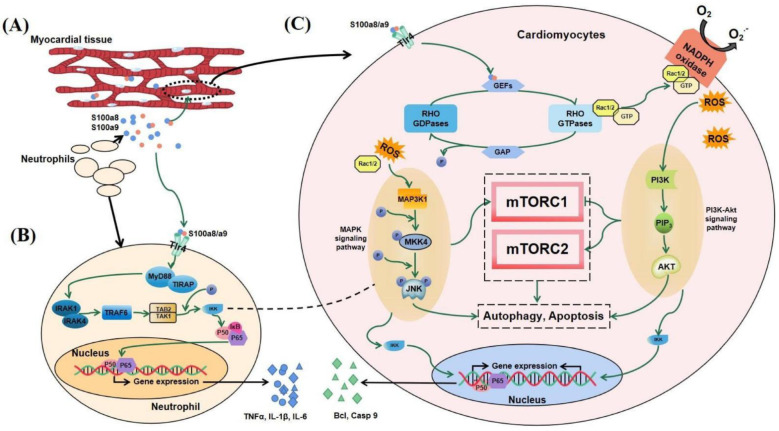
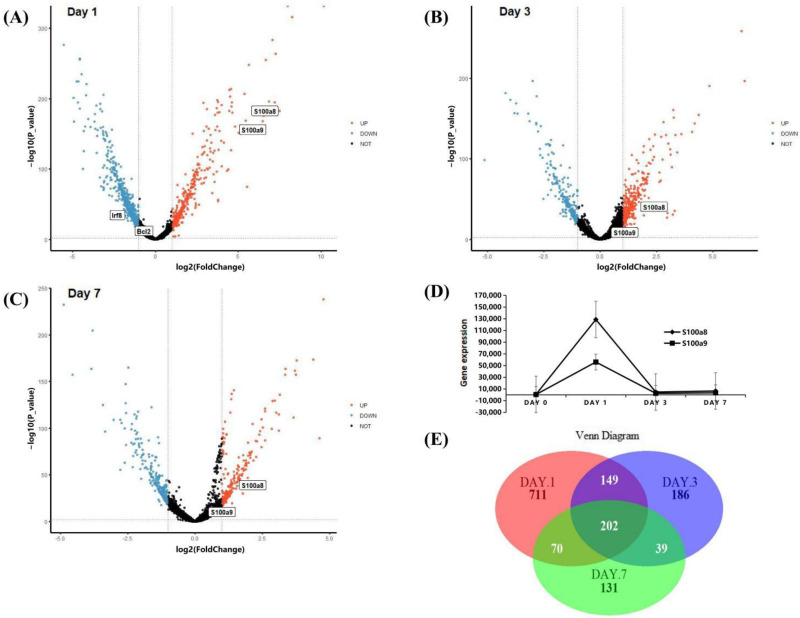
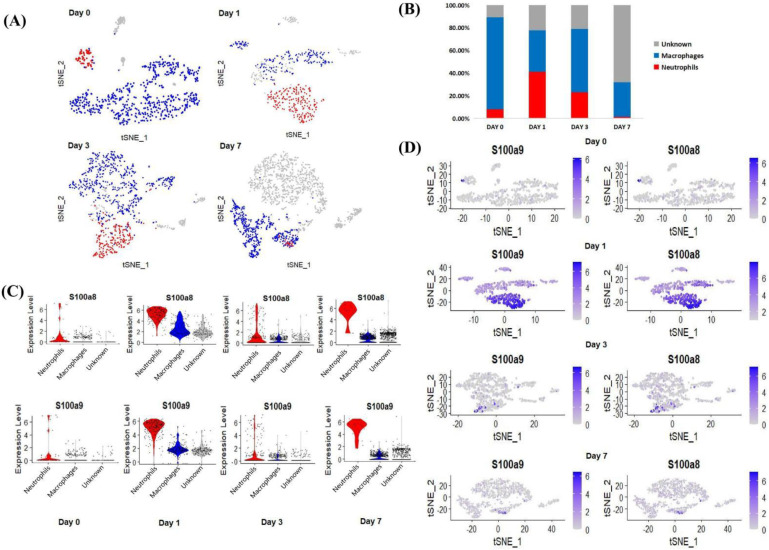
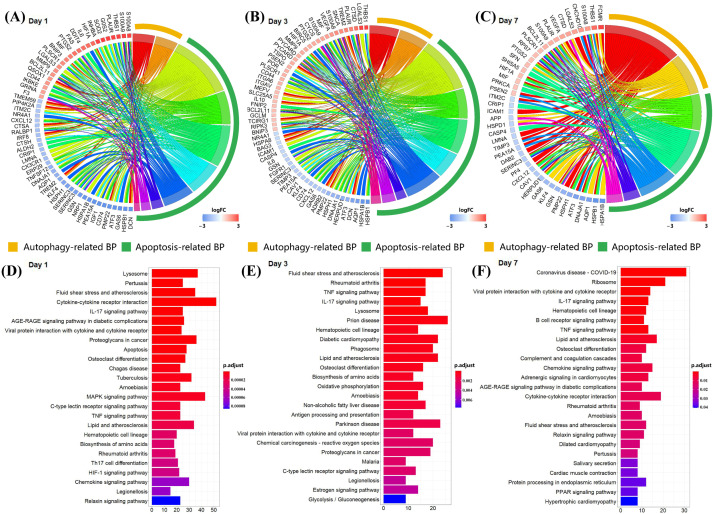
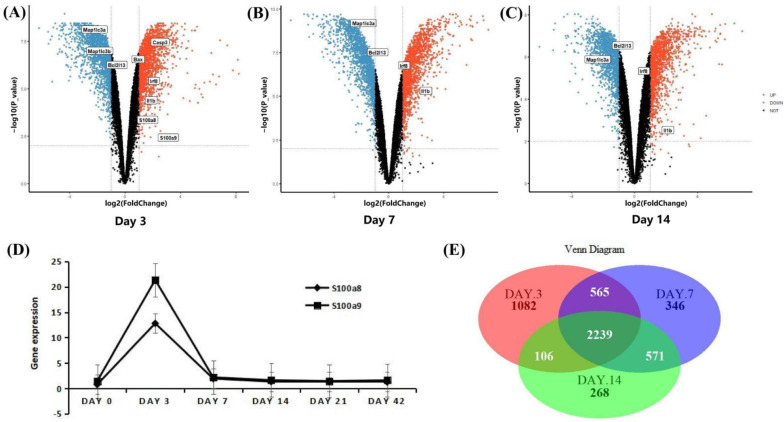
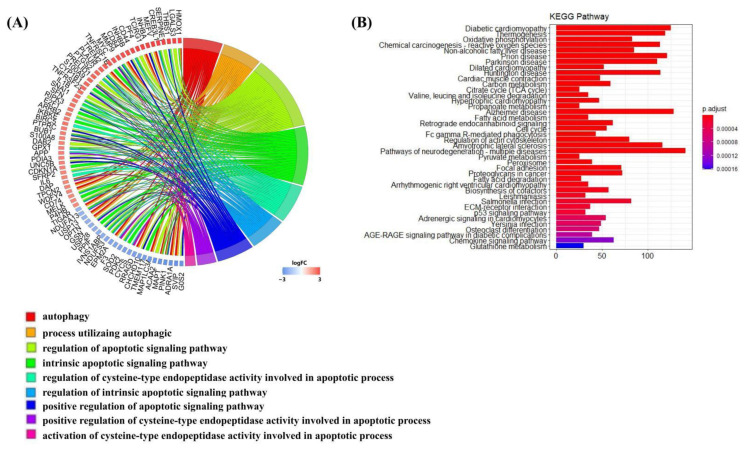
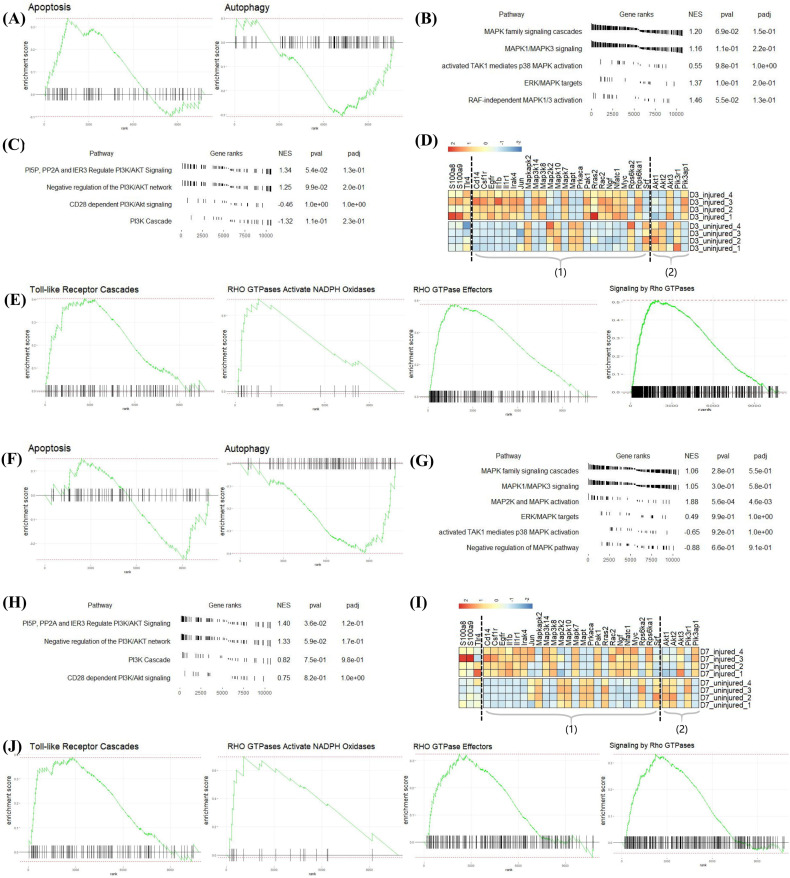
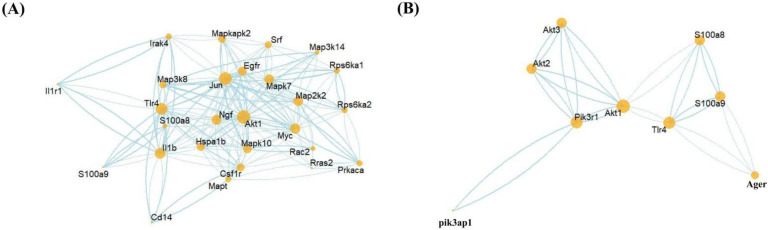
Myocardial infarction (MI), a type of coronary heart disease, has had a significantly increased incidence in recent years. The balance of cardiomyocyte apoptosis and autophagy after MI is one of the main determinants of patient prognosis. Both affect myocardial fibrosis and ventricular remodeling and regulate cell survival. However, there are few studies on the regulation mechanism of cardiomyocyte autophagy and apoptosis in the early stage after MI. In this study, based on analyzing the scRNA-seq and mRNA-seq data of mice in the early stage of MI, we found that the expression of S100a8 and S100a9 increased first and then decreased in the early stage of MI, and their expression level changed with the number of neutrophils. Further, through the functional enrichment analysis of the differentially expressed genes, we found that S100a8 and S100a9 were simultaneously associated with autophagy and apoptosis and could regulate autophagy and apoptosis of cardiomyocytes through MAPK or PI3K-AKT signaling pathways. This study provides valuable insights for clarifying the pathogenesis of early stage MI and improving its early treatment.
心肌梗死(MI)是一种冠心病,近年来其发病率显著增加。MI 后心肌细胞凋亡和自噬的平衡是决定患者预后的主要因素之一。两者均影响心肌纤维化和心室重构,并调节细胞存活。然而,MI 后早期心肌细胞自噬和凋亡的调控机制研究较少。在这项研究中,我们基于分析 MI 早期小鼠的 scRNA-seq 和 mRNA-seq 数据,发现 S100a8 和 S100a9 的表达在 MI 早期先增加后减少,其表达水平随中性粒细胞数量变化。进一步通过差异表达基因的功能富集分析,发现 S100a8 和 S100a9 同时与自噬和凋亡相关,并可通过 MAPK 或 PI3K-AKT 信号通路调节心肌细胞的自噬和凋亡。本研究为阐明早期 MI 的发病机制和改善其早期治疗提供了有价值的见解。