Department of Medical Oncology, University of Groningen, University Medical Center Groningen, Hanzeplein 1, 9713 GZ Groningen, The Netherlands.
Polymer Science, Zernike Institute for Advanced Materials, University of Groningen, Nijenborgh 4, 9747 AG Groningen, The Netherlands.
Int J Mol Sci. 2022 Jun 10;23(12):6520. doi: 10.3390/ijms23126520.
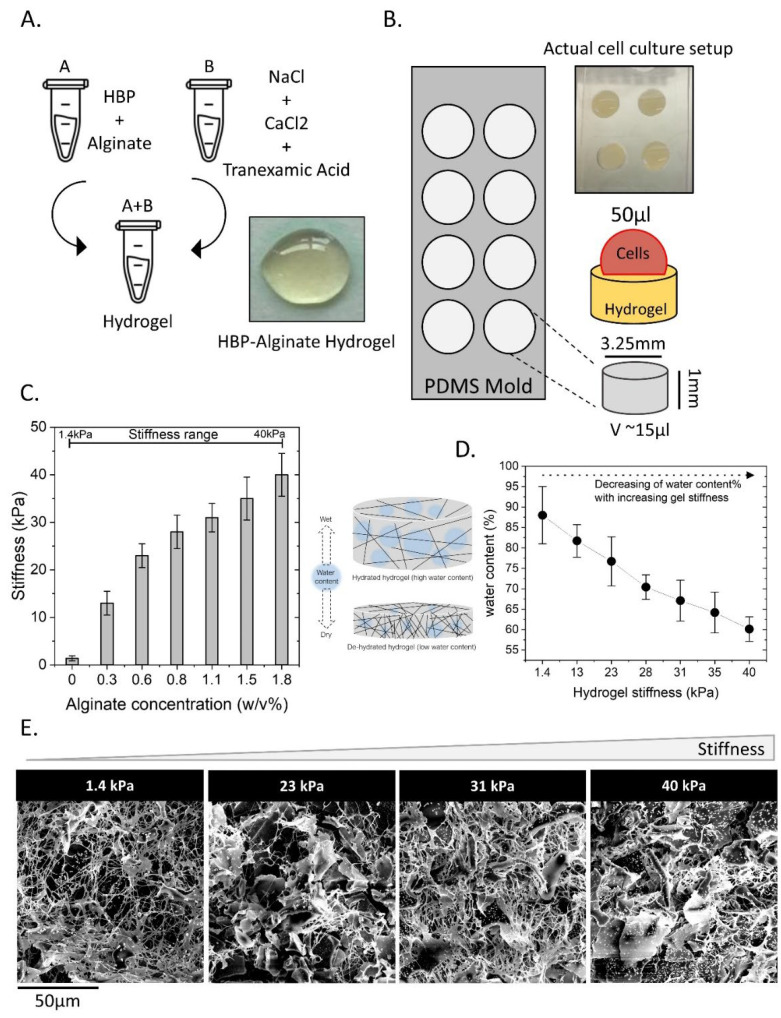
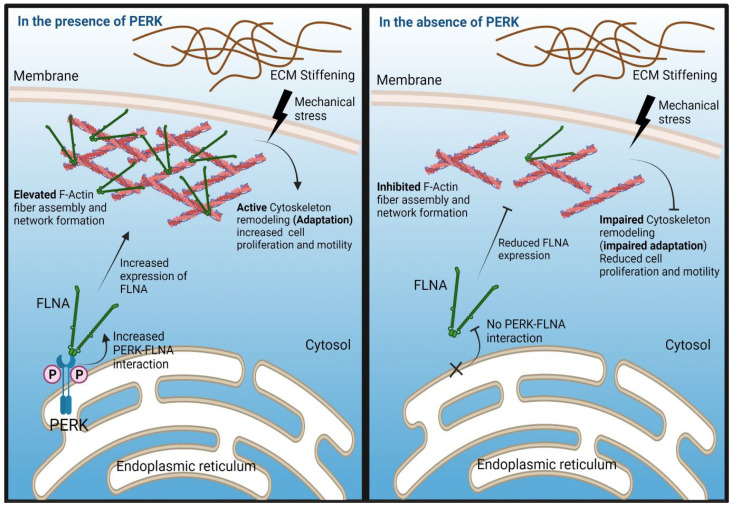
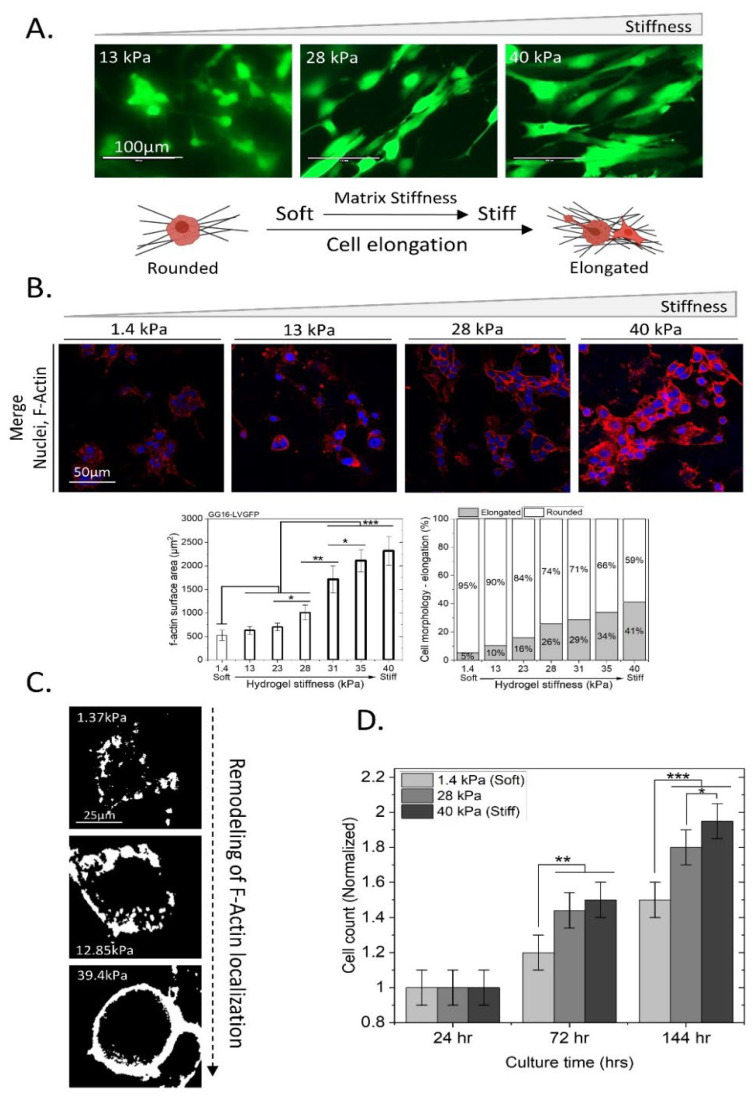
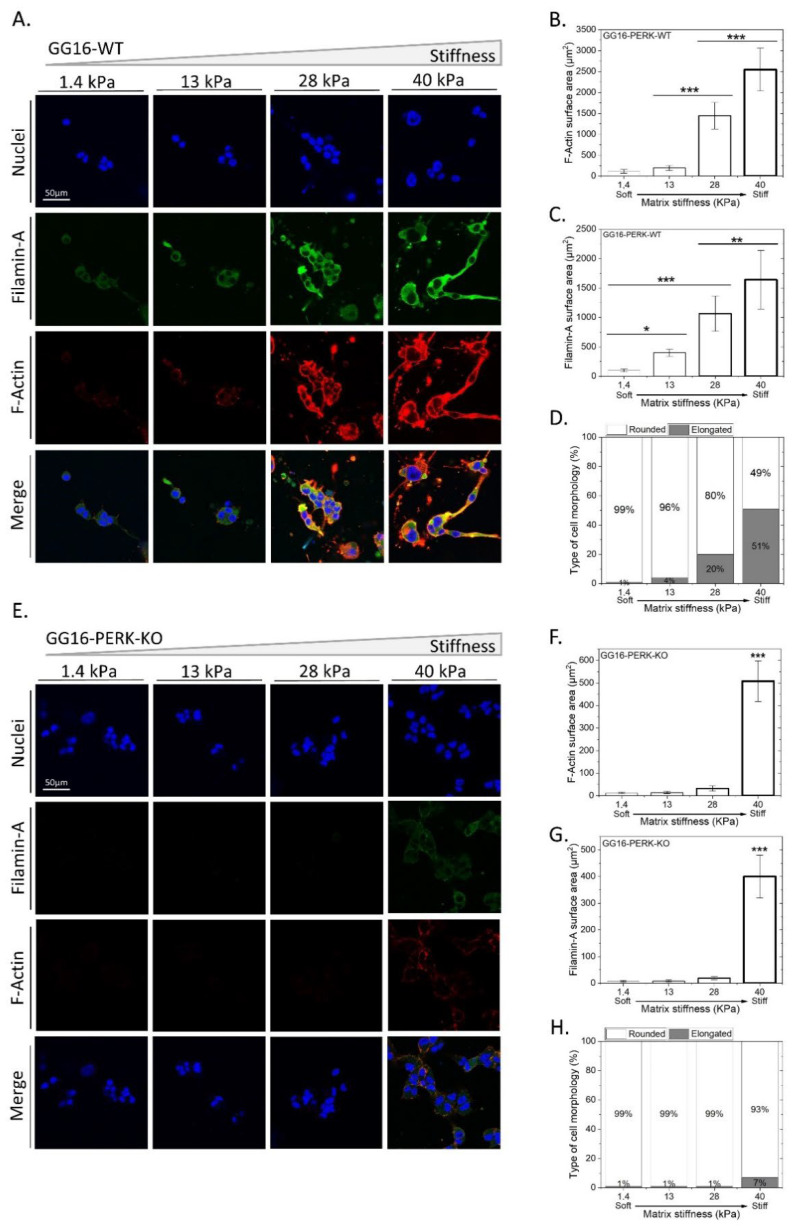
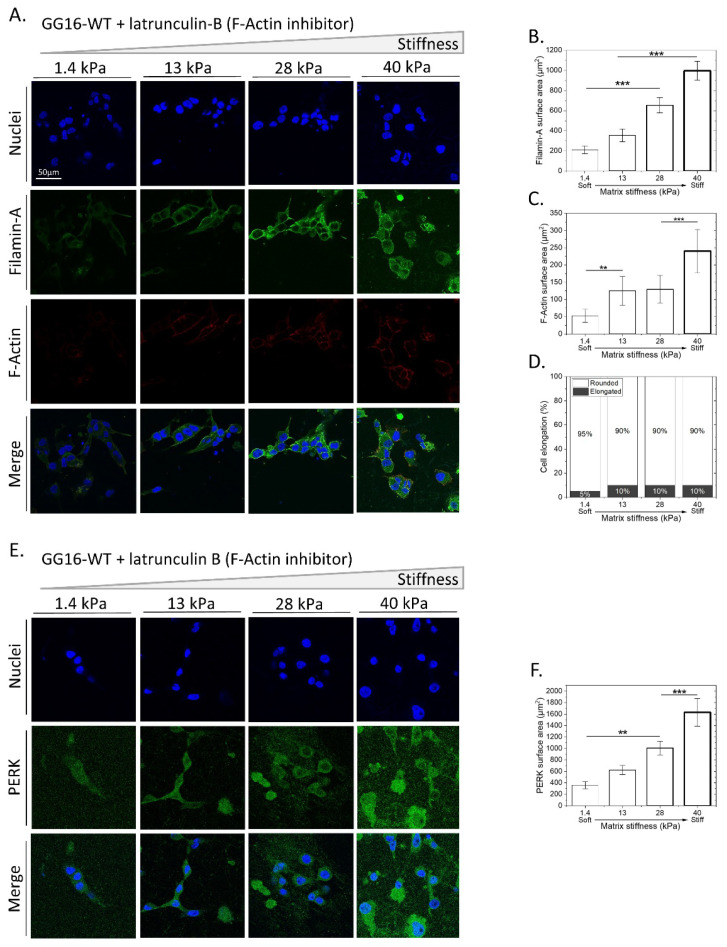
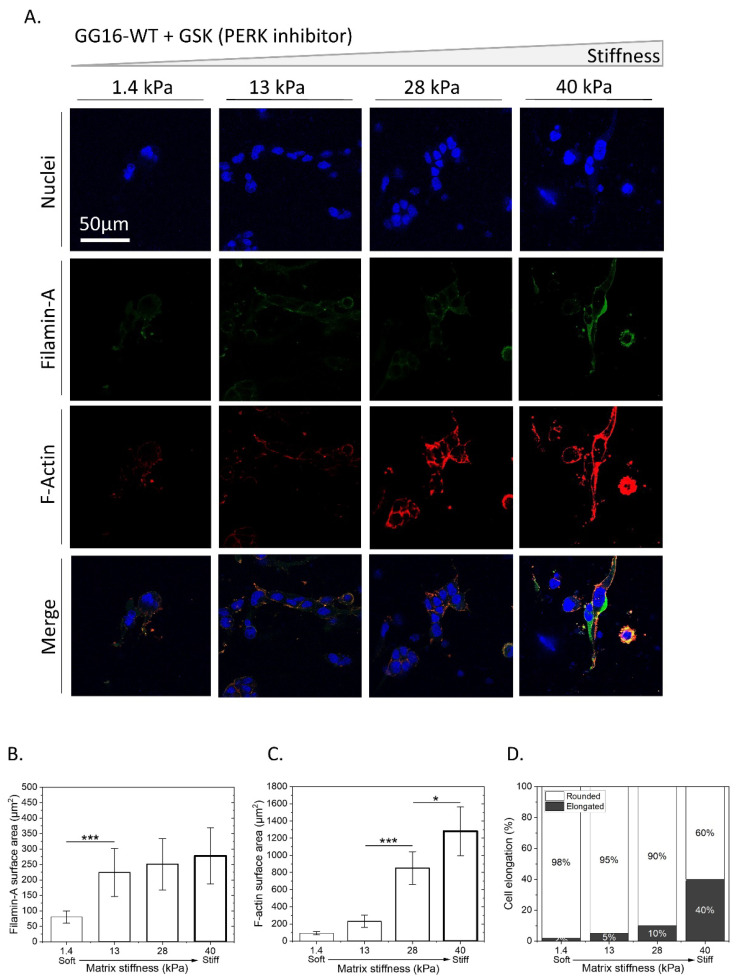
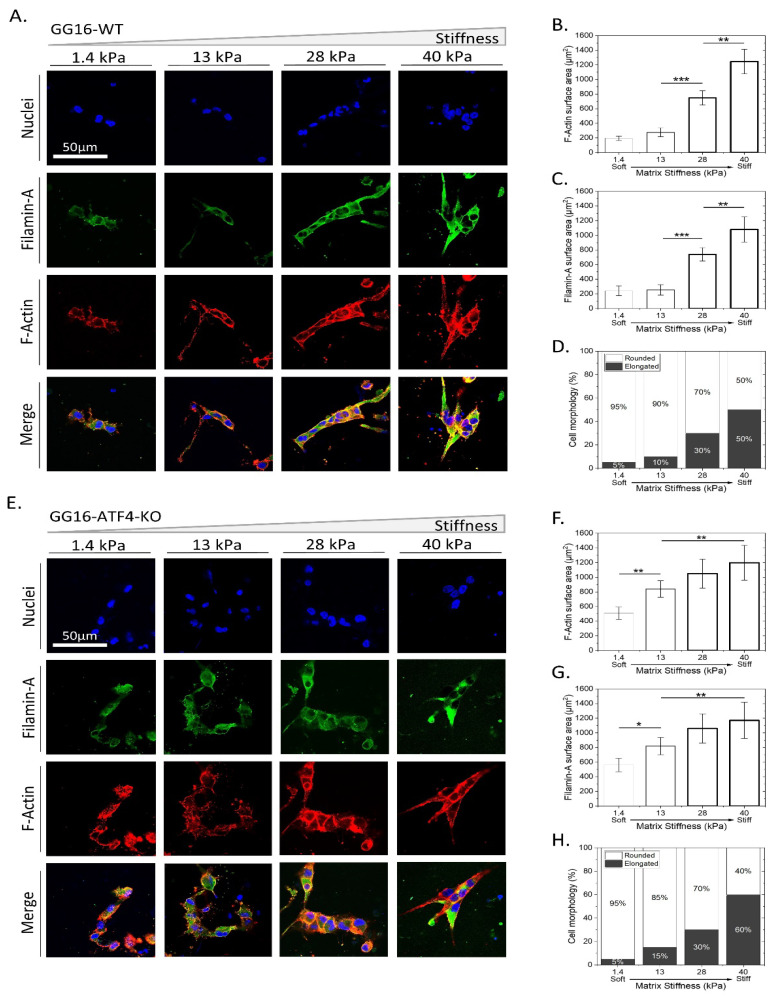
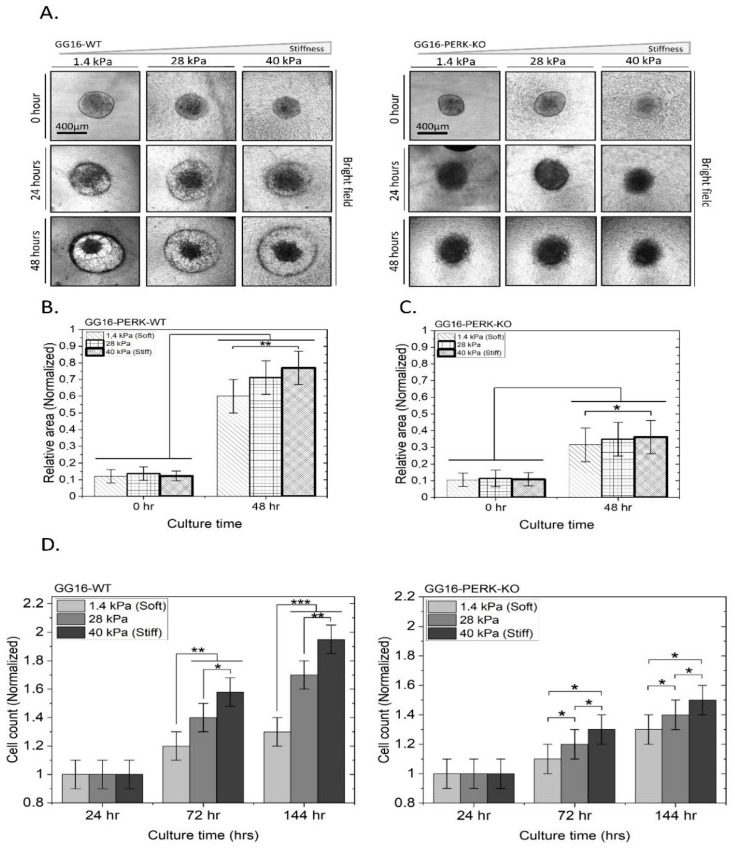
Glioblastoma multiforme (GBM) is the most aggressive brain tumor in adults. In addition to genetic causes, the tumor microenvironment (TME), including stiffening of the extracellular matrix (ECM), is a main driver of GBM progression. Mechano-transduction and the unfolded protein response (UPR) are essential for tumor-cell adaptation to harsh TME conditions. Here, we studied the effect of a variable stiff ECM on the morphology and malignant properties of GBM stem cells (GSCs) and, moreover, examined the possible involvement of the UPR sensor PERK herein. For this, stiffness-tunable human blood plasma (HBP)/alginate hydrogels were generated to mimic ECM stiffening. GSCs showed stiffness-dependent adaptation characterized by elongated morphology, increased proliferation, and motility which was accompanied by F-Actin cytoskeletal remodeling. Interestingly, in PERK-deficient GSCs, stiffness adaptation was severely impaired, which was evidenced by low F-Actin levels, the absence of F-Actin remodeling, and decreased cell proliferation and migration. This impairment could be linked with Filamin-A (FLN-A) expression, a known interactor of PERK, which was strongly reduced in PERK-deficient GSCs. In conclusion, we identified a novel PERK/FLNA/F-Actin mechano-adaptive mechanism and found a new function for PERK in the cellular adaptation to ECM stiffening.
多形性胶质母细胞瘤(GBM)是成人中最具侵袭性的脑肿瘤。除了遗传原因外,肿瘤微环境(TME),包括细胞外基质(ECM)的变硬,也是 GBM 进展的主要驱动因素。机械转导和未折叠蛋白反应(UPR)对于肿瘤细胞适应恶劣的 TME 条件至关重要。在这里,我们研究了可变硬 ECM 对 GBM 干细胞(GSCs)形态和恶性特性的影响,此外,还研究了 UPR 传感器 PERK 在此过程中的可能参与。为此,生成了可调节刚度的人血浆(HBP)/藻酸盐水凝胶来模拟 ECM 的变硬。GSCs 表现出依赖于刚度的适应性,其特征为伸长的形态、增殖增加和运动性增加,这伴随着 F-肌动蛋白细胞骨架重塑。有趣的是,在 PERK 缺陷的 GSCs 中,刚度适应性严重受损,这表现在 F-肌动蛋白水平低、F-肌动蛋白重塑缺失以及细胞增殖和迁移减少。这种损伤可能与 Filamin-A(FLN-A)表达有关,FLN-A 是 PERK 的已知相互作用蛋白,在 PERK 缺陷的 GSCs 中表达强烈减少。总之,我们确定了一种新的 PERK/FLNA/F-肌动蛋白机械适应性机制,并发现了 PERK 在细胞适应 ECM 变硬中的新功能。