Dieterle Martin Philipp, Steinberg Thorsten, Tomakidi Pascal, Nohava Jiri, Vach Kirstin, Schulz Simon Daniel, Hellwig Elmar, Proksch Susanne
Division of Oral Biotechnology, Center for Dental Medicine, Medical Center-University of Freiburg, Faculty of Medicine, University of Freiburg, Hugstetter Str. 55, 79110 Freiburg, Germany.
Anton Paar TriTec SA, 2035 Corcelles, Switzerland.
Pharmaceutics. 2022 Jun 16;14(6):1286. doi: 10.3390/pharmaceutics14061286.
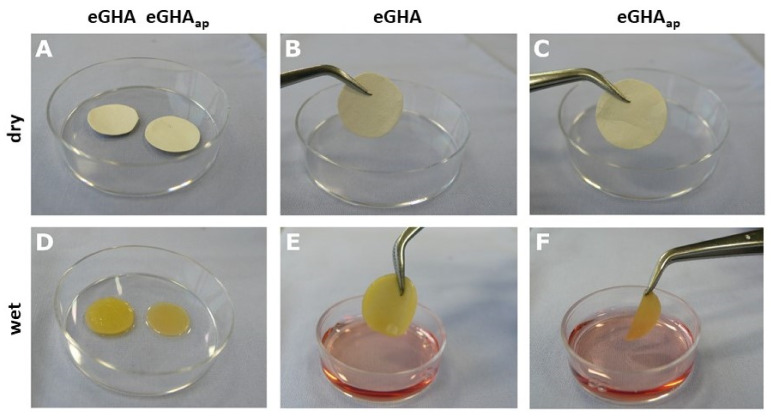
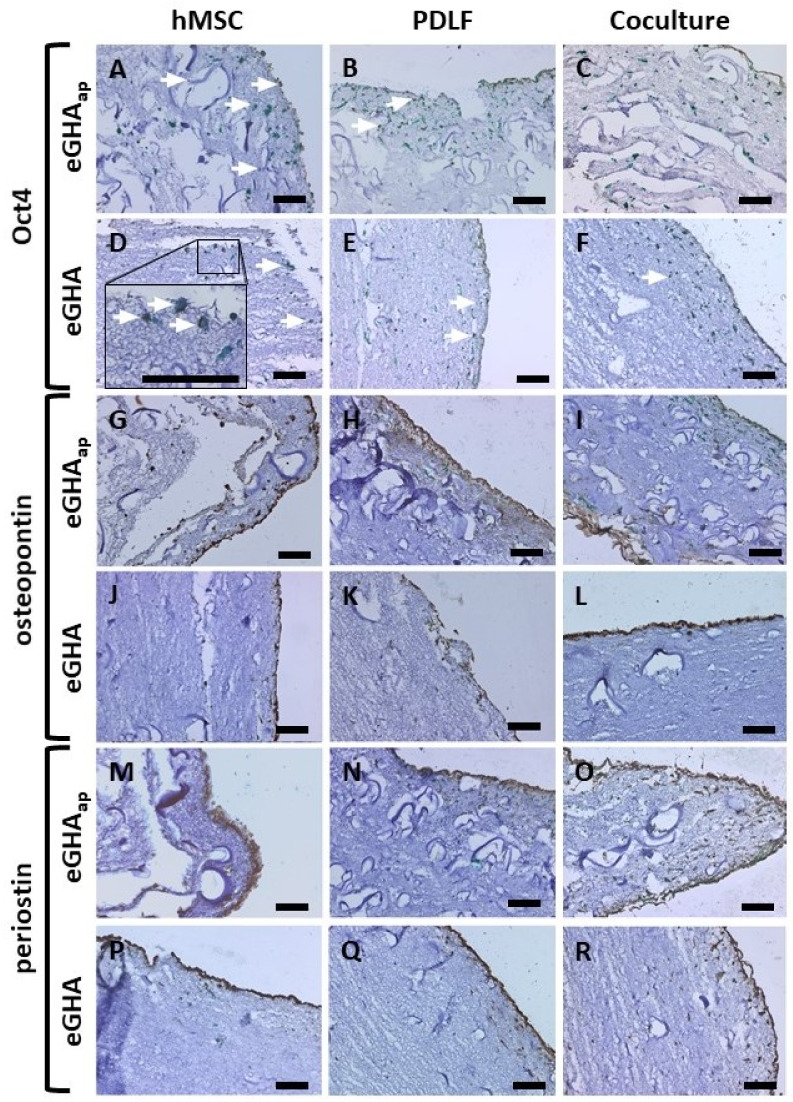
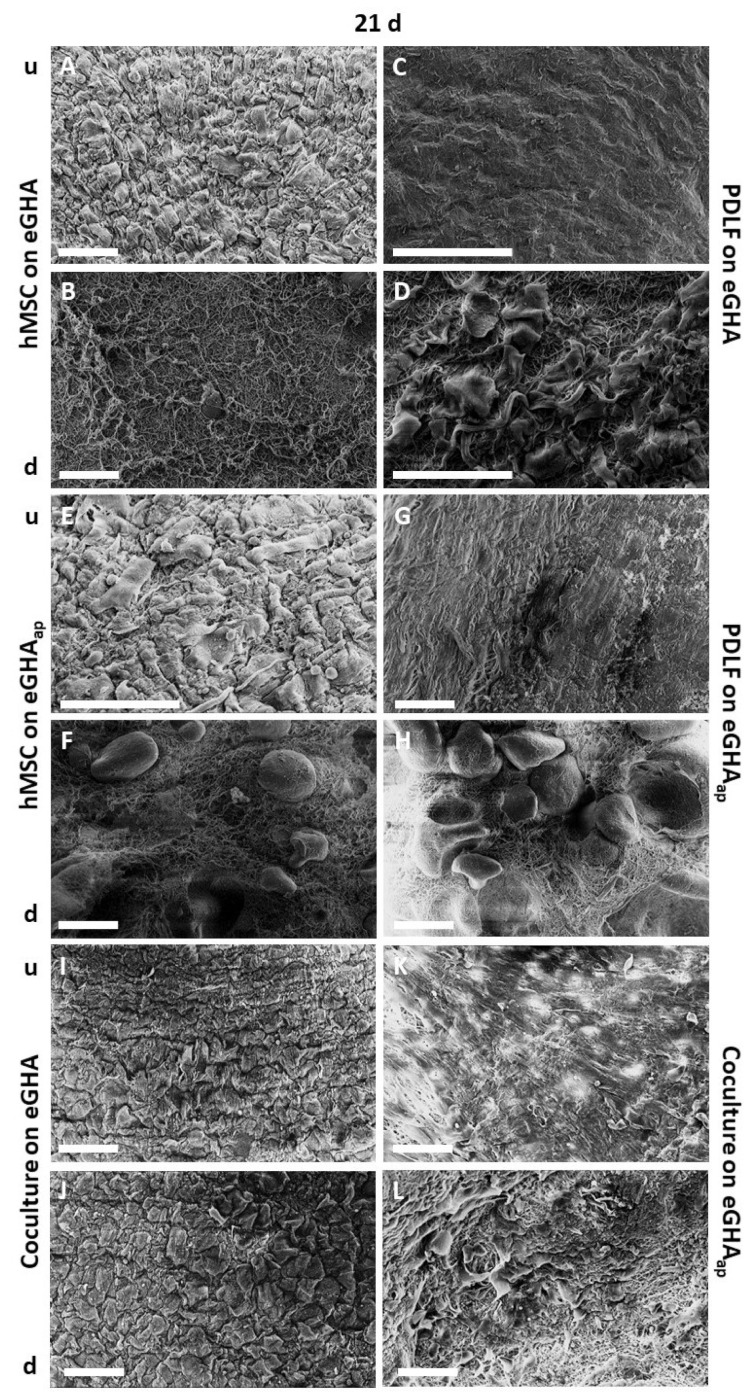
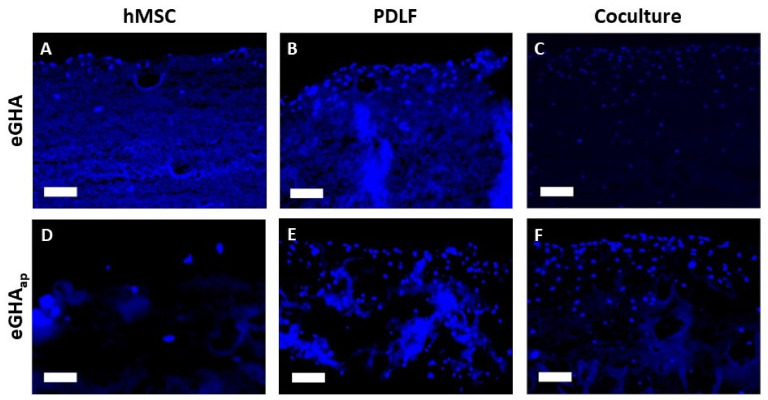
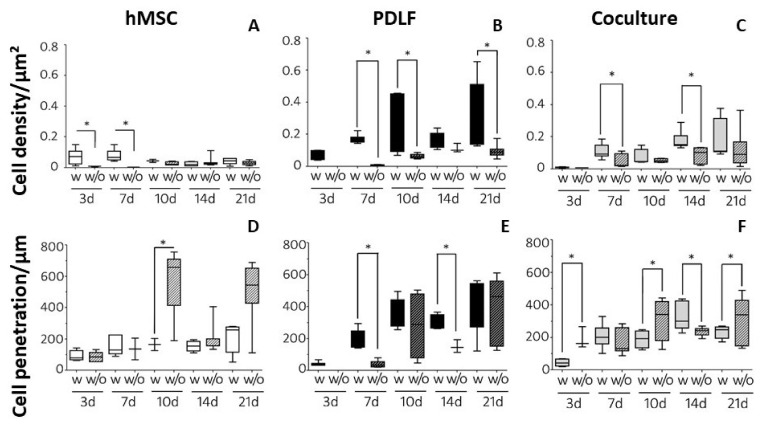
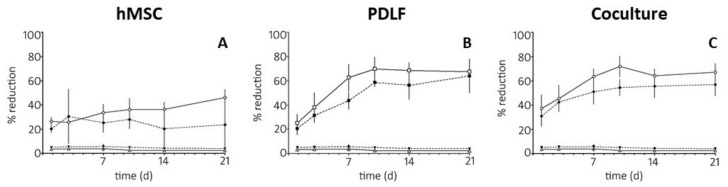
Periodontal diseases affect millions of people worldwide and can result in tooth loss. Regenerative treatment options for clinical use are thus needed. We aimed at developing new nonwoven-based scaffolds for periodontal tissue engineering. Nonwovens of 16% gelatin/5% hydroxyapatite were produced by electrospinning and in situ glyoxal cross-linking. In a subset of scaffolds, additional porosity was incorporated via extractable polyethylene glycol fibers. Cell colonization and penetration by human mesenchymal stem cells (hMSCs), periodontal ligament fibroblasts (PDLFs), or cocultures of both were visualized by scanning electron microscopy and 4',6-diamidin-2-phenylindole (DAPI) staining. Metabolic activity was assessed via Alamar Blue staining. Cell type and differentiation were analyzed by immunocytochemical staining of Oct4, osteopontin, and periostin. The electrospun nonwovens were efficiently populated by both hMSCs and PDLFs, while scaffolds with additional porosity harbored significantly more cells. The metabolic activity was higher for cocultures of hMSCs and PDLFs, or for PDLF-seeded scaffolds. Periostin and osteopontin expression was more pronounced in cocultures of hMSCs and PDLFs, whereas Oct4 staining was limited to hMSCs. These novel in situ-cross-linked electrospun nonwoven scaffolds allow for efficient adhesion and survival of hMSCs and PDLFs. Coordinated expression of differentiation markers was observed, which rendered this platform an interesting candidate for periodontal tissue engineering.
牙周疾病影响着全球数百万人,并可能导致牙齿脱落。因此,需要有临床可用的再生治疗方案。我们旨在开发用于牙周组织工程的新型非织造支架。通过静电纺丝和原位乙二醛交联制备了含16%明胶/5%羟基磷灰石的非织造材料。在一部分支架中,通过可提取的聚乙二醇纤维引入了额外的孔隙率。通过扫描电子显微镜和4',6-二脒基-2-苯基吲哚(DAPI)染色观察人间充质干细胞(hMSCs)、牙周膜成纤维细胞(PDLFs)或两者共培养物的细胞定植和穿透情况。通过Alamar Blue染色评估代谢活性。通过对Oct4、骨桥蛋白和骨膜蛋白进行免疫细胞化学染色分析细胞类型和分化情况。hMSCs和PDLFs都能有效地在静电纺非织造材料上生长,而具有额外孔隙率的支架容纳的细胞明显更多。hMSCs和PDLFs共培养物或接种PDLFs的支架的代谢活性更高。骨膜蛋白和骨桥蛋白的表达在hMSCs和PDLFs共培养物中更为明显,而Oct4染色仅限于hMSCs。这些新型的原位交联静电纺非织造支架能够使hMSCs和PDLFs有效黏附并存活。观察到分化标志物的协调表达,这使得该平台成为牙周组织工程的一个有吸引力的候选者。