McNamara Eileen H, Tucker Laura B, Liu Jiong, Fu Amanda H, Kim Yeonho, Vu Patricia A, McCabe Joseph T
Department of Anatomy, Physiology and Genetics, Uniformed Services University of the Health Sciences, Bethesda, MD, United States.
Pre-Clinical Studies Core, Center for Neuroscience and Regenerative Medicine, Henry M. Jackson Foundation, Bethesda, MD, United States.
Front Behav Neurosci. 2022 Jun 7;16:863195. doi: 10.3389/fnbeh.2022.863195. eCollection 2022.
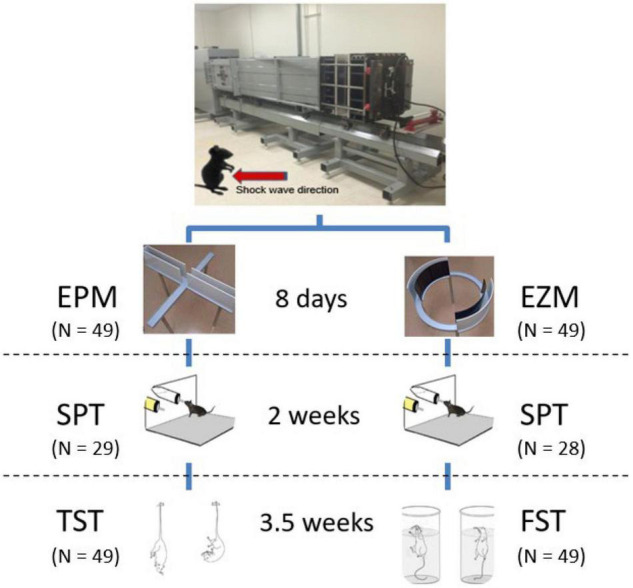
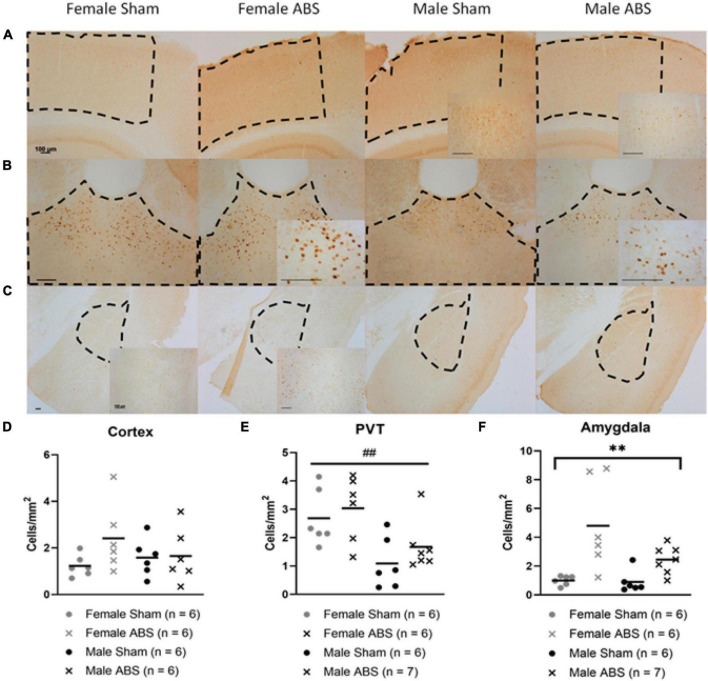
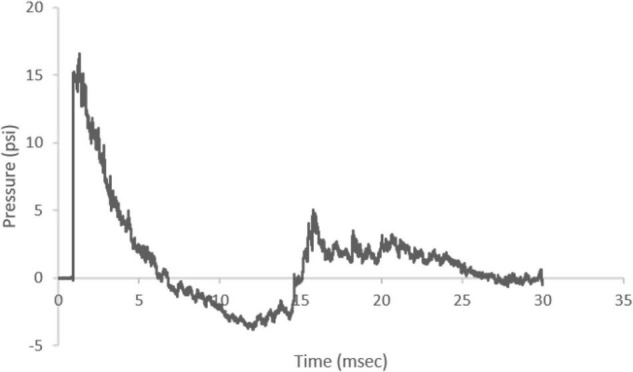
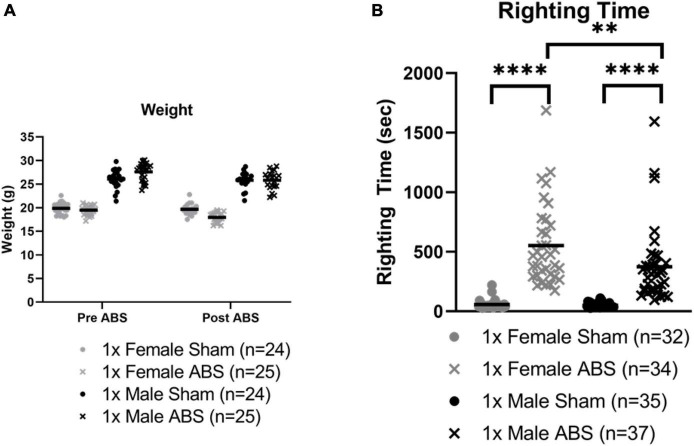
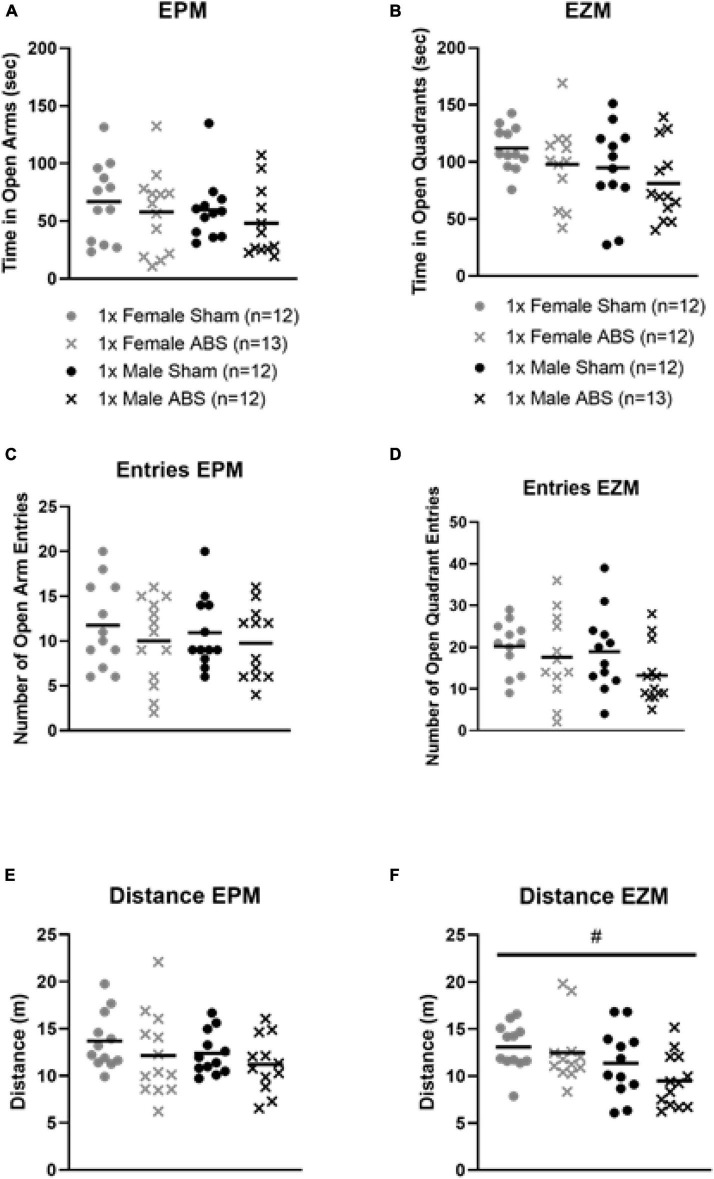
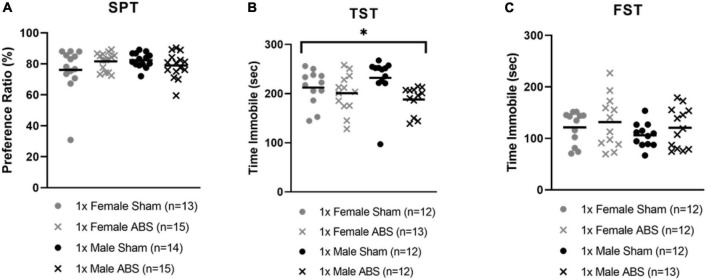
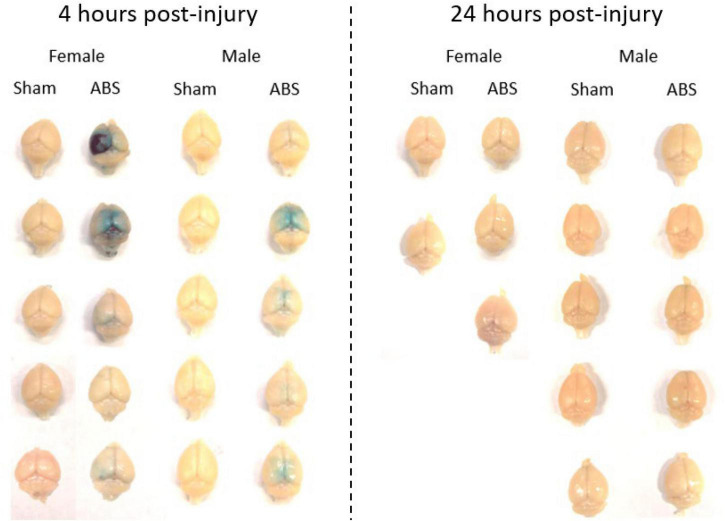
Blast traumatic brain injury (bTBI) presents a serious threat to military personnel and often results in psychiatric conditions related to limbic system dysfunction. In this study, the functional outcomes for anxiety- and depressive-like behaviors and neuronal activation were evaluated in male and female mice after exposure to an Advanced Blast Simulator (ABS) shock wave. Mice were placed in a ventrally exposed orientation inside of the ABS test section and received primary and tertiary shock wave insults of approximately 15 psi peak pressure. Evans blue staining indicated cases of blood-brain barrier breach in the superficial cerebral cortex four, but not 24 h after blast, but the severity was variable. Behavioral testing with the elevated plus maze (EPM) or elevated zero maze (EZM), sucrose preference test (SPT), and tail suspension test (TST) or forced swim test (FST) were conducted 8 days-3.5 weeks after shock wave exposure. There was a sex difference, but no injury effect, for distance travelled in the EZM where female mice travelled significantly farther than males. The SPT and FST did not indicate group differences; however, injured mice were less immobile than sham mice during the TST; possibly indicating more agitated behavior. In a separate cohort of animals, the expression of the immediate early gene, c-Fos, was detected 4 h after undergoing bTBI or sham procedures. No differences in c-Fos expression were found in the cerebral cortex, but female mice in general displayed enhanced c-Fos activation in the paraventricular nucleus of the thalamus (PVT) compared to male mice. In the amygdala, more c-Fos-positive cells were observed in injured animals compared to sham mice. The observed sex differences in the PVT and c-Fos activation in the amygdala may correlate with the reported hyperactivity of females post-injury. This study demonstrates, albeit with mild effects, behavioral and neuronal activation correlates in female rodents after blast injury that could be relevant to the incidence of increased post-traumatic stress disorder in women.
爆炸所致创伤性脑损伤(bTBI)对军事人员构成严重威胁,常导致与边缘系统功能障碍相关的精神疾病。在本研究中,对暴露于先进爆炸模拟器(ABS)冲击波后的雄性和雌性小鼠的焦虑样和抑郁样行为以及神经元激活的功能结局进行了评估。将小鼠以腹部暴露的姿势放置在ABS测试区内部,并接受峰值压力约为15 psi的一次和三次冲击波冲击。伊文思蓝染色显示,爆炸后4小时而非24小时,大脑浅表皮质出现血脑屏障破坏的情况,但严重程度各不相同。在冲击波暴露后8天至3.5周进行高架十字迷宫(EPM)或高架零迷宫(EZM)、蔗糖偏好试验(SPT)以及悬尾试验(TST)或强迫游泳试验(FST)等行为测试。在EZM中,雌性小鼠的行进距离显著长于雄性小鼠,存在性别差异,但无损伤效应。SPT和FST未显示出组间差异;然而,在TST期间,受伤小鼠的不动时间少于假手术小鼠;这可能表明其行为更为躁动。在另一组动物中,在接受bTBI或假手术程序4小时后检测即刻早期基因c-Fos的表达。在大脑皮质中未发现c-Fos表达存在差异,但与雄性小鼠相比,雌性小鼠总体上在丘脑室旁核(PVT)中表现出增强的c-Fos激活。在杏仁核中,与假手术小鼠相比,在受伤动物中观察到更多c-Fos阳性细胞。在PVT中观察到的性别差异以及杏仁核中c-Fos的激活可能与报道的雌性动物受伤后多动有关。本研究表明,尽管影响较轻,但爆炸伤后雌性啮齿动物的行为和神经元激活存在相关性,这可能与女性创伤后应激障碍发病率增加有关。