Departments of Physiology & Biophysics, University of California, Irvine, CA 92697, United States of America.
Medicine, School of Medicine, University of California, Irvine, CA 92697, United States of America.
Neurobiol Dis. 2022 Sep;171:105799. doi: 10.1016/j.nbd.2022.105799. Epub 2022 Jun 21.
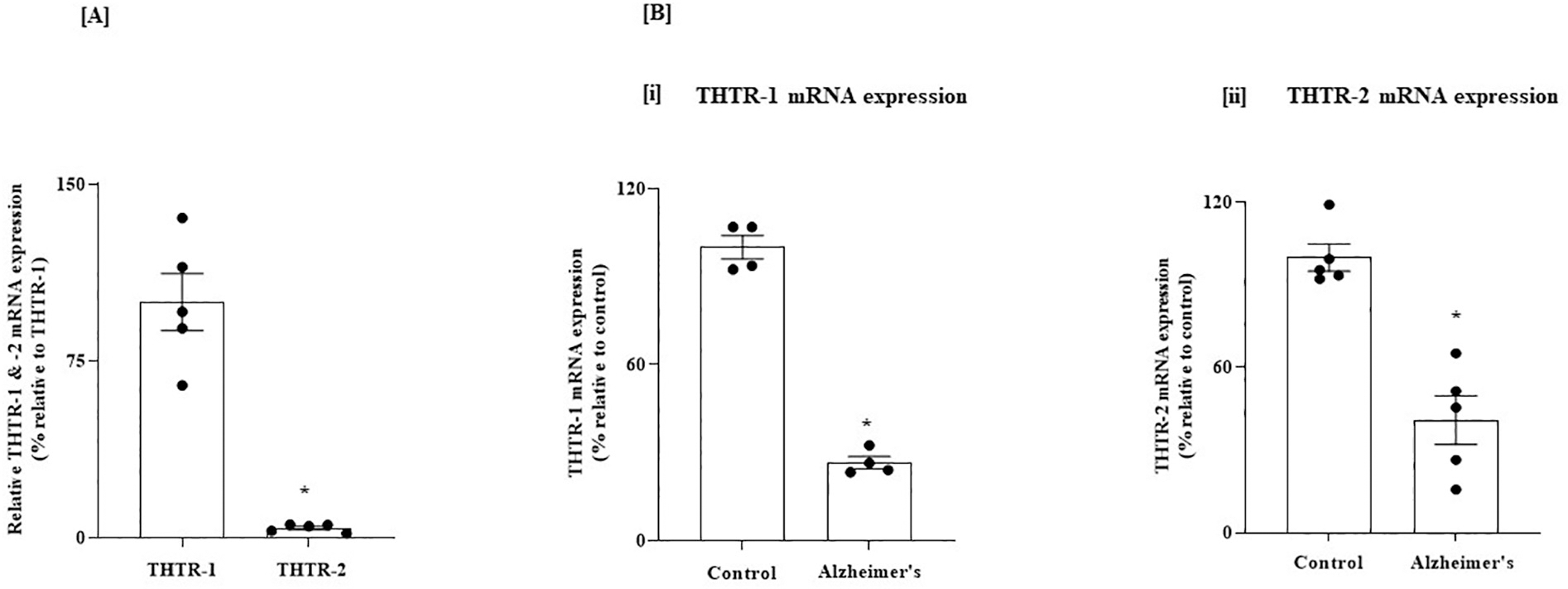
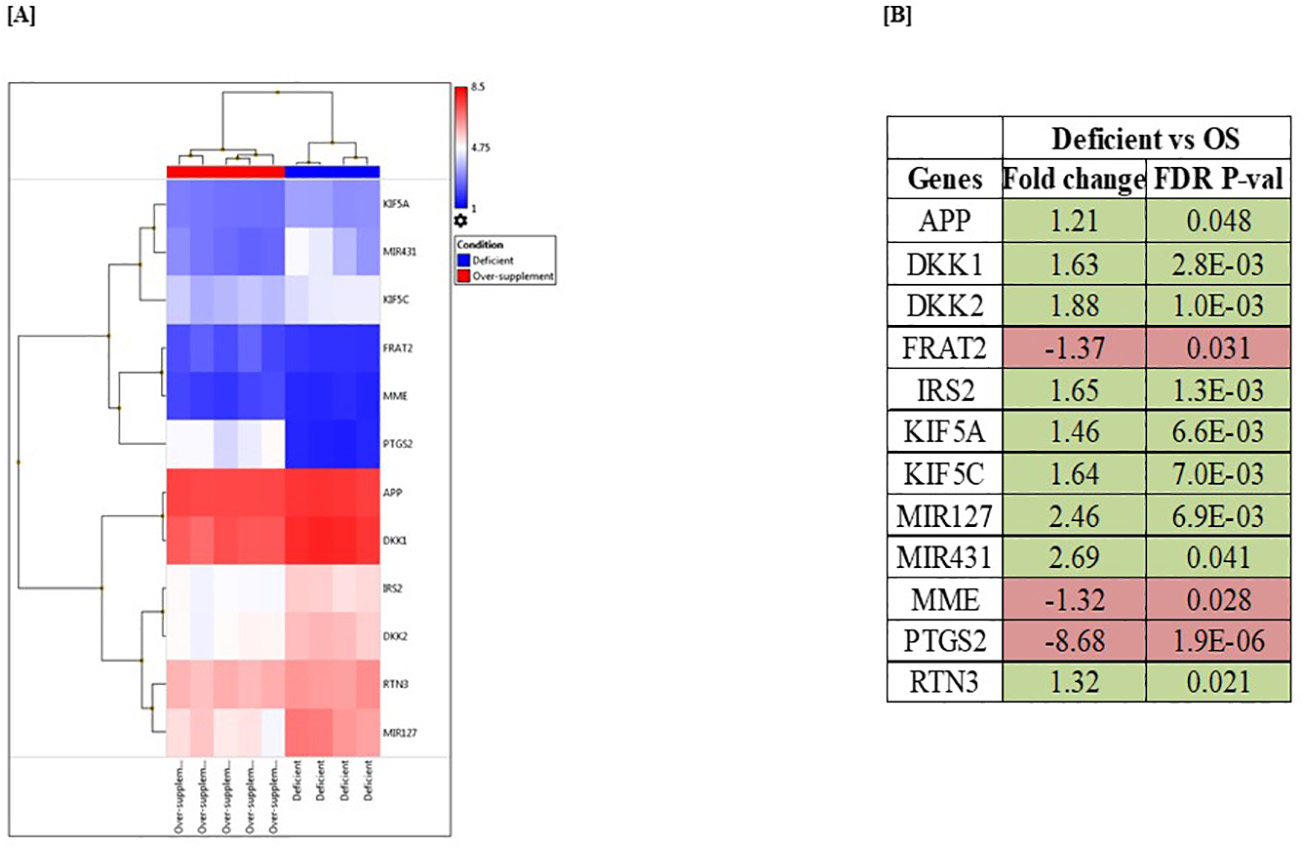
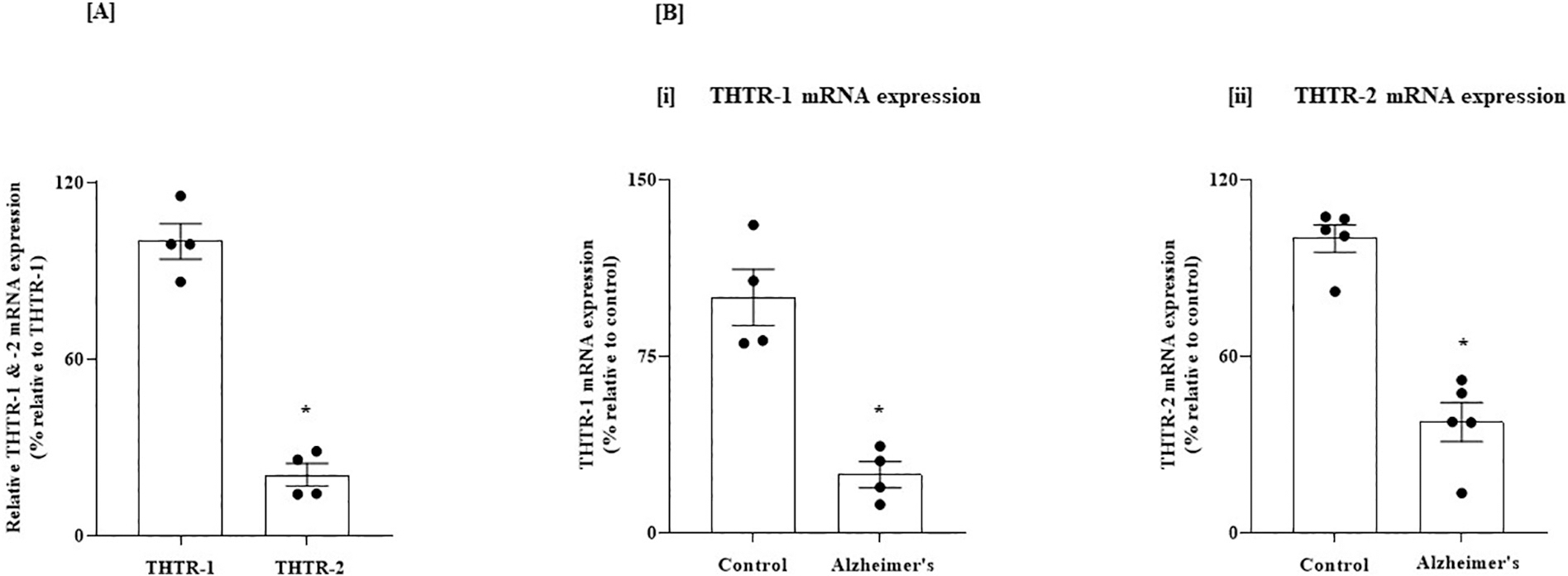
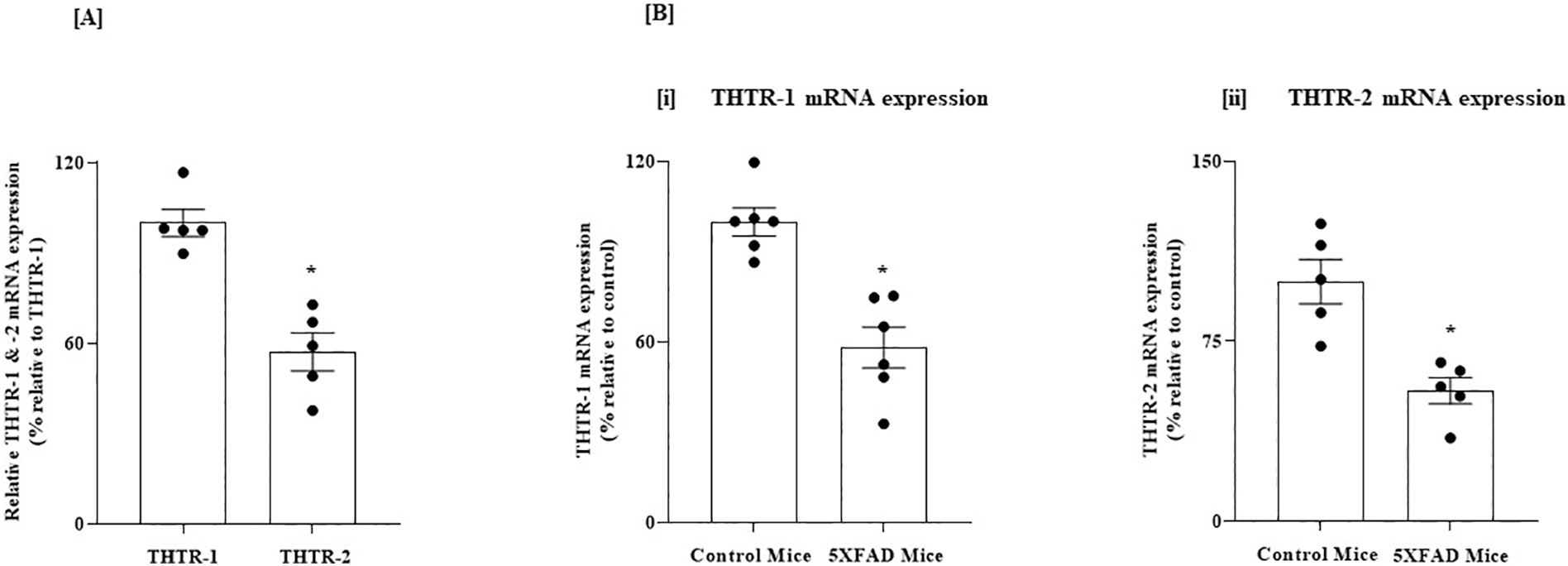
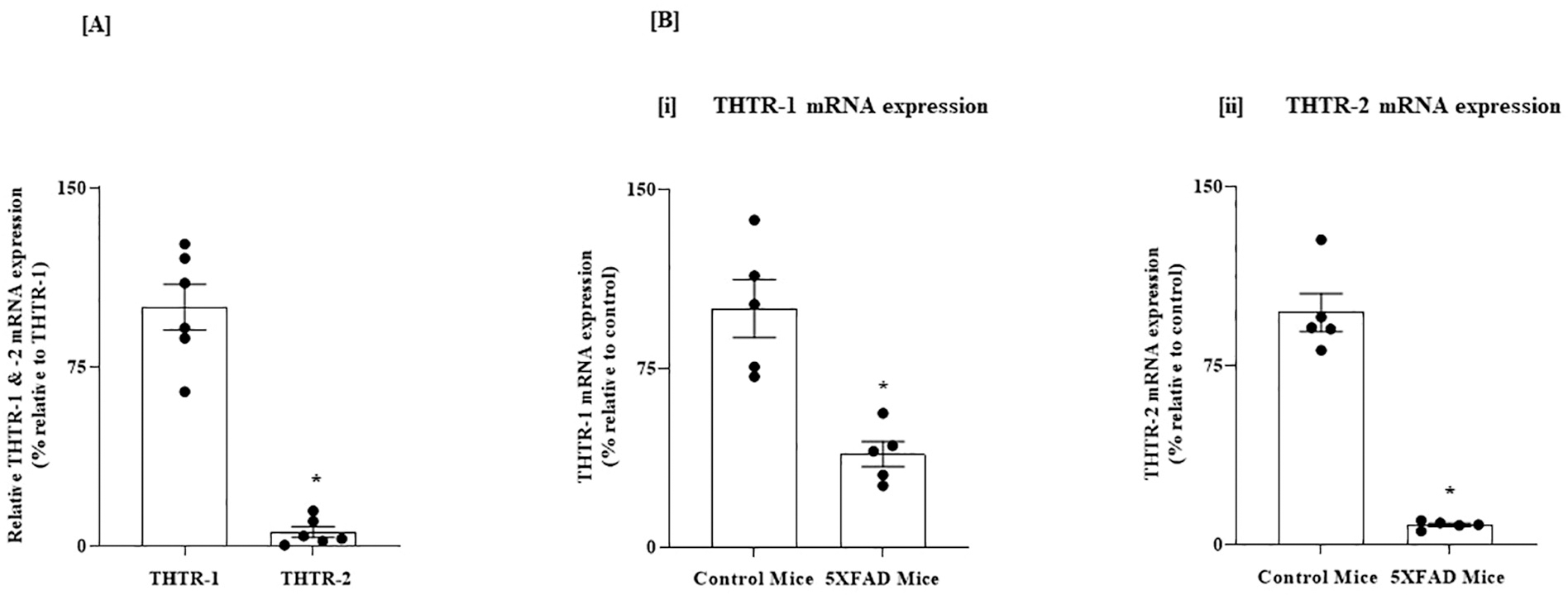
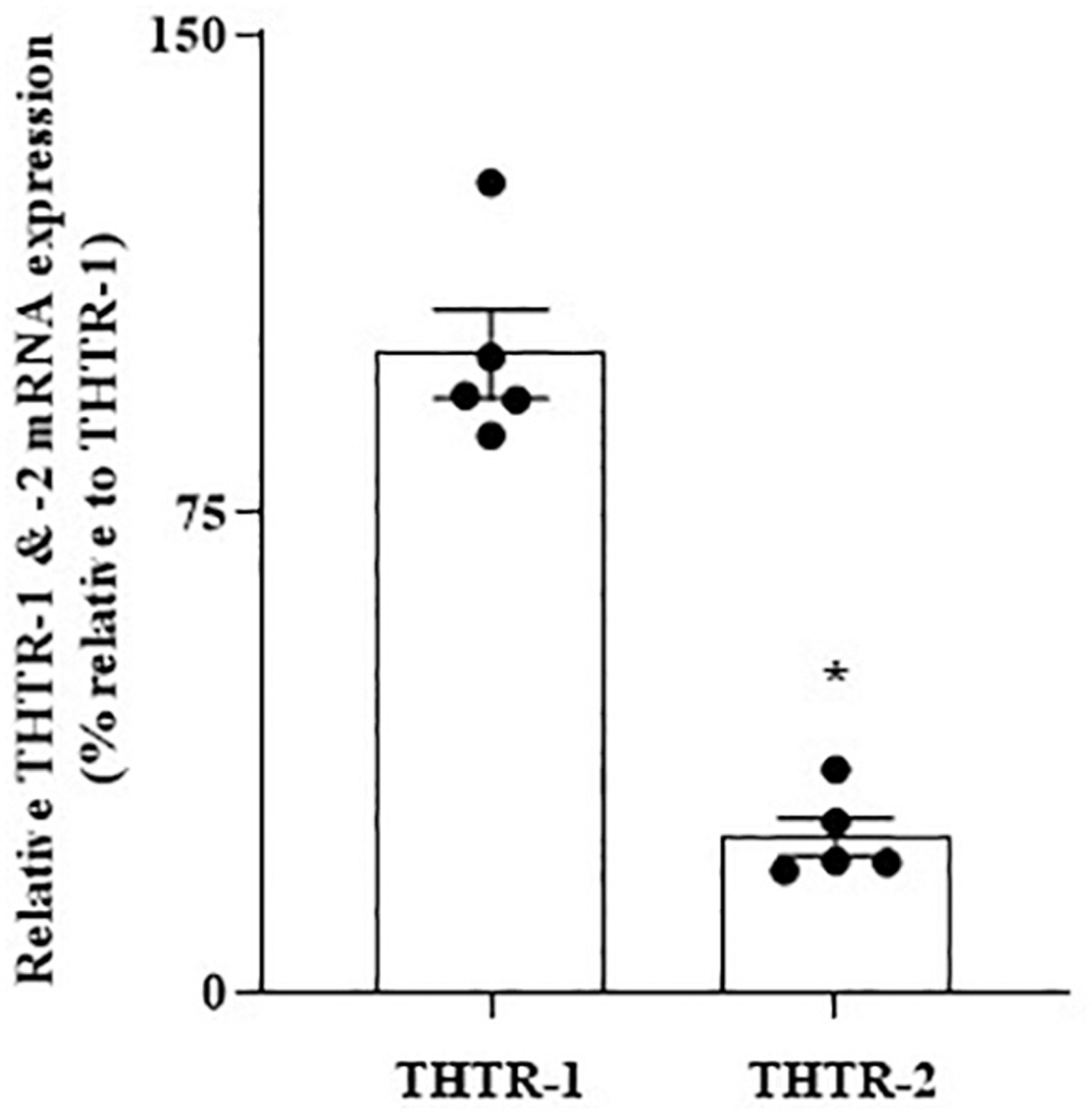
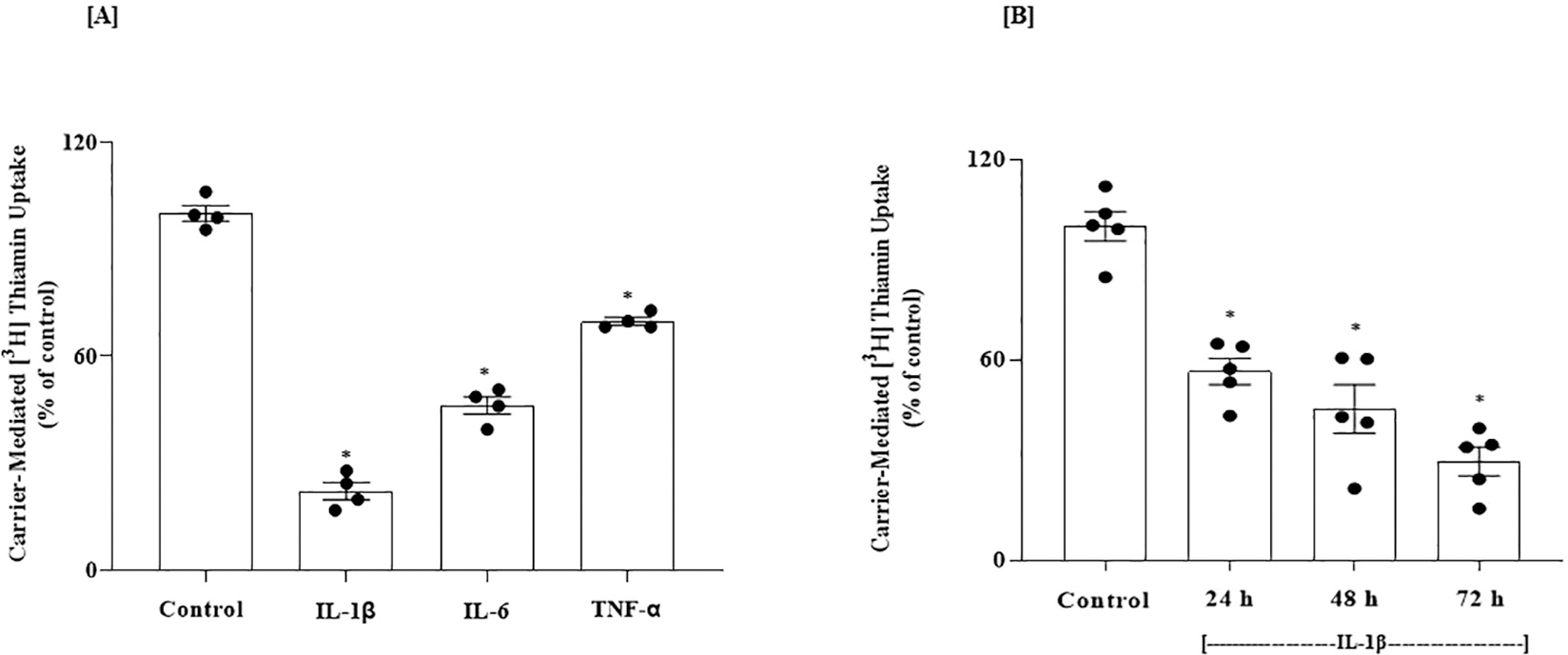
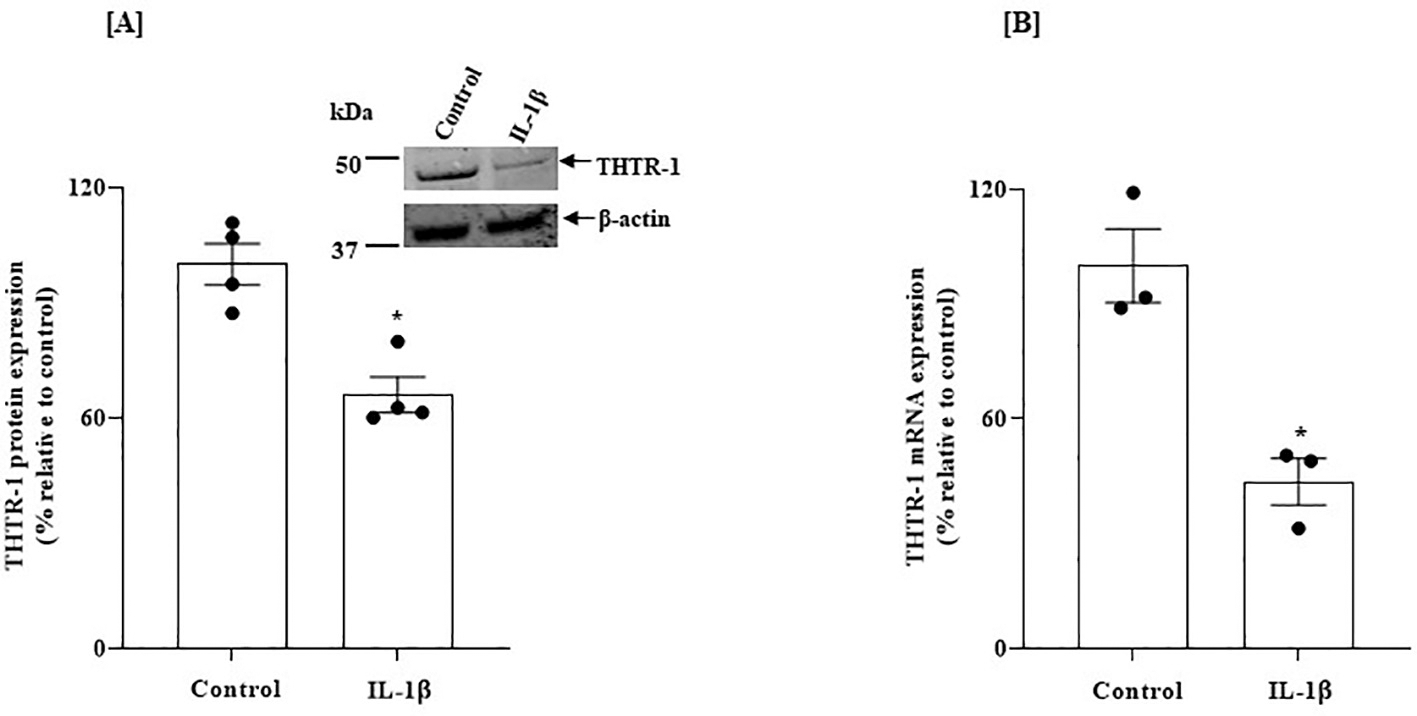
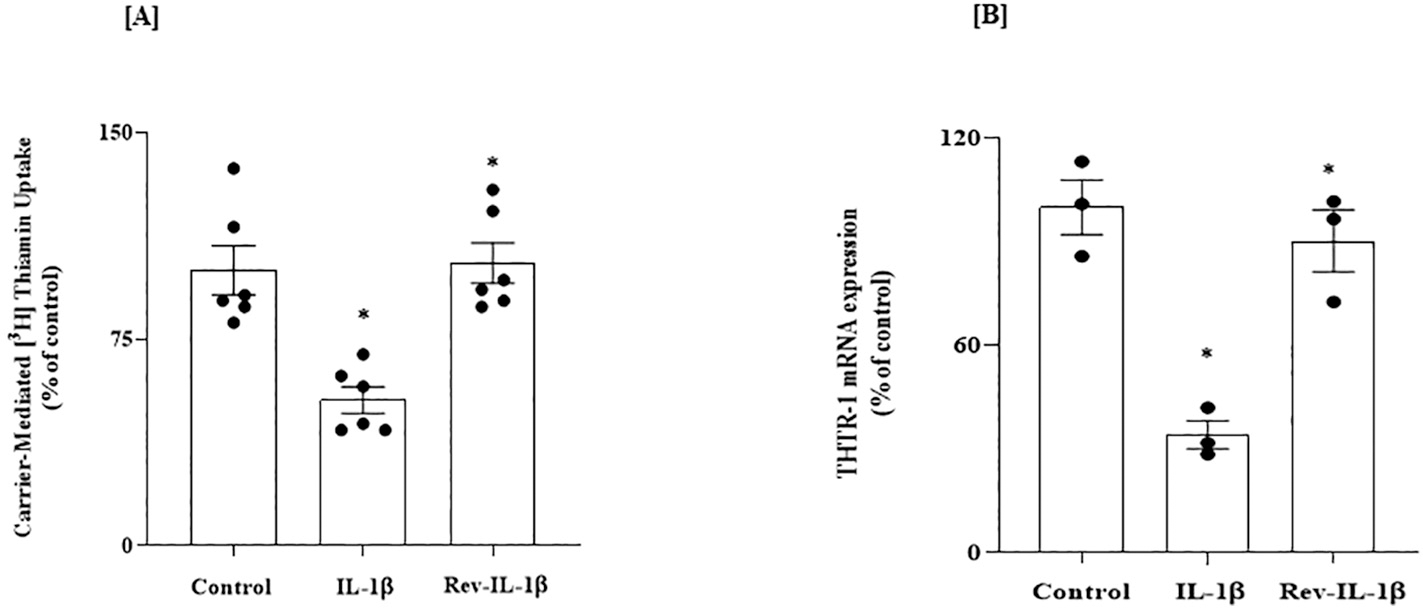
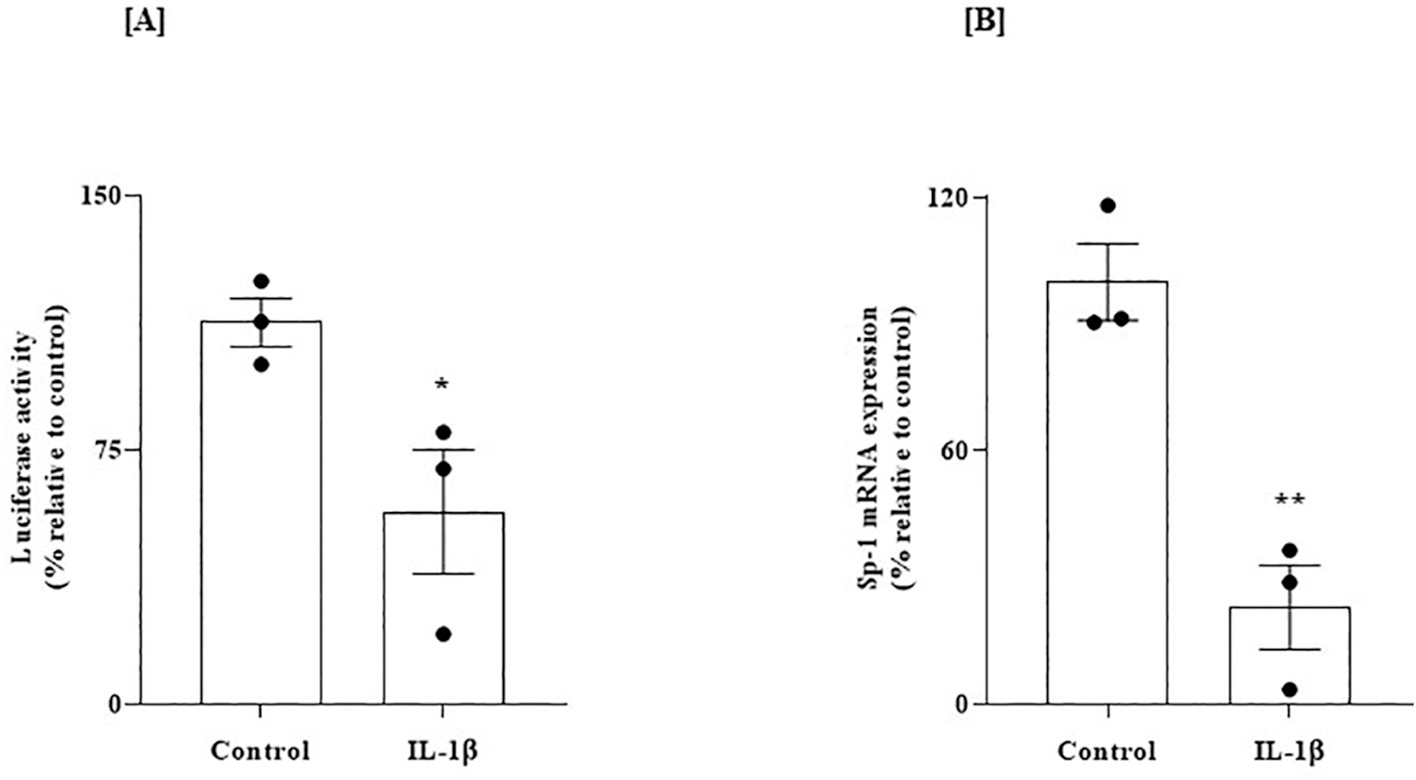
Alzheimer's disease (AD) is a neurodegenerative disease characterized by Amyloid-β peptide (Aβ) containing plaques and cognitive deficits. The pathophysiology of AD also involves neuroinflammation. Vitamin B1 (thiamin) is indispensable for normal cellular energy metabolism. Thiamin homeostasis is altered in AD, and its deficiency is known to aggravate AD pathology. Little, however, is known about possible alterations in level of expression of thiamin transporters-1 and -2 (THTR-1 and -2) in the brain of AD, and whether pro-inflammatory cytokines affect thiamin uptake by brain cells. We addressed these issues using brain tissue samples [prefrontal cortex (PFC) and hippocampus (HIP)] from AD patients and from 5XFAD mouse model of AD, together with cultured human neuroblastoma SH-SY5Y cells as model. Our results revealed a significantly lower expression of both THTR-1 and THTR-2 in the PFC and HIP of AD patients and 5XFAD mouse model of AD compared to appropriate normal controls. Further, we found that exposure of the SH-SY5Y cells to pro-inflammatory cytokines (IL-1β, IL-6, and TNF-α) led to a significant inhibition in thiamin uptake. Focusing on IL-1β, we found the inhibition in thiamin uptake to be time-dependent and reversible; it was also associated with a substantial reduction in expression of THTR-1 (but not THTR-2) protein and mRNA as well as a decrease in promoter activity of the SLC19A2 gene (which encodes THTR-1). Finally, using transcriptomic analysis, we found that thiamin availability in SH-SY5Y cells caused changes in the expression of genes relevant to AD pathways. These studies demonstrate, for the first time, that thiamin transport physiology/molecular biology parameters are negatively impacted in AD brain and that pro-inflammatory cytokines inhibit thiamin uptake by neuroblastoma cells. The results also support a possible role for thiamin in the pathophysiology of AD.
阿尔茨海默病(AD)是一种神经退行性疾病,其特征是含有淀粉样β肽(Aβ)的斑块和认知缺陷。AD 的病理生理学还涉及神经炎症。维生素 B1(硫胺素)是正常细胞能量代谢所必需的。AD 中硫胺素的动态平衡发生改变,已知其缺乏会加重 AD 病理学。然而,关于 AD 大脑中硫胺素转运体-1 和 -2(THTR-1 和 -2)的表达水平可能发生的变化,以及促炎细胞因子是否影响脑细胞对硫胺素的摄取,人们知之甚少。我们使用 AD 患者和 5XFAD 小鼠模型的脑组织样本(前额叶皮层(PFC)和海马体(HIP))以及培养的人神经母细胞瘤 SH-SY5Y 细胞作为模型,解决了这些问题。我们的结果表明,与适当的正常对照组相比,AD 患者和 5XFAD 小鼠模型的 PFC 和 HIP 中,THTR-1 和 THTR-2 的表达均显著降低。此外,我们发现,促炎细胞因子(IL-1β、IL-6 和 TNF-α)暴露于 SH-SY5Y 细胞中会导致硫胺素摄取显著抑制。专注于 IL-1β,我们发现硫胺素摄取的抑制是时间依赖性和可逆转的;它还与 THTR-1(而不是 THTR-2)蛋白和 mRNA 的表达显著降低以及 SLC19A2 基因(编码 THTR-1)的启动子活性降低有关。最后,通过转录组分析,我们发现 SH-SY5Y 细胞中硫胺素的可用性导致与 AD 途径相关的基因表达发生变化。这些研究首次表明,AD 大脑中的硫胺素转运生理/分子生物学参数受到负面影响,促炎细胞因子抑制神经母细胞瘤细胞对硫胺素的摄取。结果还支持硫胺素在 AD 病理生理学中的可能作用。