Shi Mengke, Qi Li, He Li-Sheng
Institute of Deep-sea Science and Engineering, Chinese Academy of Sciences, Sanya, China.
University of Chinese Academy of Sciences, Beijing, China.
Front Genet. 2022 Jun 8;13:854009. doi: 10.3389/fgene.2022.854009. eCollection 2022.
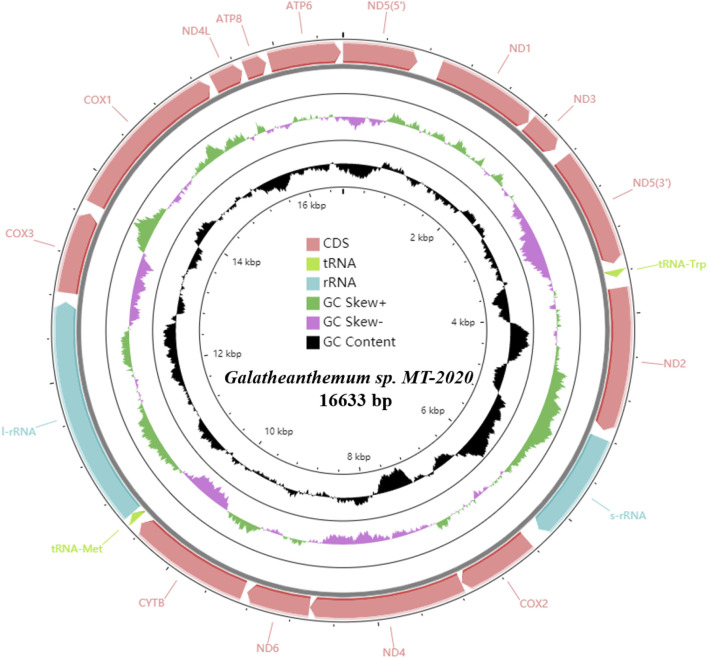
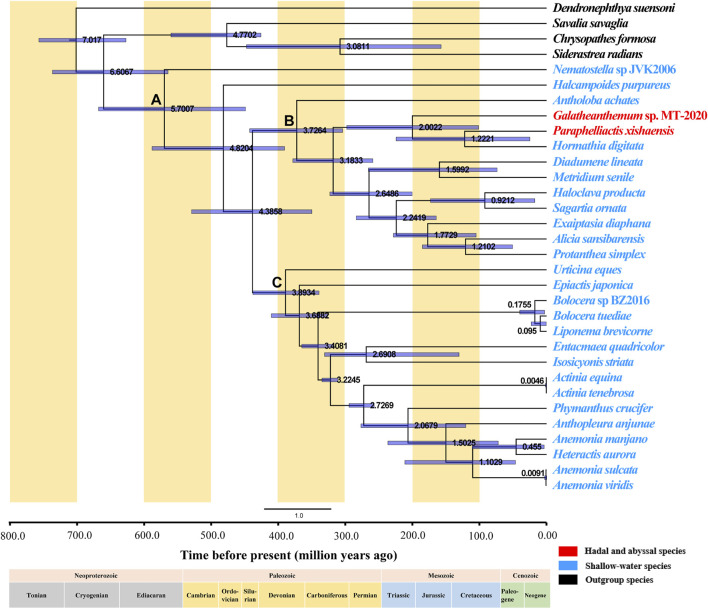
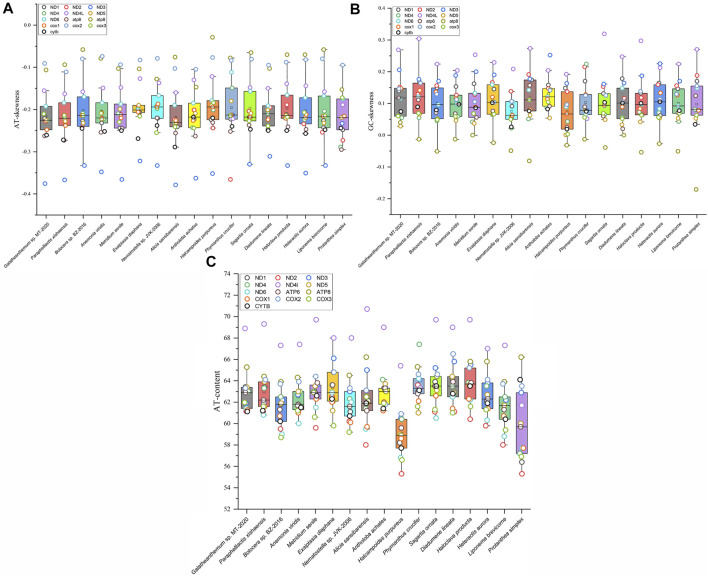
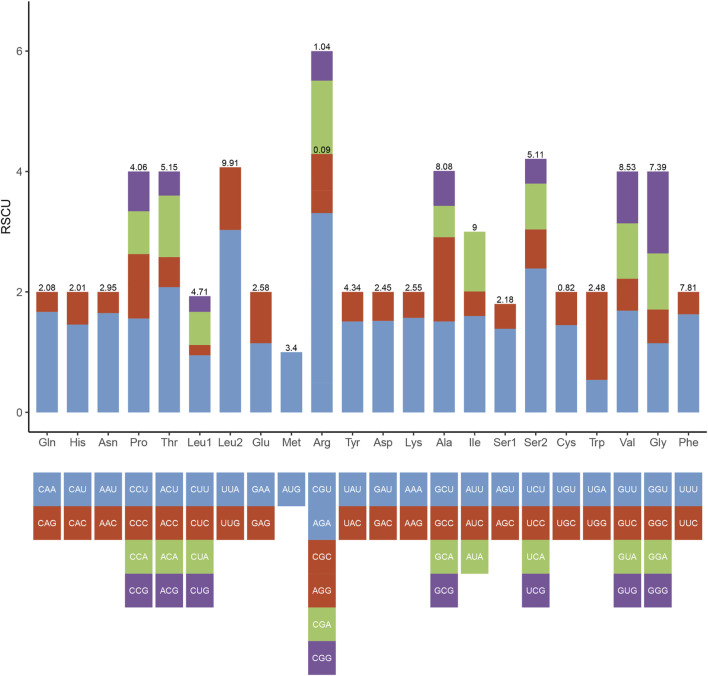
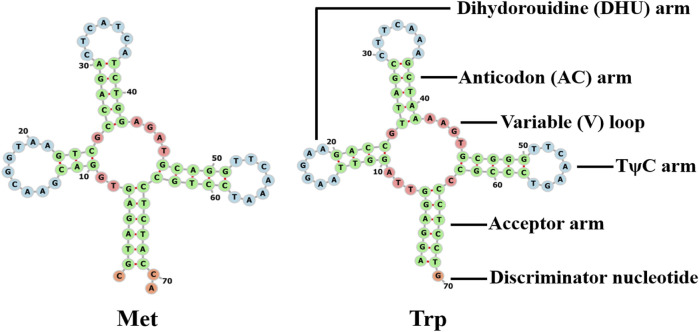
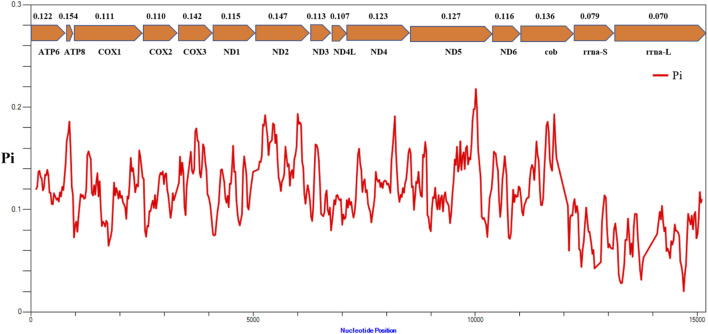
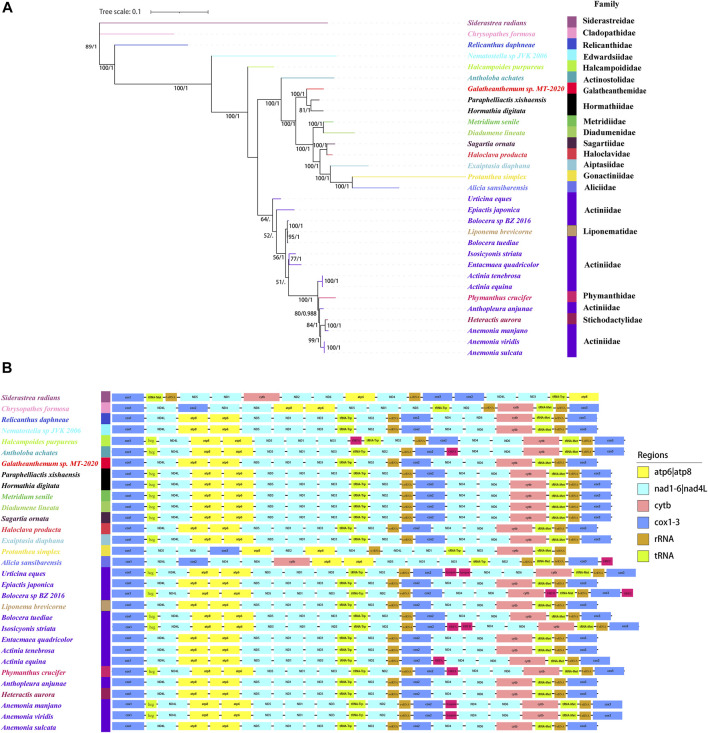
The hadal zone, which represents the deepest marine habitat on Earth (6,000-11,000 m), is a harsh environment mainly characterized by extremely high hydrostatic pressure, and this habitat is believed to have a high degree of endemism. The deep-sea anemone family Galatheanthemidae comprises two valid species exclusively from the hadal; however, no other information about this family is currently available. In the present study, a sea anemone was collected from a depth of 9,462 m at the Mariana Trench and was defined as sp. MT-2020 (Actiniaria Galatheanthemidae). The mitochondrial genome of sp. MT-2020 was circular, was 16,633 bp in length, and contained two ribosomal RNA genes, 13 protein-coding genes and two transfer RNA genes. The order of the genes of sp. MT-2020 was identical to that of the majority of the species of the order Actiniaria. The value of the AT-skew was the lowest in the whole mitochondrial genome, with a positive GC skew value for the atp8 gene, while other species, except , had the negative values of the GC skew. sp. MT-2020 was clustered with another abyssal species, in the phylogenetic tree, and these species diverged in the early Jurassic approximately 200 Mya from the shallow-sea species. The usage ratio of valine, which is one of the five amino acids with the strongest barophilic properties, in the mitochondrial genomes of the two abyssal species was significantly higher than that in other species with habitats above the depth of 3,000 m. The ω (dN/dS) ratio of the genomes was 2.45-fold higher than that of the shallow-sea species, indicating a slower evolutionary rate. Overall, the present study is the first to provide a complete mitogenome of sea anemones from the hadal and reveal some characteristics that may be associated with adaptation to an extreme environment.
超深渊带是地球上最深的海洋栖息地(6000 - 11000米),环境恶劣,主要特征是静水压力极高,且该栖息地被认为具有高度的特有性。深海海葵科Galatheanthemidae仅包含两个有效的、仅来自超深渊带的物种;然而,目前尚无关于该科的其他信息。在本研究中,从马里亚纳海沟9462米深处采集到一只海葵,并将其定义为sp. MT - 2020(海葵目Galatheanthemidae)。sp. MT - 2020的线粒体基因组呈环状,长度为16633 bp,包含两个核糖体RNA基因、13个蛋白质编码基因和两个转运RNA基因。sp. MT - 2020的基因顺序与海葵目大多数物种的基因顺序相同。在整个线粒体基因组中,AT偏斜值最低,atp8基因的GC偏斜值为正,而除[此处缺失的物种名称]外的其他物种,GC偏斜值为负。在系统发育树中,sp. MT - 2020与另一个深渊物种[此处缺失的物种名称]聚类,这些物种在大约2亿年前的早侏罗世与浅海物种分化。在这两个深渊物种的线粒体基因组中,缬氨酸(五种嗜压性最强的氨基酸之一)的使用比例显著高于其他栖息地深度在3000米以上的物种。这些基因组的ω(dN/dS)比值比浅海物种高2.45倍,表明进化速度较慢。总体而言,本研究首次提供了来自超深渊带海葵的完整线粒体基因组,并揭示了一些可能与适应极端环境相关的特征。