EGA Institute for Women's Health, University College London, London, UK.
Institute of Education, University College London, London, UK.
Womens Health (Lond). 2022 Jan-Dec;18:17455057221106890. doi: 10.1177/17455057221106890.
Women are not usually taught about the menopause formally, and many general practitioners have relatively little training. The aim of this study was to explore perimenopausal women's attitudes and knowledge of the menopause.
An online survey was designed to evaluate attitudes and knowledge of the menopause in women older than 40 years. The survey was generated with Qualtrics XM and promoted via social media. In all, 3150 women started the survey. In this study, data from 947 perimenopausal women were analysed.
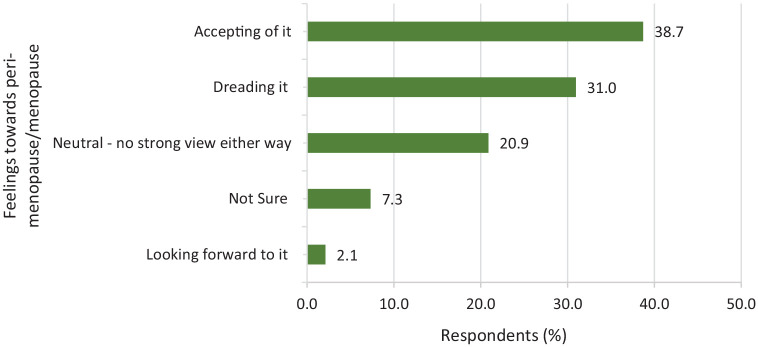
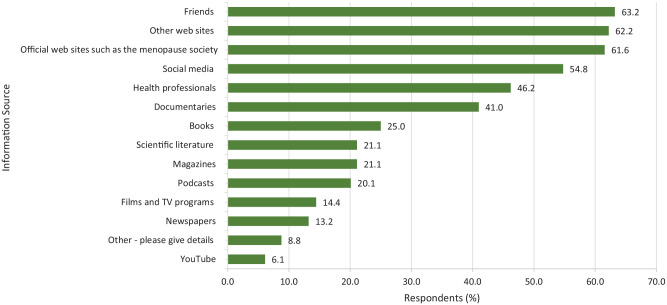
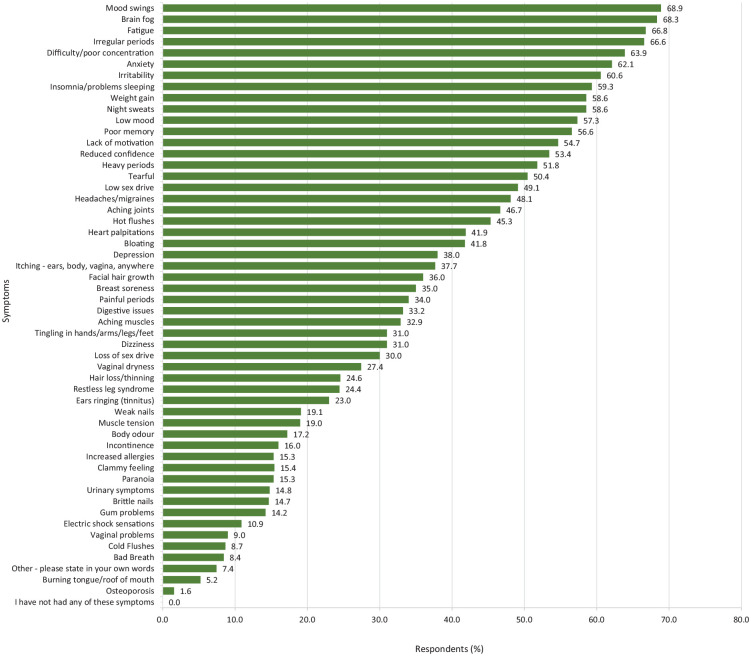
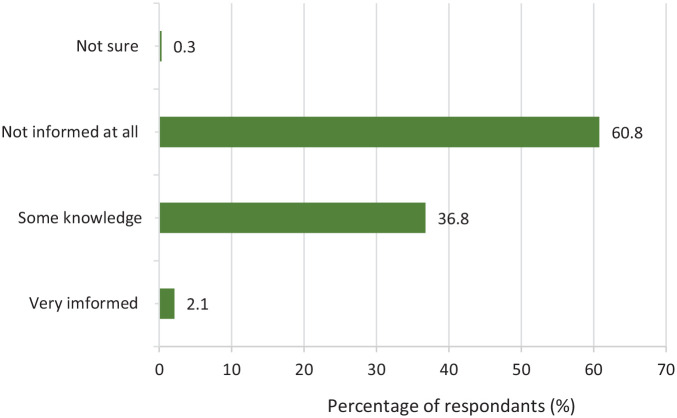
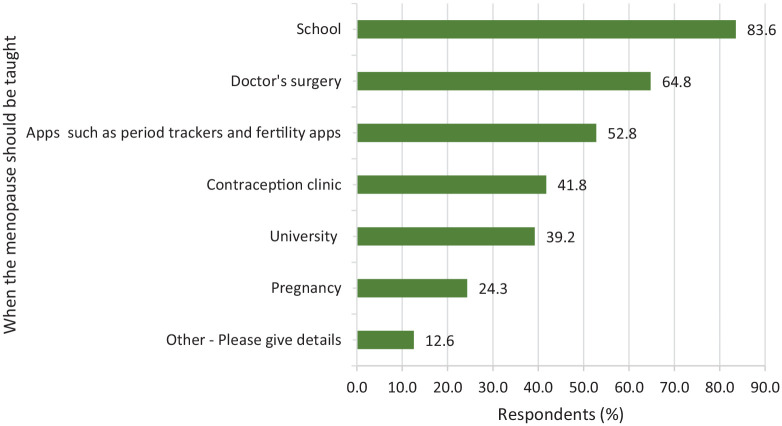
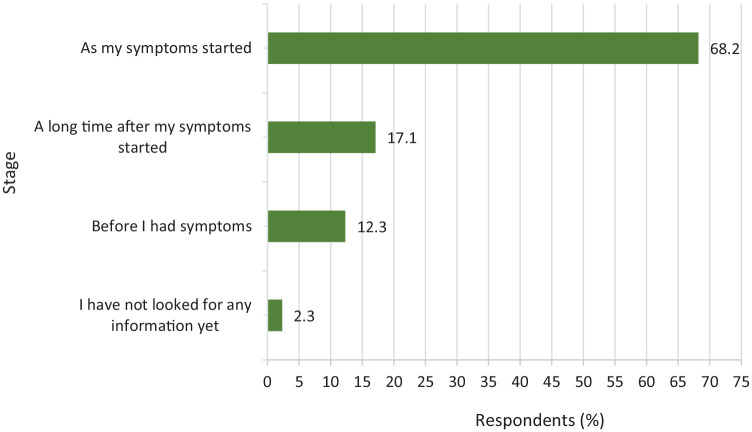
Regarding women's attitudes to the menopause, 38.8% were accepting of it but more than 30% were dreading it. The women had experienced a number of menopause symptoms including mood swings (68.9%), brain fog (68.3%), and fatigue (66.8%). More than 90% of women had never been taught about the menopause at school, and more than 60% did not feel informed at all about the menopause. School was thought to be the best place for menopause education to start (83.6%). In all, 68.2% of women had only looked for information about the menopause as their symptoms started and they had talked to friends and used a variety of websites to look for information. When asked for their free-text views on the menopause, thematic analysis produced four themes: the overarching knowledge gap, the onset and impact of symptoms, perimenopause: the hidden phenomenon, and managing symptoms: differing schools of thought.
Lack of education for women and their general practitioners is causing perimenopausal women to go through this important stage in their lives with a lack of knowledge and appropriate medical care. It is essential that women are taught about the menopause, from school onwards and that we offer health professionals appropriate training starting from the medical school curriculum.
女性通常没有接受过关于更年期的正式教育,许多全科医生的相关培训也相对较少。本研究旨在探讨围绝经期女性对更年期的态度和认知。
设计了一项在线调查,以评估 40 岁以上女性对更年期的态度和认知。该调查使用 Qualtrics XM 生成,并通过社交媒体进行推广。共有 3150 名女性开始了这项调查。本研究分析了 947 名围绝经期女性的数据。
在女性对更年期的态度方面,38.8%的女性能够接受,但仍有超过 30%的女性对此感到恐惧。这些女性经历了许多更年期症状,包括情绪波动(68.9%)、大脑雾感(68.3%)和疲劳(66.8%)。超过 90%的女性在学校从未接受过关于更年期的教育,超过 60%的女性对更年期完全不了解。超过 80%的女性认为学校是开始更年期教育的最佳场所。总的来说,68.2%的女性只有在出现症状时才开始寻找关于更年期的信息,她们会与朋友交流,并使用各种网站来寻找信息。当被问及对更年期的自由文本看法时,主题分析产生了四个主题:普遍存在的知识差距、症状的出现和影响、围绝经期:隐藏的现象以及管理症状:不同的思路。
女性及其全科医生缺乏教育,导致围绝经期女性在缺乏知识和适当医疗护理的情况下度过这一重要阶段。从学校开始,对女性进行关于更年期的教育,并为从医学院课程开始的医疗专业人员提供适当的培训至关重要。