Erasmus MC Transplant Institute, Department of Internal Medicine, University Medical Center Rotterdam, Rotterdam, The Netherlands.
Biomedical Engineering & Physics, Laboratory Experimental Clinical Chemistry, Vesicle Observation Center, Amsterdam UMC, University of Amsterdam, Amsterdam, The Netherlands.
Commun Biol. 2022 Jun 29;5(1):633. doi: 10.1038/s42003-022-03569-5.
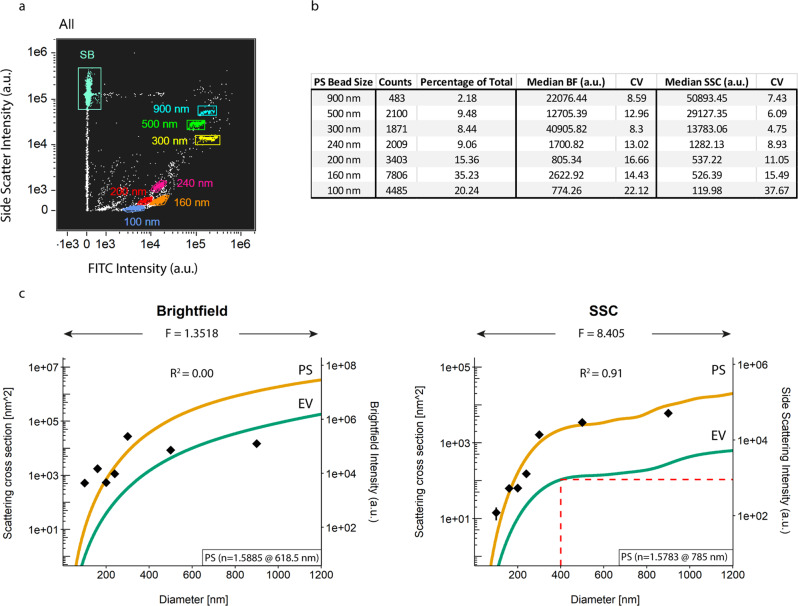
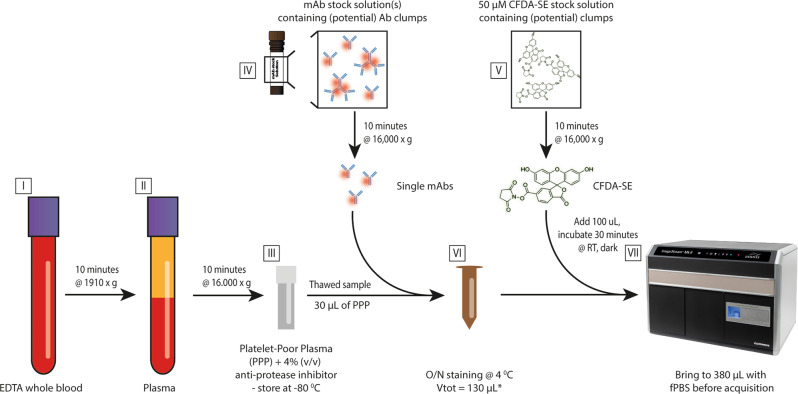
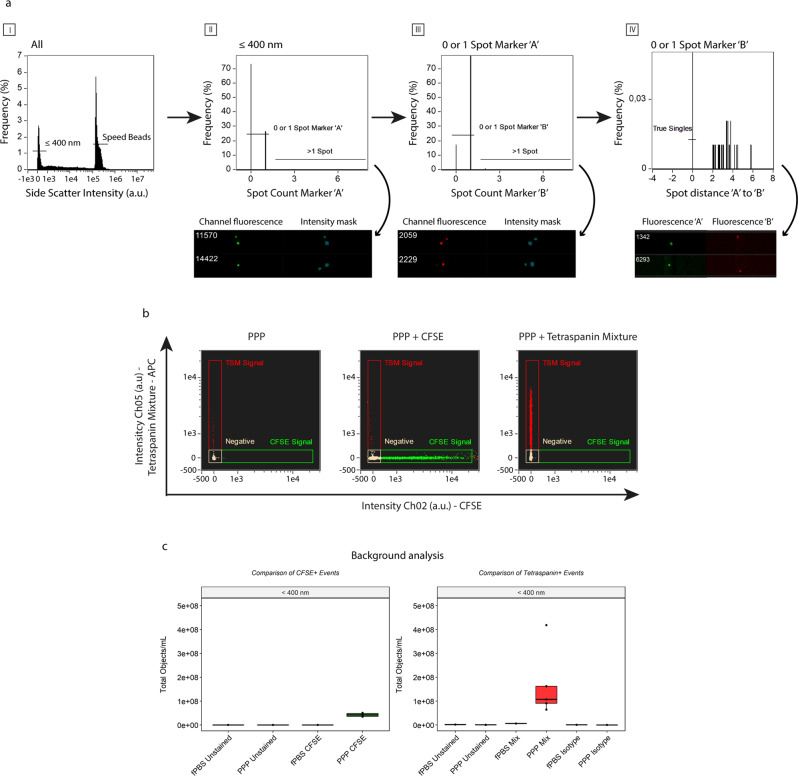
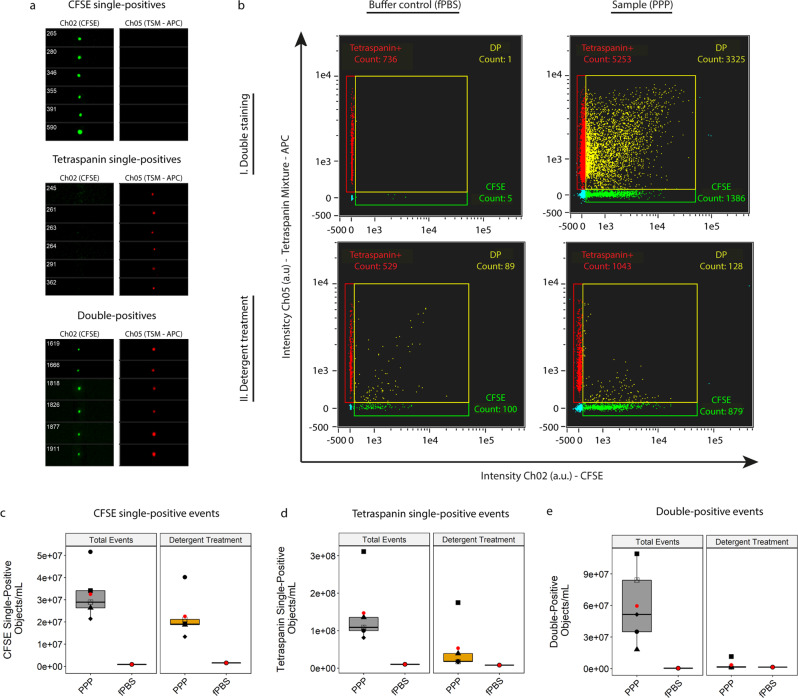
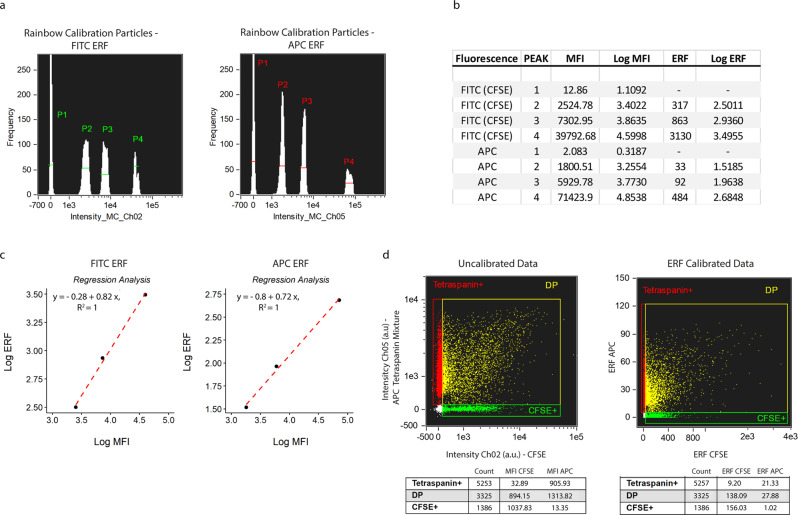
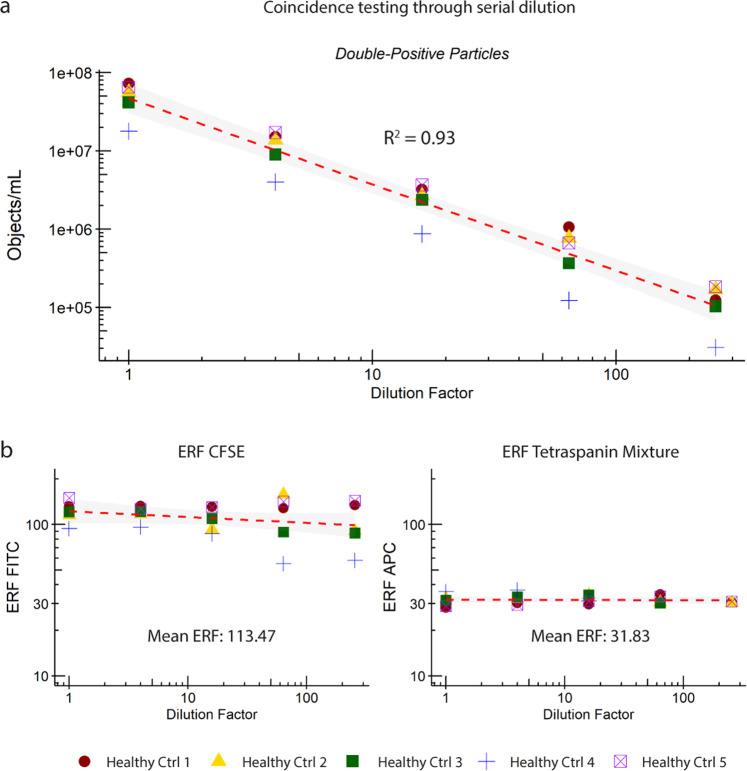
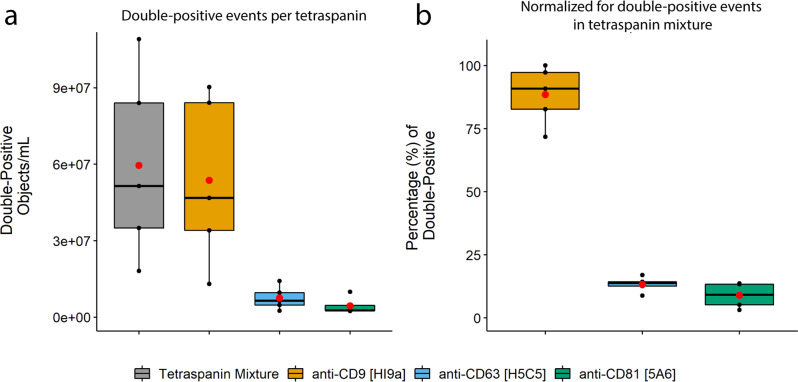
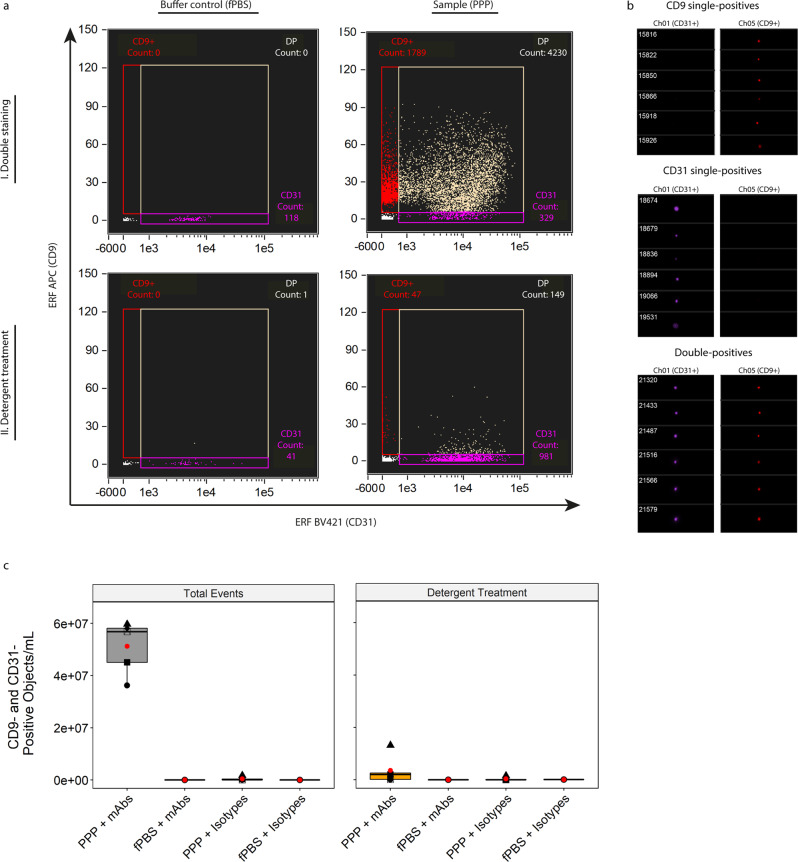
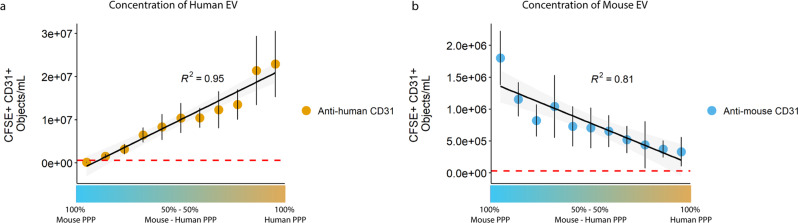
Extracellular vesicles (EVs) are tissue-specific particles released by cells containing valuable diagnostic information in the form of various biomolecules. To rule out selection bias or introduction of artefacts caused by EV isolation techniques, we present a clinically feasible, imaging flow cytometry (IFCM)-based methodology to phenotype and determine the concentration of EVs with a diameter ≤400 nm in human platelet-poor plasma (PPP) without prior isolation of EVs. Instrument calibration (both size and fluorescence) were performed with commercial polystyrene beads. Detergent treatment of EVs was performed to discriminate true vesicular events from artefacts. Using a combination of markers (CFSE & Tetraspanins, or CD9 & CD31) we found that >90% of double-positive fluorescent events represented single EVs. Through this work, we provide a framework that will allow the application of IFCM for EV analysis in peripheral blood plasma in a plethora of experimental and potentially diagnostic settings. Additionally, this direct approach for EV analysis will enable researchers to explore corners of EVs as cellular messengers in healthy and pathological conditions.
细胞外囊泡(EVs)是由细胞释放的具有组织特异性的颗粒,其中包含各种生物分子形式的有价值的诊断信息。为了排除 EV 分离技术引起的选择偏差或引入假象,我们提出了一种临床可行的、基于成像流式细胞术(IFCM)的方法,用于表型分析和确定人血小板贫乏血浆(PPP)中直径≤400nm 的 EV 的浓度,而无需事先分离 EV。仪器校准(大小和荧光)均使用商业聚苯乙烯珠进行。用去污剂处理 EVs 以区分真实的囊泡事件和假象。通过使用组合标记物(CFSE 和四跨膜蛋白,或 CD9 和 CD31),我们发现>90%的双阳性荧光事件代表单个 EVs。通过这项工作,我们提供了一个框架,允许在众多实验和潜在诊断环境中在外周血浆中应用 IFCM 进行 EV 分析。此外,这种 EV 分析的直接方法将使研究人员能够探索 EVs 在健康和病理条件下作为细胞信使的各个方面。