Institute of Movement and Neurosciences, Center for Health and Integrative Physiology in Space (CHIPS), German Sport University Cologne, Am Sportpark Muengersdorf 6, 50933, Cologne, Germany.
Institute of Biomedical Problems (IBMP), Russian Academy of Sciences, Khoroshevskoye shosse 76A, 123007, Moscow, Russia.
BMC Neurosci. 2022 Jun 30;23(1):41. doi: 10.1186/s12868-022-00723-x.
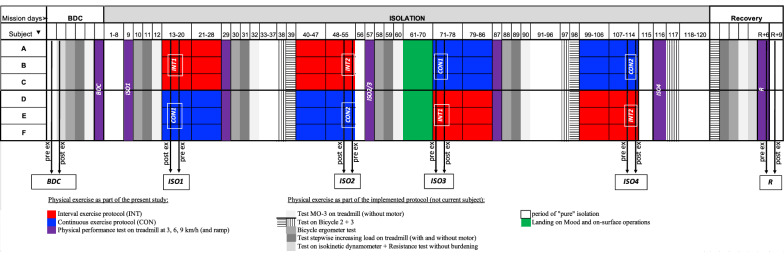
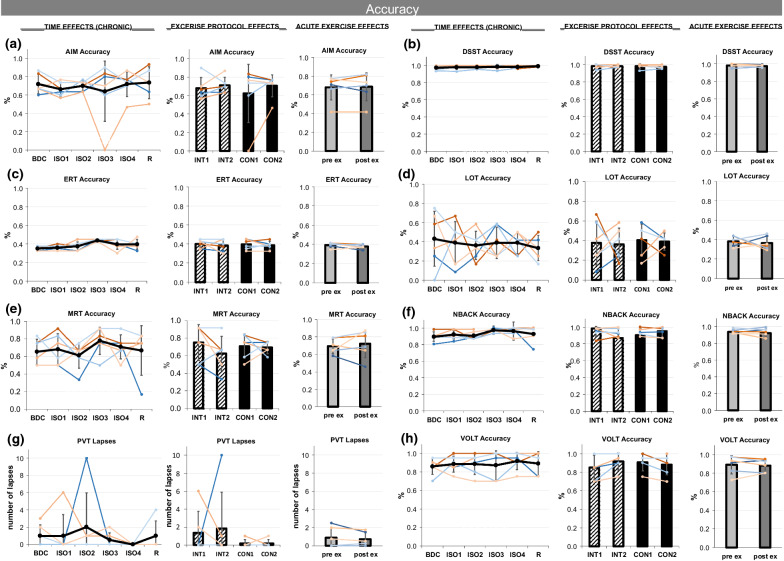
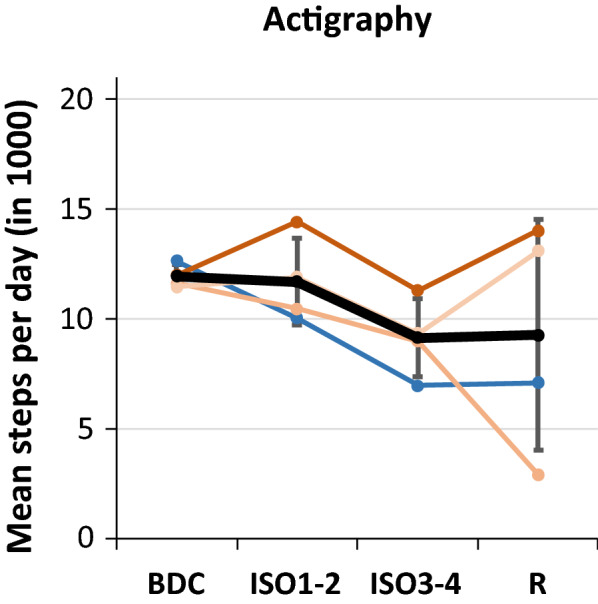
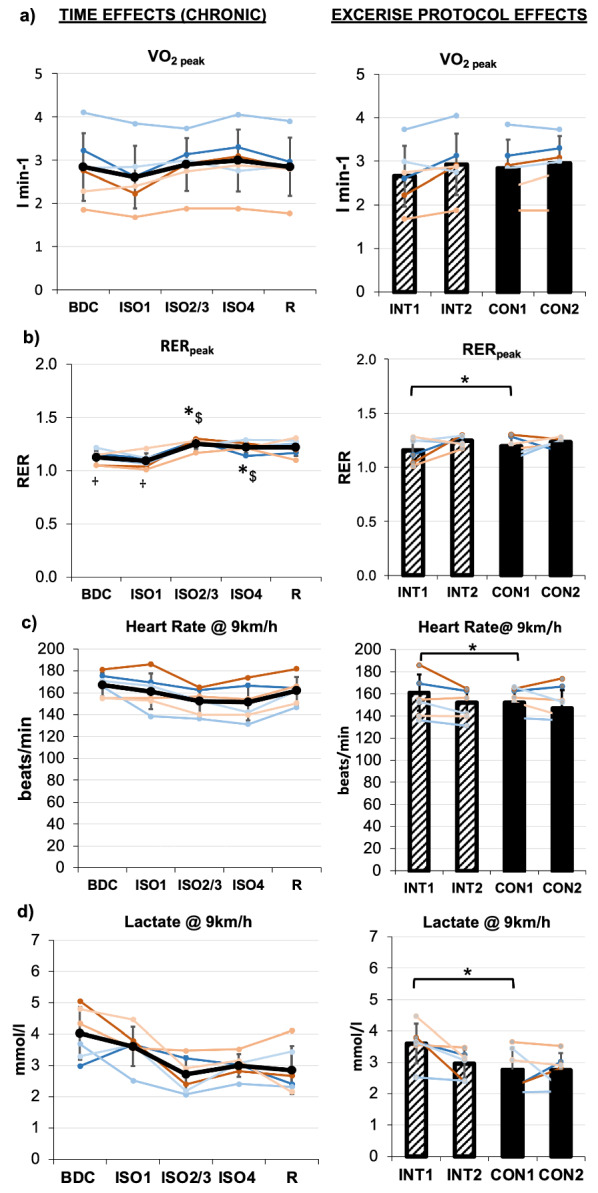
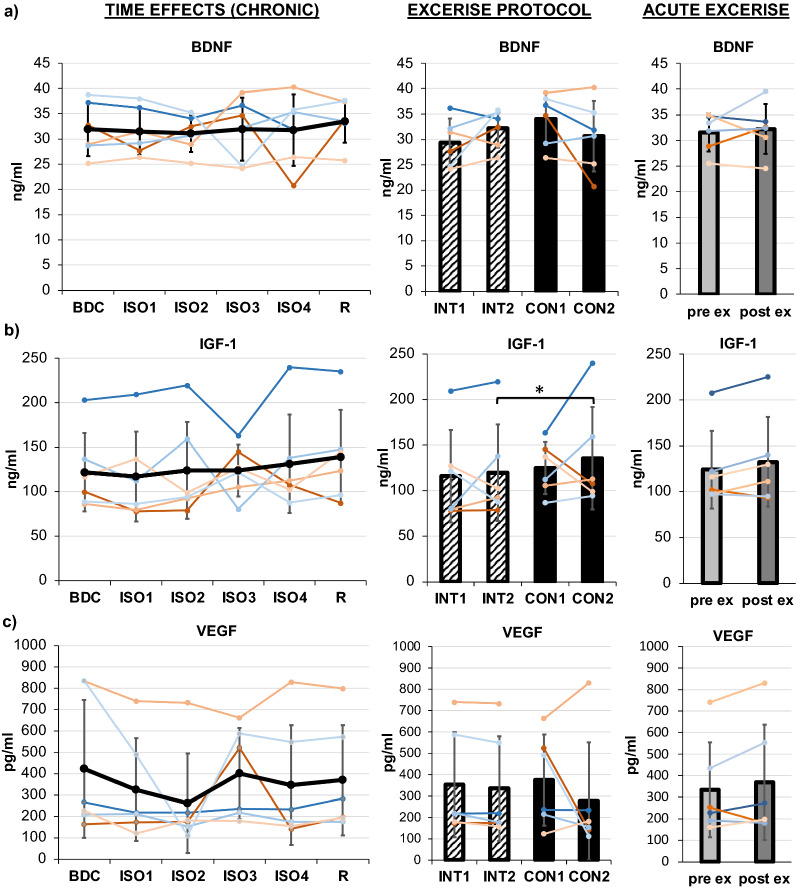
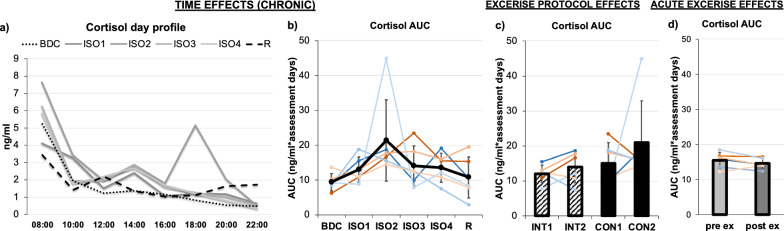
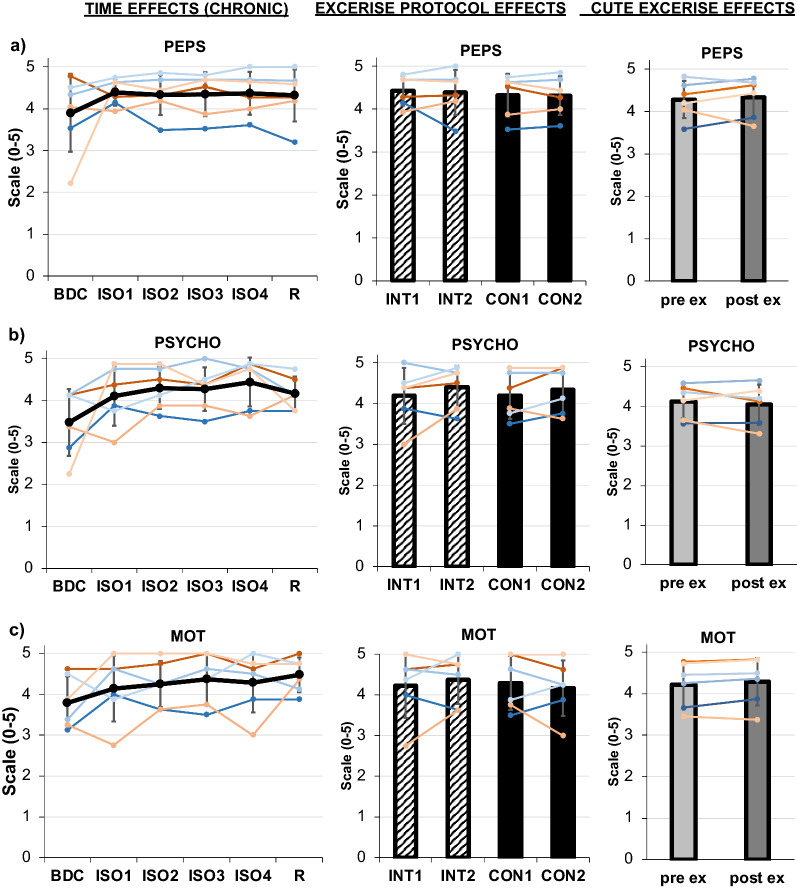
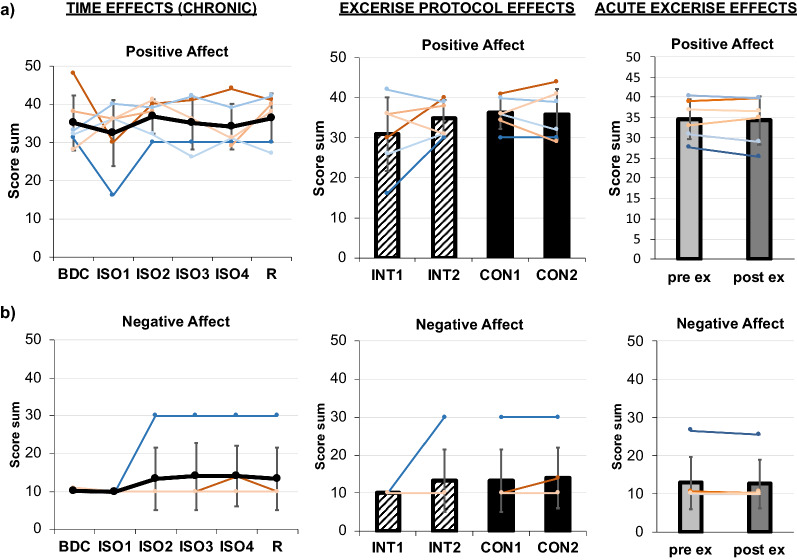
Exercise could prevent physical and psychological deteriorations, especially during pandemic times of lock-down scenarios and social isolation. But to meet both, the common exercise protocols require optimization based on holistic investigations and with respect to underlying processes. This study aimed to explore individual chronic and acute effects of continuous and interval running exercise on physical and cognitive performance, mood, and affect and underlying neurophysiological factors during a terrestrial simulated space mission. Six volunteers (three females) were isolated for 120 days. Accompanying exercise training consisted of a continuous and interval running protocol in a cross-over design. Incremental stage tests on a treadmill were done frequently to test physical performance. Actigraphy was used to monitor physical activity level. Cognitive performance, mood (MoodMeter), affect (PANAS), brain-derived neurotrophic factor (BDNF), insulin-like growth factor 1 (IGF-1), vascular-endothelial growth factor (VEGF), and saliva cortisol were investigated prior to, four times during, and after isolation, pre- and post-exercise on two separate days, respectively. As a chronic effect, physical performance increased (and IGF-1 tended) in the course of isolation and training until the end of isolation. Subjective mood and affect state, as well as cognitive performance, basal BDNF and VEGF levels, were well-preserved across the intervention. No acute effects of exercise were detected, besides slower reaction time after exercise in two out of nine cognitive tests, testing sensorimotor speed and memory of complex figures. Consistently higher basal IGF-1 concentrations and faster reaction time in the psychomotor vigilance test were found for the continuous compared to the interval running protocol. The results suggest that 120 days of isolation and confinement can be undergone without cognitive and mental deteriorations. Regular, individual aerobic running training supporting physical fitness is hypothesized to play an important role in this regard. Continuous running exercise seems to trigger higher IGF-1 levels and vigilance compared to interval running. Systematic and prolonged investigations and larger sample size are required to follow up on exercise-protocol specific differences in order to optimize the exercise intervention for long-term psycho-physiological health and well-being.
运动可以预防身体和心理的恶化,尤其是在封锁和社交隔离的大流行时期。但是,为了满足这两个需求,常见的运动方案需要根据整体调查进行优化,并考虑到潜在的过程。本研究旨在探索连续和间歇跑步运动对身体和认知表现、情绪和情感以及陆地模拟太空任务期间潜在神经生理因素的个体慢性和急性影响。六名志愿者(三名女性)被隔离了 120 天。伴随的运动训练由交叉设计的连续和间歇跑步方案组成。在跑步机上进行频繁的递增阶段测试,以测试身体表现。活动记录仪用于监测身体活动水平。在隔离前、隔离期间四次和隔离后、分别在两天的单独日子里进行认知表现、情绪(情绪计)、情感(PANAS)、脑源性神经营养因子(BDNF)、胰岛素样生长因子 1(IGF-1)、血管内皮生长因子(VEGF)和唾液皮质醇的调查。作为慢性效应,身体表现随着隔离和训练的进行而增加(IGF-1 有增加趋势),直到隔离结束。整个干预过程中,主观情绪和情感状态以及认知表现、基础 BDNF 和 VEGF 水平都保持良好。除了在九项认知测试中的两项测试中,运动后反应时间较慢外,运动没有发现急性影响,测试感觉运动速度和复杂图形的记忆。与间歇跑步方案相比,连续跑步方案的基础 IGF-1 浓度更高,精神运动警戒测试的反应时间更快。研究结果表明,120 天的隔离和监禁不会导致认知和心理恶化。定期的、个体的有氧运动训练支持身体健康,这被认为是这方面的重要作用。与间歇跑步相比,连续跑步运动似乎会引起更高的 IGF-1 水平和警觉性。为了优化运动干预方案,以促进长期的心理生理健康和幸福感,需要进行系统和长期的调查,并增加样本量,以跟踪运动方案的具体差异。