Liu Ning, Sadlon Timothy, Wong Ying Y, Pederson Stephen, Breen James, Barry Simon C
South Australian Health and Medical Research Institute, Adelaide, Australia.
Robinson Research Institute, University of Adelaide, Adelaide, Australia.
Epigenetics Chromatin. 2022 Jun 30;15(1):24. doi: 10.1186/s13072-022-00456-5.
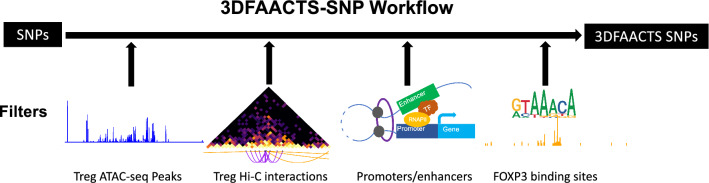
Genome-wide association studies (GWAS) have enabled the discovery of single nucleotide polymorphisms (SNPs) that are significantly associated with many autoimmune diseases including type 1 diabetes (T1D). However, many of the identified variants lie in non-coding regions, limiting the identification of mechanisms that contribute to autoimmune disease progression. To address this problem, we developed a variant filtering workflow called 3DFAACTS-SNP to link genetic variants to target genes in a cell-specific manner. Here, we use 3DFAACTS-SNP to identify candidate SNPs and target genes associated with the loss of immune tolerance in regulatory T cells (Treg) in T1D.
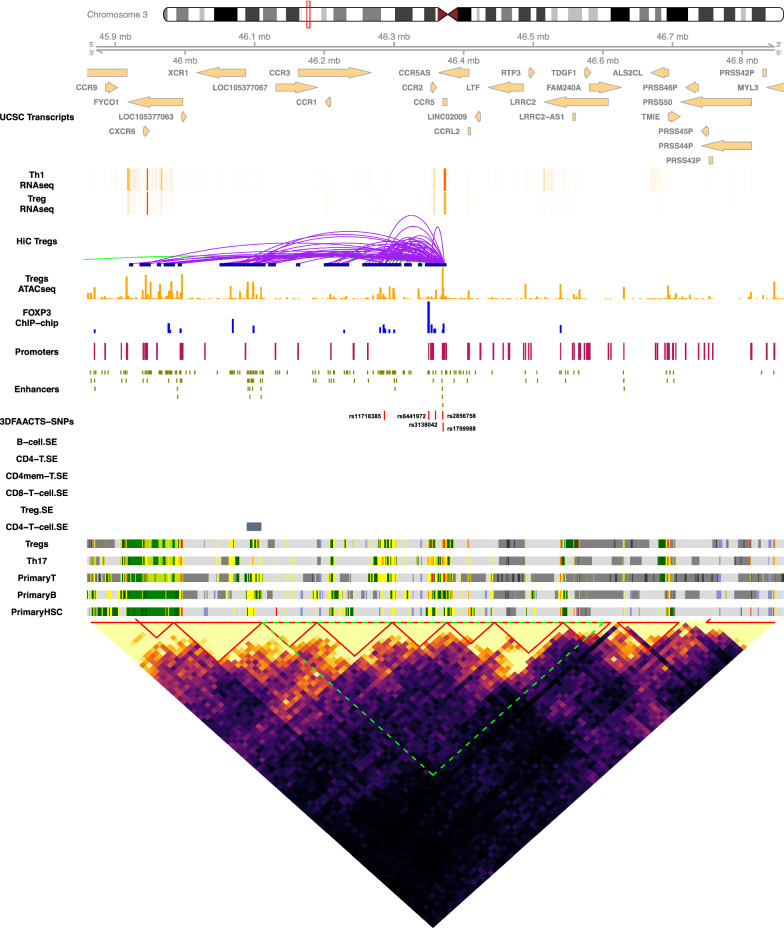
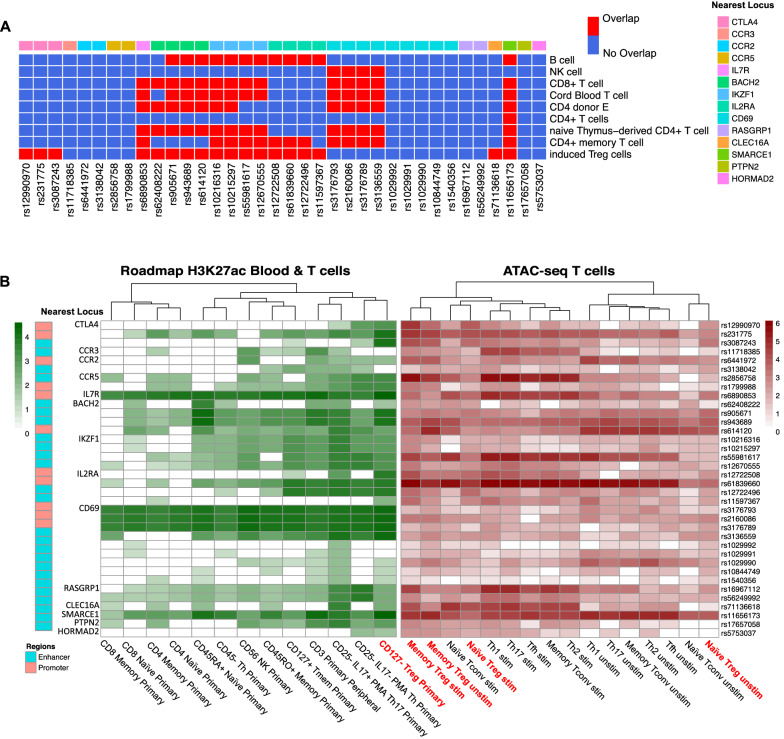
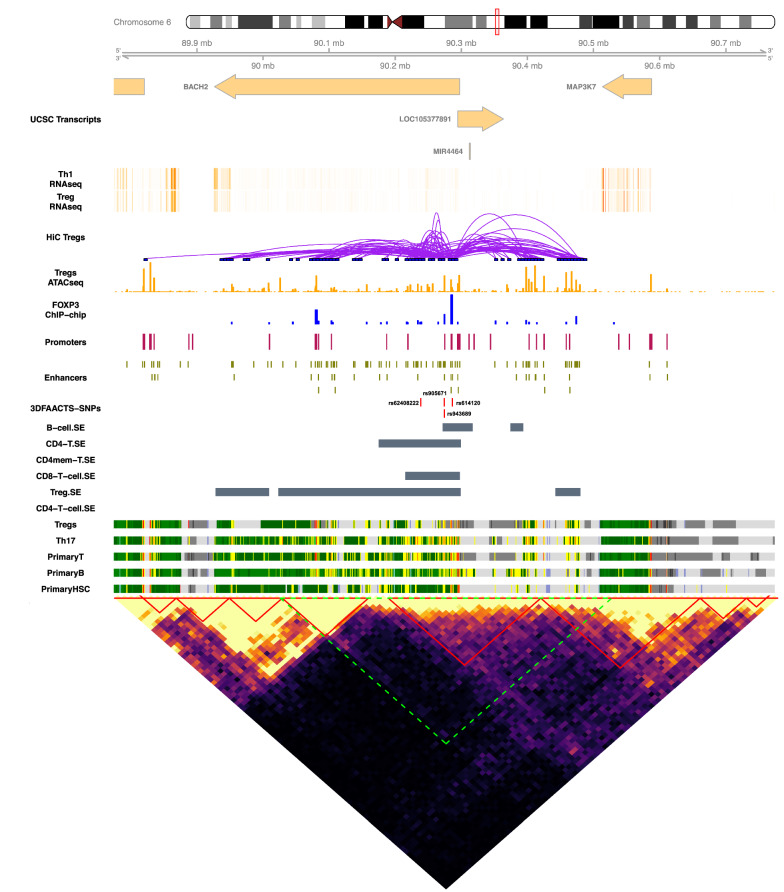
Using 3DFAACTS-SNP, we identified from a list of 1228 previously fine-mapped variants, 36 SNPs with plausible Treg-specific mechanisms of action. The integration of cell type-specific chromosome conformation capture data in 3DFAACTS-SNP identified 266 regulatory regions and 47 candidate target genes that interact with these variant-containing regions in Treg cells. We further demonstrated the utility of the workflow by applying it to three other SNP autoimmune datasets, identifying 16 Treg-centric candidate variants and 60 interacting genes. Finally, we demonstrate the broad utility of 3DFAACTS-SNP for functional annotation of all known common (> 10% allele frequency) variants from the Genome Aggregation Database (gnomAD). We identified 9376 candidate variants and 4968 candidate target genes, generating a list of potential sites for future T1D or other autoimmune disease research.
We demonstrate that it is possible to further prioritise variants that contribute to T1D based on regulatory function, and illustrate the power of using cell type-specific multi-omics datasets to determine disease mechanisms. Our workflow can be customised to any cell type for which the individual datasets for functional annotation have been generated, giving broad applicability and utility.
全基因组关联研究(GWAS)已使人们能够发现与包括1型糖尿病(T1D)在内的许多自身免疫性疾病显著相关的单核苷酸多态性(SNP)。然而,许多已鉴定出的变异位于非编码区,限制了对自身免疫性疾病进展机制的识别。为了解决这个问题,我们开发了一种名为3DFAACTS-SNP的变异筛选工作流程,以细胞特异性方式将遗传变异与靶基因联系起来。在此,我们使用3DFAACTS-SNP来识别与T1D中调节性T细胞(Treg)免疫耐受丧失相关的候选SNP和靶基因。
使用3DFAACTS-SNP,我们从1228个先前精细定位的变异列表中鉴定出36个具有合理Treg特异性作用机制的SNP。3DFAACTS-SNP中细胞类型特异性染色体构象捕获数据的整合确定了266个调控区域和47个与Treg细胞中这些含变异区域相互作用的候选靶基因。我们通过将其应用于其他三个SNP自身免疫数据集进一步证明了该工作流程的实用性,鉴定出16个以Treg为中心的候选变异和60个相互作用基因。最后,我们证明了3DFAACTS-SNP在对来自基因组聚合数据库(gnomAD)的所有已知常见(等位基因频率>10%)变异进行功能注释方面的广泛实用性。我们鉴定出9376个候选变异和4968个候选靶基因,生成了一份未来T1D或其他自身免疫性疾病研究的潜在位点列表。
我们证明了基于调控功能进一步对导致T1D的变异进行优先级排序是可能的,并说明了使用细胞类型特异性多组学数据集来确定疾病机制的能力。我们的工作流程可以针对已生成功能注释单个数据集的任何细胞类型进行定制,具有广泛的适用性和实用性。