Zhao Chengzhen, Hu Juan, Li Qiang, Fang Yi, Liu Di, Liu Ziguang, Zhong Rongzhen
Jilin Provincial Laboratory of Grassland Farming, Northeast Institute of Geography and Agroecology, Chinese Academy of Sciences, Changchun, China.
School of Resources and Environment, University of Chinese Academy of Sciences, Beijing, China.
Front Microbiol. 2022 Jun 14;13:916610. doi: 10.3389/fmicb.2022.916610. eCollection 2022.
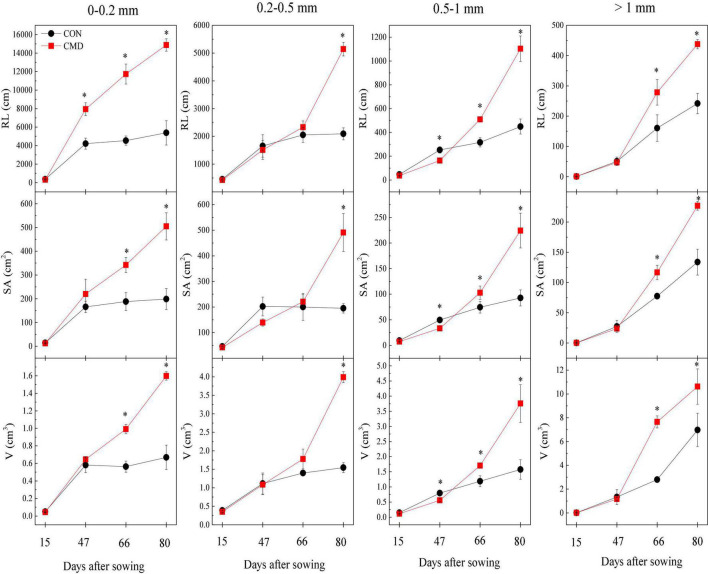
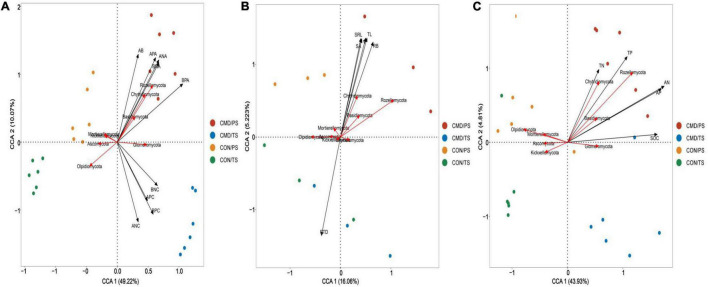
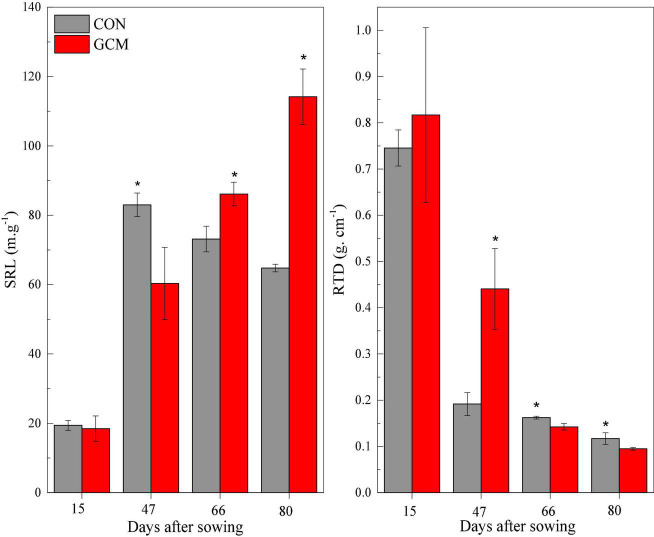
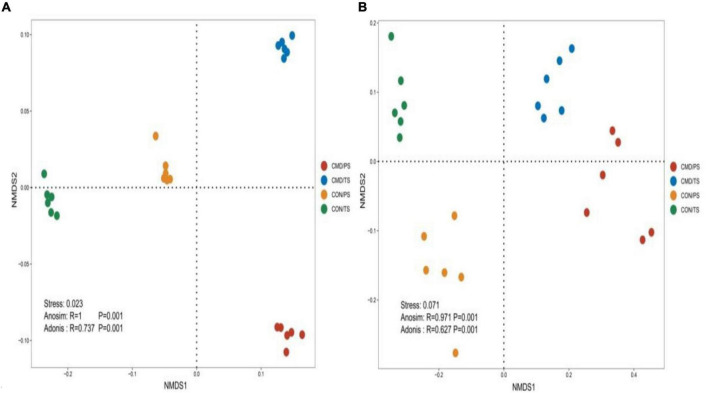
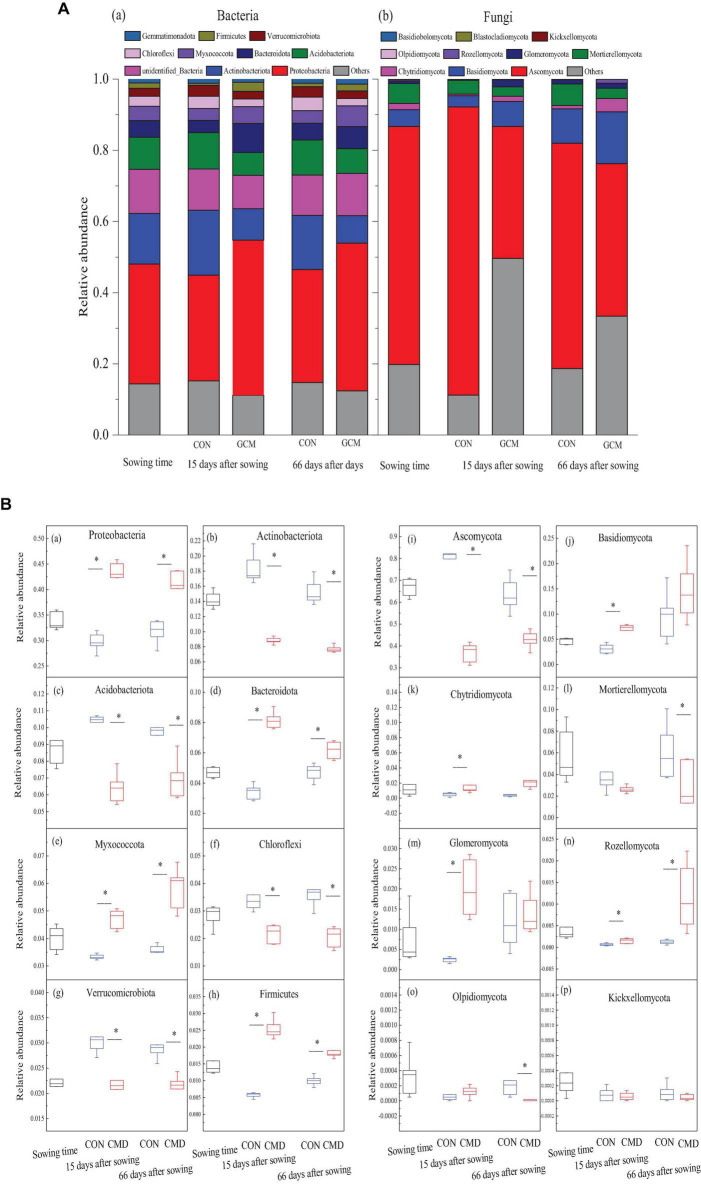
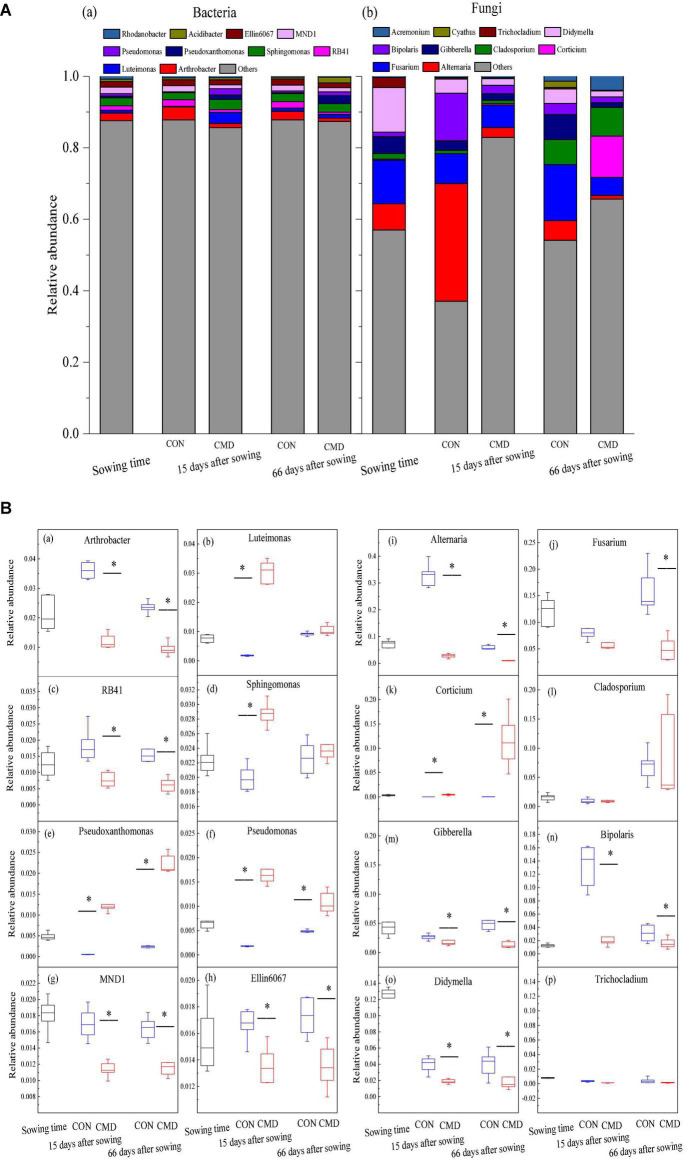
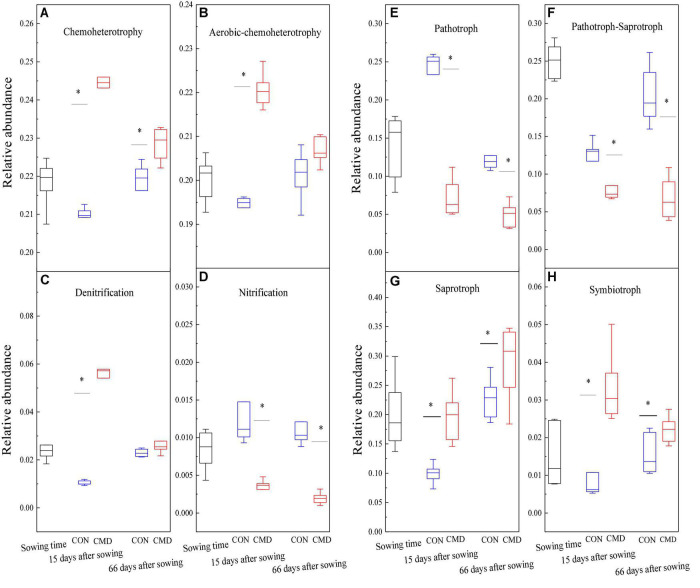
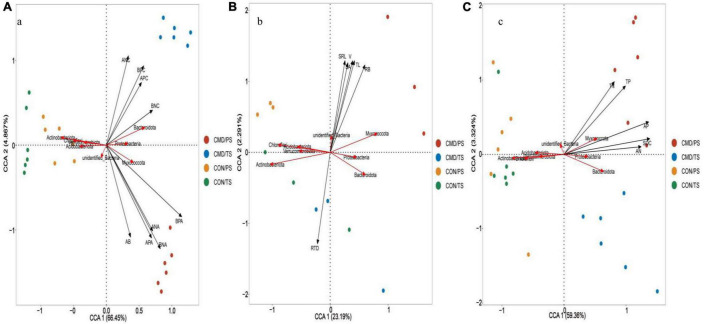
Simulated cattle manure deposition was used to estimate nutrient transfer to soil and oats and to investigate changes in microbial community composition and functional groups in oat rhizospheres. Nutrient absorption and return efficiency were calculated as a series of standard calculation formulas, and total nutrient transfer efficiency was nutrient absorption efficiency plus nutrient return efficiency. In total, 74.83% of nitrogen (N) and 59.30% of phosphorus (P) in cattle manure were transferred to soil and oats, with 11.79% of N and 7.89% of P in cattle manure absorbed by oats, and the remainder sequestered in the soil for 80 days after sowing. Cattle manure increased oat root length, surface, and volume under 0.2 mm diameter, and improved relative abundance of the microbiome known to be beneficial. In response to cattle manure, several bacteria known to be beneficial, such as Proteobacteria, Bacteroidota, and Firmicutes at phyla the level and , , and at the genus level, were positively related to oat biomass and nutrient accumulation. For fungal communities, the relative abundance of Ascomycota is the predominant phylum, which varied in a larger range in the control treatment (81.0-63.3%) than the cattle manure deposition treatment (37.0-42.9%) as plant growing days extend. The relevant abundance of Basidiomycota known as decomposer was higher in cattle manure deposition treatment compared to that in control treatment at 15 days after sowing. More importantly, cattle manure deposition inhibited trophic mode within pathotroph like and fungal genus and promoted saprotroph and symbiotroph.
采用模拟牛粪沉积来估算养分向土壤和燕麦的转移,并研究燕麦根际微生物群落组成和功能群的变化。根据一系列标准计算公式计算养分吸收和归还效率,总养分转移效率为养分吸收效率加上养分归还效率。总体而言,牛粪中74.83%的氮(N)和59.30%的磷(P)转移到了土壤和燕麦中,其中燕麦吸收了牛粪中11.79%的N和7.89%的P,其余在播种后80天内被土壤固定。牛粪增加了燕麦根长、根表面积和直径小于0.2毫米的根体积,并提高了已知有益微生物群落的相对丰度。在牛粪作用下,一些已知有益的细菌,如门水平的变形菌门、拟杆菌门和厚壁菌门,以及属水平的 、 和 与燕麦生物量和养分积累呈正相关。对于真菌群落,子囊菌门是主要的优势门类,随着植物生长天数的延长,其在对照处理中的相对丰度变化范围更大(81.0 - 63.3%),而在牛粪沉积处理中变化范围较小(37.0 - 42.9%)。播种后15天,牛粪沉积处理中已知作为分解者的担子菌门的相对丰度高于对照处理。更重要的是,牛粪沉积抑制了像 和 真菌属等致病营养型的营养模式,并促进了腐生营养型和共生营养型。