Department of Cancer Biology, Lerner Research Institute, Cleveland Clinic, Cleveland, Ohio.
Case Comprehensive Cancer Center, Case Western Reserve University, Cleveland, Ohio.
Clin Cancer Res. 2022 Nov 1;28(21):4689-4701. doi: 10.1158/1078-0432.CCR-22-0669.
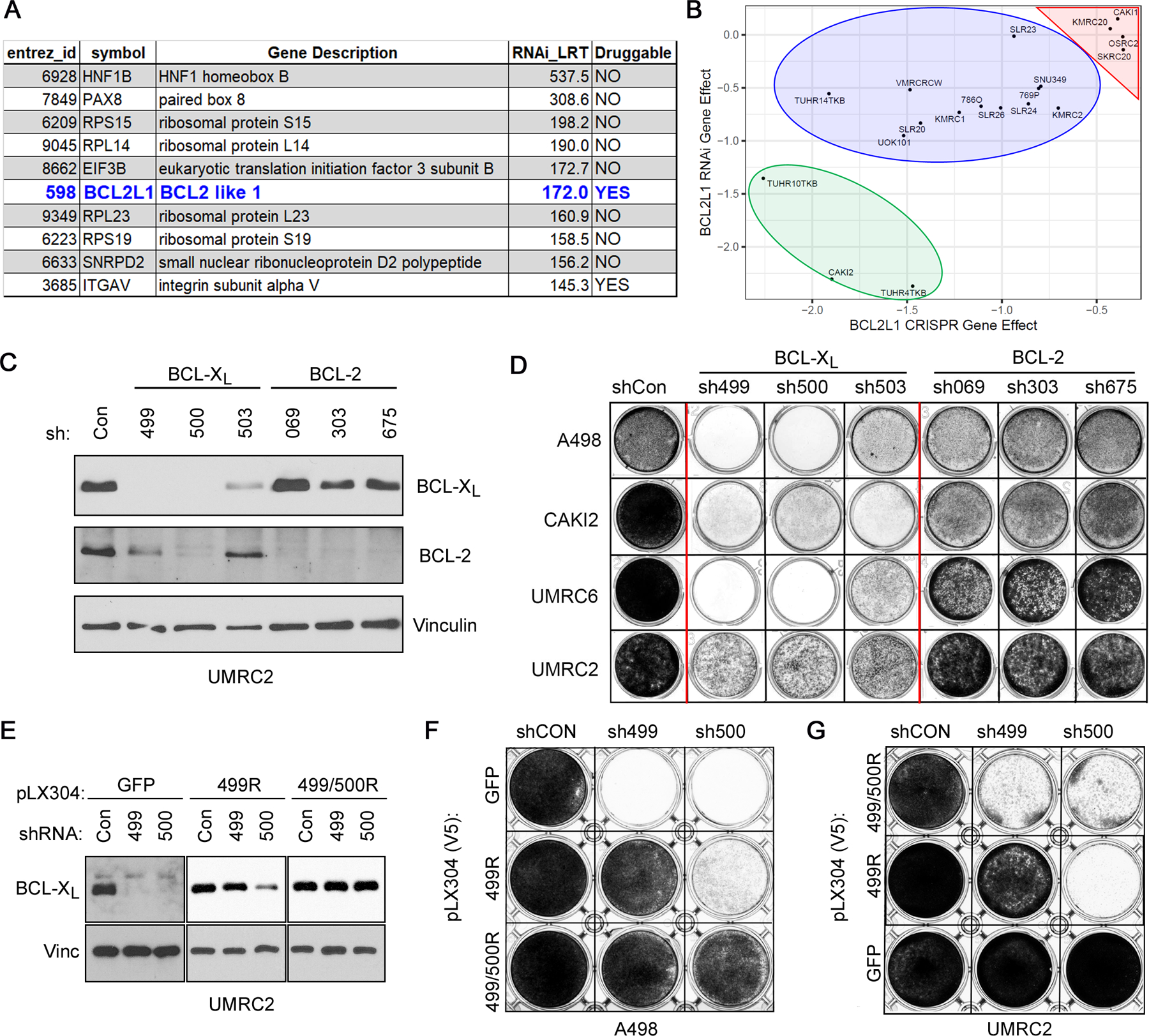
Advanced/metastatic forms of clear-cell renal cell carcinomas (ccRCC) have limited therapeutic options. Genome-wide genetic screens have identified cellular dependencies in many cancers. Using the Broad Institute/Novartis combined short hairpin RNA (shRNA) dataset, and cross-validation with the CRISPR/Cas9 DepMap (21Q3) dataset, we sought therapeutically actionable dependencies in kidney lineage cancers.
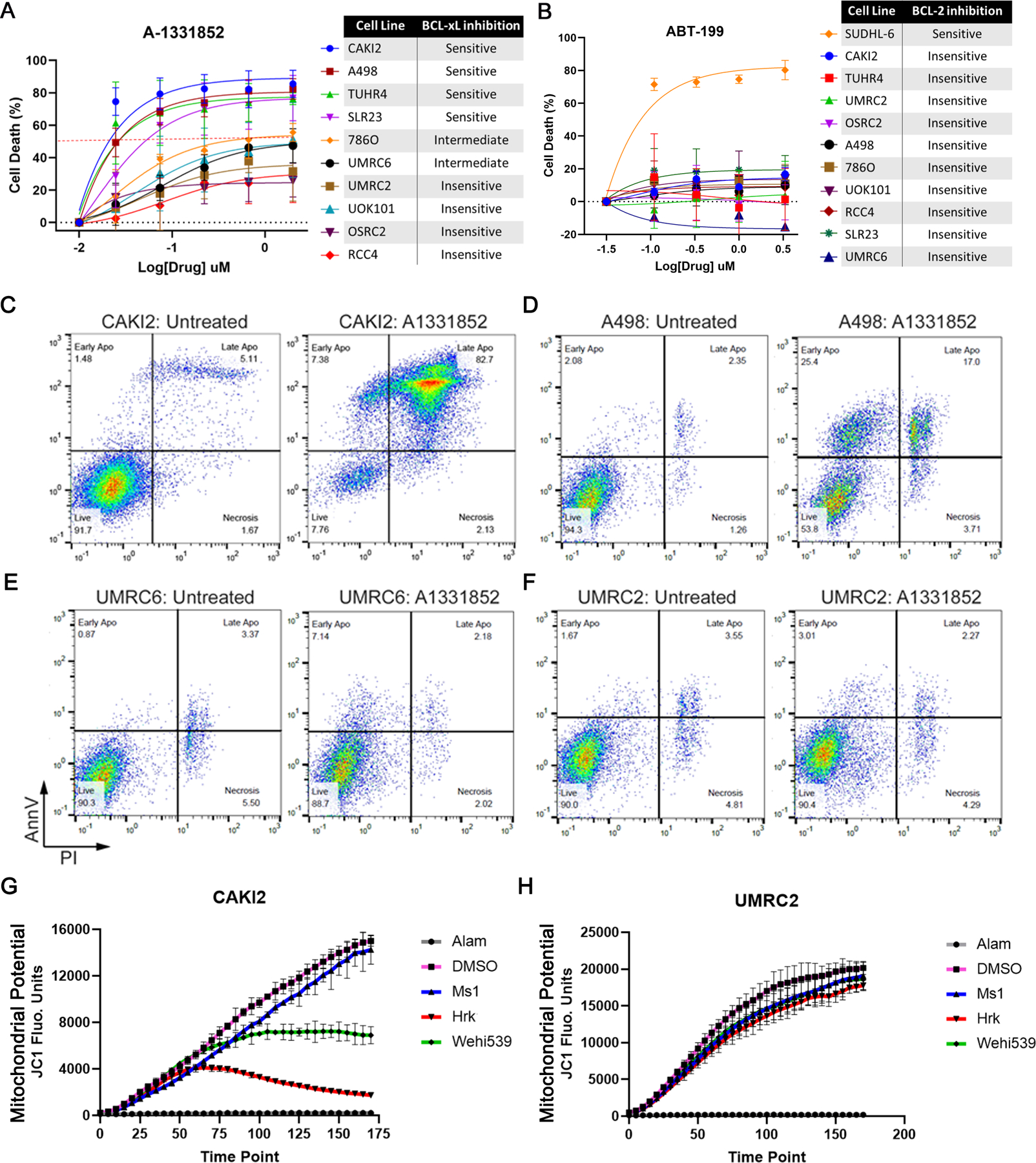
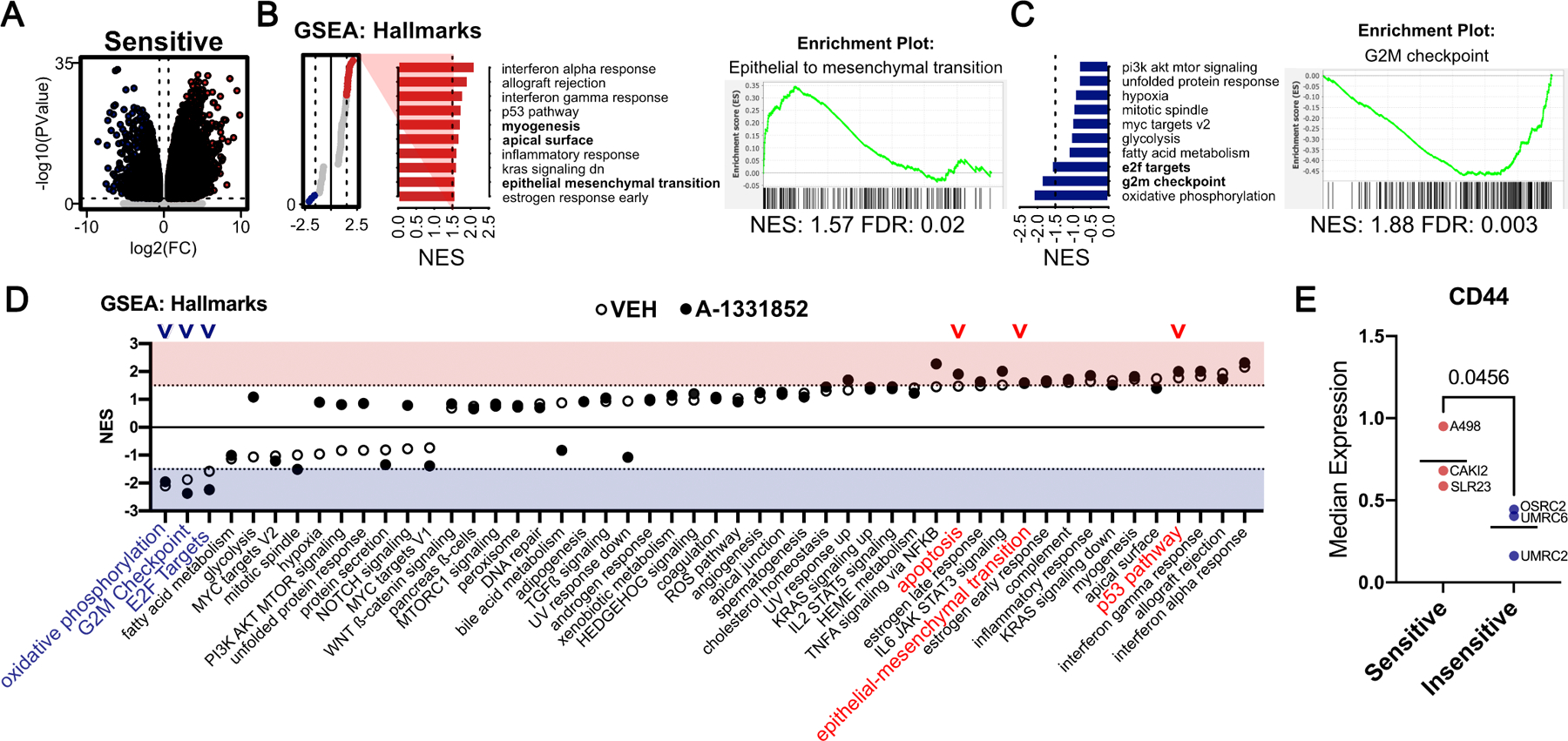
We identified preferential genetic dependencies in kidney cancer cells versus other lineages. BCL2L1, which encodes the BCL-XL antiapoptotic protein, scored as the top actionable dependency. We validated this finding using genetic and pharmacologic tools in a panel of ccRCC cell lines. Select BCL-XL-dependent (versus independent) cell lines were then transcriptionally profiled to identify biomarkers and mechanistic drivers of BCL-XL dependence. Cell-based studies (in vitro and in vivo) and clinical validations were used to address physiologic relevance.
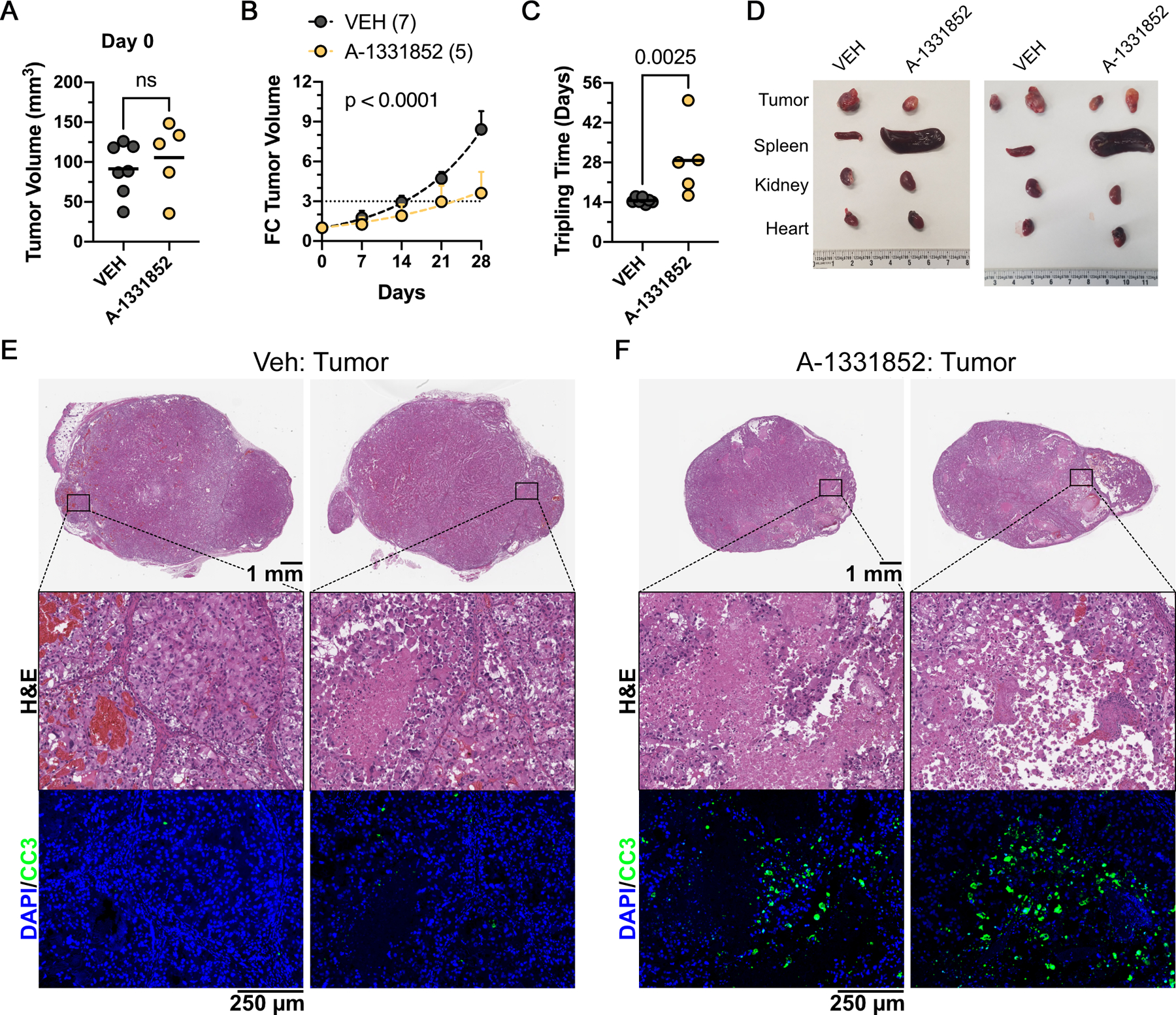
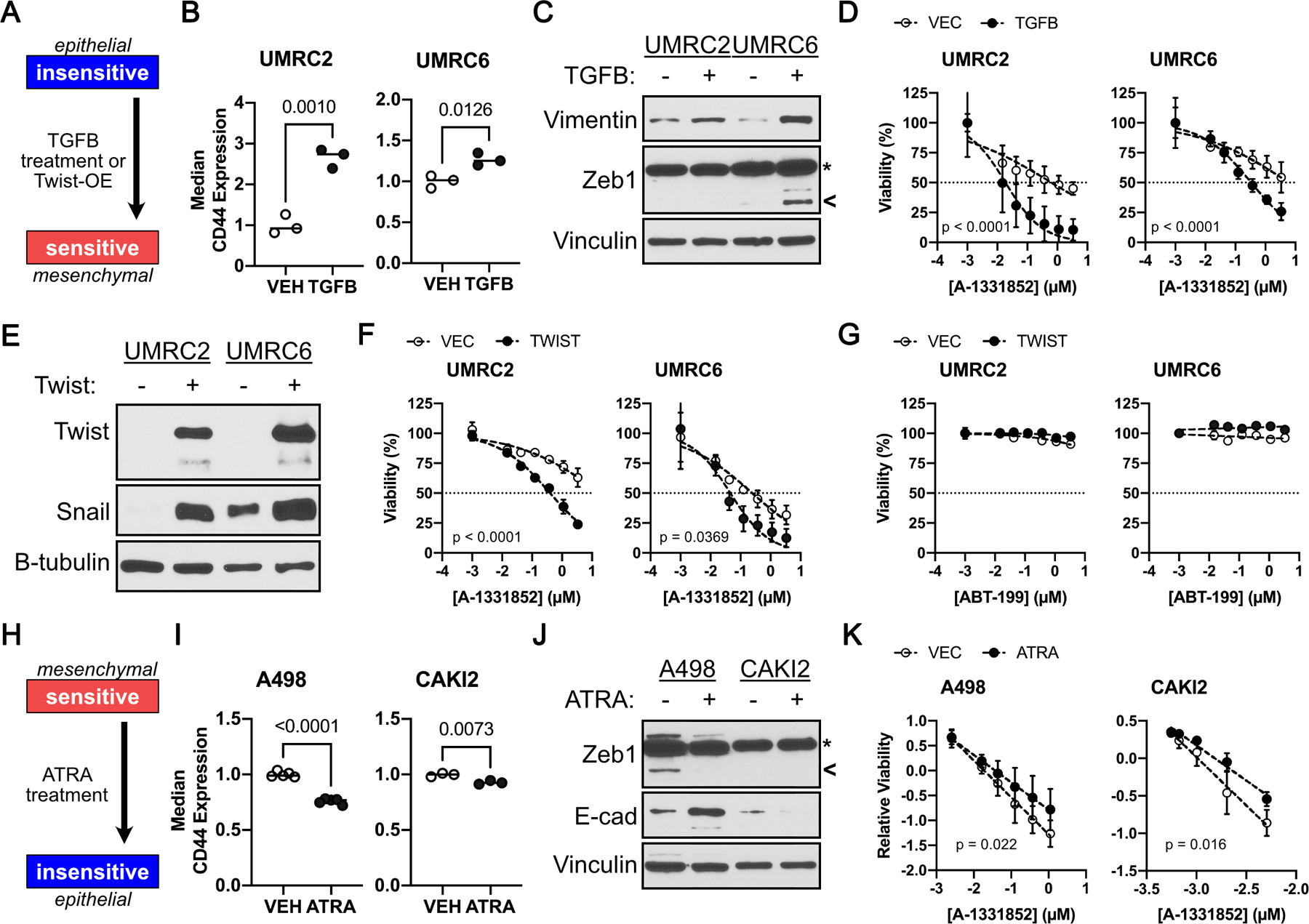
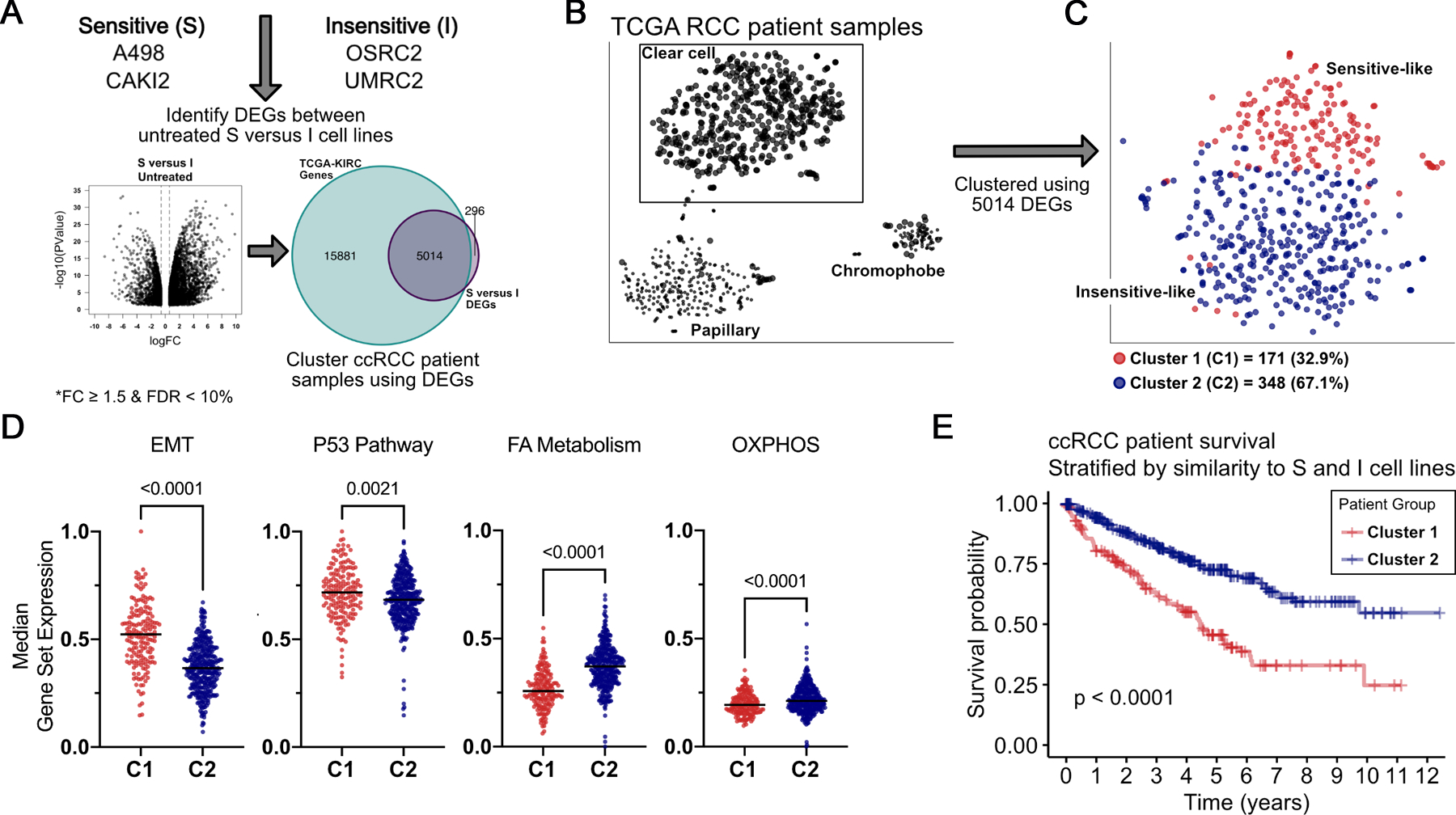
Inactivation of BCL-XL, but not BCL-2, led to fitness defects in renal cancer cells, and sensitized them to chemotherapeutics. Transcriptomic profiling identified a "BCL-XL dependency" signature, including an elevated mesenchymal gene signature. A mesenchymal state was both necessary and sufficient to confer increased BCL-XL dependence. The "BCL-XL dependency" signature was observed in approximately 30% of human ccRCCs, which were also associated with worse clinical outcomes. Finally, an orally bioavailable BCL-XL inhibitor, A-1331852, showed antitumor efficacy in vivo.
Our studies uncovered an unexpected link between cell state and BCL-XL dependence in ccRCC. Therapeutic agents that specifically target BCL-XL are available. Our work justifies testing the utility of BCL-XL blockade to target, likely, a clinically aggressive subset of human kidney cancers. See related commentary by Wang et al., p. 4600.
透明细胞肾细胞癌(ccRCC)的晚期/转移性形式治疗选择有限。全基因组遗传筛选已在许多癌症中确定了细胞依赖性。我们使用 Broad Institute/Novartis 联合短发夹 RNA(shRNA)数据集,并使用 CRISPR/Cas9 DepMap(21Q3)数据集进行交叉验证,旨在寻找肾脏谱系癌症中的治疗可操作的依赖性。
我们确定了肾癌细胞相对于其他谱系的优先遗传依赖性。编码抗凋亡蛋白 BCL-XL 的 BCL2L1 被评为顶级可操作的依赖性。我们使用一系列 ccRCC 细胞系中的遗传和药理学工具验证了这一发现。然后对选择性 BCL-XL 依赖(与不依赖)的细胞系进行转录谱分析,以鉴定 BCL-XL 依赖性的生物标志物和机制驱动因素。使用基于细胞的研究(体外和体内)和临床验证来解决生理相关性问题。
BCL-XL 的失活而不是 BCL-2 的失活导致肾癌细胞的适应性缺陷,并使它们对化疗药物敏感。转录组谱分析确定了一个“BCL-XL 依赖性”签名,包括一个升高的间充质基因签名。间充质状态既是必要条件,也是充分条件,可增加 BCL-XL 的依赖性。大约 30%的人 ccRCC 中观察到“BCL-XL 依赖性”签名,这也与更差的临床结局相关。最后,一种口服生物可利用的 BCL-XL 抑制剂 A-1331852 在体内显示出抗肿瘤疗效。
我们的研究揭示了 ccRCC 中细胞状态与 BCL-XL 依赖性之间的意外联系。专门针对 BCL-XL 的治疗药物是可用的。我们的工作证明了测试 BCL-XL 阻断的效用以靶向可能是具有临床侵袭性的人类肾癌亚群是合理的。有关 Wang 等人的相关评论,请见第 4600 页。