Institute of Molecular Biology and Genetics of the National Academy of Sciences of Ukraine, Kyiv, Ukraine.
Shupyk National Healthcare University of Ukraine, Kyiv, Ukraine.
PLoS One. 2022 Jul 1;17(7):e0270983. doi: 10.1371/journal.pone.0270983. eCollection 2022.
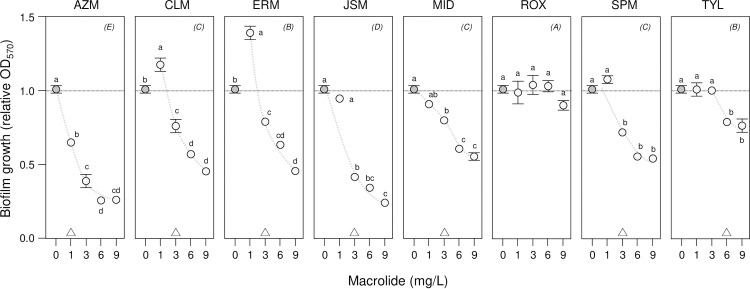
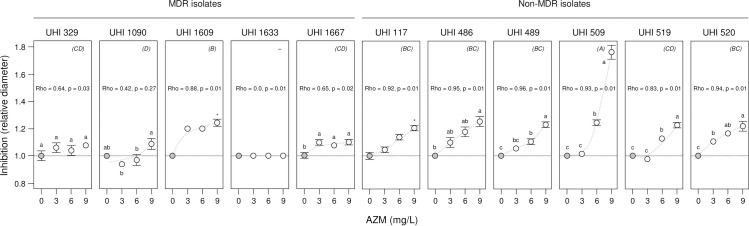
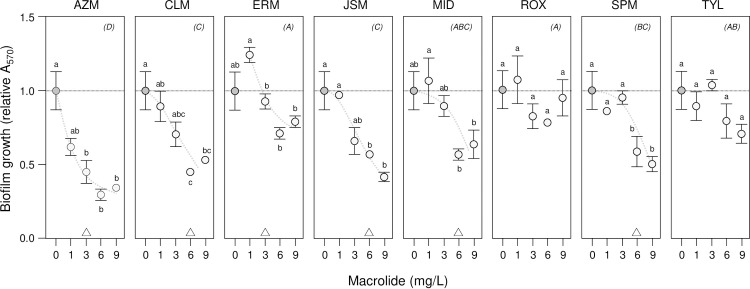
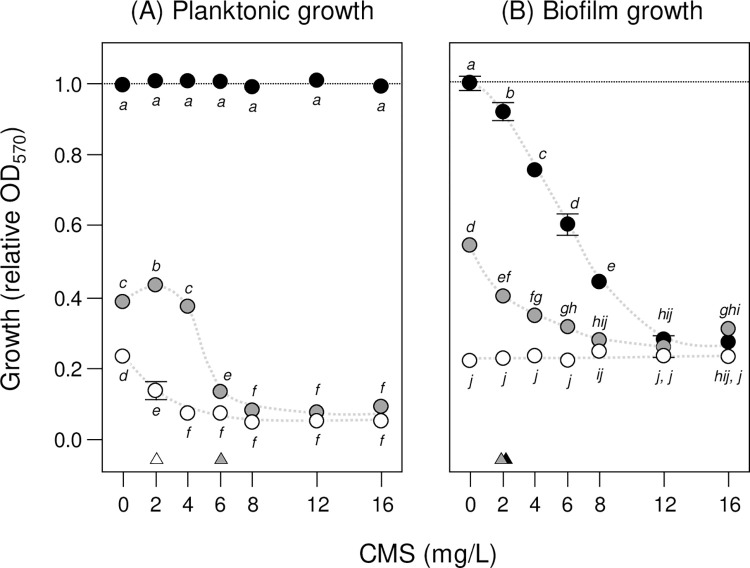
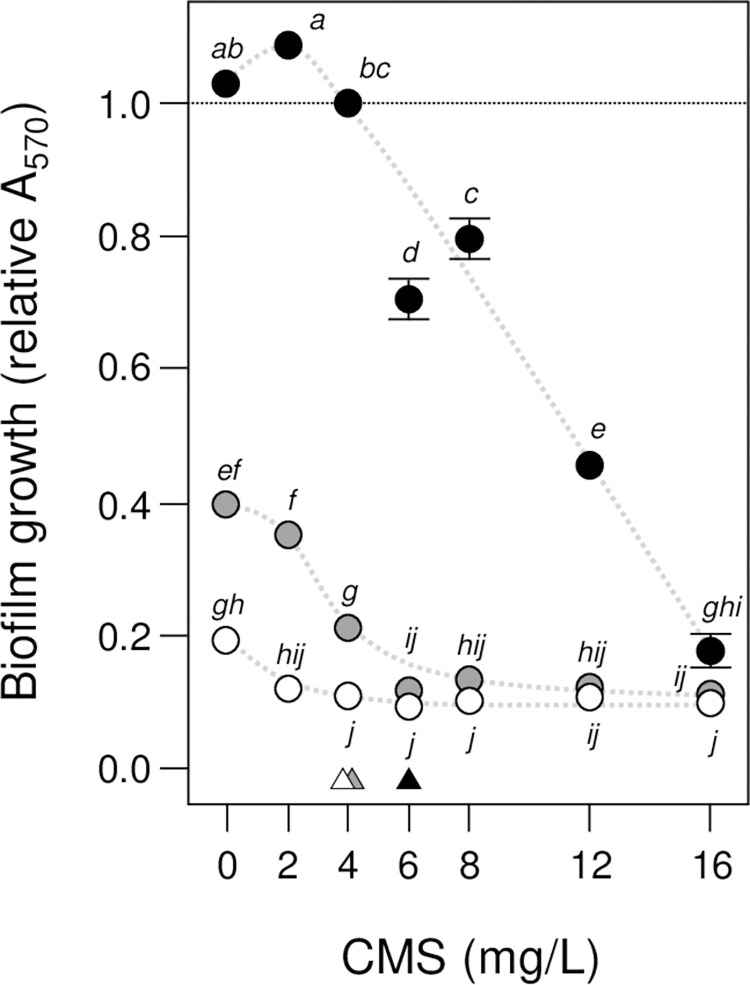
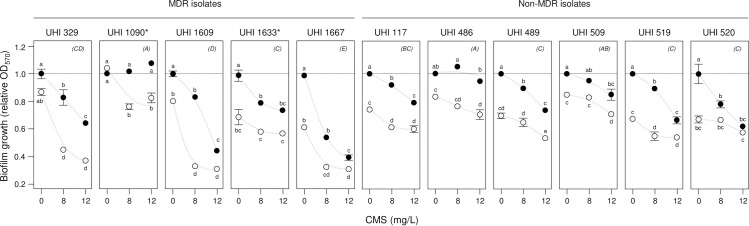
Novel antibiotic combinations may act synergistically to inhibit the growth of multidrug-resistant bacterial pathogens but predicting which combination will be successful is difficult, and standard antimicrobial susceptibility testing may not identify important physiological differences between planktonic free-swimming and biofilm-protected surface-attached sessile cells. Using a nominally macrolide-resistant model Klebsiella pneumoniae strain (ATCC 10031) we demonstrate the effectiveness of several macrolides in inhibiting biofilm growth in multi-well plates, and the ability of azithromycin (AZM) to improve the effectiveness of the antibacterial last-agent-of-choice for K. pneumoniae infections, colistin methanesulfonate (CMS), against biofilms. This synergistic action was also seen in biofilm tests of several K. pneumoniae hospital isolates and could also be identified in polymyxin B disc-diffusion assays on azithromycin plates. Our work highlights the complexity of antimicrobial-resistance in bacterial pathogens and the need to test antibiotics with biofilm models where potential synergies might provide new therapeutic opportunities not seen in liquid culture or colony-based assays.
新型抗生素组合可能具有协同作用,抑制多药耐药细菌病原体的生长,但预测哪种组合将是成功的是困难的,并且标准的抗菌药敏试验可能无法识别浮游自由游动和生物膜保护的表面附着的固着细胞之间的重要生理差异。我们使用名义上的大环内酯类耐药模型肺炎克雷伯菌(ATCC 10031)菌株,证明了几种大环内酯类药物在抑制多孔板中生物膜生长的有效性,以及阿奇霉素(AZM)提高对肺炎克雷伯菌感染的抗菌最后选择药物-粘菌素甲磺酸盐(CMS)的有效性,针对生物膜。这种协同作用在几种肺炎克雷伯菌医院分离株的生物膜试验中也可见,并且在阿奇霉素平板上的多粘菌素 B 圆盘扩散试验中也可以识别。我们的工作强调了细菌病原体中抗菌药物耐药性的复杂性,需要使用生物膜模型测试抗生素,其中潜在的协同作用可能提供在液体培养或基于菌落的试验中未见的新治疗机会。