Department of Neurology, Affiliated Hospital of Guizhou Medical University, Guiyang, Guizhou Province 550004, China.
Department of Pharmacy, The Second Affiliated Hospital of Chongqing Medical University, Chongqing 400010, China.
J Adv Res. 2022 Jul;39:135-145. doi: 10.1016/j.jare.2021.10.002. Epub 2021 Oct 13.
Although researchers have done intensive research on depression, its pathogenesis is still not fully explained. More and more evidence suggests that gut microbiota is closely related to the onset of depression; but its specific functional ways are not clearly identified.
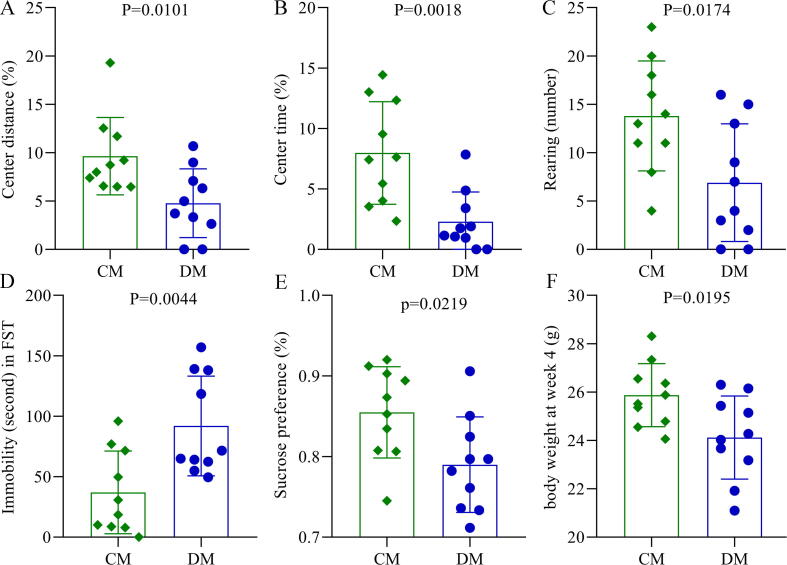
The purpose of our work was to find out how the gut microbiota was involved in the onset of depression, and to identify the potential ways to link the gut and brain in mice with depressive-like behaviors (DLB).
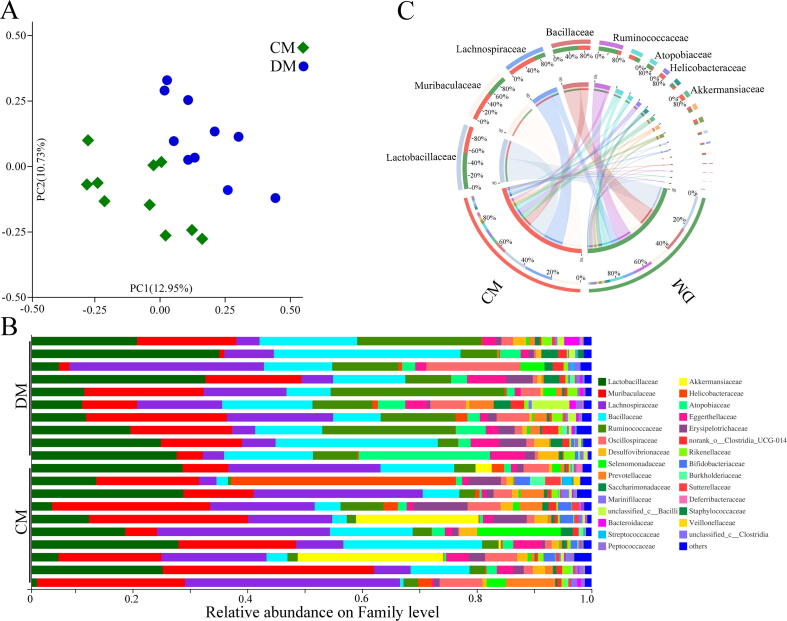
We used the chronic restraint stress (CRS)-induced depression model here. Gut microbiota compositions in fecal samples, lipid metabolism (in fecal, serum and hippocampus samples) and neurotransmitters in hippocampus samples were detected.
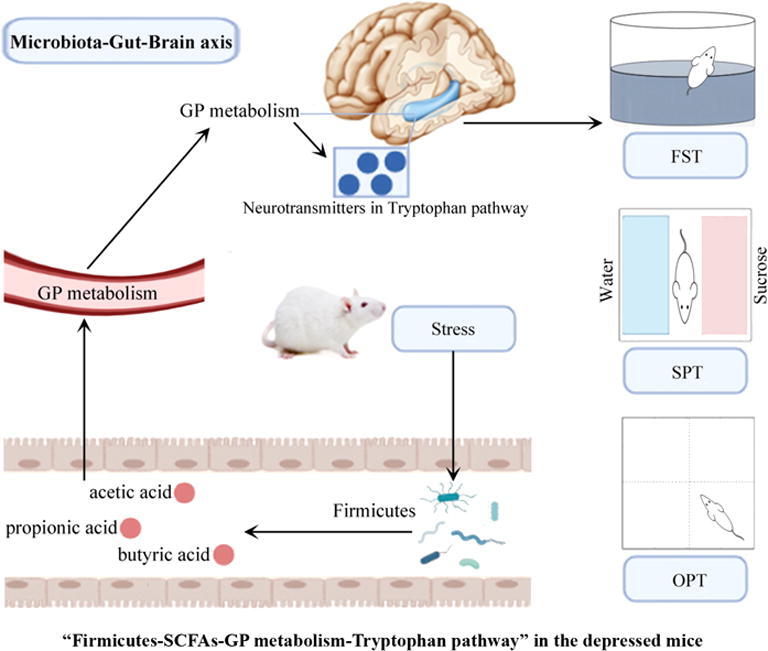
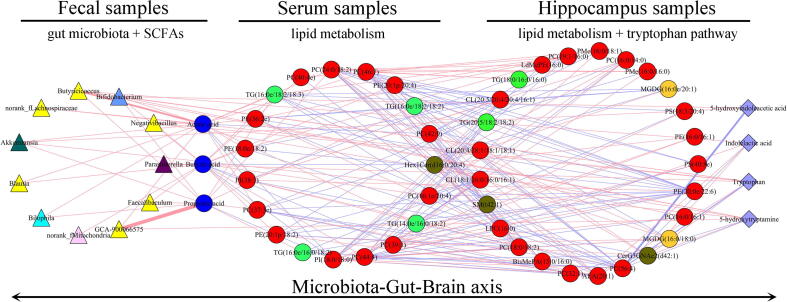
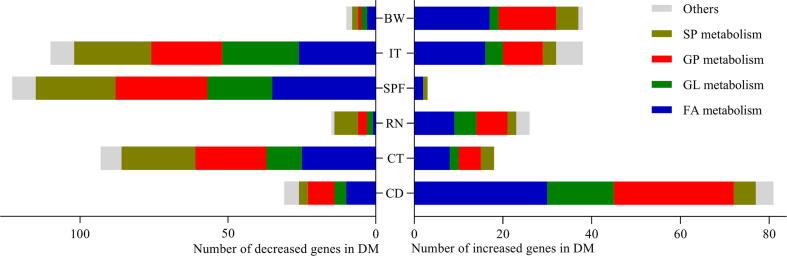
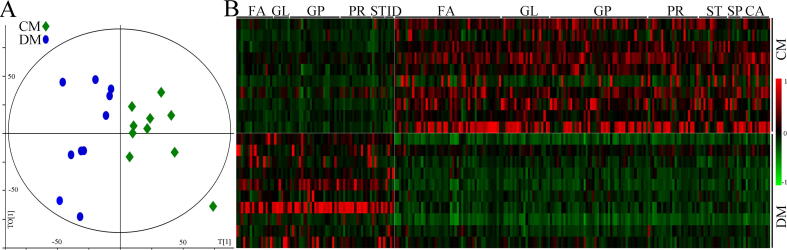
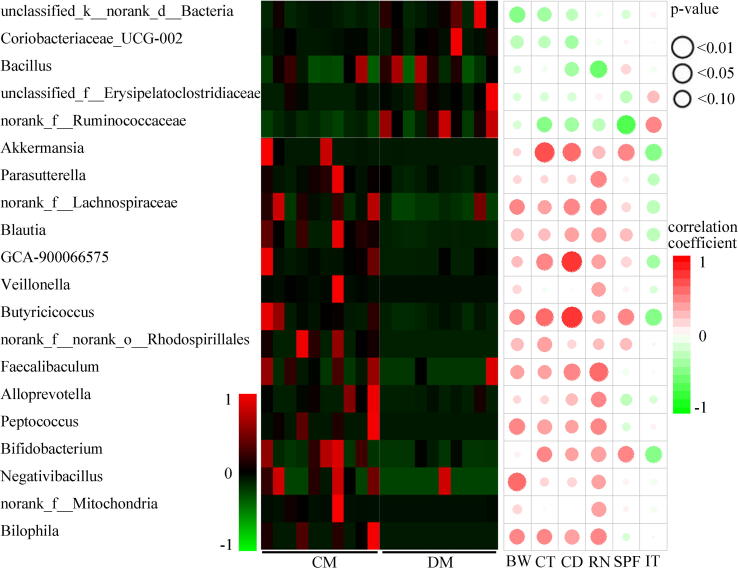
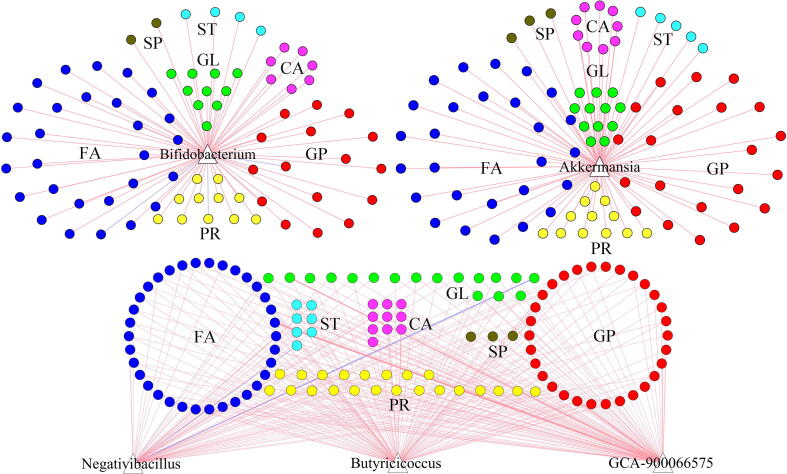
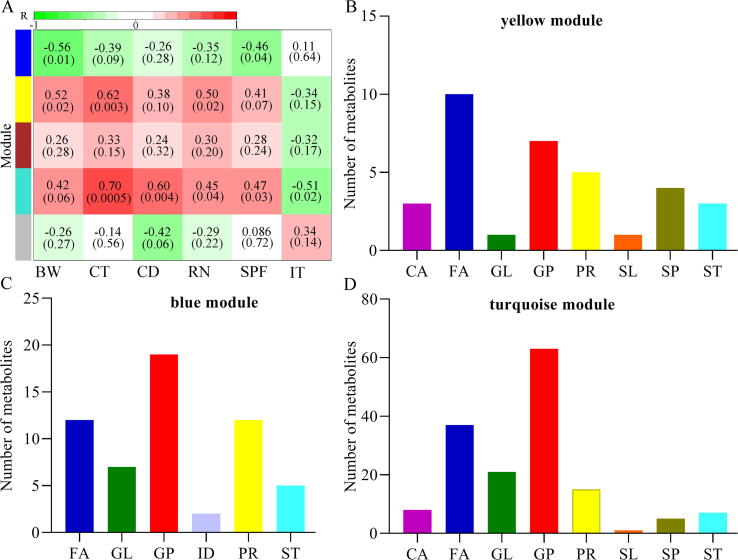
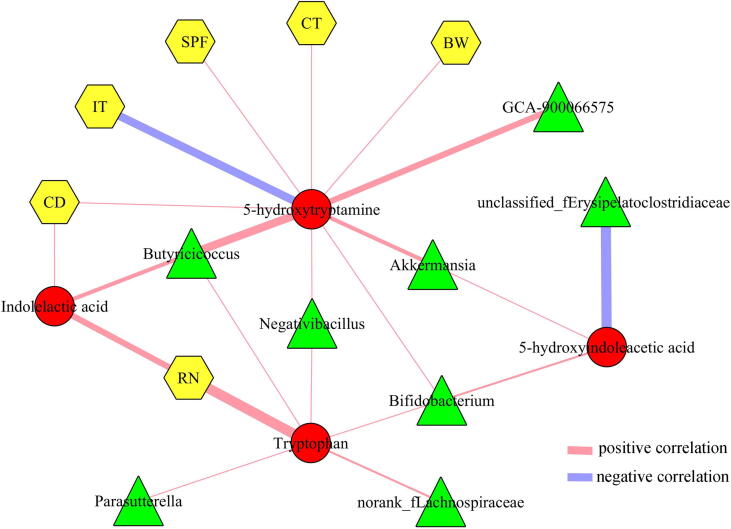
We found that the 7 of 13 differential genera that significantly correlated with DLB belonged to phylum Firmicutes. The differential lipid metabolites in fecal samples mainly belonged to glycerophospholipids (GP) and fatty acids (FA) metabolism, and three important "metabolite type-bacterial taxa" correlated pairs were identified: "FA/GP-Firmicutes", "FA/GP-Akkermansia", and "FA/GP-Bifidobacterium". The key differential lipid metabolites significantly correlated with DLB mainly belonged to FA and GP, and the DLB-related metagenomic genes were consistently enriched in GP metabolism and FA metabolism. Three significantly changed short-chain fatty acids (SCFAs) were significantly correlated with the majority of differential genera. Meanwhile, we found that the differential lipid metabolites in serum and hippocampus samples were mainly mapped into the GP metabolism, and there were four differential neurotransmitters from the tryptophan pathway in hippocampus samples.
Together, our findings could provide novel insights into the role of "microbiota-gut-brain" (MGB) axis in depression, and indicate that the gut microbiota might have a vital role in the onset of DLB by affecting the peripheral/central GP metabolism and tryptophan pathway. The "Firmicutes-SCFAs-GP metabolism-Tryptophan pathway" might be a possible way to link the gut and brain in depressed mice.
尽管研究人员对抑郁症进行了深入研究,但它的发病机制仍未完全阐明。越来越多的证据表明,肠道微生物群与抑郁症的发生密切相关;但其具体的功能途径尚不清楚。
我们的工作目的是找出肠道微生物群如何参与抑郁症的发生,并确定与具有抑郁样行为(DLB)的小鼠中肠道和大脑联系的潜在途径。
我们在这里使用慢性束缚应激(CRS)诱导的抑郁模型。检测粪便样本中的肠道微生物群组成、脂质代谢(粪便、血清和海马样本)和海马样本中的神经递质。
我们发现,与 DLB 显著相关的 13 个差异属中有 7 个属于厚壁菌门。粪便样本中的差异脂质代谢物主要属于甘油磷脂(GP)和脂肪酸(FA)代谢,鉴定出三个重要的“代谢物-细菌分类群”相关对:“FA/GP-Firmicutes”、“FA/GP-Akkermansia”和“FA/GP-Bifidobacterium”。与 DLB 显著相关的关键差异脂质代谢物主要属于 FA 和 GP,与 DLB 相关的元基因组基因一致富集在 GP 代谢和 FA 代谢中。三种显著变化的短链脂肪酸(SCFAs)与大多数差异属显著相关。同时,我们发现血清和海马样本中的差异脂质代谢物主要映射到 GP 代谢,海马样本中有四种来自色氨酸途径的差异神经递质。
总之,我们的研究结果为“微生物群-肠道-大脑”(MGB)轴在抑郁症中的作用提供了新的见解,并表明肠道微生物群可能通过影响外周/中枢 GP 代谢和色氨酸途径在 DLB 的发生中发挥重要作用。“厚壁菌门-SCFA-GP 代谢-色氨酸途径”可能是连接抑郁小鼠肠道和大脑的一种可能途径。