Department of Biochemistry and Molecular Biology, Sidney Kimmel Medical College, Thomas Jefferson University, Jefferson Alumni Hall, Rm. 411E, Philadelphia, PA, 19107, USA.
Department of Pathology, University of Michigan Medical School, Ann Arbor, MI, USA.
Acta Neuropathol Commun. 2022 Jul 5;10(1):97. doi: 10.1186/s40478-022-01402-y.
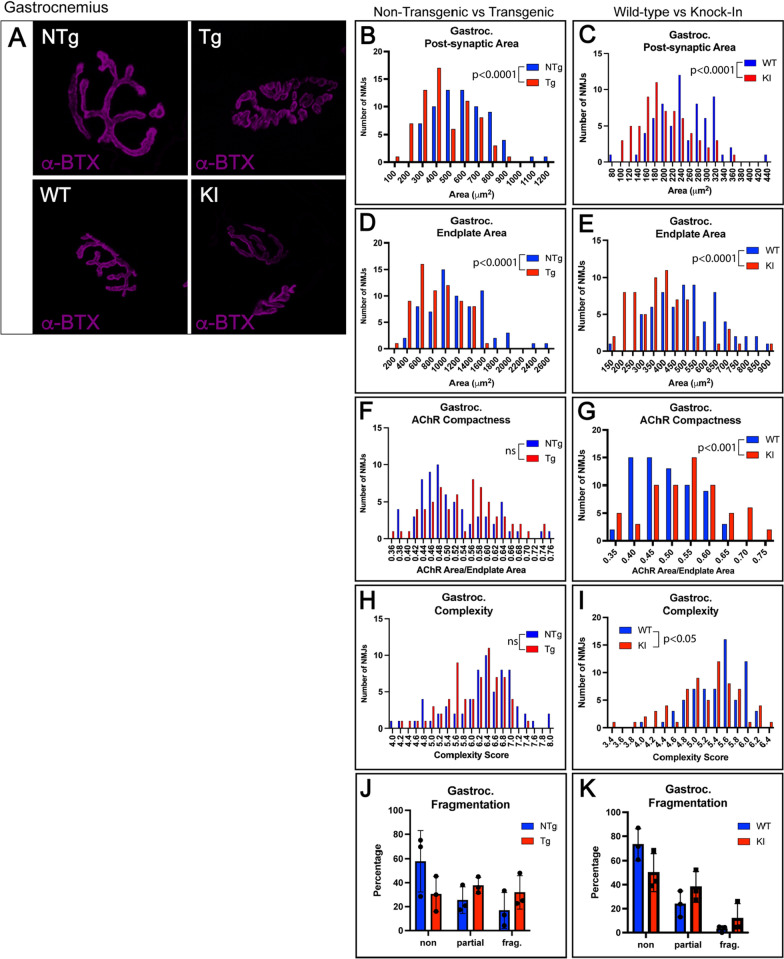
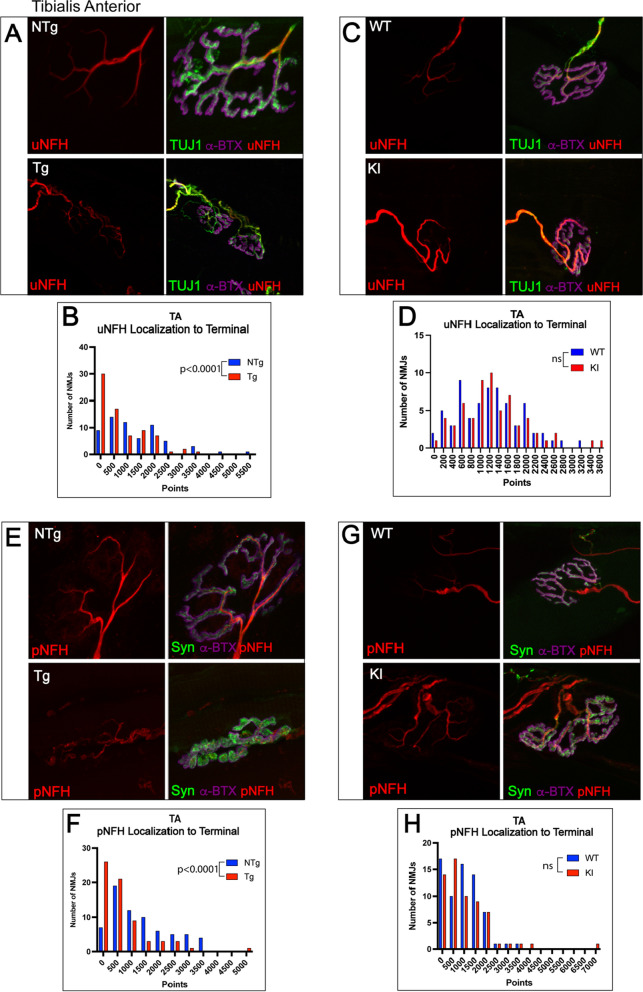
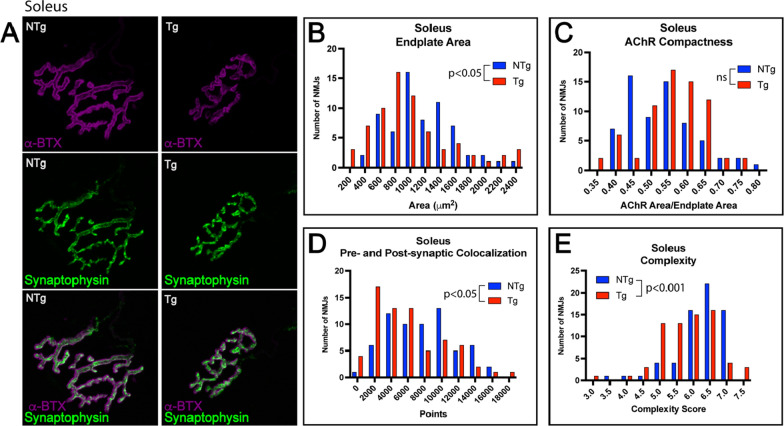
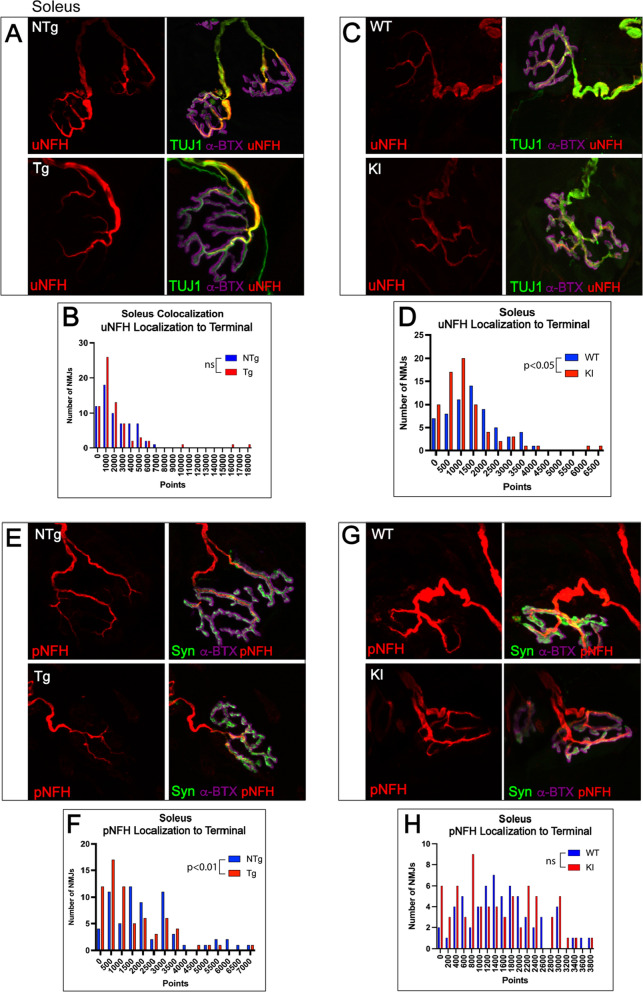
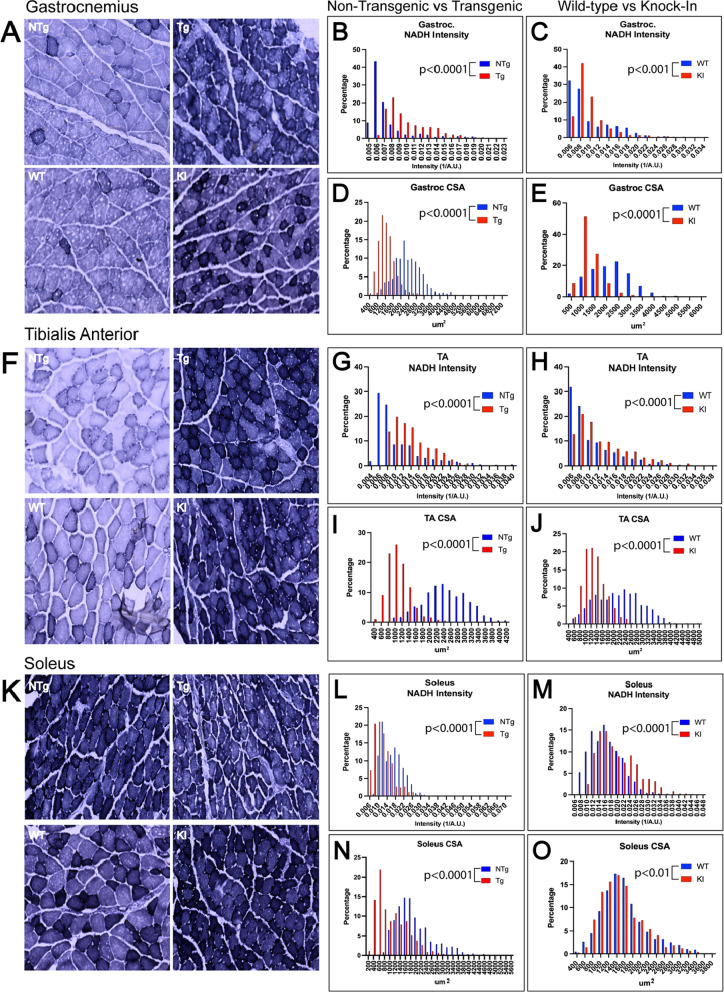
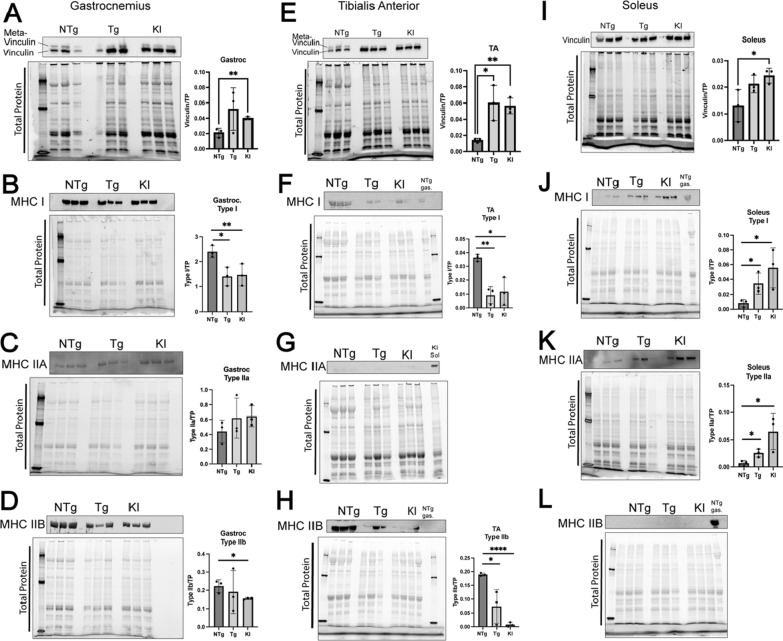
Spinal and bulbar muscular atrophy (SBMA) is an X-linked, neuromuscular neurodegenerative disease for which there is no cure. The disease is characterized by a selective decrease in fast-muscle power (e.g., tongue pressure, grip strength) accompanied by a selective loss of fast-twitch muscle fibers. However, the relationship between neuromuscular junction (NMJ) pathology and fast-twitch motor unit vulnerability has yet to be explored. In this study, we used a cross-model comparison of two mouse models of SBMA to evaluate neuromuscular junction pathology, glycolytic-to-oxidative fiber-type switching, and cytoskeletal alterations in pre- and postsynaptic termini of tibialis anterior (TA), gastrocnemius, and soleus hindlimb muscles. We observed significantly increased NMJ and myofiber pathology in fast-twitch, glycolytic motor units of the TA and gastrocnemius compared to slow-twitch, oxidative motor units of the soleus, as seen by decreased pre- and post-synaptic membrane area, decreased pre- and post-synaptic membrane colocalization, increased acetylcholine receptor compactness, a decrease in endplate area and complexity, and deficits in neurofilament heavy chain. Our data also show evidence for metabolic dysregulation and myofiber atrophy that correlate with severity of NMJ pathology. We propose a model in which the dynamic communicative relationship between the motor neuron and muscle, along with the developmental subtype of the muscle, promotes motor unit subtype specific vulnerability, metabolic alterations, and NMJ pathology.
脊髓延髓肌肉萎缩症 (SBMA) 是一种 X 连锁的神经肌肉退行性疾病,目前尚无治愈方法。该疾病的特征是快速肌力量选择性下降(例如,舌压、握力),同时伴有快速肌纤维选择性丧失。然而,运动神经元和肌肉之间的动态通讯关系以及肌肉的发育亚型,可能会导致运动单位易损性、代谢改变和神经肌肉接头病理学的特定变化。在这项研究中,我们使用两种 SBMA 小鼠模型的交叉模型比较,来评估神经肌肉接头病理学、糖酵解-氧化纤维类型转换以及前、后突触终末的细胞骨架改变。我们观察到,与比目鱼肌的慢收缩、氧化运动单位相比,胫骨前肌和腓肠肌的快收缩、糖酵解运动单位中 NMJ 和肌纤维病理学显著增加,表现为前、后突触膜面积减少,前、后突触膜共定位减少,乙酰胆碱受体致密化增加,终板面积和复杂性减少,神经丝重链减少。我们的数据还表明存在代谢失调和肌纤维萎缩,这与 NMJ 病理学的严重程度相关。我们提出了一个模型,其中运动神经元和肌肉之间的动态通讯关系以及肌肉的发育亚型,促进了运动单位亚型特异性易损性、代谢改变和 NMJ 病理学。