Instituto Cajal (CSIC), Av Dr. Arce 37, 28002, Madrid, Spain.
Department of Physiology, Faculty of Medicine, Universidad Complutense de Madrid IdISSC, Avda Complutense s/n, 28040, Madrid, Spain.
Nat Commun. 2022 Jul 7;13(1):3913. doi: 10.1038/s41467-022-31635-3.
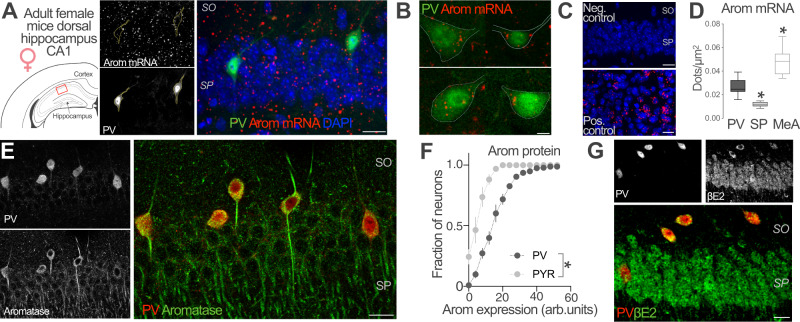
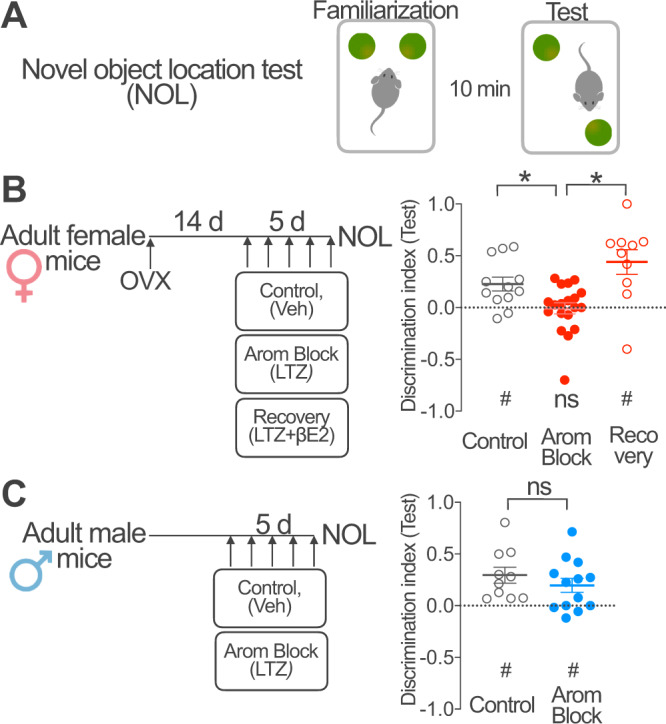
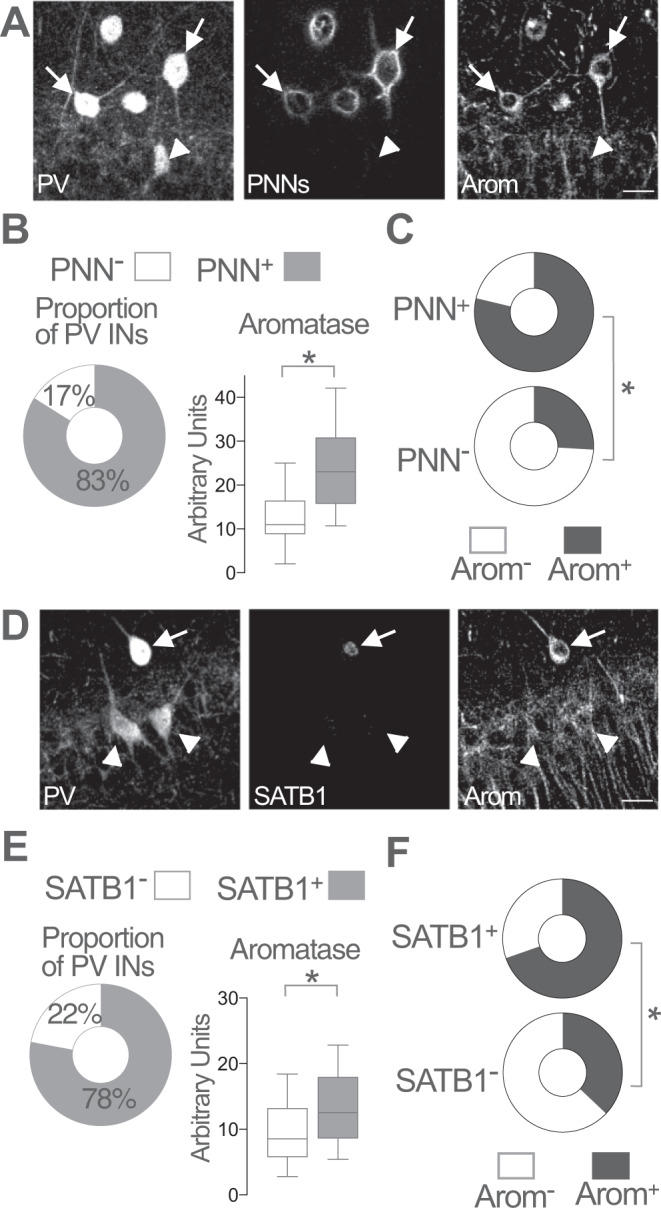
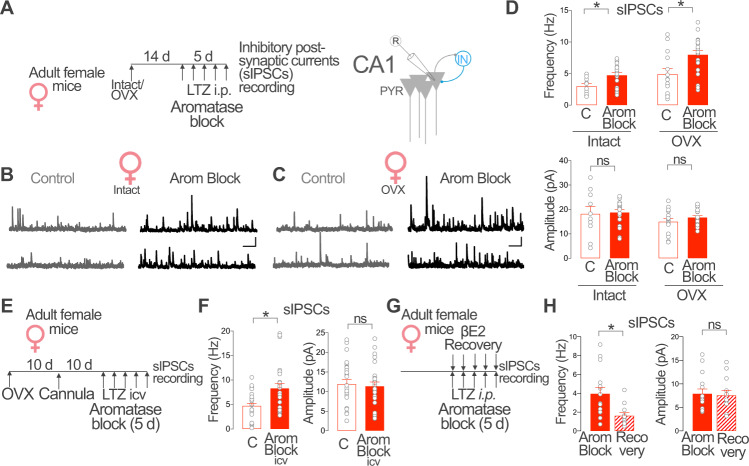
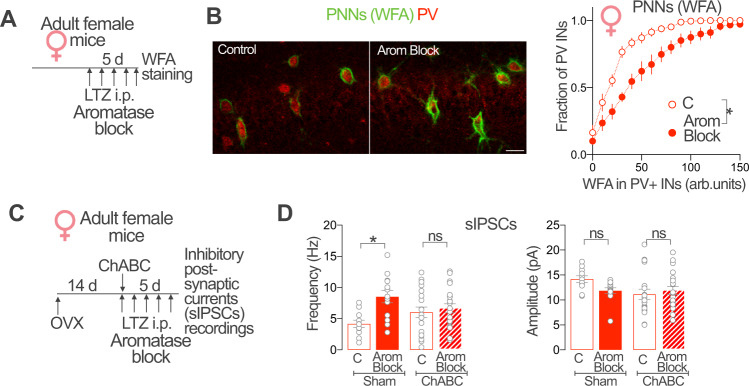
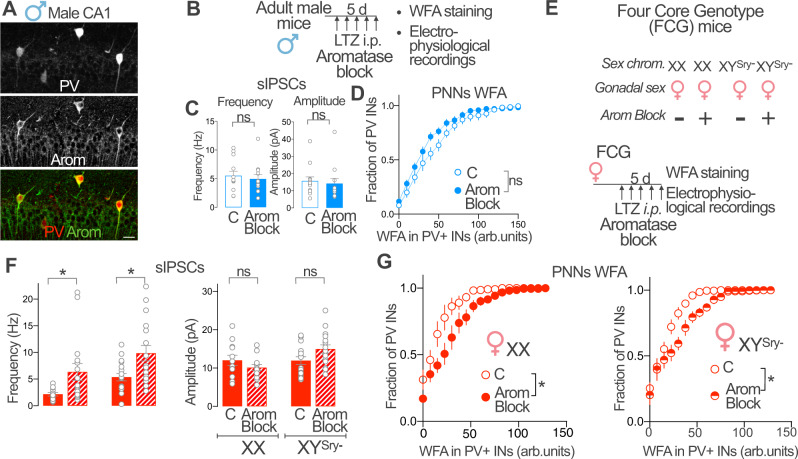
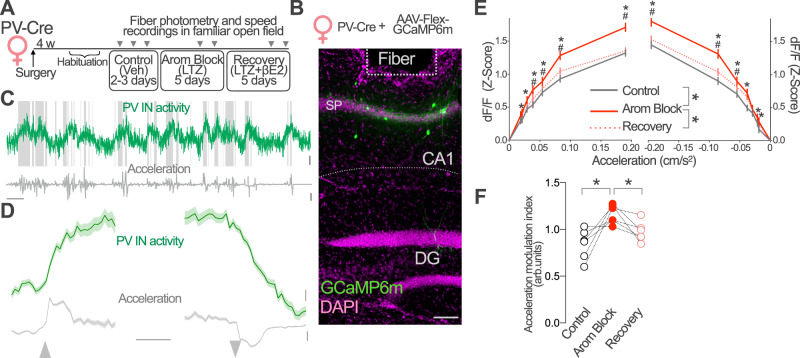
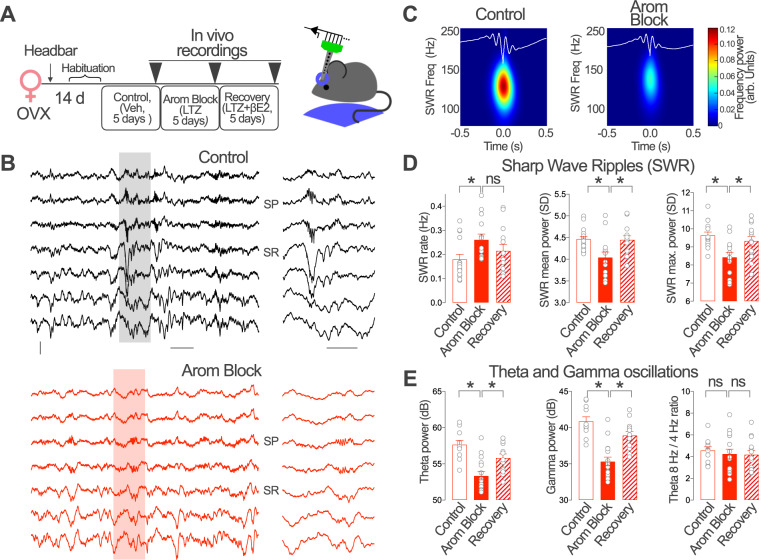
Cognitive function relies on a balanced interplay between excitatory and inhibitory neurons (INs), but the impact of estradiol on IN function is not fully understood. Here, we characterize the regulation of hippocampal INs by aromatase, the enzyme responsible for estradiol synthesis, using a combination of molecular, genetic, functional and behavioral tools. The results show that CA1 parvalbumin-expressing INs (PV-INs) contribute to brain estradiol synthesis. Brain aromatase regulates synaptic inhibition through a mechanism that involves modification of perineuronal nets enwrapping PV-INs. In the female brain, aromatase modulates PV-INs activity, the dynamics of network oscillations and hippocampal-dependent memory. Aromatase regulation of PV-INs and inhibitory synapses is determined by the gonads and independent of sex chromosomes. These results suggest PV-INs are mediators of estrogenic regulation of behaviorally-relevant activity.
认知功能依赖于兴奋性和抑制性神经元(INs)之间的平衡相互作用,但雌激素对 INs 功能的影响尚未完全阐明。在这里,我们使用分子、遗传、功能和行为工具的组合,描述了负责雌激素合成的酶——芳香酶对海马 INs 的调节。结果表明,CA1 表达 Parvalbumin 的 INs(PV-INs)有助于大脑雌激素的合成。脑芳香酶通过一种涉及修饰包裹 PV-INs 的周围神经网的机制来调节突触抑制。在女性大脑中,芳香酶调节 PV-INs 的活性、网络振荡的动力学和海马依赖的记忆。PV-INs 和抑制性突触的芳香酶调节取决于性腺,与性染色体无关。这些结果表明,PV-INs 是雌激素对行为相关活动调节的介导者。