Sir Michael Uren Hub, Imperial College London, White City Campus, 86 Wood Lane, London, W12 0BZ, UK.
BMC Musculoskelet Disord. 2022 Jul 7;23(1):649. doi: 10.1186/s12891-022-05595-0.
This review sought to evaluate the literature on the initial assessment and diagnostic pathway for patients with a suspected Anterior Cruciate Ligament (ACL) tear.
MEDLINE, EMBASE, and CINAHL were systematically searched for eligible studies, PRISMA guidelines were followed. Studies were included if they used at least one assessment method to assess for ACL injury and participants were assessed at an acute trauma centre within 6-weeks of injury. Article quality was evaluated using the QUADAS-2 checklist.
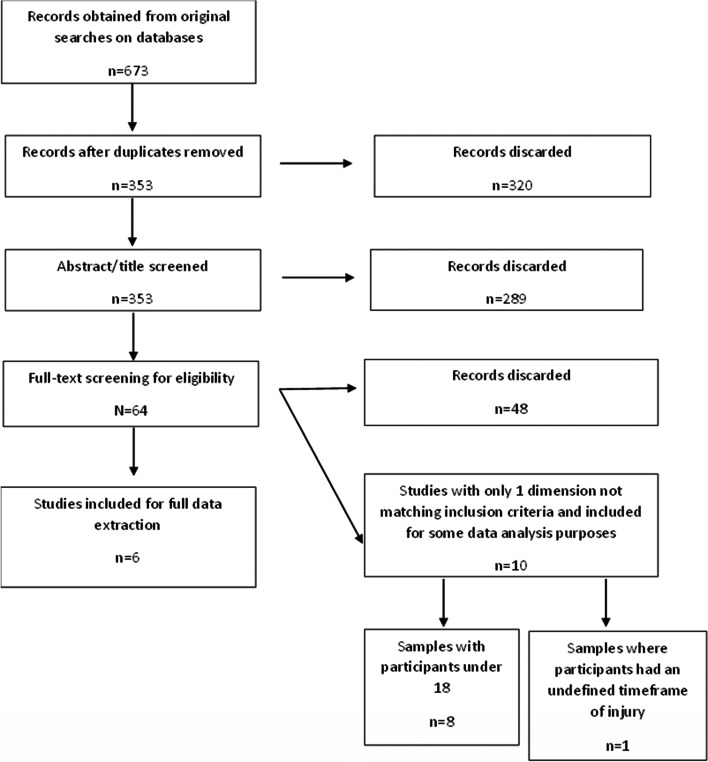
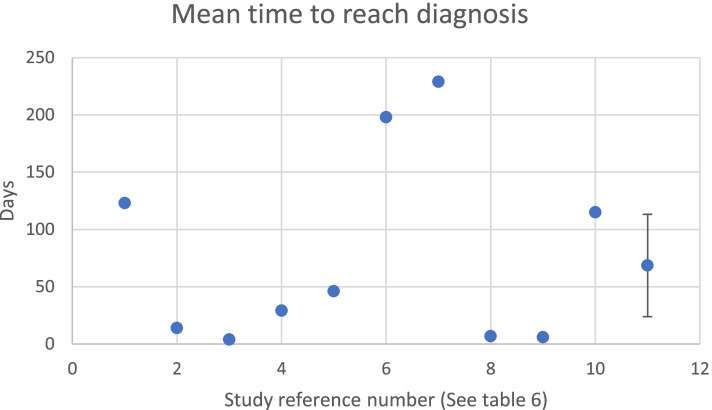
A total of 353 studies were assessed for eligibility, 347 were excluded for the following reasons: injuries were not assessed in an acute trauma setting, injuries were not acute, participants had previous ACL injuries or chronic joint deformities affecting the knee, participants were under 18, or participants included animals or cadavers. A total of six studies were included in the review. Common assessment methods included: laxity tests, joint effusion, inability to continue activity, and a history of a 'pop' and 'giving way' at the time of injury. Diagnostic accuracy varied greatly between the assessment method and the assessing clinician. Gold standard diagnostics were MRI and arthroscopy. A weighted meta-mean calculated the time to reach diagnosis to be 68.60 days [CI 23.94, 113.24]. The mean number of appointments to reach diagnosis varied from 2-5. Delay to surgery or surgical consultation ranged from 61 to 328 days.
Clinicians in the Emergency Department are not proficient in performing the assessment methods that are used for diagnosis in acute ACL injury. Reliance on specialist assessments or radiological methods inevitably increases the time to reach a diagnosis, which has repercussions on management options. There is an ever-growing demand to improve diagnostic accuracy and efficiency; further exploration into quantitative measures of instability would aid the assessment of peripheral joint assessment.
本综述旨在评估疑似前交叉韧带(ACL)撕裂患者的初步评估和诊断途径的文献。
系统检索了 MEDLINE、EMBASE 和 CINAHL 中的合格研究,遵循 PRISMA 指南。如果研究使用至少一种评估方法评估 ACL 损伤,且参与者在受伤后 6 周内于急性创伤中心接受评估,则纳入研究。使用 QUADAS-2 清单评估文章质量。
共评估了 353 项研究的资格,其中 347 项因以下原因被排除在外:损伤不是在急性创伤环境中评估的,损伤不是急性的,参与者以前有 ACL 损伤或影响膝关节的慢性关节畸形,参与者未满 18 岁,或参与者包括动物或尸体。共有 6 项研究纳入综述。常见的评估方法包括:松弛试验、关节积液、无法继续活动以及受伤时的“弹响”和“突然失控”病史。评估方法和评估临床医生之间的诊断准确性差异很大。金标准诊断为 MRI 和关节镜检查。加权 meta-均值计算出的诊断时间为 68.60 天[CI 23.94, 113.24]。达到诊断所需的平均就诊次数从 2 次到 5 次不等。延迟手术或手术咨询的时间从 61 天到 328 天不等。
急诊科的临床医生不擅长进行用于急性 ACL 损伤诊断的评估方法。依赖专家评估或放射学方法不可避免地会延长诊断时间,从而影响管理选择。越来越需要提高诊断准确性和效率;进一步探索关节周围不稳定性的定量测量方法将有助于评估周围关节的评估。