Tiek Deanna, Cheng Shi-Yuan
The Ken & Ruth Davee Department of Neurology, Lou and Jean Malnati Brain Tumor Institute at Northwestern Medicine, Robert H. Lurie Comprehensive Cancer Center, and Simpson Querry Institute for Epigenetics, Northwestern University, Feinberg School of Medicine, 303 E Superior St, Chicago, IL 60611, USA.
Cancer Drug Resist. 2022 May 5;5(2):368-379. doi: 10.20517/cdr.2021.148. eCollection 2022.
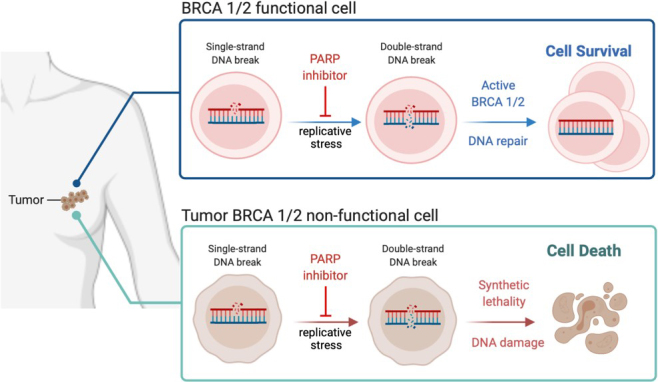
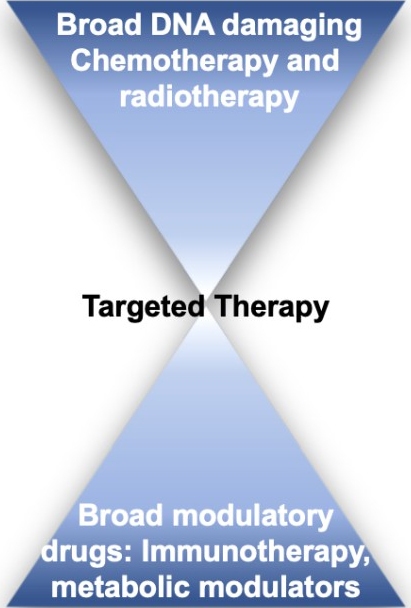
Cancer drug resistance is one of the main barriers to overcome to ensure durable treatment responses. While many pivotal advances have been made in first combination therapies, then targeted therapies, and now broadening out to immunomodulatory drugs or metabolic targeting compounds, drug resistance is still ultimately universally fatal. In this brief review, we will discuss different strategies that have been used to fight drug resistance from synthetic lethality to tumor microenvironment modulation, focusing on the DNA damage response and tumor metabolism both within tumor cells and their surrounding microenvironment. In this way, with a better understanding of both targetable mutations in combination with the metabolism, smarter drugs may be designed to combat cancer drug resistance.
癌症耐药性是确保持久治疗反应需要克服的主要障碍之一。虽然在最初的联合疗法、随后的靶向疗法以及现在扩展到免疫调节药物或代谢靶向化合物方面已经取得了许多关键进展,但耐药性最终仍然是普遍致命的。在这篇简短的综述中,我们将讨论从合成致死到肿瘤微环境调节等用于对抗耐药性的不同策略,重点关注肿瘤细胞及其周围微环境中的DNA损伤反应和肿瘤代谢。通过这种方式,在更好地理解可靶向突变与代谢的结合后,或许可以设计出更智能的药物来对抗癌症耐药性。