Caragher Seamus, Miska Jason, Shireman Jack, Park Cheol H, Muroski Megan, Lesniak Maciej S, Ahmed Atique U
Department of Neurological Surgery, Feinberg School of Medicine, Northwestern University, 303 E Superior Street, Chicago, IL 60611, USA.
Cancers (Basel). 2020 Oct 26;12(11):3126. doi: 10.3390/cancers12113126.
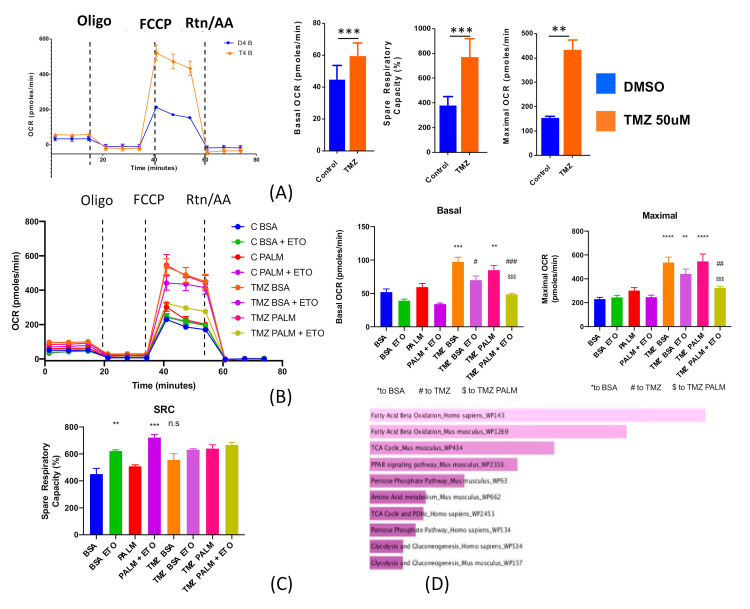
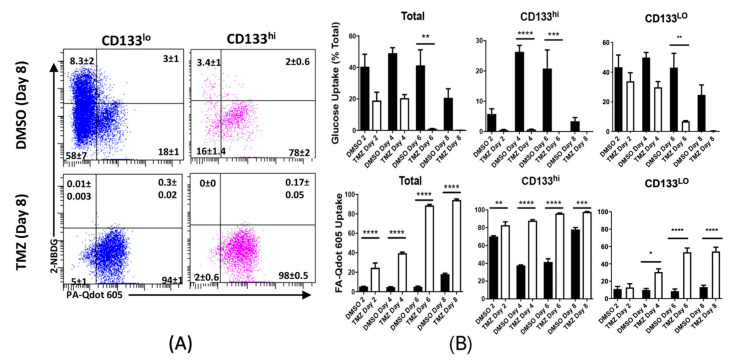
Among all cancers, glioblastoma (GBM) remains one of the least treatable. One key factor in this resistance is a subpopulation of tumor cells termed glioma stem cells (GSCs). These cells are highly resistant to current treatment modalities, possess marked self-renewal capacity, and are considered key drivers of tumor recurrence. Further complicating an understanding of GBM, evidence shows that the GSC population is not a pre-ordained and static group of cells but also includes previously differentiated GBM cells that have attained a GSC state secondary to environmental cues. The metabolic behavior of GBM cells undergoing plasticity remains incompletely understood. To that end, we probed the connection between GSCs, environmental cues, and metabolism. Using patient-derived xenograft cells, mouse models, transcriptomics, and metabolic analyses, we found that cell state changes are accompanied by sharp changes in metabolic phenotype. Further, treatment with temozolomide, the current standard of care drug for GBM, altered the metabolism of GBM cells and increased fatty acid uptake both in vitro and in vivo in the plasticity driven GSC population. These results indicate that temozolomide-induced changes in cell state are accompanied by metabolic shifts-a potentially novel target for enhancing the effectiveness of current treatment modalities.
在所有癌症中,胶质母细胞瘤(GBM)仍然是最难治疗的癌症之一。这种耐药性的一个关键因素是肿瘤细胞亚群,即胶质瘤干细胞(GSCs)。这些细胞对当前的治疗方式具有高度抗性,具有显著的自我更新能力,并且被认为是肿瘤复发的关键驱动因素。进一步使对GBM的理解复杂化的是,有证据表明,GSC群体不是一组预先确定的静态细胞,还包括先前已分化的GBM细胞,这些细胞在环境信号的作用下进入了GSC状态。对经历可塑性变化的GBM细胞的代谢行为仍不完全清楚。为此,我们探究了GSCs、环境信号和代谢之间的联系。通过使用患者来源的异种移植细胞、小鼠模型、转录组学和代谢分析,我们发现细胞状态变化伴随着代谢表型的急剧变化。此外,使用替莫唑胺(GBM目前的标准护理药物)进行治疗,改变了GBM细胞的代谢,并在体外和体内增加了可塑性驱动的GSC群体中的脂肪酸摄取。这些结果表明,替莫唑胺诱导的细胞状态变化伴随着代谢转变——这可能是提高当前治疗方式有效性的一个新靶点。