Inoue Ryota, Tsuno Takahiro, Togashi Yu, Okuyama Tomoko, Sato Aoi, Nishiyama Kuniyuki, Kyohara Mayu, Li Jinghe, Fukushima Setsuko, Kin Tatsuya, Miyashita Daisuke, Shiba Yusuke, Atobe Yoshitoshi, Kiyonari Hiroshi, Bando Kana, Shapiro A M James, Funakoshi Kengo, Kulkarni Rohit N, Terauchi Yasuo, Shirakawa Jun
Laboratory of Diabetes and Metabolic Disorders, Institute for Molecular and Cellular Regulation (IMCR), Gunma University, 3-39-15 Showa-machi, Maebashi 371-8512, Japan.
Department of Endocrinology and Metabolism, Graduate School of Medicine, Yokohama City University, Yokohama 236-0004, Japan.
iScience. 2022 Jun 14;25(7):104603. doi: 10.1016/j.isci.2022.104603. eCollection 2022 Jul 15.
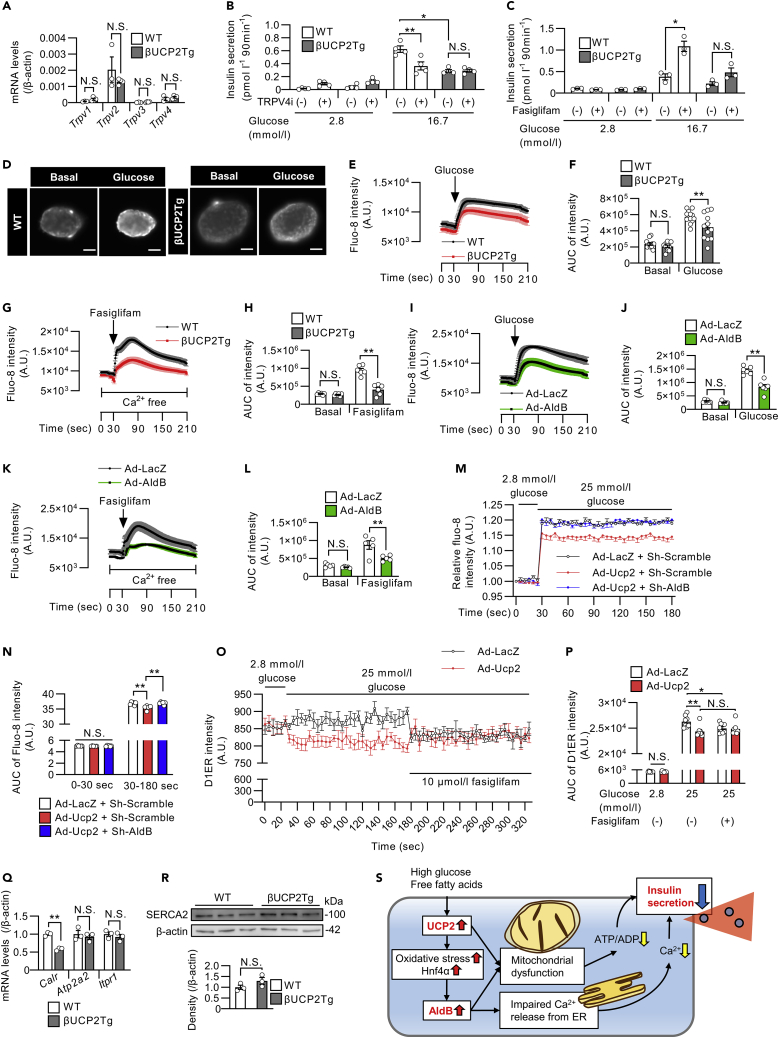
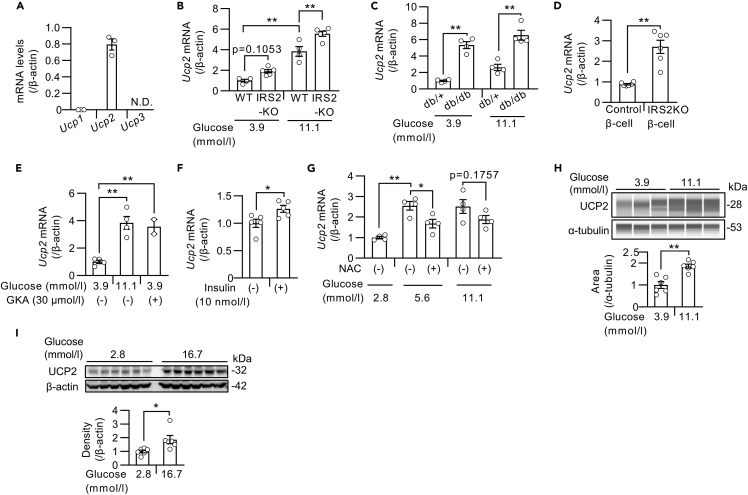
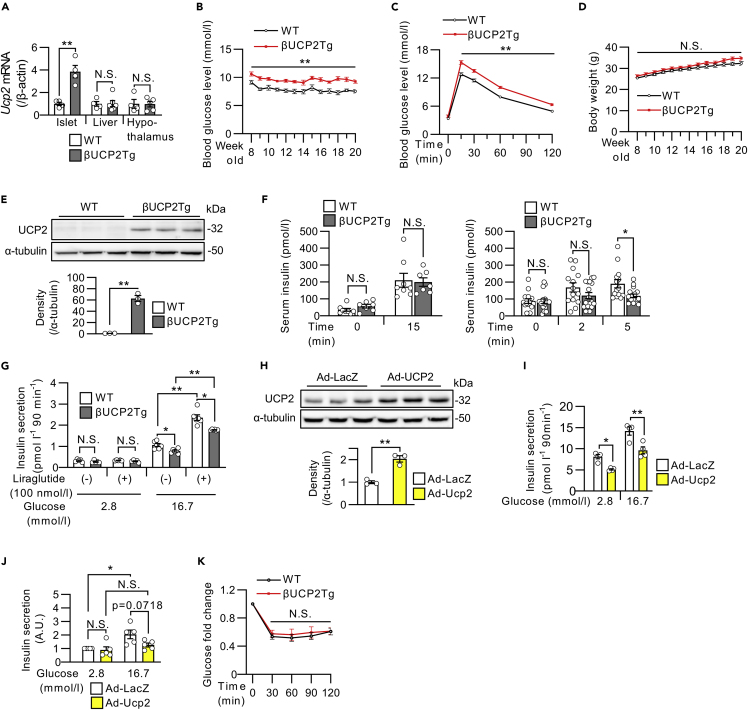
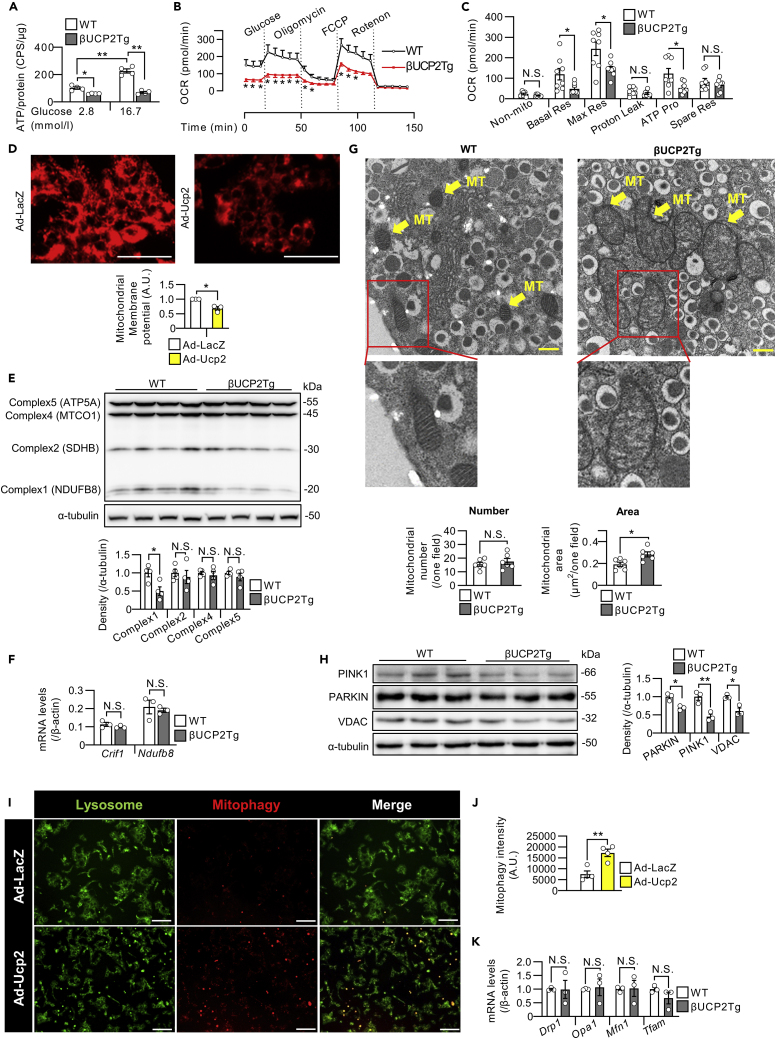
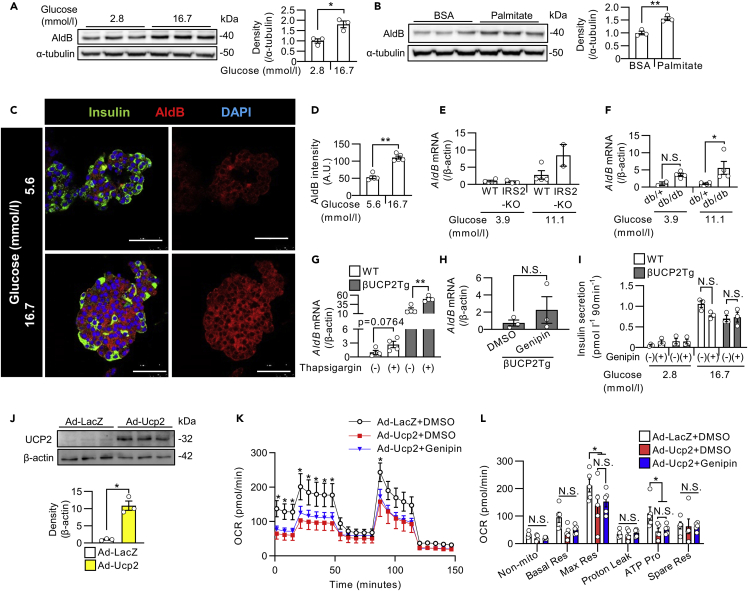
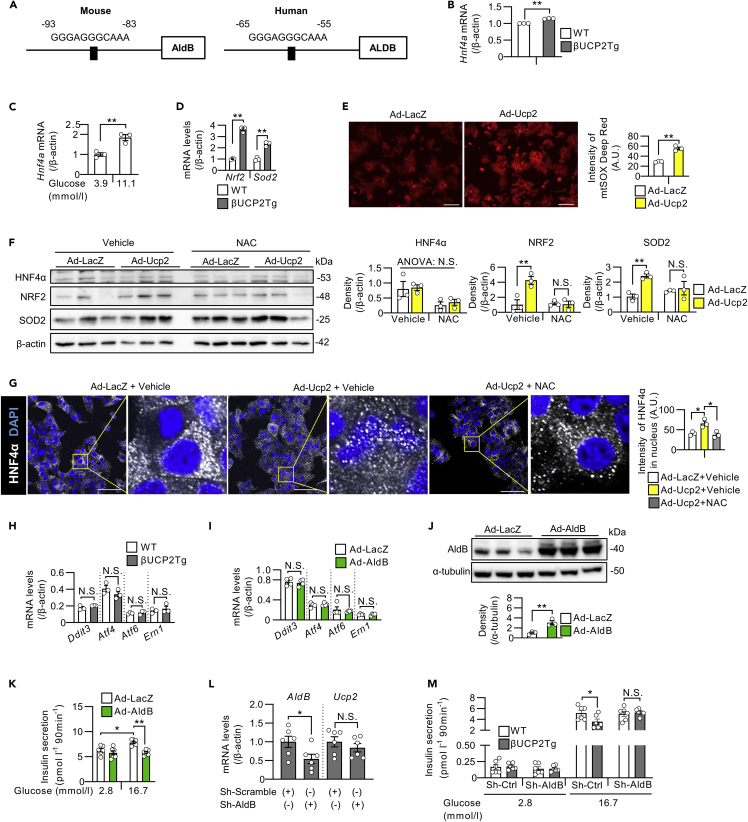
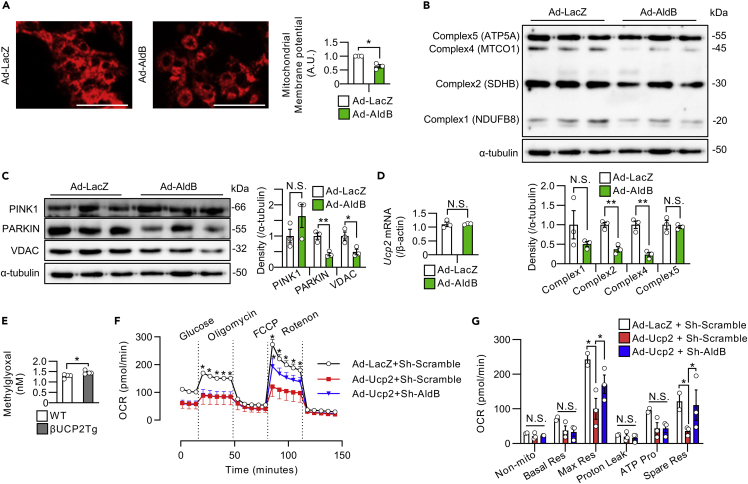
Uncoupling protein 2 (UCP2), a mitochondrial protein, is known to be upregulated in pancreatic islets of patients with type 2 diabetes (T2DM); however, the pathological significance of this increase in UCP2 expression is unclear. In this study, we highlight the molecular link between the increase in UCP2 expression in β-cells and β-cell failure by using genetically engineered mice and human islets. β-cell-specific UCP2-overexpressing transgenic mice (βUCP2Tg) exhibited glucose intolerance and a reduction in insulin secretion. Decreased mitochondrial function and increased aldolase B (AldB) expression through oxidative-stress-mediated pathway were observed in βUCP2Tg islets. AldB, a glycolytic enzyme, was associated with reduced insulin secretion via mitochondrial dysfunction and impaired calcium release from the endoplasmic reticulum (ER). Taken together, our findings provide a new mechanism of β-cell dysfunction by UCP2 and AldB. Targeting the UCP2/AldB axis is a promising approach for the recovery of β-cell function.
解偶联蛋白2(UCP2)是一种线粒体蛋白,已知在2型糖尿病(T2DM)患者的胰岛中表达上调;然而,UCP2表达增加的病理意义尚不清楚。在本研究中,我们通过使用基因工程小鼠和人类胰岛,揭示了β细胞中UCP2表达增加与β细胞功能衰竭之间的分子联系。β细胞特异性过表达UCP2的转基因小鼠(βUCP2Tg)表现出葡萄糖不耐受和胰岛素分泌减少。在βUCP2Tg胰岛中观察到线粒体功能下降以及通过氧化应激介导的途径导致醛缩酶B(AldB)表达增加。AldB是一种糖酵解酶,通过线粒体功能障碍和内质网(ER)钙释放受损与胰岛素分泌减少有关。综上所述,我们的研究结果提供了一种由UCP2和AldB导致β细胞功能障碍的新机制。靶向UCP2/AldB轴是恢复β细胞功能的一种有前景的方法。