Papandrianos Nikolaos I, Feleki Anna, Papageorgiou Elpiniki I, Martini Chiara
Department of Energy Systems, University of Thessaly, Gaiopolis Campus, 41500 Larisa, Greece.
Department of Diagnostic, Parma University Hospital, Via Gramsci 14, 43125 Parma, Italy.
J Clin Med. 2022 Jul 5;11(13):3918. doi: 10.3390/jcm11133918.
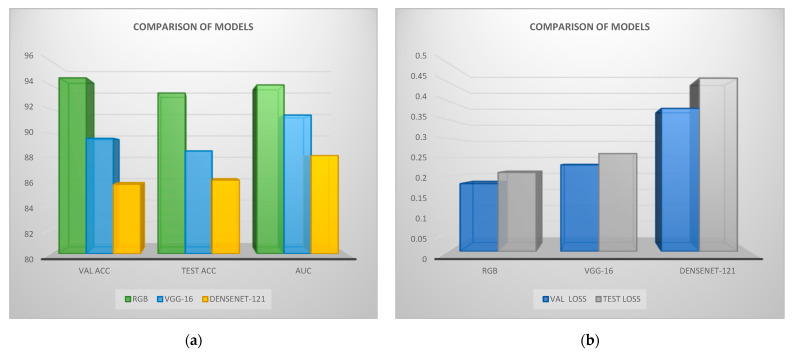
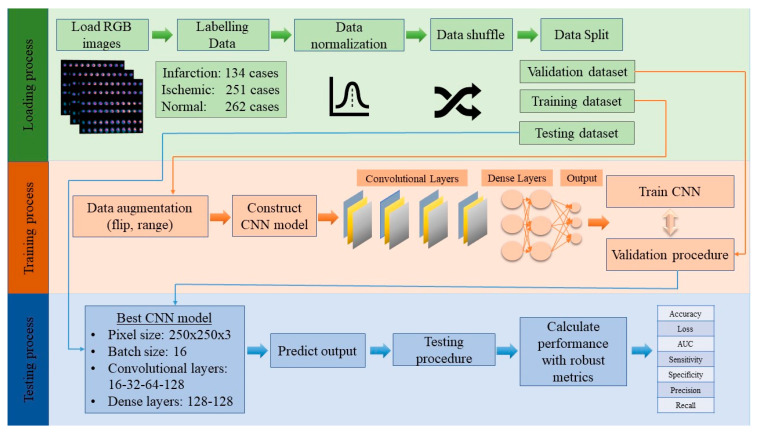
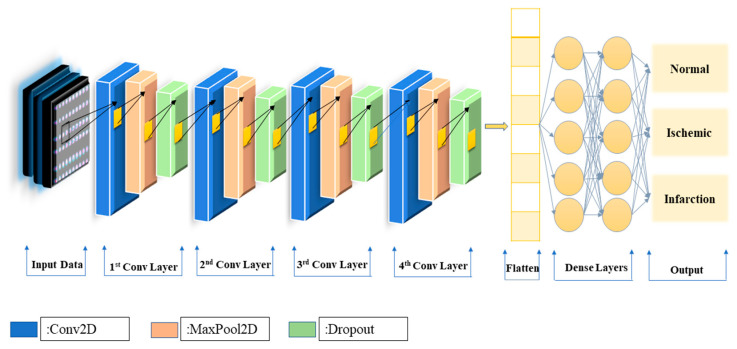
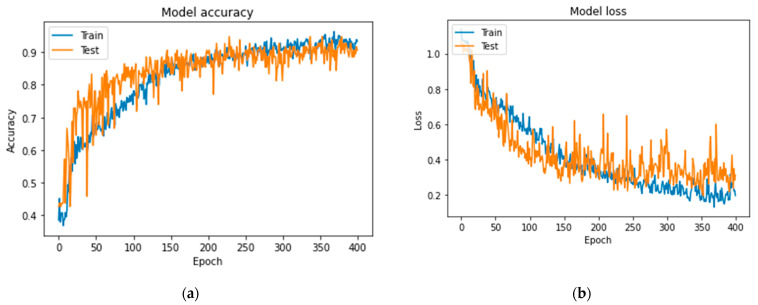
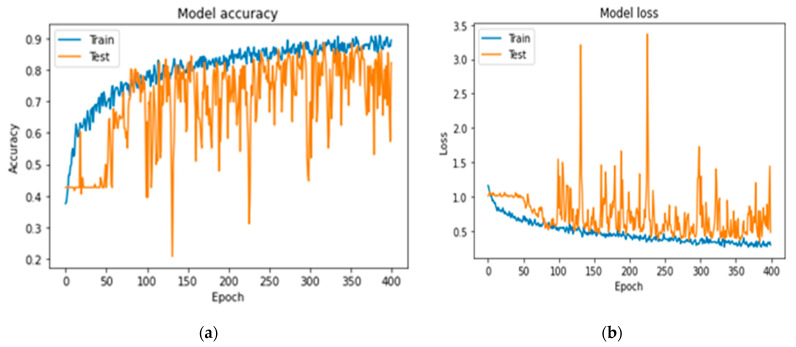
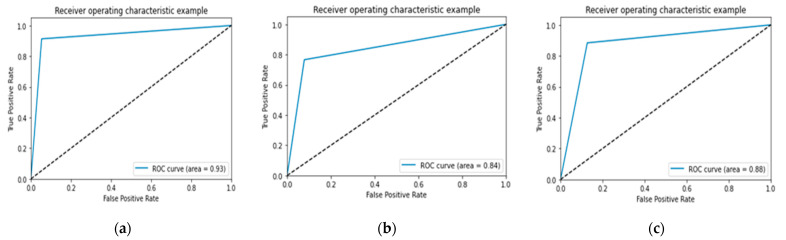
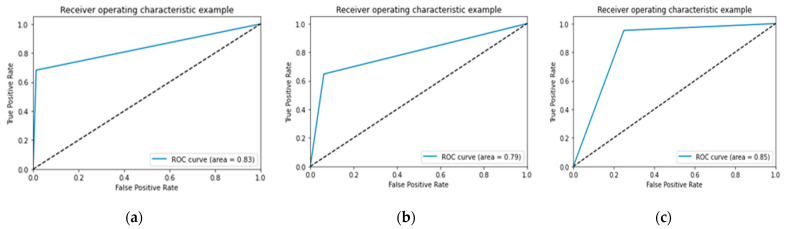
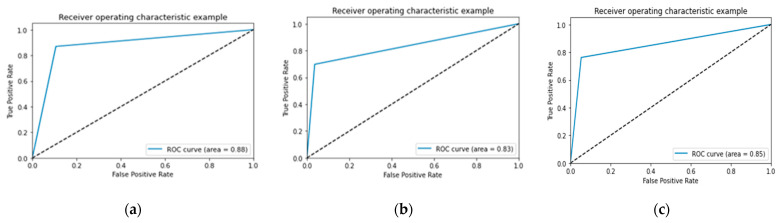
(1) Background: Single-photon emission computed tomography (SPECT) myocardial perfusion imaging (MPI) is a long-established estimation methodology for medical diagnosis using image classification illustrating conditions in coronary artery disease. For these procedures, convolutional neural networks have proven to be very beneficial in achieving near-optimal accuracy for the automatic classification of SPECT images. (2) Methods: This research addresses the supervised learning-based ideal observer image classification utilizing an RGB-CNN model in heart images to diagnose CAD. For comparison purposes, we employ VGG-16 and DenseNet-121 pre-trained networks that are indulged in an image dataset representing stress and rest mode heart states acquired by SPECT. In experimentally evaluating the method, we explore a wide repertoire of deep learning network setups in conjunction with various robust evaluation and exploitation metrics. Additionally, to overcome the image dataset cardinality restrictions, we take advantage of the data augmentation technique expanding the set into an adequate number. Further evaluation of the model was performed via 10-fold cross-validation to ensure our model's reliability. (3) Results: The proposed RGB-CNN model achieved an accuracy of 91.86%, while VGG-16 and DenseNet-121 reached 88.54% and 86.11%, respectively. (4) Conclusions: The abovementioned experiments verify that the newly developed deep learning models may be of great assistance in nuclear medicine and clinical decision-making.
(1)背景:单光子发射计算机断层扫描(SPECT)心肌灌注成像(MPI)是一种长期使用的医学诊断评估方法,通过图像分类来说明冠状动脉疾病的情况。对于这些程序,卷积神经网络已被证明在实现SPECT图像自动分类的接近最优准确性方面非常有益。(2)方法:本研究利用RGB-CNN模型对心脏图像进行基于监督学习的理想观察者图像分类,以诊断CAD。为了进行比较,我们采用了VGG-16和DenseNet-121预训练网络,这些网络应用于一个图像数据集,该数据集代表了通过SPECT获取的应激和静息状态下的心脏状态。在对该方法进行实验评估时,我们结合各种强大的评估和利用指标,探索了多种深度学习网络设置。此外,为了克服图像数据集基数限制,我们利用数据增强技术将数据集扩展到足够数量。通过10折交叉验证对模型进行进一步评估,以确保我们模型的可靠性。(3)结果:所提出的RGB-CNN模型的准确率达到91.86%,而VGG-16和DenseNet-121分别达到88.54%和86.11%。(4)结论:上述实验证明,新开发的深度学习模型可能对核医学和临床决策有很大帮助。