Pharmacological Sciences Research Lab, Department of Pharmacy, Faculty of Biological Sciences, Quaid-i-Azam University, Islamabad 45320, Pakistan.
Faculty of Pharmaceutical Sciences, Abasyn University, Peshawar 25000, Pakistan.
Molecules. 2022 Jul 5;27(13):4319. doi: 10.3390/molecules27134319.
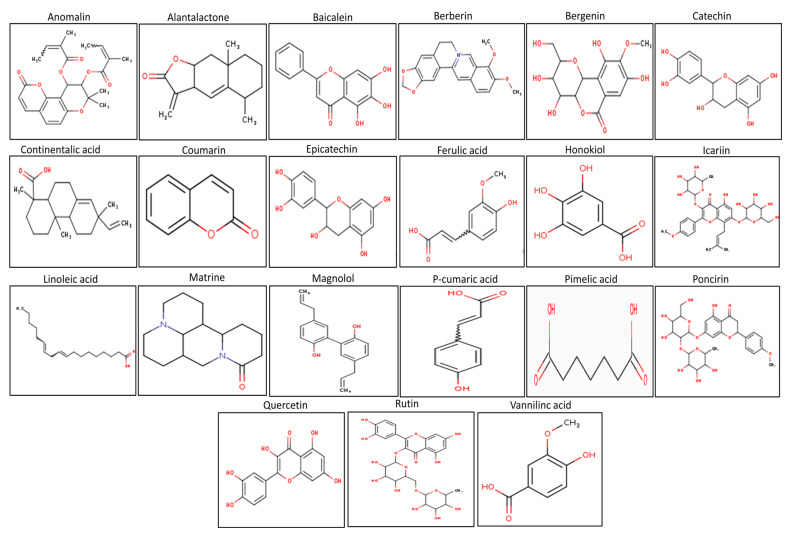
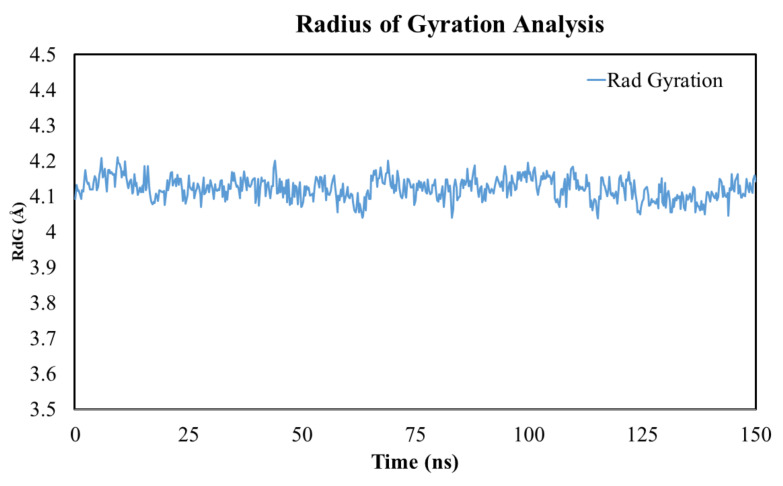
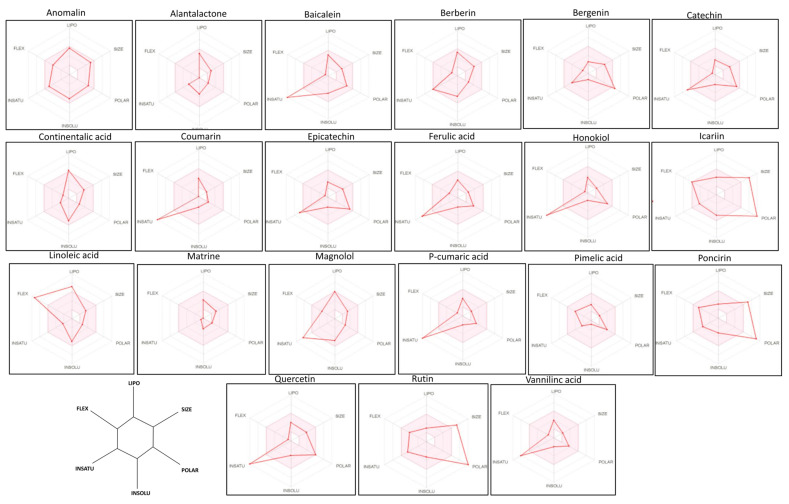
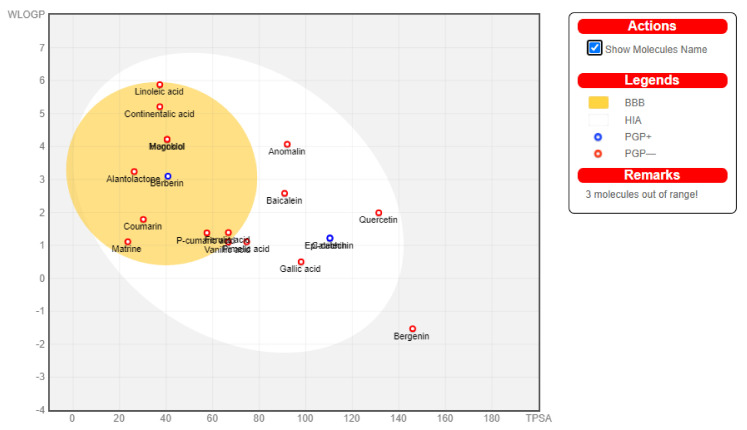
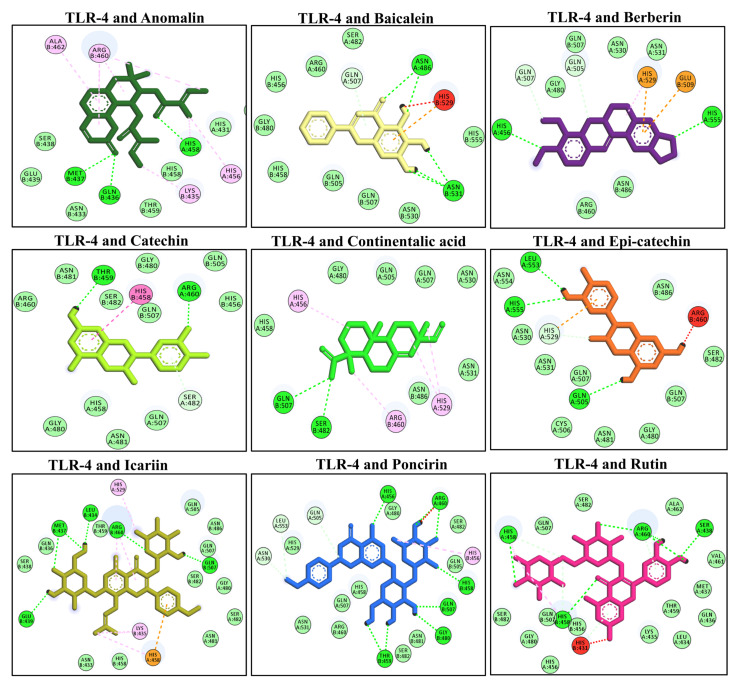
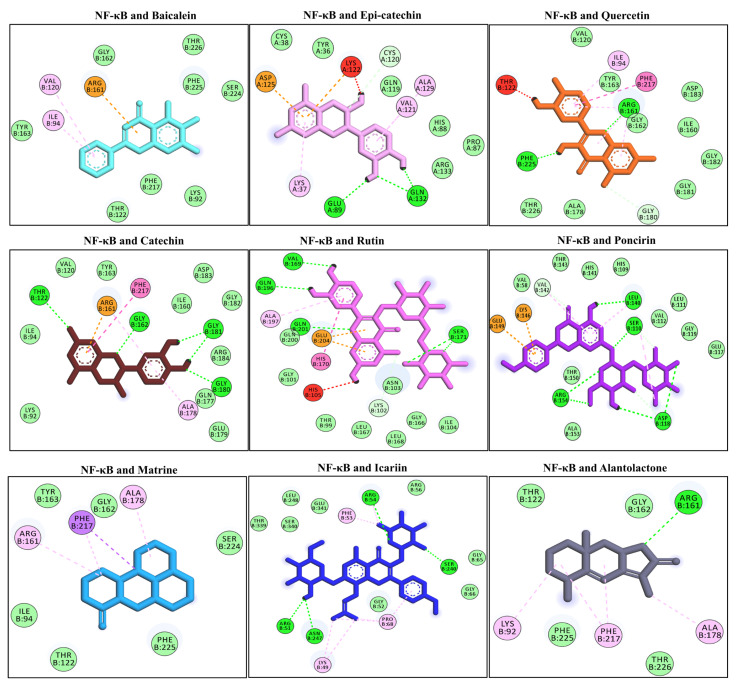
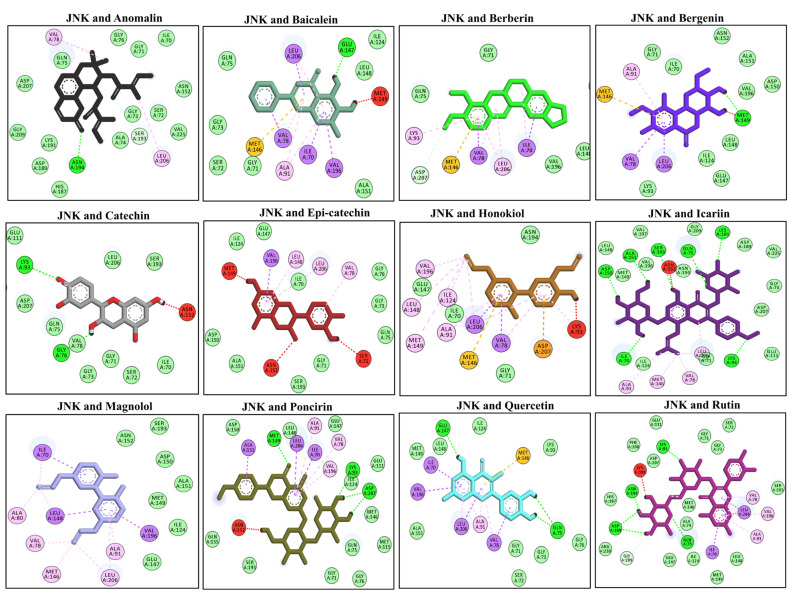
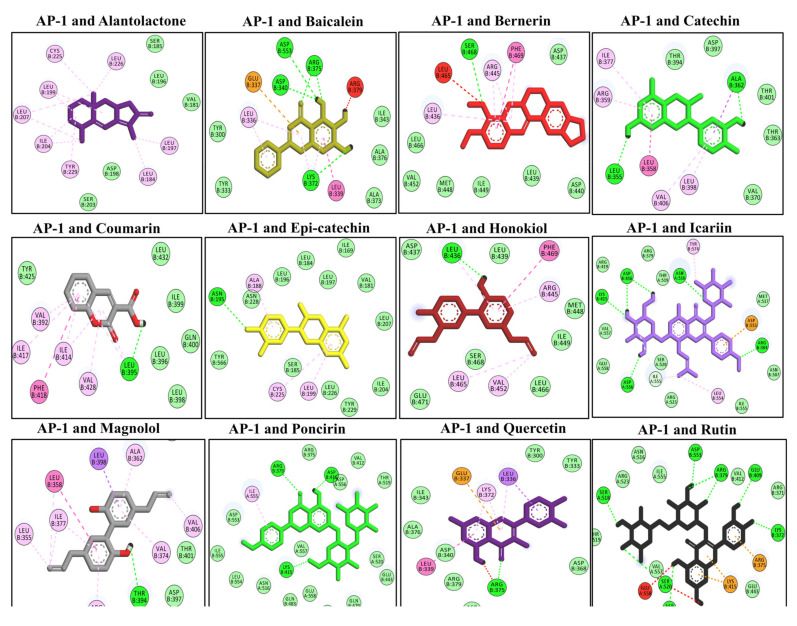
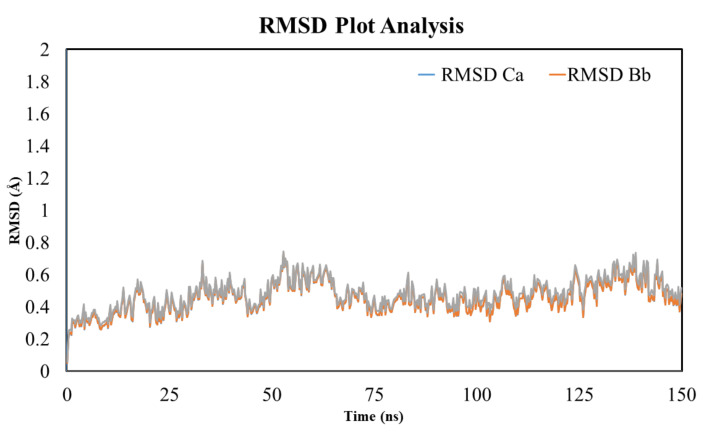
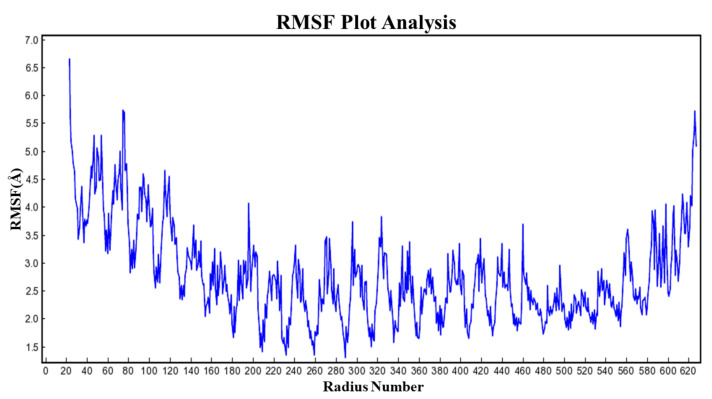
Plants are an important source of drug development and numerous plant derived molecules have been used in clinical practice for the ailment of various diseases. The Toll-like receptor-4 (TLR-4) signaling pathway plays a crucial role in inflammation including rheumatoid arthritis. The TLR-4 binds with pro-inflammatory ligands such as lipopolysaccharide (LPS) to induce the downstream signaling mechanism such as nuclear factor κappa B (NF-κB) and mitogen activated protein kinases (MAPKs). This signaling activation leads to the onset of various diseases including inflammation. In the present study, 22 natural compounds were studied against TLR-4/AP-1 signaling, which is implicated in the inflammatory process using a computational approach. These compounds belong to various classes such as methylxanthine, sesquiterpene lactone, alkaloid, flavone glycosides, lignan, phenolic acid, etc. The compounds exhibited different binding affinities with the TLR-4, JNK, NF-κB, and AP-1 protein due to the formation of multiple hydrophilic and hydrophobic interactions. With TLR-4, rutin had the highest binding energy (-10.4 kcal/mol), poncirin had the highest binding energy (-9.4 kcal/mol) with NF-κB and JNK (-9.5 kcal/mol), respectively, and icariin had the highest binding affinity (-9.1 kcal/mol) with the AP-1 protein. The root means square deviation (RMSD), root mean square fraction (RMSF), and radius of gyration (RoG) for 150 ns were calculated using molecular dynamic simulation (MD simulation) based on rutin's greatest binding energy with TLR-4. The RMSD, RMSF, and RoG were all within acceptable limits in the MD simulation, and the complex remained stable for 150 ns. Furthermore, these compounds were assessed for the potential toxic effect on various organs such as the liver, heart, genotoxicity, and oral maximum toxic dose. Moreover, the blood-brain barrier permeability and intestinal absorption were also predicted using SwissADME software (Lausanne, Switzerland). These compounds exhibited promising physico-chemical as well as drug-likeness properties. Consequently, these selected compounds portray promising anti-inflammatory and drug-likeness properties.
植物是药物开发的重要来源,许多植物衍生的分子已被用于临床实践,用于治疗各种疾病。Toll 样受体 4(TLR-4)信号通路在炎症中起着至关重要的作用,包括类风湿关节炎。TLR-4 与促炎配体(如脂多糖(LPS))结合,诱导下游信号转导机制,如核因子 κappa B(NF-κB)和丝裂原活化蛋白激酶(MAPKs)。这种信号激活导致各种疾病的发生,包括炎症。在本研究中,我们使用计算方法研究了 22 种天然化合物对 TLR-4/AP-1 信号的作用,该信号与炎症过程有关。这些化合物属于不同的类别,如甲基黄嘌呤、倍半萜内酯、生物碱、黄酮糖苷、木脂素、酚酸等。由于形成了多种亲水和疏水相互作用,这些化合物与 TLR-4、JNK、NF-κB 和 AP-1 蛋白的结合亲和力不同。与 TLR-4 结合时,芦丁的结合能最高(-10.4 kcal/mol),橙皮苷与 NF-κB 和 JNK 的结合能最高(-9.4 kcal/mol),分别为-9.5 kcal/mol,淫羊藿苷与 AP-1 蛋白的结合亲和力最高(-9.1 kcal/mol)。基于芦丁与 TLR-4 的最大结合能,使用分子动力学模拟(MD 模拟)计算了 150 ns 时的根均方偏差(RMSD)、根均方分数(RMSF)和旋转半径(RoG)。在 MD 模拟中,RMSD、RMSF 和 RoG 均在可接受的范围内,复合物在 150 ns 内保持稳定。此外,还评估了这些化合物对肝脏、心脏、遗传毒性和口服最大毒性剂量等各种器官的潜在毒性作用。此外,还使用 SwissADME 软件(瑞士洛桑)预测了血脑屏障通透性和肠道吸收。这些化合物表现出有希望的物理化学和类药性。因此,这些选定的化合物具有有希望的抗炎和类药性。