National Institute for Nutrition and Health, Chinese Center for Disease Control and Prevention, Beijing 100050, China.
Nutrients. 2022 Jul 5;14(13):2768. doi: 10.3390/nu14132768.
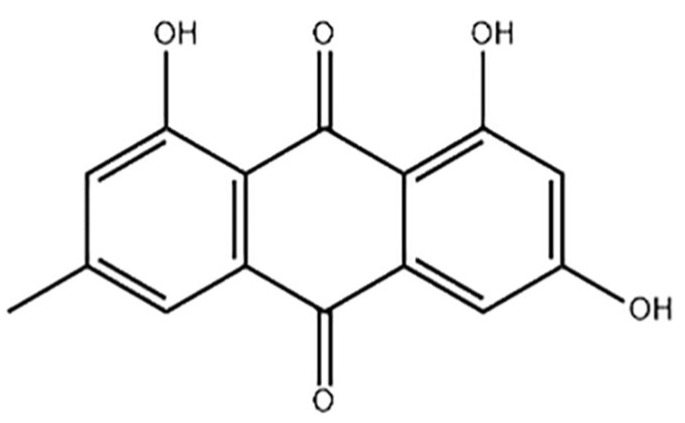
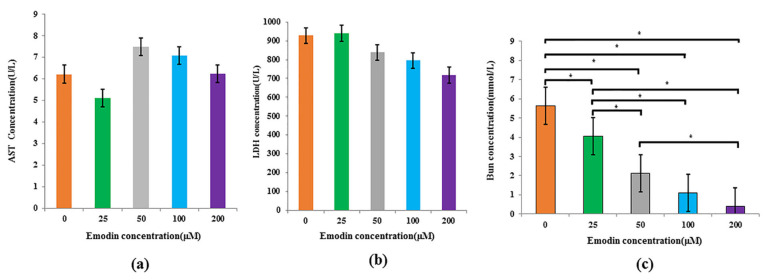
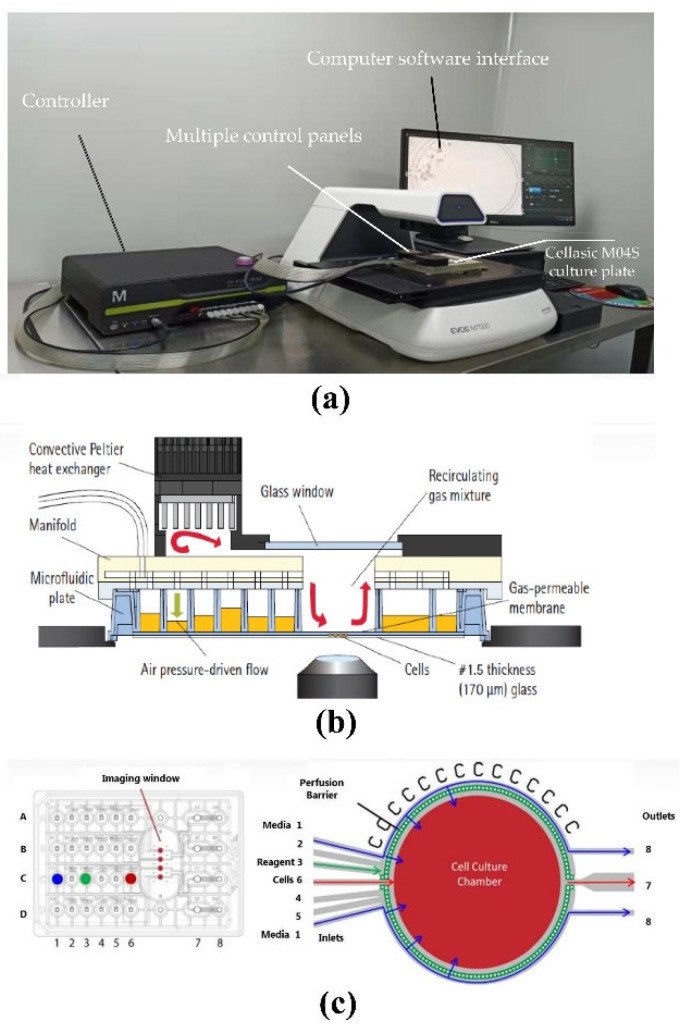
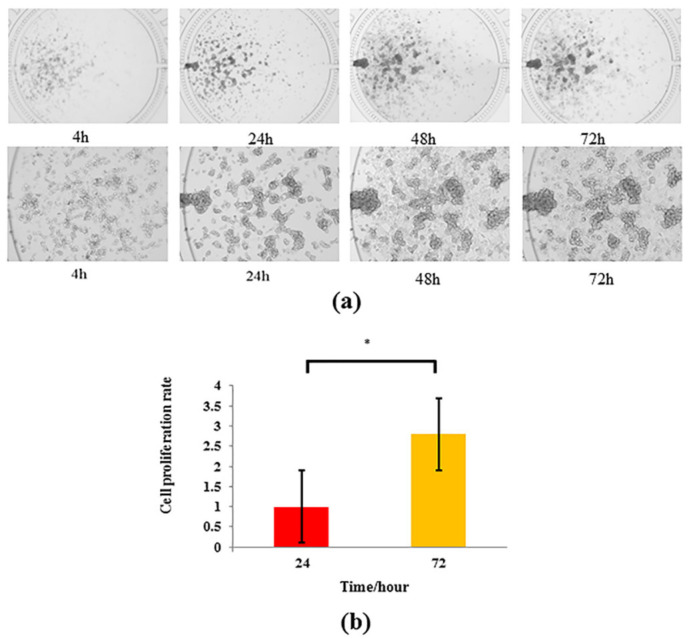
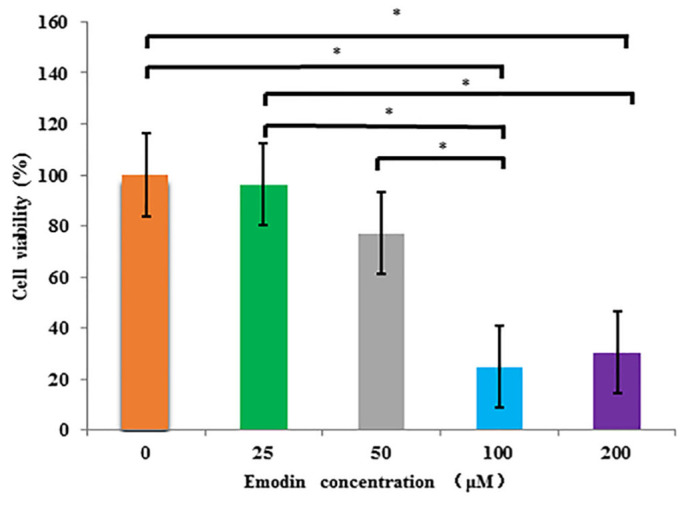
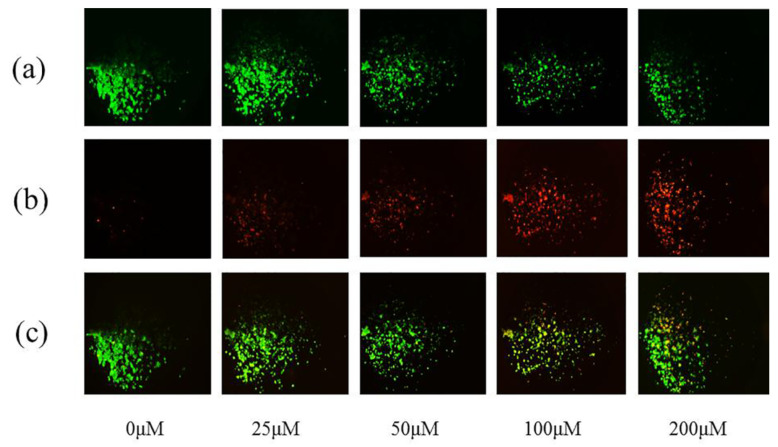
The current cytological evaluation technique of health food raw materials does not entirely meet the needs of evaluating health food. Our study adopted the microfluidic chip technique for the first time to construct a hepatocyte model of evaluating emodin, which was composed of a human hepatocellular carcinoma cell (HepG2) and microfluidic chip. The mixed glue of a model with rat tail collagen type I (1.3 mg/mL) + gelatin (7.5%) was used to simulate the microenvironment of a cell. The validity of this model was evaluated by cell proliferation activity and cell staining, and the toxicity of emodin was evaluated by a series of metabolic indicators on this model. The results indicated that the repeatability of the constructed hepatocyte model was favorable, with a coefficient of variation (CV) of 2.8%. After emodin continuously was exposed for 48 h, the cell inhibition was obvious at 100 and 200 μM, and the number of dead cells gradually increased with the increasing of emodin concentration, and the difference of BUN was significant between the emodin group and blank group (p < 0.05). The constructed model has a favorable applicability in evaluating emodin. This study provides an important platform and a potential in vitro alternative model for assessing and predicting the health effects of health food.
目前,对保健食品原料的细胞学评价技术尚不能完全满足评价保健食品的需要。本研究首次采用微流控芯片技术构建了由人肝癌细胞(HepG2)和微流控芯片组成的用于评价大黄素的肝细胞模型。模型的混合胶采用大鼠尾胶原Ⅰ型(1.3mg/ml)+明胶(7.5%),模拟细胞的微环境。通过细胞增殖活性和细胞染色评价该模型的有效性,并在此模型上评价大黄素的毒性。结果表明,构建的肝细胞模型重复性良好,变异系数(CV)为 2.8%。大黄素连续暴露 48 小时后,在 100 和 200μM 时细胞抑制明显,随着大黄素浓度的增加,死亡细胞数量逐渐增加,大黄素组与空白组之间 BUN 的差异有统计学意义(p<0.05)。构建的模型在评价大黄素方面具有良好的适用性。本研究为评估和预测保健食品的健康效应提供了一个重要的平台和潜在的体外替代模型。