Li Chengpan, Holman Joseph Benjamin, Shi Zhengdi, Qiu Bensheng, Ding Weiping
Department of Electronic Engineering and Information Science, University of Science and Technology of China, Hefei, Anhui, 230027, China.
Center for Biomedical Imaging, University of Science and Technology of China, Hefei, Anhui, 230027, China.
Mater Today Bio. 2023 Jul 7;21:100724. doi: 10.1016/j.mtbio.2023.100724. eCollection 2023 Aug.
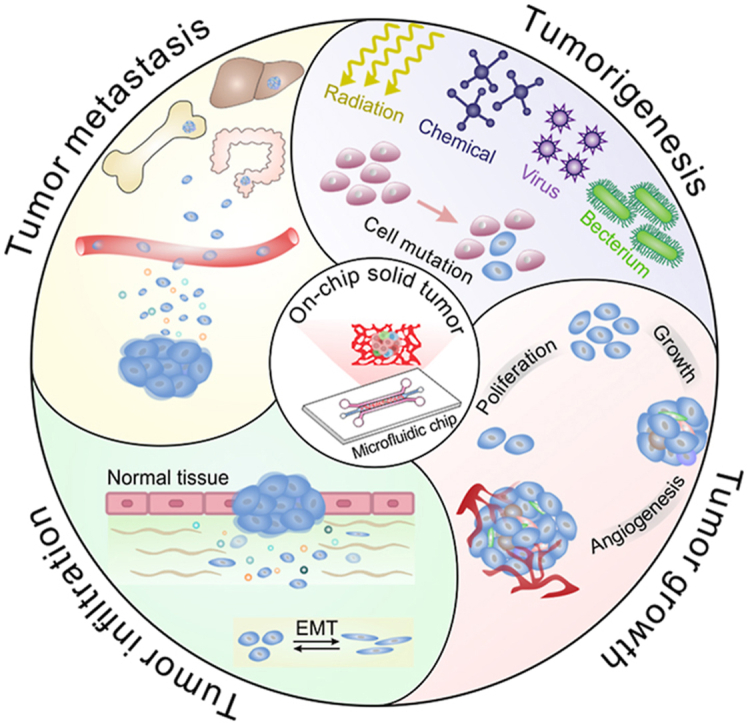
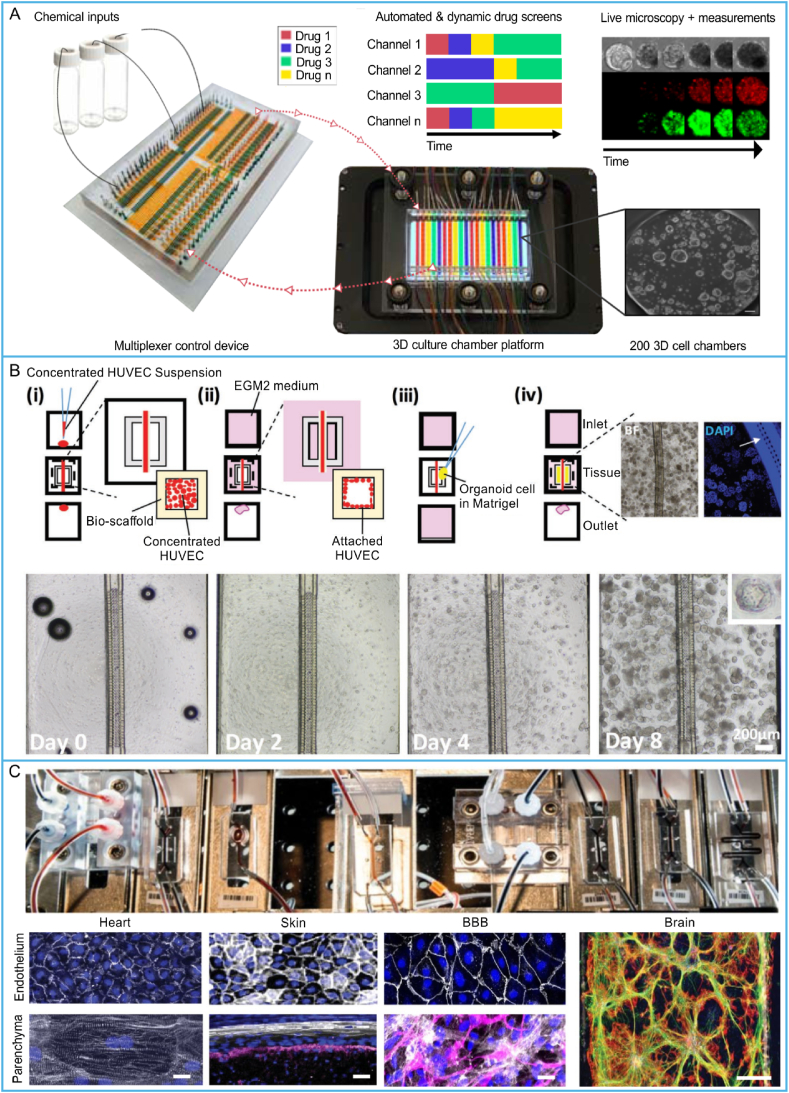
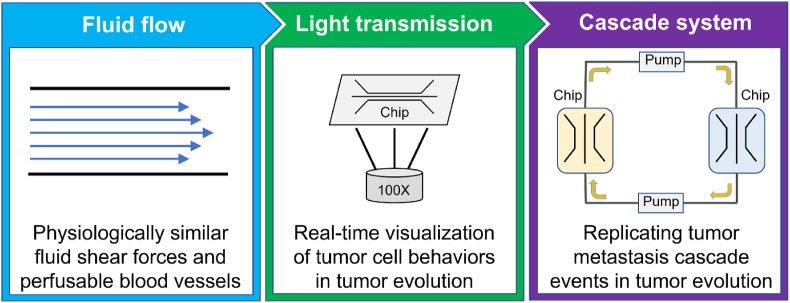
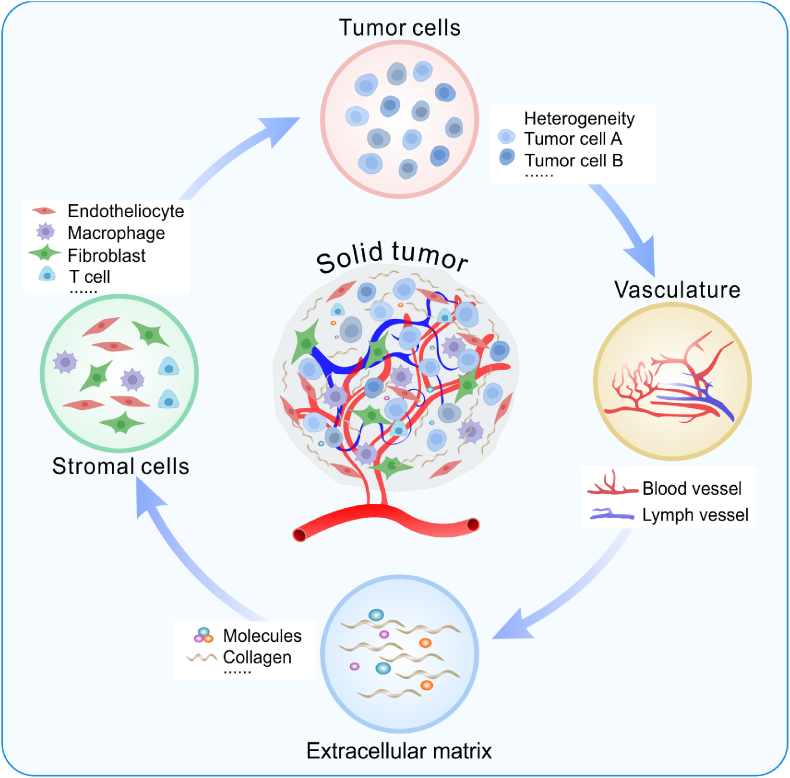
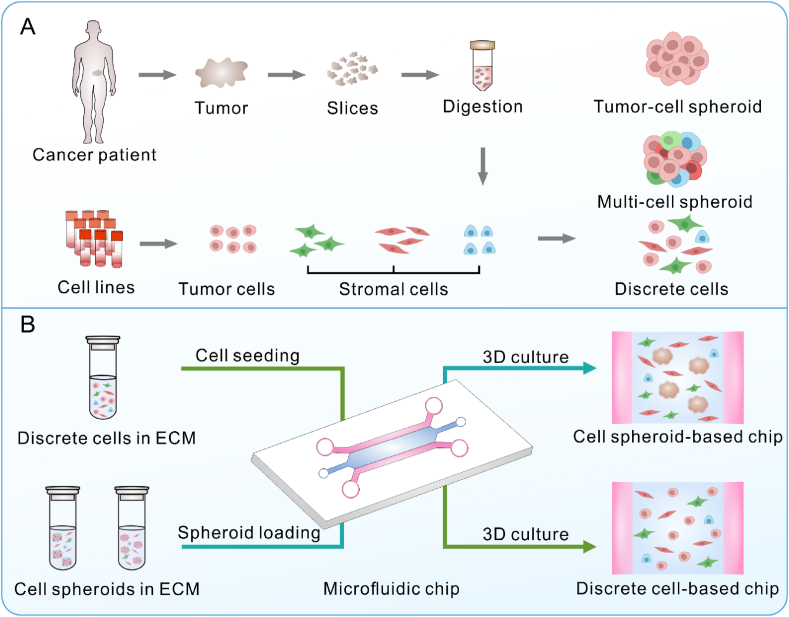
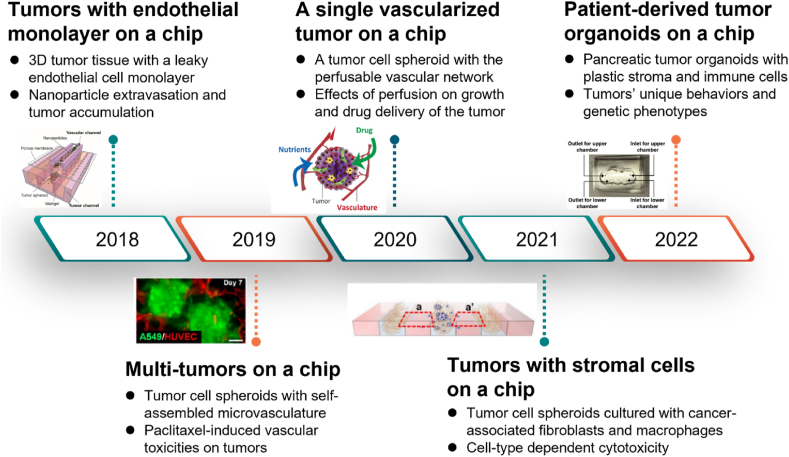
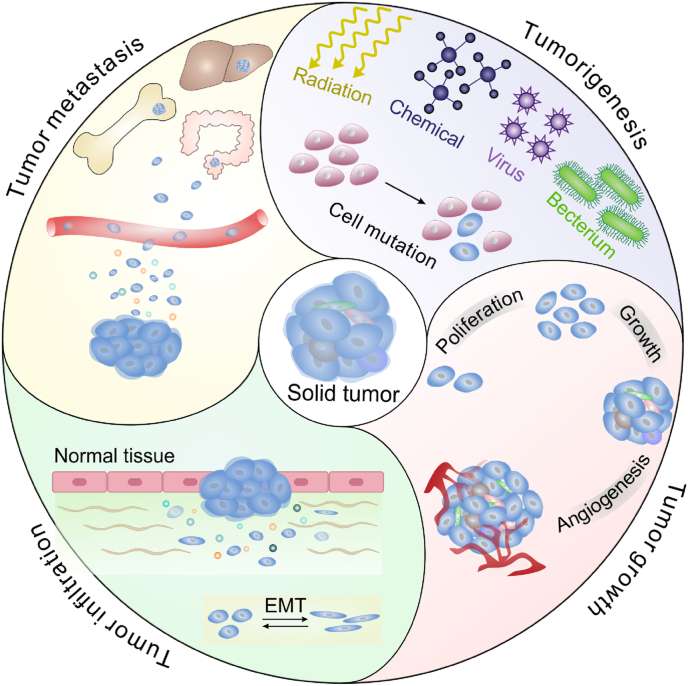
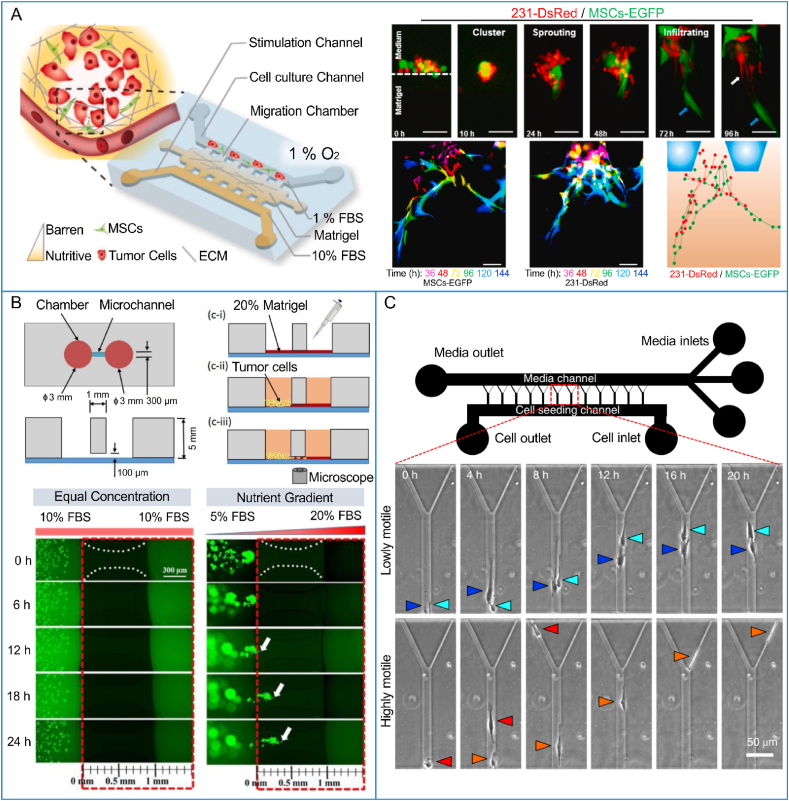
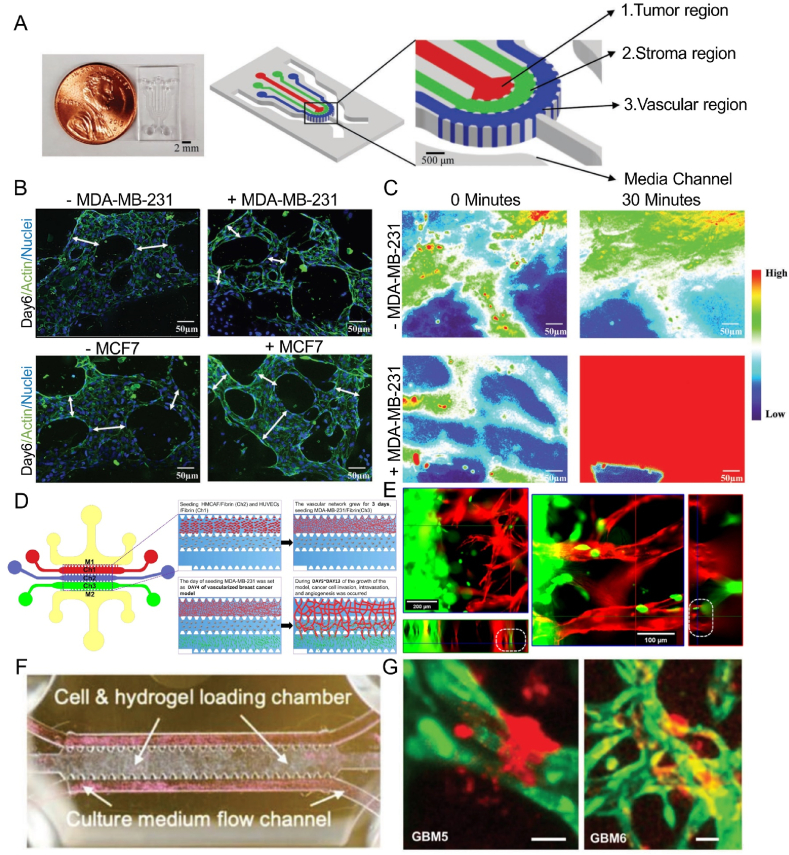
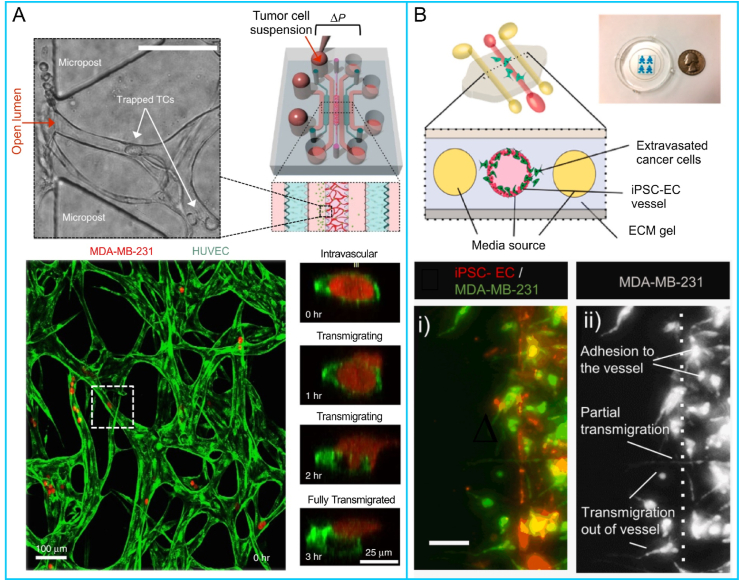
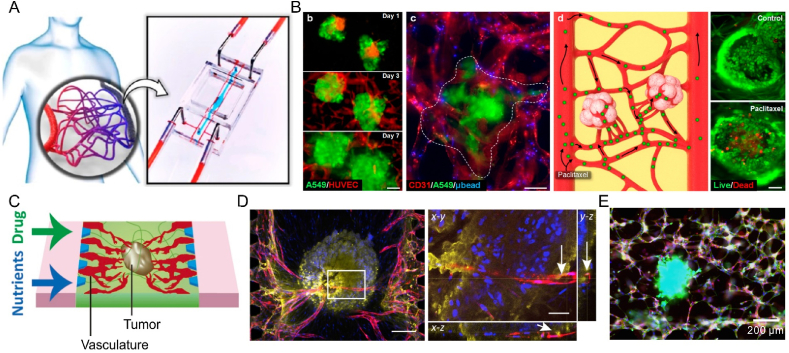
Tumor evolution is the accumulation of various tumor cell behaviors from tumorigenesis to tumor metastasis and is regulated by the tumor microenvironment (TME). However, the mechanism of solid tumor progression has not been completely elucidated, and thus, the development of tumor therapy is still limited. Recently, Tumor chips constructed by culturing tumor cells and stromal cells on microfluidic chips have demonstrated great potential in modeling solid tumors and visualizing tumor cell behaviors to exploit tumor progression. Herein, we review the methods of developing engineered solid tumors on microfluidic chips in terms of tumor types, cell resources and patterns, the extracellular matrix and the components of the TME, and summarize the recent advances of microfluidic chips in demonstrating tumor cell behaviors, including proliferation, epithelial-to-mesenchymal transition, migration, intravasation, extravasation and immune escape of tumor cells. We also outline the combination of tumor organoids and microfluidic chips to elaborate tumor organoid-on-a-chip platforms, as well as the practical limitations that must be overcome.
肿瘤演化是从肿瘤发生到肿瘤转移过程中各种肿瘤细胞行为的积累,并且受肿瘤微环境(TME)调控。然而,实体瘤进展的机制尚未完全阐明,因此肿瘤治疗的发展仍然有限。最近,通过在微流控芯片上培养肿瘤细胞和基质细胞构建的肿瘤芯片,在实体瘤建模和可视化肿瘤细胞行为以探究肿瘤进展方面显示出巨大潜力。在此,我们从肿瘤类型、细胞来源和模式、细胞外基质以及TME的组成等方面综述了在微流控芯片上构建工程化实体瘤的方法,并总结了微流控芯片在展示肿瘤细胞行为(包括肿瘤细胞的增殖、上皮-间质转化、迁移、血管内渗、血管外渗和免疫逃逸)方面的最新进展。我们还概述了肿瘤类器官与微流控芯片的结合,以阐述芯片上肿瘤类器官平台,以及必须克服的实际限制。