Zheng Hui-Hua, Du Chong-Tao, Yu Chao, Zhang Yu-Zhu, Huang Rong-Lei, Tang Xin-Yue, Xie Guang-Hong
Department of Clinical Veterinary Medicine, College of Veterinary Medicine, Jilin University, Changchun, China.
Front Vet Sci. 2022 Jun 22;9:843390. doi: 10.3389/fvets.2022.843390. eCollection 2022.
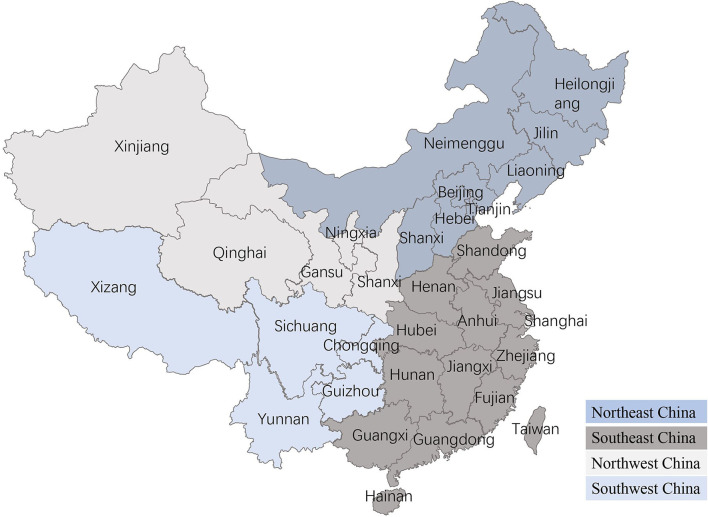
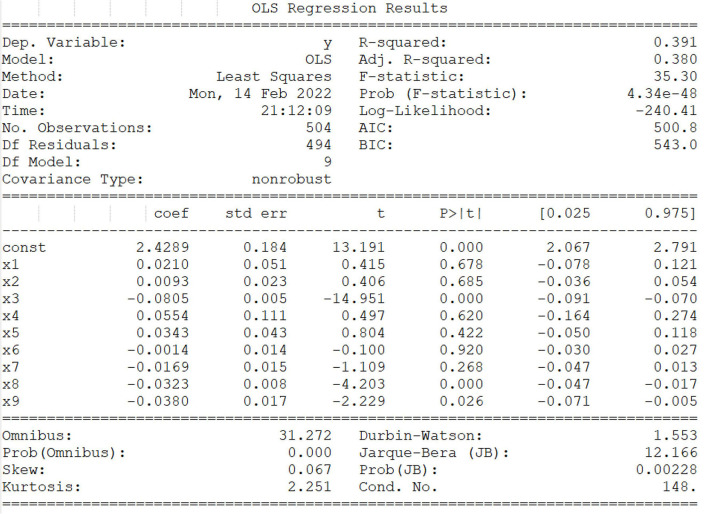
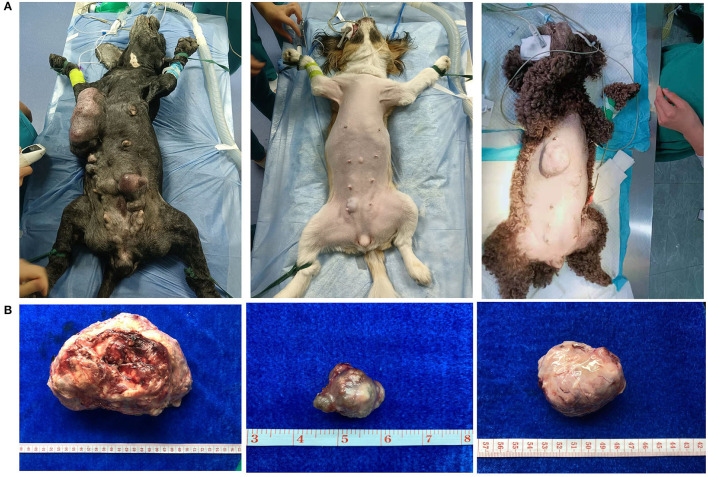
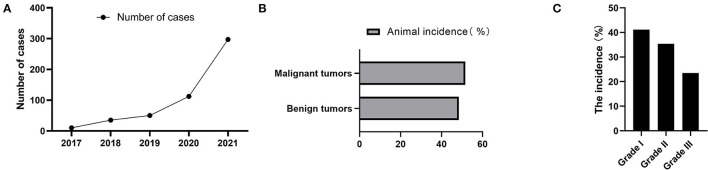
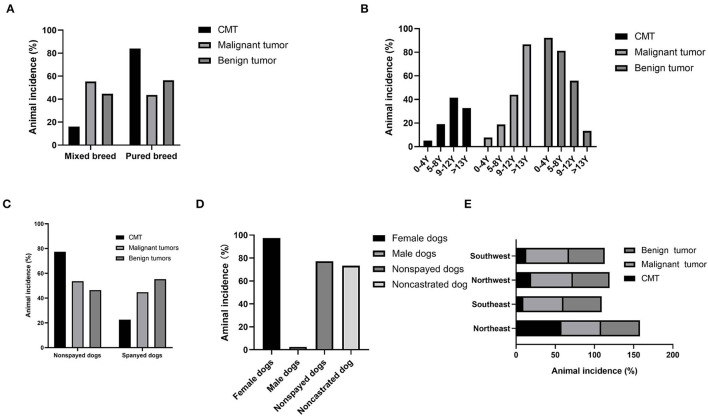
Epidemiological studies enable us to analyze disease behavior, define risk factors, and establish fundamental prognostic criteria. This study aimed to determine the epidemiological and clinical characteristics of canine tumors diagnosed during the years 2017-2021. The results showed that canine mammary tumors were the most common tumors, and their relative incidence for 5-years-total was 46.71% (504/1,079), with 48.41% (244/504) of benign, and 51.59% (260/504) of malignant. Pure breeds accounted for 84.13% (424/504) of submissions, and adult female dogs (9-12 years old) were most frequently involved, followed by 5-8-year-old females. Remarkably, 2.58% (13/504) occurred in the male dogs. In addition, a high prevalence of mammary tumors (77.38%, 390/504) was diagnosed in unneutered dogs, and different incidence rates were observed in different regions (Northeast, Southeast, Northwest and Southwest China). For clinical factors, the tumor size ranged from 0.5 to 28 cm, with the 0-5 cm being the most common tumor size (47.82%, 241/504), and malignant tumors (4.33 ± 2.88 cm, mean ± SD) were bigger than benign ones (3.06 ± 1.67 cm, mean ± SD) ( < 0.001). The incidence of single tumor (55.36%, 279/504) was higher than that of multiple tumors in dogs, while the latter had a higher incidence of malignant tumors (74.67%, 168/225). According to this study, we also found that canine mammary tumors were more common in the last two pairs of mammary glands. In addition, multiple linear regression analysis showed that there was linear significant relationship between three independent variables (age, tumor size, and tumor number) and histological properties of canine mammary tumor [(p>||) < 0.05]. This is the first retrospective statistical analysis of such a large dataset in China to reveal the link between epidemiological clinical risks and histological diagnosis. It aids in the improvement of the host's knowledge of canine tumor disorders and the early prevention of canine mammary tumors.
流行病学研究使我们能够分析疾病行为、确定风险因素并建立基本的预后标准。本研究旨在确定2017年至2021年期间诊断出的犬类肿瘤的流行病学和临床特征。结果显示,犬乳腺肿瘤是最常见的肿瘤,其5年总相对发病率为46.71%(504/1079),其中良性肿瘤占48.41%(244/504),恶性肿瘤占51.59%(260/504)。纯种犬占提交病例的84.13%(424/504),成年雌性犬(9至12岁)最常发病,其次是5至8岁的雌性犬。值得注意的是,2.58%(13/504)的病例发生在雄性犬中。此外,未绝育犬的乳腺肿瘤患病率较高(77.38%,390/504),不同地区(中国东北、东南、西北和西南)的发病率有所不同。就临床因素而言,肿瘤大小在0.5至28厘米之间,0至5厘米是最常见的肿瘤大小(47.82%,241/504),恶性肿瘤(平均±标准差为4.33±2.88厘米)比良性肿瘤(平均±标准差为3.06±1.67厘米)更大(<0.001)。犬类单发性肿瘤的发病率(55.36%,279/504)高于多发性肿瘤,而后者的恶性肿瘤发病率更高(74.67%,168/225)。根据本研究,我们还发现犬乳腺肿瘤在最后两对乳腺中更为常见。此外,多元线性回归分析表明,三个自变量(年龄、肿瘤大小和肿瘤数量)与犬乳腺肿瘤的组织学特征之间存在线性显著关系[(p>||)<0.05]。这是中国首次对如此大的数据集进行回顾性统计分析,以揭示流行病学临床风险与组织学诊断之间的联系。它有助于提高宿主对犬类肿瘤疾病的认识,并早期预防犬乳腺肿瘤。