Department of Culture and Learning, Aalborg University, Denmark.
Med Anthropol Q. 2022 Dec;36(4):515-533. doi: 10.1111/maq.12717. Epub 2022 Jul 12.
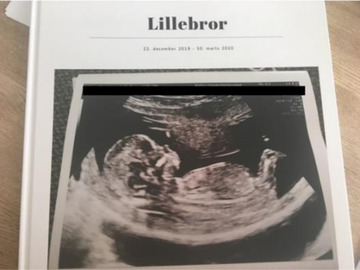
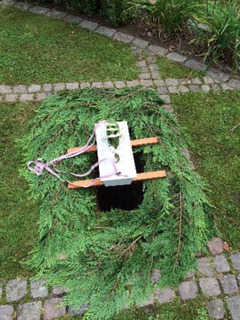
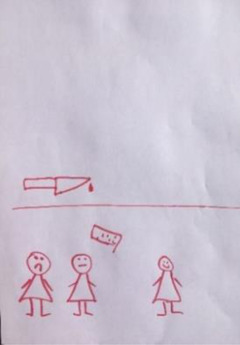
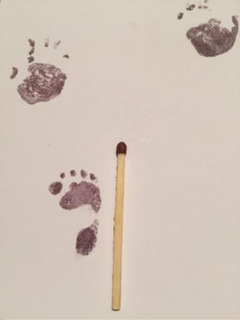
This article is based on an ethnographic study of pregnant couples' embodied, emotional, and moral experiences of second-trimester selective abortion in Denmark. Drawing on 16 selective abortion stories, I unpack the intense, often highly accelerated, days that follow from the moment a fetal aberration is detected to the moment of fetal disposal or burial. I show that although prenatal screening and diagnostics have come to occupy a routinized part of pregnancy in Denmark, when women and their partners opt for termination, they are faced with a series of bodily events and actions they are entirely unprepared for while at the same time feeling essentially alone in grappling with the moral confusion that ensues. I argue that despite widespread medico-legal sanctioning and social endorsement of selective abortion, the specificities of how such terminations are done in Denmark in ambiguous, and conflicted, ways situate women and their partners in a series of moral tensions around how to relate to the abortion, the dead fetus, their grief, and their entitlement to such mourning. By chronicling the core struggles that the process of termination catalyzes, I point to the social and moral ramifications of the embodied practices and medico-legal choreographing of selective abortion in Denmark. [selective abortion, moral tensions, embodied practices, responsibility, death].
本文基于对丹麦的一项关于夫妇在妊娠中期进行选择性流产的身体、情感和道德体验的民族志研究。本文从发现胎儿异常到处理或埋葬胎儿的那一刻,详细阐述了 16 个选择性流产的故事,揭示了虽然产前筛查和诊断在丹麦的妊娠过程中已经占据了常规化的一部分,但当女性及其伴侣选择终止妊娠时,他们会面临一系列他们完全没有准备的身体事件和行动,同时在处理随之而来的道德困惑时,他们会感到非常孤独。我认为,尽管选择性流产在医学和法律上得到了广泛的认可和社会的支持,但在丹麦,这种终止妊娠的具体方式存在模糊和矛盾之处,使女性及其伴侣在如何对待流产、死胎、他们的悲伤以及他们对这种哀悼的权利等方面陷入了一系列道德紧张之中。通过记录终止妊娠过程中引发的核心冲突,我指出了在丹麦,选择性流产的身体实践和医学法律编排所带来的社会和道德影响。[选择性流产、道德紧张、身体实践、责任、死亡]