Department of Rheumatology and Inflammation Research, Institute of Medicine, Sahlgrenska Academy, University of Gothenburg, Gothenburg, Sweden.
Biology III, Faculty of Biology, University of Freiburg, Freiburg, Germany.
J Exp Med. 2022 Sep 5;219(9). doi: 10.1084/jem.20220201. Epub 2022 Jul 12.
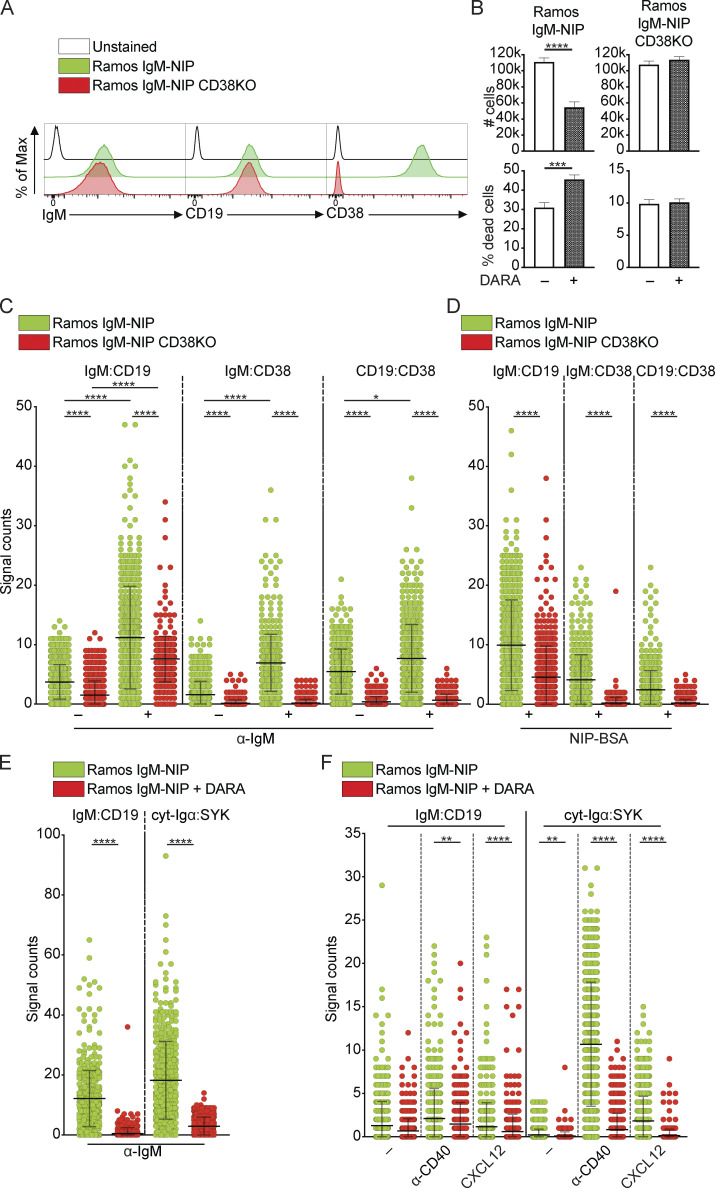
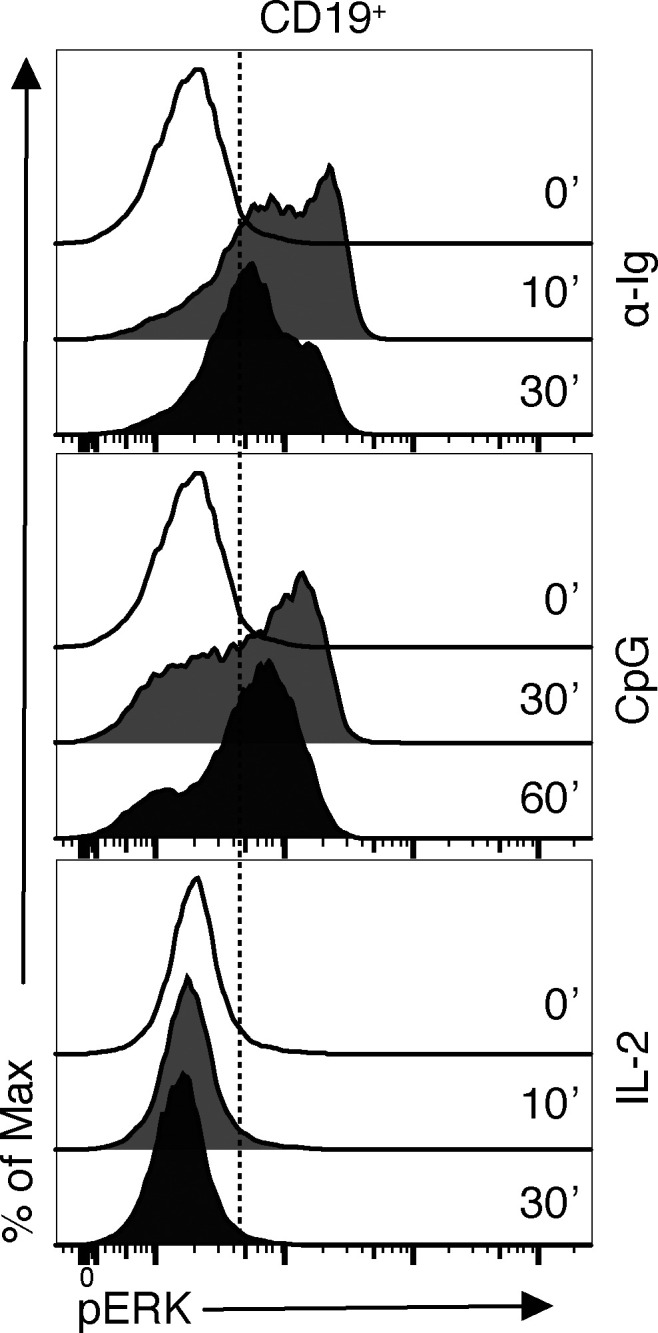
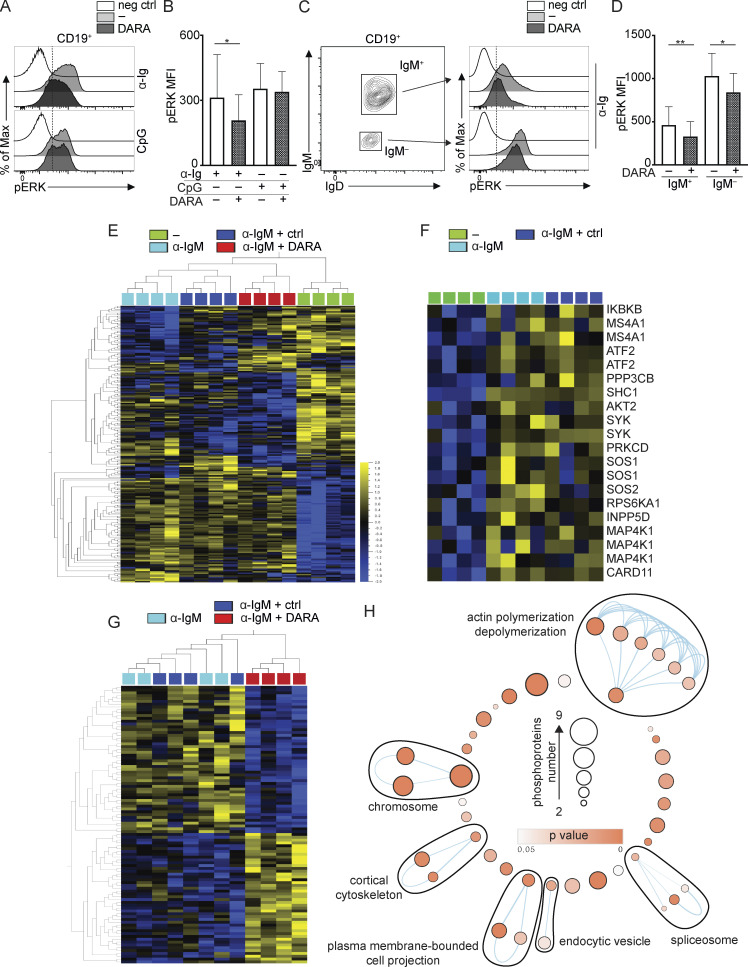
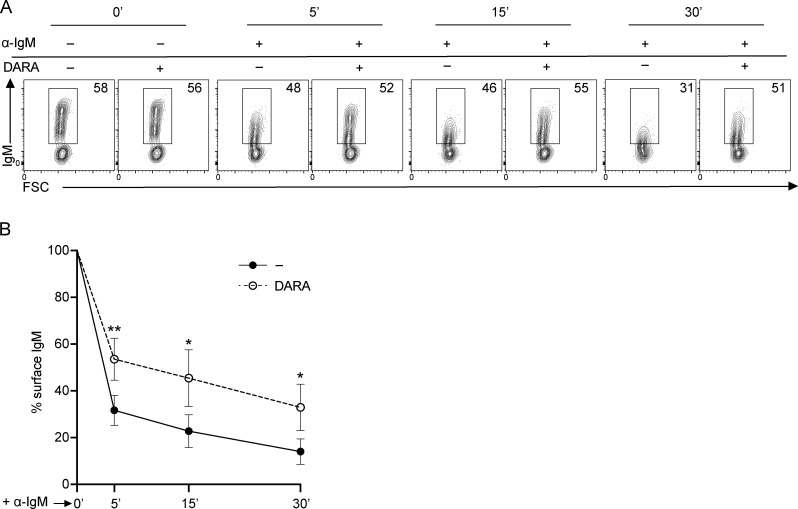
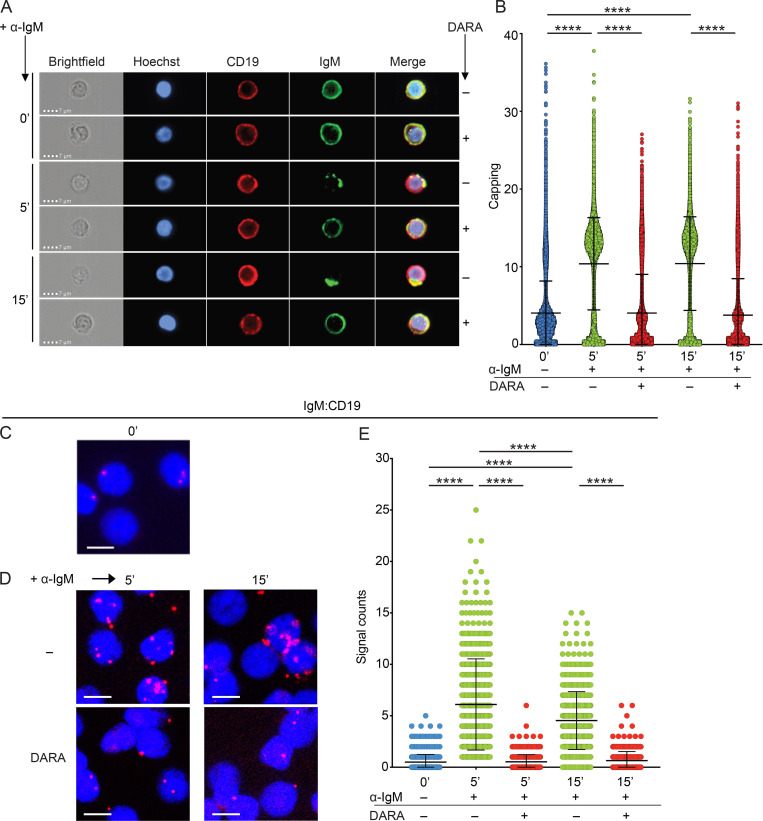
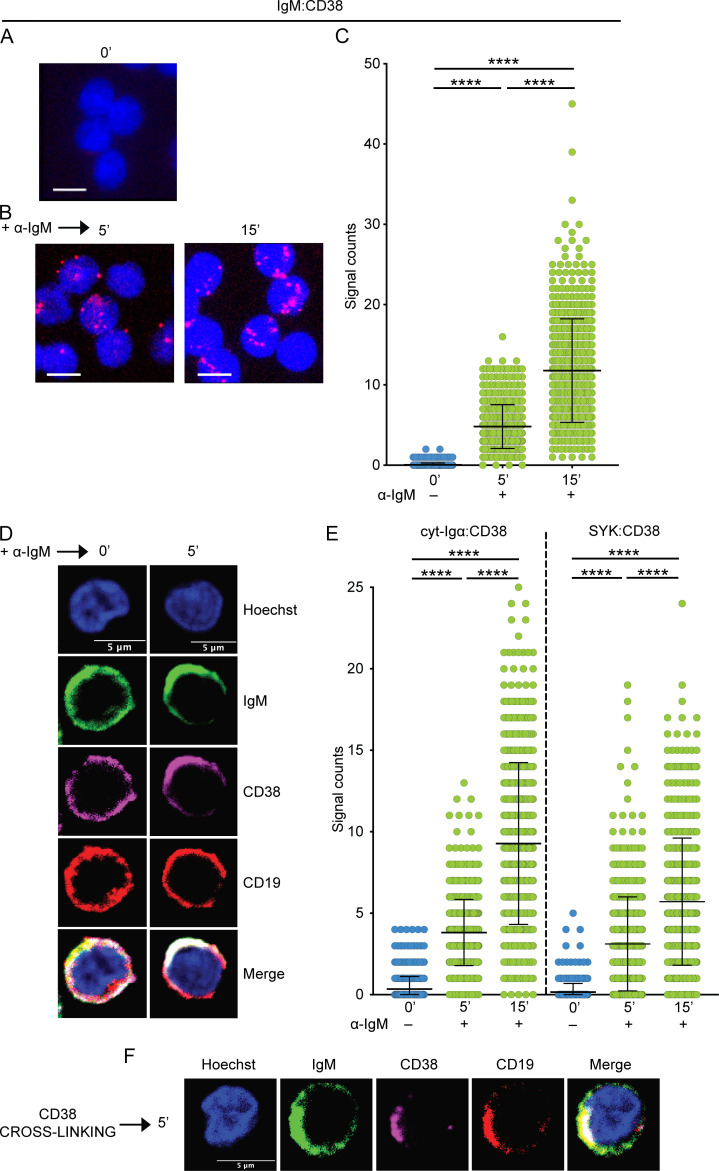
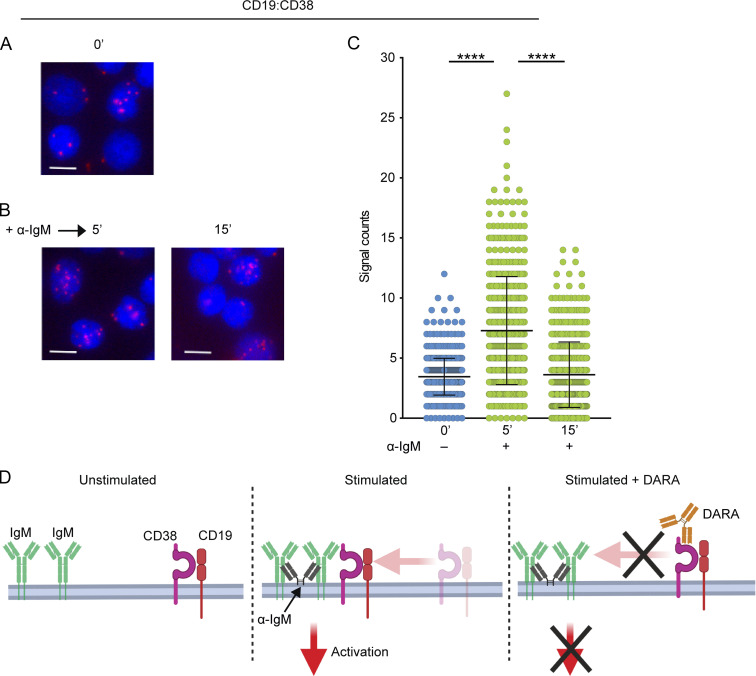
CD38 is a multifunctional protein expressed on the surface of B cells in healthy individuals but also in B cell malignancies. Previous studies have suggested a connection between CD38 and components of the IgM class B cell antigen receptor (IgM-BCR) and its coreceptor complex. Here, we provide evidence that CD38 is closely associated with CD19 in resting B cells and with the IgM-BCR upon engagement. We show that targeting CD38 with an antibody, or removing this molecule with CRISPR/Cas9, inhibits the association of CD19 with the IgM-BCR, impairing BCR signaling in normal and malignant B cells. Together, our data suggest that CD38 is a new member of the BCR coreceptor complex, where it exerts a modulatory effect on B cell activation upon antigen recognition by regulating CD19. Our study also reveals a new mechanism where α-CD38 antibodies could be a valuable option in therapeutic approaches to B cell malignancies driven by aberrant BCR signaling.
CD38 是一种在健康个体的 B 细胞表面表达的多功能蛋白,但也存在于 B 细胞恶性肿瘤中。先前的研究表明 CD38 与 IgM 类 B 细胞抗原受体 (IgM-BCR) 的组成部分及其共受体复合物之间存在联系。在这里,我们提供的证据表明 CD38 在静止 B 细胞中与 CD19 密切相关,并在结合时与 IgM-BCR 相关。我们表明,用抗体靶向 CD38 或用 CRISPR/Cas9 去除该分子会抑制 CD19 与 IgM-BCR 的结合,从而损害正常和恶性 B 细胞中的 BCR 信号传导。总之,我们的数据表明 CD38 是 BCR 共受体复合物的新成员,它通过调节 CD19 在抗原识别时对 B 细胞激活发挥调节作用。我们的研究还揭示了一种新的机制,即 α-CD38 抗体可能是通过异常 BCR 信号传导驱动的 B 细胞恶性肿瘤治疗方法中的一种有价值的选择。