National Institute for Public Health & the Environment, Bilthoven, the Netherlands.
Immunocompatibility Group, Department of Pharmacology and Therapeutics, Institute of Systems, Molecular, and Integrative Biology, University of Liverpool, Liverpool, UK.
Drug Deliv Transl Res. 2022 Sep;12(9):2225-2242. doi: 10.1007/s13346-022-01206-6. Epub 2022 Jul 15.
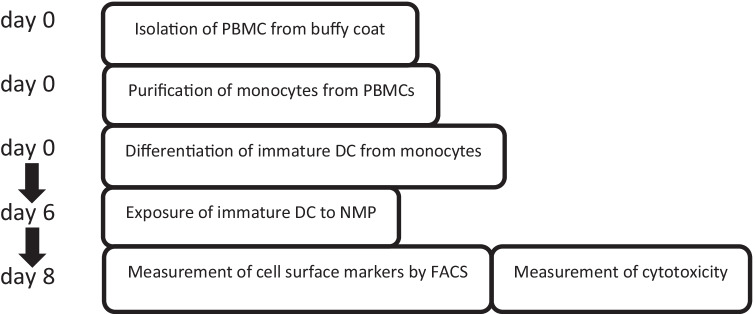
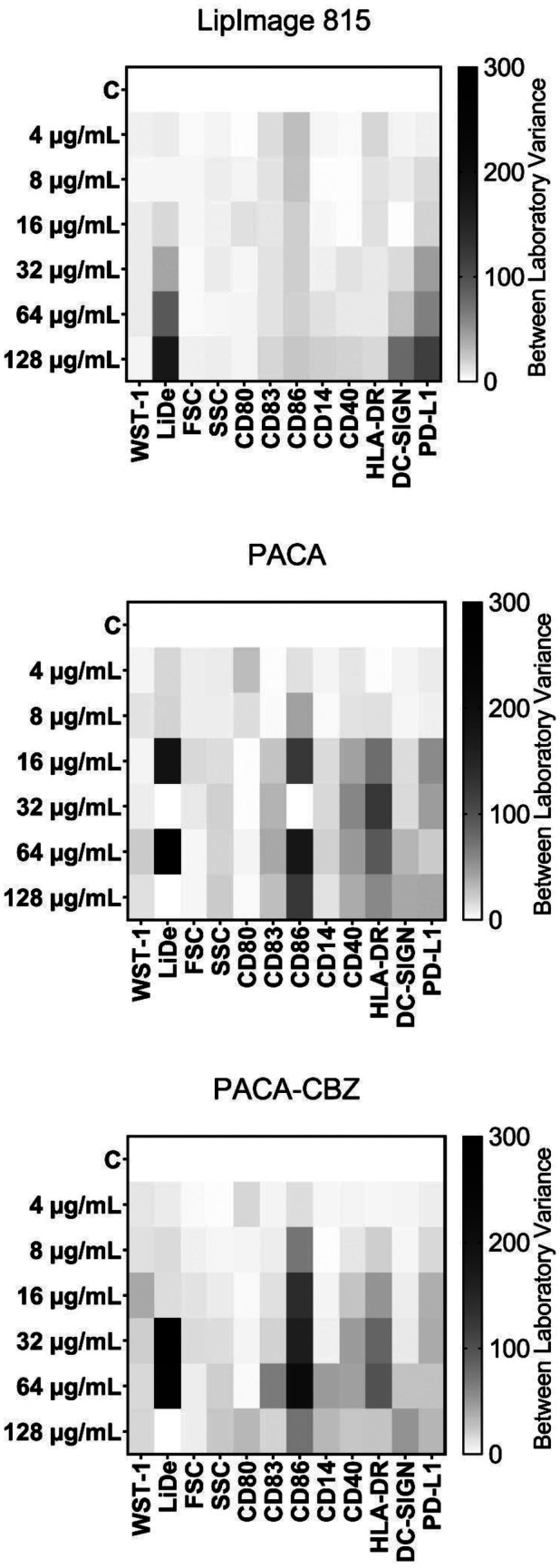
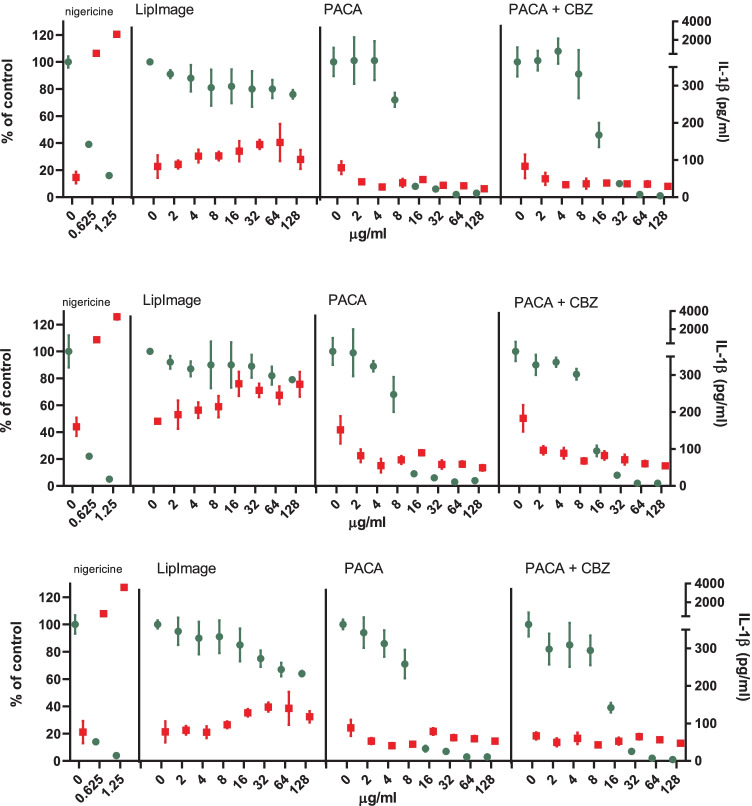
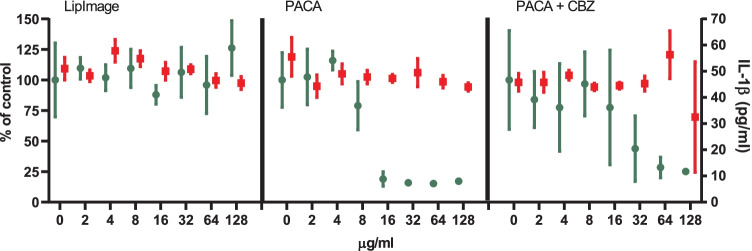
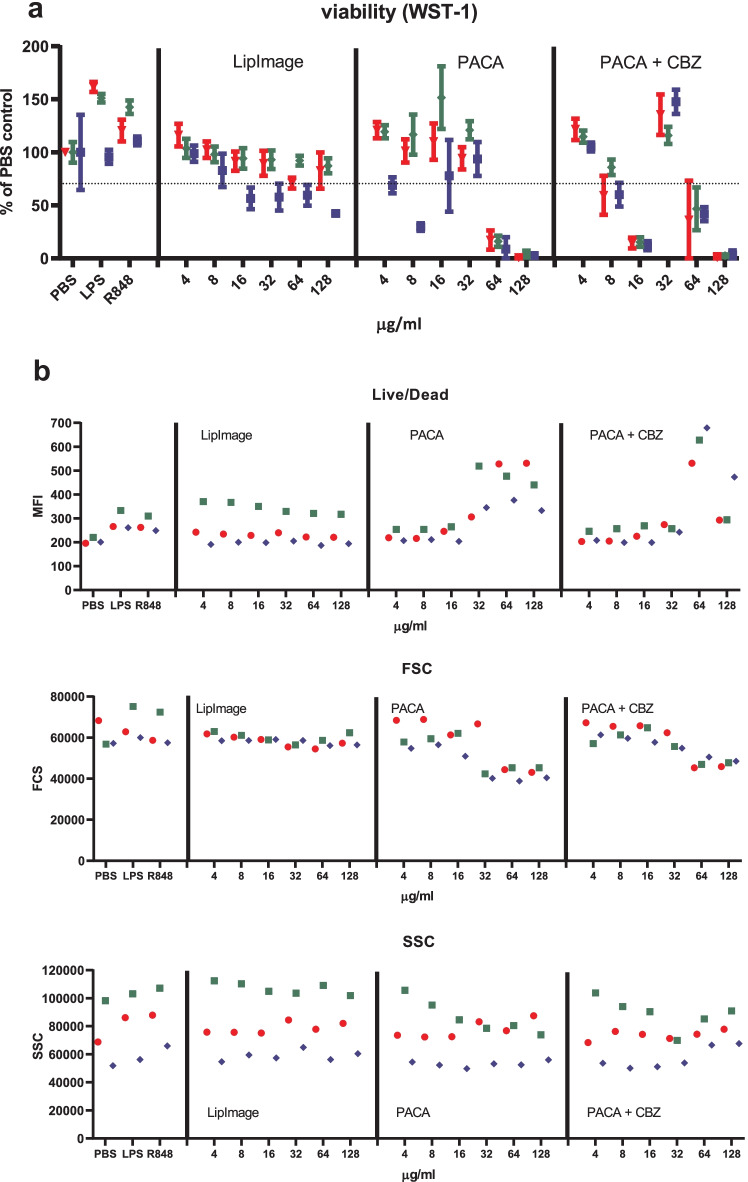
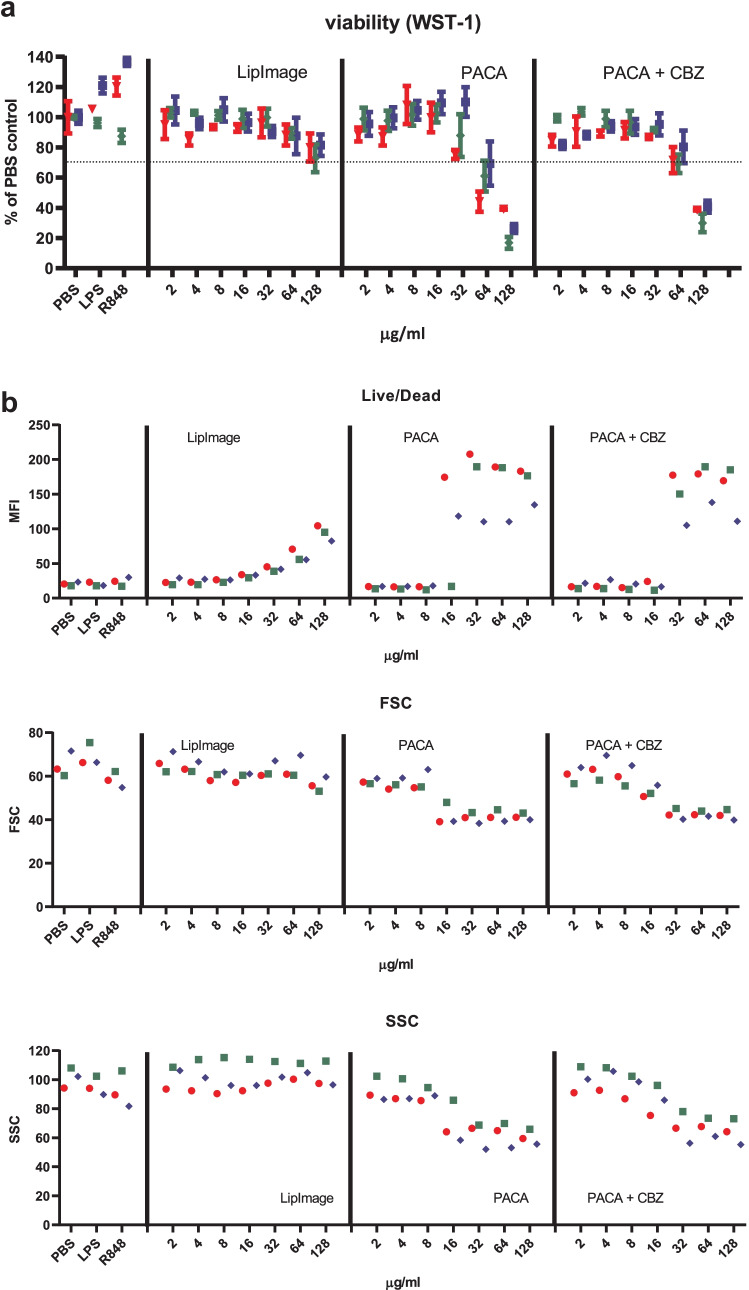
Nanoparticles including nanomedicines are known to be recognised by and interact with the immune system. As these interactions may result in adverse effects, for safety evaluation, the presence of such interactions needs to be investigated. Nanomedicines in particular should not unintendedly interact with the immune system, since patient's exposure is not minimised as in the case of 'environmental' nanoparticles, and repeated exposure may be required. NLRP3 inflammasome activation and dendritic cell (DC) maturation are two types of immune mechanisms known to be affected by nanoparticles including nanomedicines. NLRP3 inflammasome activation results in production of the pro-inflammatory cytokines IL-1β and IL-18, as well as a specific type of cell death, pyroptosis. Moreover, chronic NLRP3 inflammasome activation has been related to several chronic diseases. Upon maturation, DC activate primary T cells; interference with this process may result in inappropriate activation and skewing of the adaptive immune response. Here, we evaluated the effect of two nanomedicines, representing nanostructured lipid carriers and polymers, on these two assays. Moreover, with a view to possible future standardisation and regulatory application, these assays were subject to an inter-laboratory comparison study using common SOPs. One laboratory performed three independent NLRP3 inflammasome activation experiments, while the other performed a single experiment. Two laboratories each performed three independent DC maturation experiments. While the nanostructured lipid carrier only showed marginal effects, the polymers showed major cytotoxicity. No evidence for inflammasome activation or DC maturation was demonstrated. Intra- and inter-laboratory comparison showed clearly reproducible results.
纳米颗粒包括纳米药物,已知会被免疫系统识别和相互作用。由于这些相互作用可能导致不良反应,因此需要进行安全性评估。特别是纳米药物不应该与免疫系统意外相互作用,因为与“环境”纳米颗粒的情况不同,患者的暴露没有最小化,并且可能需要重复暴露。NLRP3 炎性体激活和树突状细胞 (DC) 成熟是已知受纳米颗粒包括纳米药物影响的两种免疫机制。NLRP3 炎性体激活导致促炎细胞因子 IL-1β 和 IL-18 的产生,以及一种特殊类型的细胞死亡,即细胞焦亡。此外,慢性 NLRP3 炎性体激活与几种慢性疾病有关。成熟后,DC 激活原代 T 细胞;干扰这一过程可能导致适应性免疫反应的不当激活和偏向。在这里,我们评估了两种纳米药物,代表纳米结构脂质载体和聚合物,对这两种测定的影响。此外,为了可能的未来标准化和监管应用,这些测定使用共同的 SOP 进行了实验室间比较研究。一个实验室进行了三个独立的 NLRP3 炎性体激活实验,而另一个实验室进行了一个实验。两个实验室各进行了三个独立的 DC 成熟实验。虽然纳米结构脂质载体仅显示出微小的影响,但聚合物显示出明显的细胞毒性。没有证据表明炎性体激活或 DC 成熟。实验室内部和实验室之间的比较显示出可重复的结果。