Department of Medical Biotechnology, College of Life Science and Biotechnology, Dongguk University, Seoul, 04620, Republic of Korea.
School of Life Science, Handong University, Pohang, Gyeongbuk, 37554, Republic of Korea.
Sci Rep. 2021 Jan 12;11(1):543. doi: 10.1038/s41598-020-80748-6.
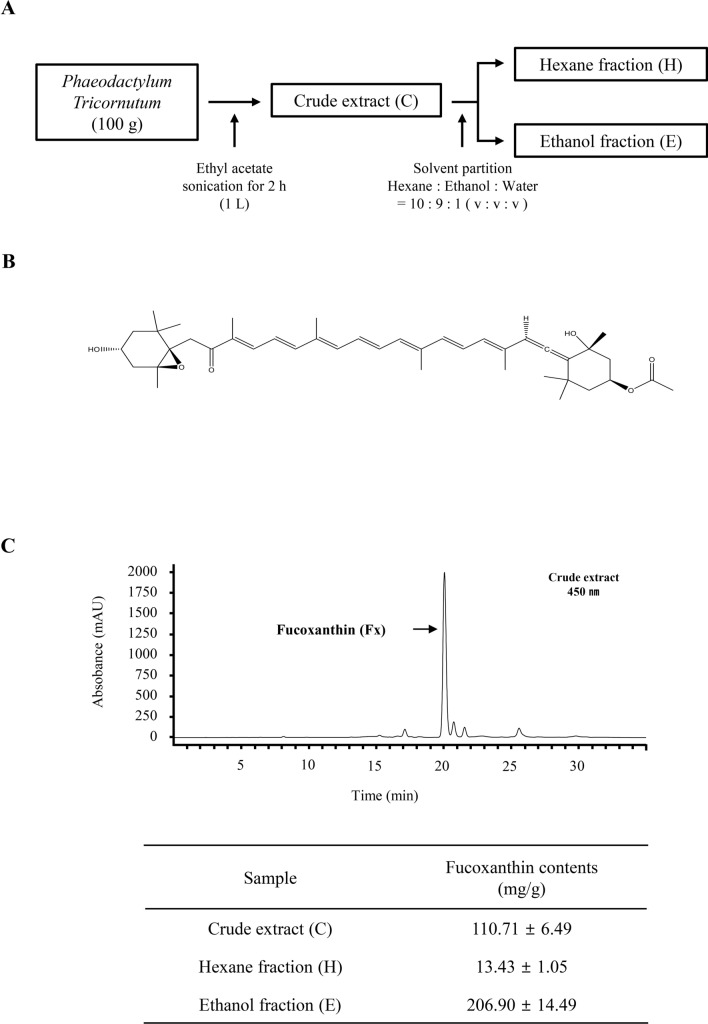
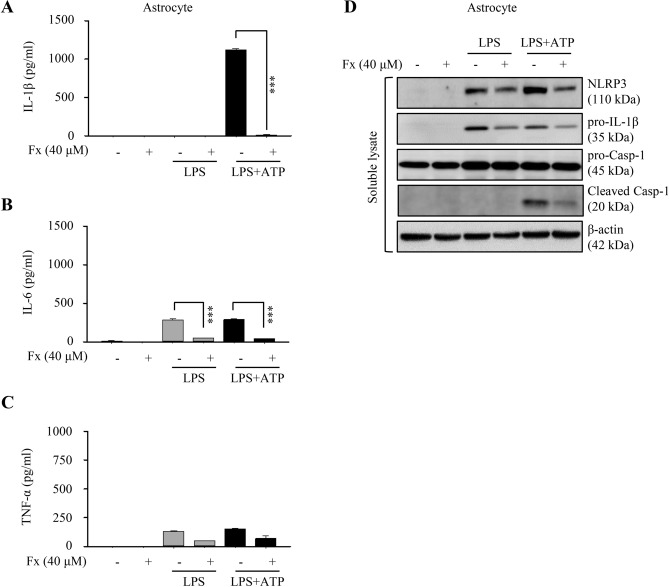
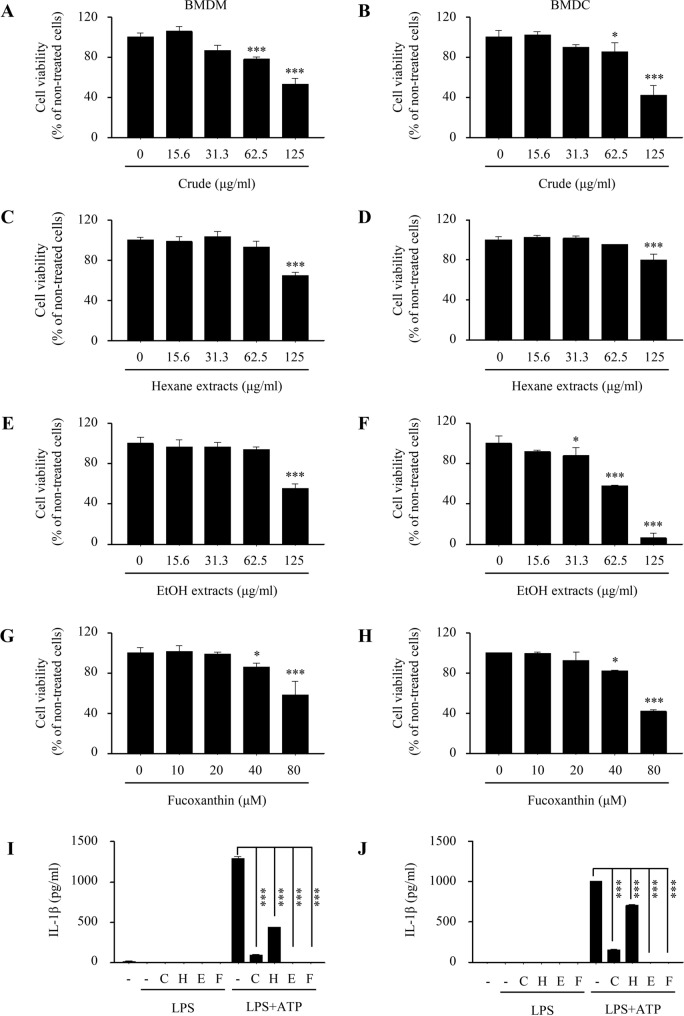
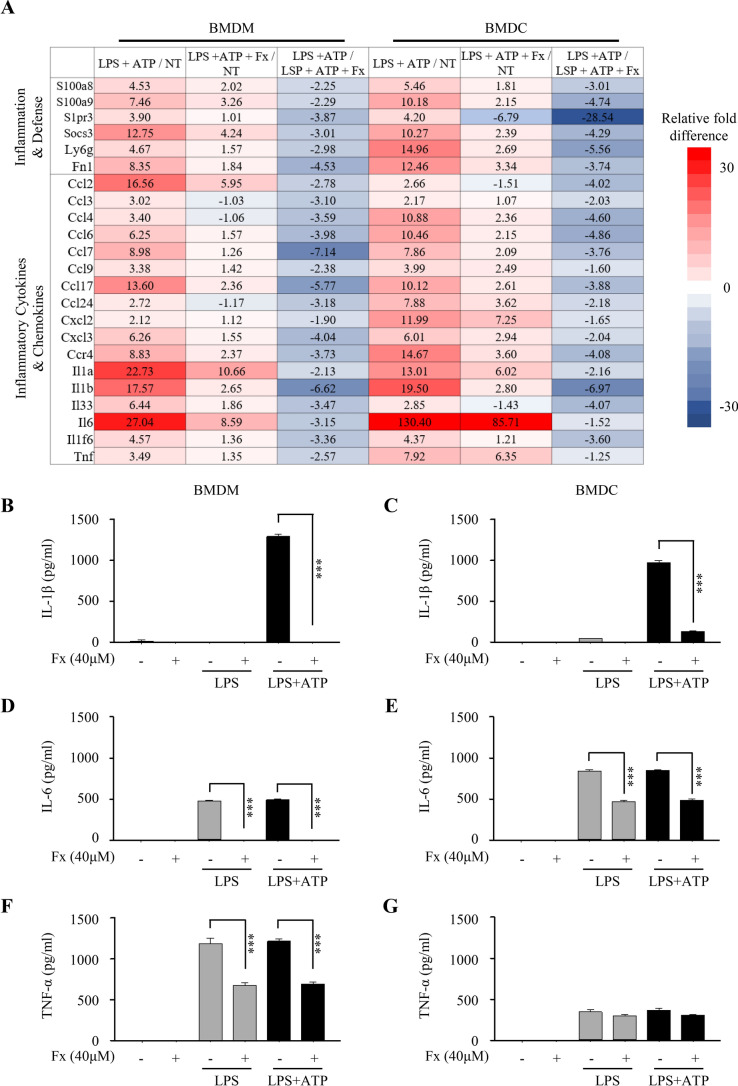
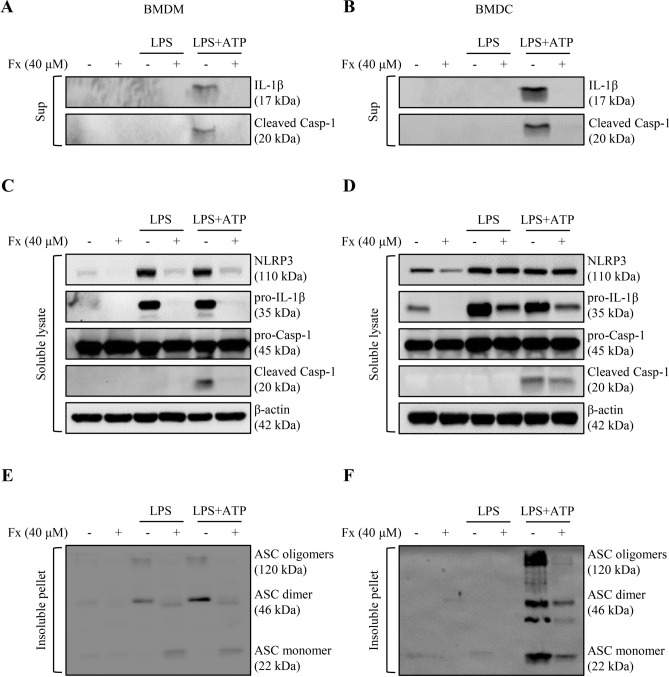
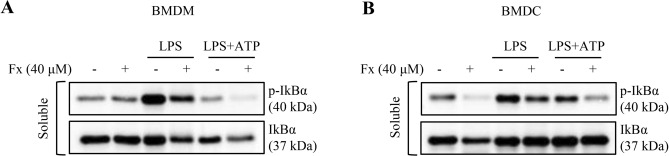
Pro-inflammatory cytokines such as IL-1β, IL-6, and TNF-α are mediated by the activation of various kinds of signaling pathways in the innate immune system. Particularly, NF-κB and NLRP3 inflammasome signaling are involved in the production and secretion of these cytokines. Each signaling is participated in the two steps necessary for IL-1β, a representative pro-inflammatory cytokine, to be processed into a form secreted by cells. In the priming step stimulated by LPS, pro-IL-1β is synthesized through NF-κB activation. Pro-IL-1β cleavages into mature IL-1β by formed NLRP3 inflammasome in the activation step induced by ATP. The mature form of IL-1β is subsequently secreted out of the cell, causing inflammation. Moreover, IL-6 and TNF-α are known to increase in NLRP3 inflammasome-mediated conditions. Here, we found that fucoxanthin, one of the major components of Phaeodactylum tricornutum, has an inhibitory effect on NF-κB and NLRP3 inflammasome activation induced by the combination of LPS and ATP in bone marrow-derived immune cells as well as astrocytes. Fucoxanthin, which is abundant in the EtOH fraction of Phaeodactylum tricornutum extracts, has shown to have less cell toxicity and found to decrease the production of major pro-inflammatory cytokines such as IL-1β, IL-6, and TNF-α. Fucoxanthin has also shown to suppress the expression of cleaved caspase-1 and the oligomerization of ASC, which are the main components of the NLRP3 inflammasome. Furthermore, phosphorylated IκBα and pro-IL-1β expression decreased in the presence of fucoxanthin, suggesting that fucoxanthin can negatively regulate the priming step of inflammasome signaling. Thus, our results provide reliable evidence that fucoxanthin may serve as a key candidate in the development of potential therapeutic agents for inflammatory diseases as well as neurodegenerative diseases caused by NF-κB and NLRP3 inflammasome activation.
促炎细胞因子(如 IL-1β、IL-6 和 TNF-α)是由先天免疫系统中各种信号通路的激活介导的。特别是,NF-κB 和 NLRP3 炎性小体信号参与这些细胞因子的产生和分泌。每种信号通路都参与了 IL-1β(一种代表性的促炎细胞因子)被加工成细胞分泌形式所必需的两个步骤。在 LPS 刺激的启动步骤中,通过 NF-κB 激活合成前体 IL-1β。在前体 IL-1β的激活步骤中,由形成的 NLRP3 炎性小体切割成成熟的 IL-1β,该激活步骤由 ATP 诱导。成熟形式的 IL-1β随后从细胞中分泌出来,引起炎症。此外,据报道,IL-6 和 TNF-α在 NLRP3 炎性小体介导的条件下增加。在这里,我们发现,褐藻黄素,一种 Phaeodactylum tricornutum 的主要成分之一,对 LPS 和 ATP 联合诱导的骨髓来源免疫细胞和星形胶质细胞中 NF-κB 和 NLRP3 炎性小体的激活具有抑制作用。褐藻黄素在 Phaeodactylum tricornutum 提取物的 EtOH 部分中含量丰富,具有较低的细胞毒性,并发现可减少主要促炎细胞因子(如 IL-1β、IL-6 和 TNF-α)的产生。褐藻黄素还可抑制 cleaved caspase-1 和 ASC 的寡聚化的表达,ASC 是 NLRP3 炎性小体的主要成分。此外,在褐藻黄素存在的情况下,磷酸化的 IκBα和前体 IL-1β的表达减少,表明褐藻黄素可以负调控炎性小体信号的启动步骤。因此,我们的结果提供了可靠的证据,表明褐藻黄素可能成为 NF-κB 和 NLRP3 炎性小体激活引起的炎症性疾病和神经退行性疾病潜在治疗药物开发的关键候选物。