Sumner Benjamin D, Cardé Ring T
Department of Entomology, University of California, Riverside, CA 92521 USA.
J Insect Behav. 2022;35(1-3):31-43. doi: 10.1007/s10905-022-09796-2. Epub 2022 May 23.
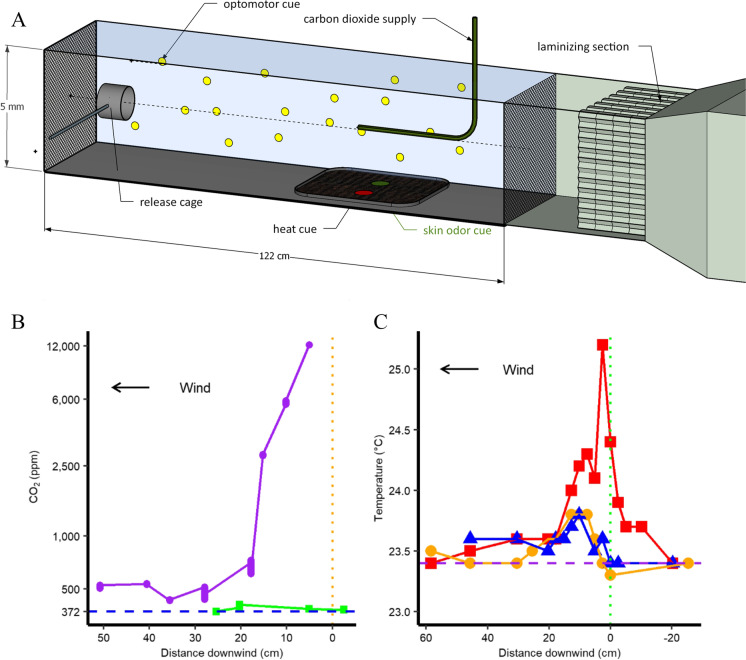
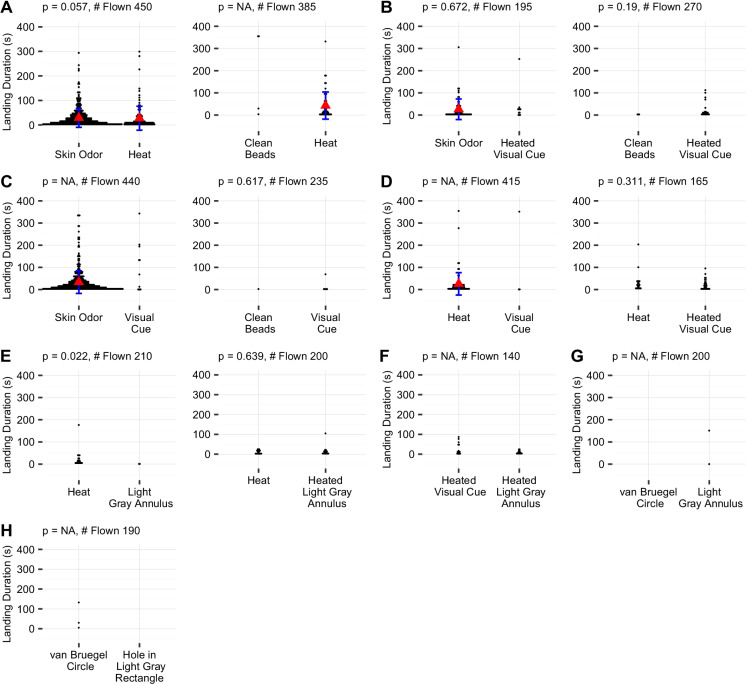
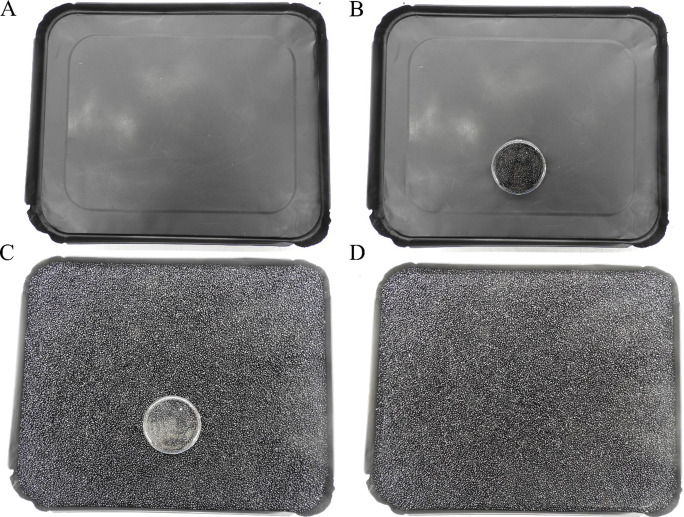
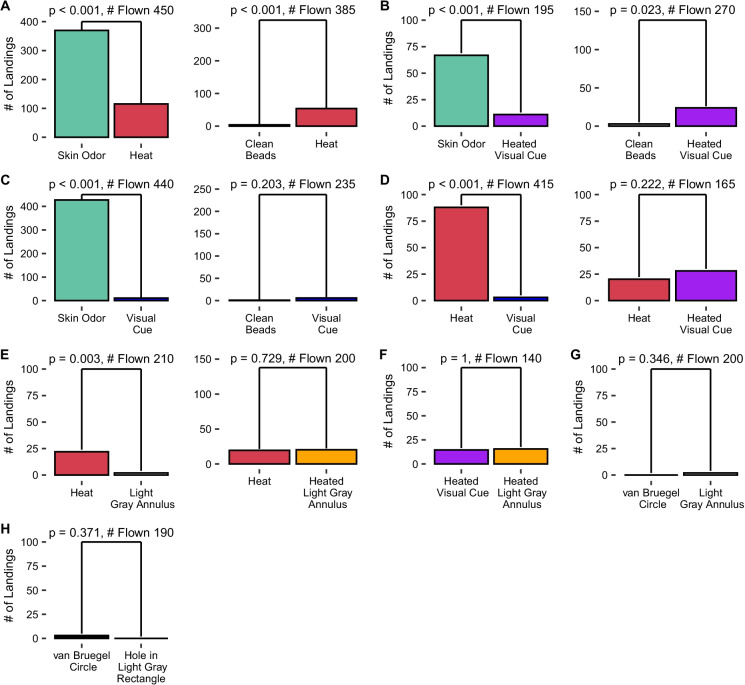
Although human skin odor is thought to be the cue that anthropophilic mosquitoes use to discriminate us from other potential hosts, the precise details of how they use skin odor to find and land on a human is unclear. We found that land on a source of skin odor without a co-located visual cue. By collecting human odor on glass beads and using identical glass beads to visually conceal skin odor and heat cues, we were able to study mosquito landing on skin odor, heat, and visual cues separately. Landing is necessary for blood feeding which is a required behavior for the life cycle as well as the behavior responsible for the epidemiological impact of mosquitoes. Therefore, we consider it to be the diagnostic measure of the importance of a host cue. In two-choice tests, a skin odor source had the highest valence for landing, followed by a combination of heat and a visual cue, and finally heat and visual cues presented separately. We also measured the durations of the landings, though no significant differences were found.
The online version contains supplementary material available at 10.1007/s10905-022-09796-2.
尽管人们认为人类皮肤气味是嗜人蚊子用来将我们与其他潜在宿主区分开来的线索,但它们如何利用皮肤气味找到并降落在人类身上的具体细节尚不清楚。我们发现,蚊子能够在没有同时存在的视觉线索的情况下降落在皮肤气味源上。通过在玻璃珠上收集人类气味,并使用相同的玻璃珠在视觉上掩盖皮肤气味和热线索,我们能够分别研究蚊子对皮肤气味、热和视觉线索的降落情况。降落对于吸血是必要的,而吸血是蚊子生命周期中的一种必需行为,也是造成蚊子流行病学影响的行为。因此,我们认为它是衡量宿主线索重要性的诊断指标。在二选一测试中,皮肤气味源对降落的吸引力最高,其次是热和视觉线索的组合,最后是分别呈现的热和视觉线索。我们还测量了降落的持续时间,不过未发现显著差异。
在线版本包含可在10.1007/s10905-022-09796-2获取的补充材料。