Abu-Salih Bilal, Wongthongtham Pornpit, Morrison Greg, Coutinho Kevin, Al-Okaily Manaf, Huneiti Ammar
The University of Jordan, Jordan.
The University of Notre Dame Australia, Australia.
Heliyon. 2022 Mar 22;8(3):e09152. doi: 10.1016/j.heliyon.2022.e09152. eCollection 2022 Mar.
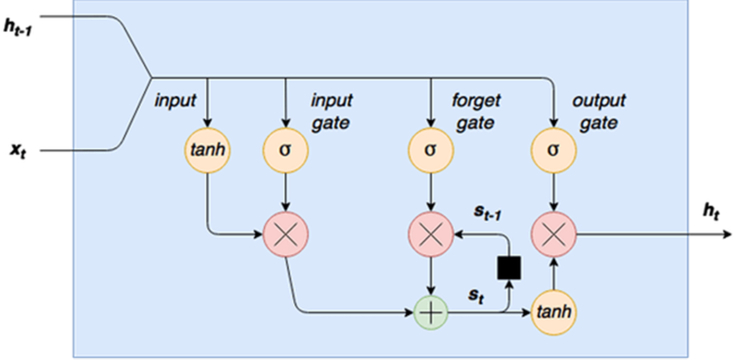
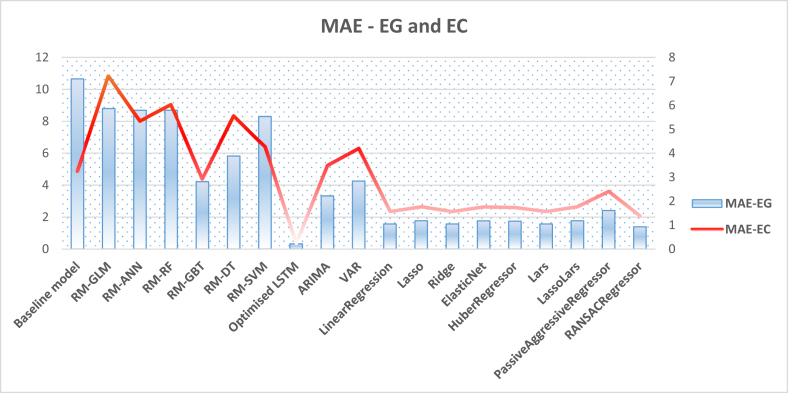
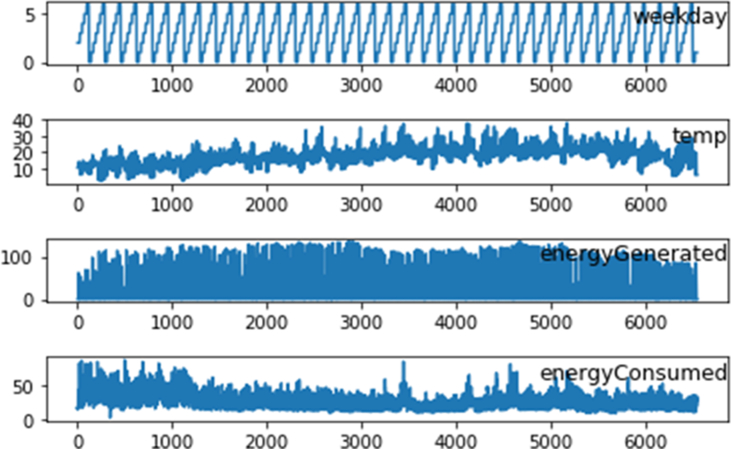
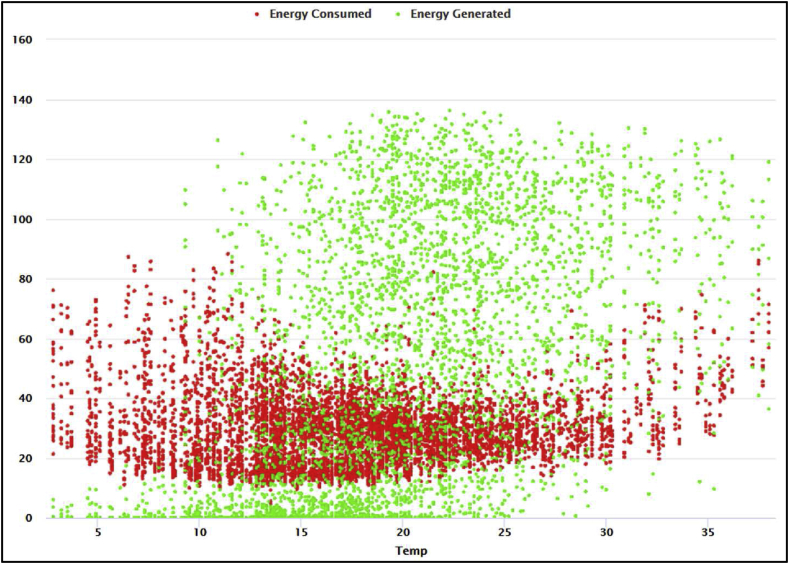
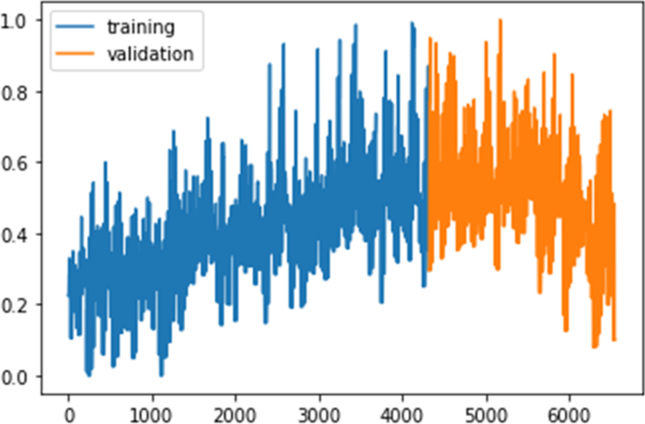
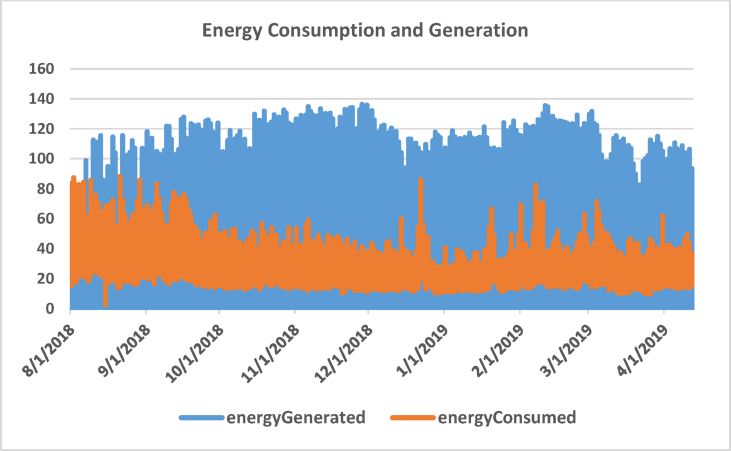
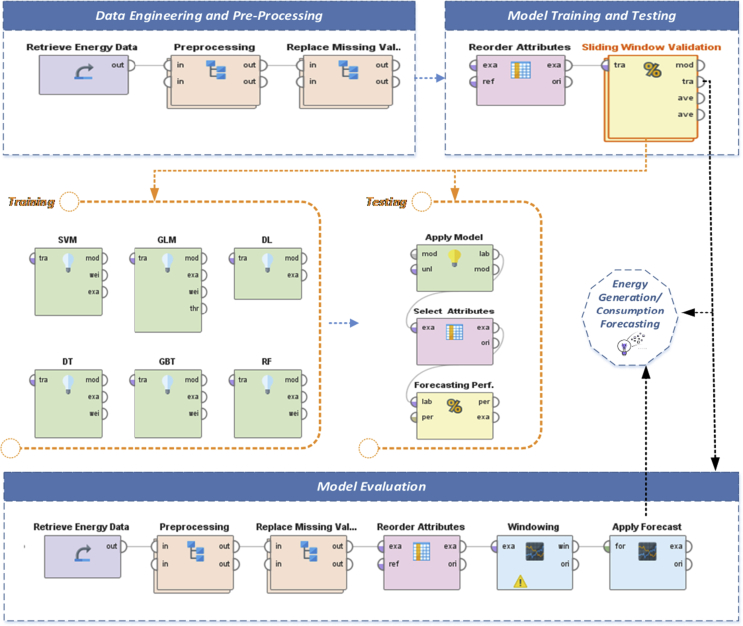
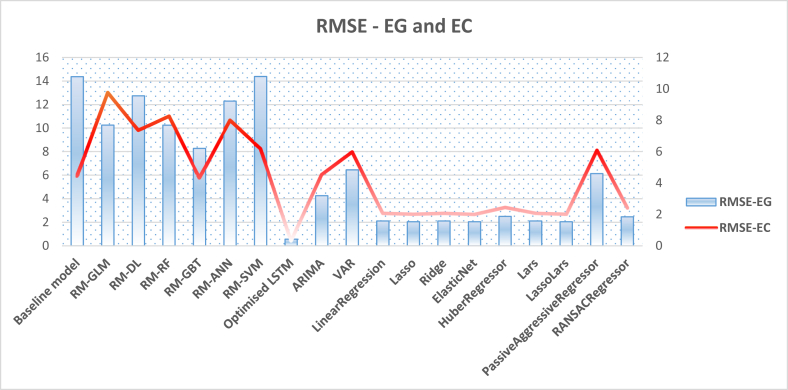
Peer-to-Peer (P2P) energy trading has gained much attention recently due to the advanced development of distributed energy resources. P2P enables prosumers to trade their surplus electricity and allows consumers to purchase affordable and locally produced renewable energy. Therefore, it is significant to develop solutions that are able to forecast energy consumption and generation toward better power management, thereby making renewable energy more accessible and empowering prosumers to make an informed decision on their energy management. In this paper, several models for forecasting short-term renewable energy consumption and generating are developed and discussed. Real-time energy datasets were collected from smart meters that were installed in residential premises in Western Australia. These datasets are collected from August 2018 to Apr 2019 at fine time resolution down to 5 s and comprise energy import from the grid, energy export to the grid, energy generation from installed rooftop PV, energy consumption in households, and outdoor temperature. Several models for forecasting short-term renewable energy consumption and generating are developed and discussed. The empirical results demonstrate the superiority of the optimised deep learning-based Long Term Short Memory (LSTM) model in forecasting both energy consumption and generation and outperforms the baseline model as well as the alternative classical and machine learning methods by a substantial margin.
由于分布式能源资源的先进发展,对等(P2P)能源交易最近备受关注。P2P使产消者能够交易其剩余电力,并允许消费者购买价格合理的本地生产的可再生能源。因此,开发能够预测能源消耗和发电量以实现更好的电力管理的解决方案具有重要意义,从而使可再生能源更容易获取,并使产消者能够在能源管理方面做出明智的决策。本文开发并讨论了几种用于预测短期可再生能源消耗和发电量的模型。实时能源数据集是从安装在西澳大利亚住宅中的智能电表收集的。这些数据集是在2018年8月至2019年4月期间以低至5秒的精细时间分辨率收集的,包括从电网的能源进口、向电网的能源出口、安装的屋顶光伏发电量、家庭能源消耗和室外温度。本文开发并讨论了几种用于预测短期可再生能源消耗和发电量的模型。实证结果表明,优化后的基于深度学习的长短期记忆(LSTM)模型在预测能源消耗和发电量方面具有优越性,并且比基线模型以及其他传统和机器学习方法有显著优势。