Luan Jie, Ba Jianbo, Liu Bin, Xu Xiongli, Shu Dong
Naval Medical Center of PLA, 880 Xiangyin Road, Yangpu District, Shanghai, China.
J Biosaf Biosecur. 2022 Dec;4(2):98-104. doi: 10.1016/j.jobb.2022.06.001. Epub 2022 Jul 9.
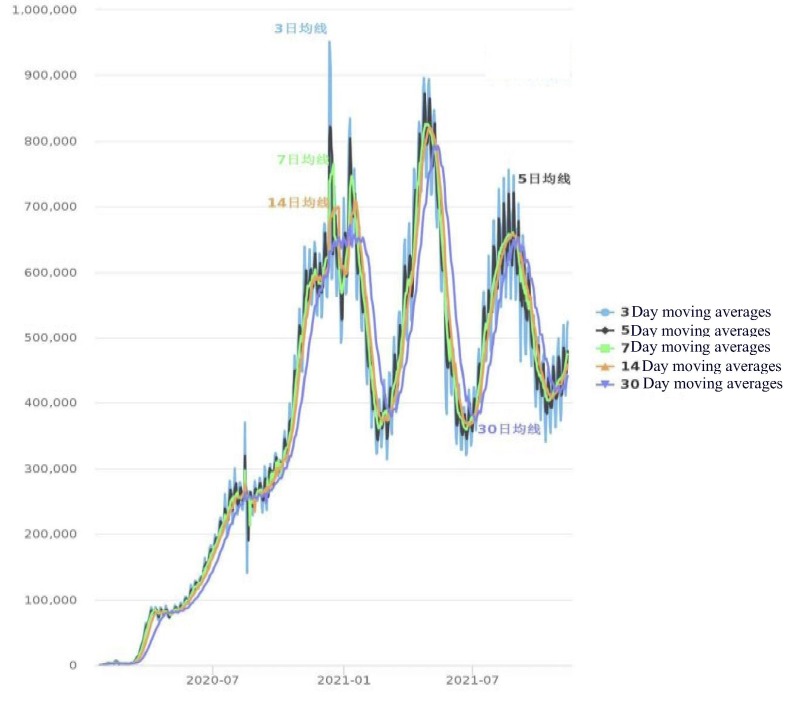
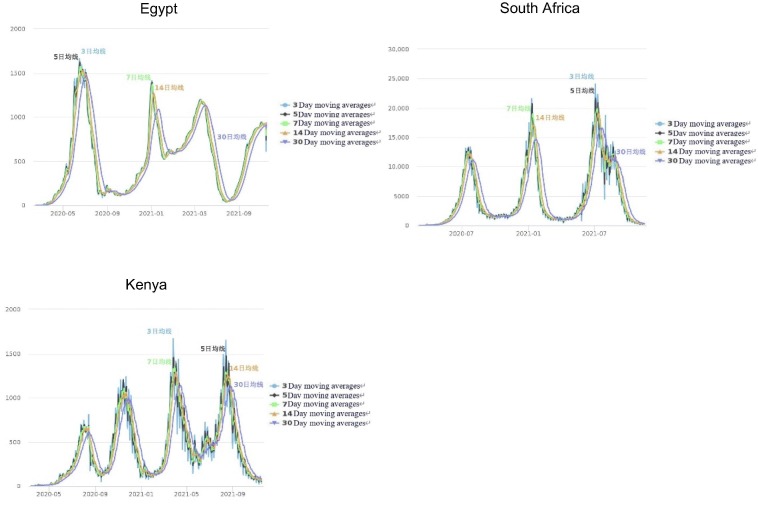
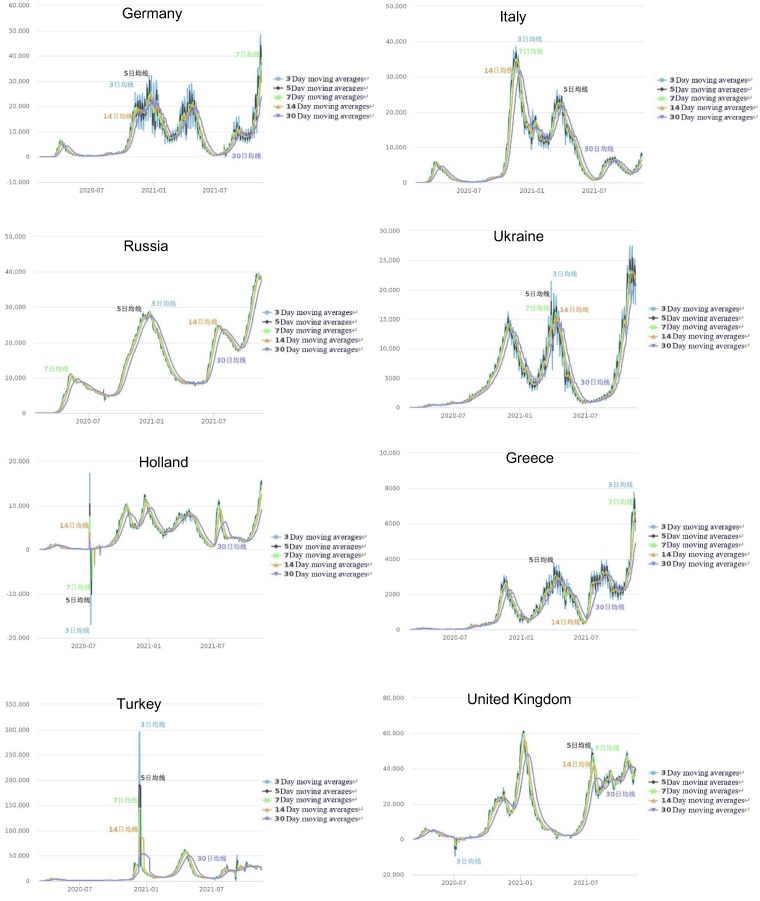
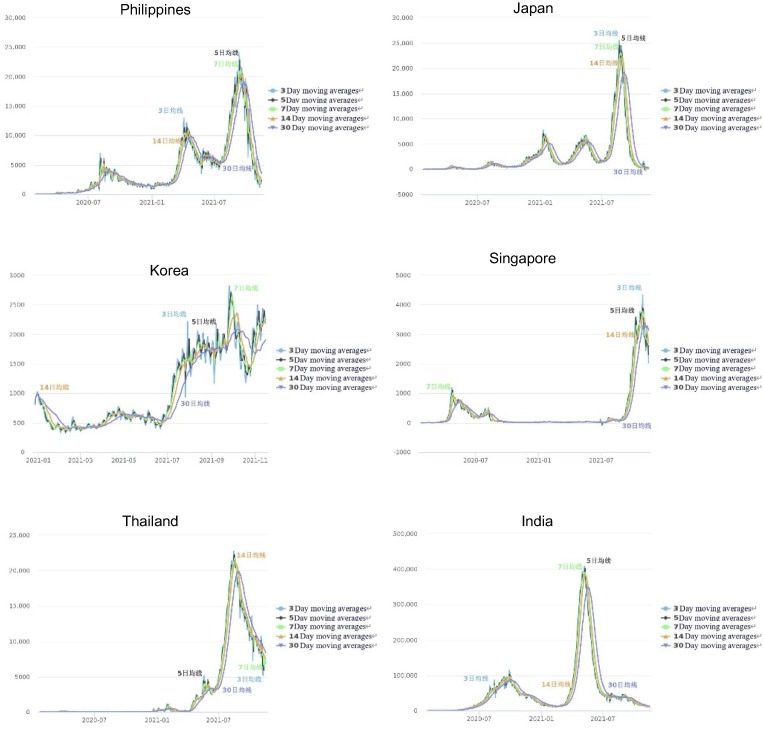
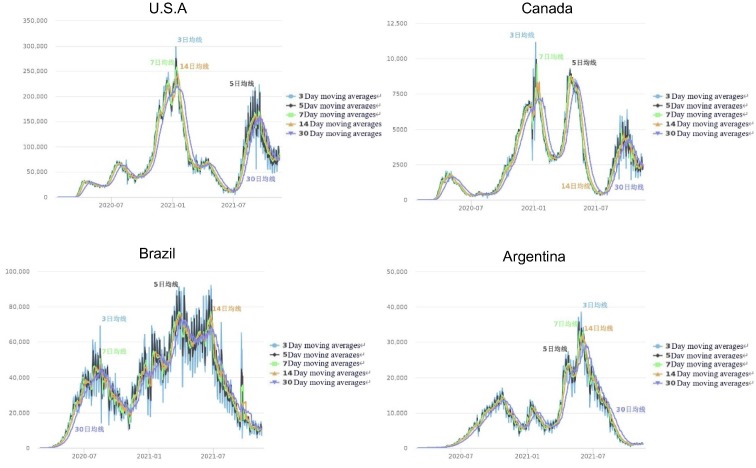
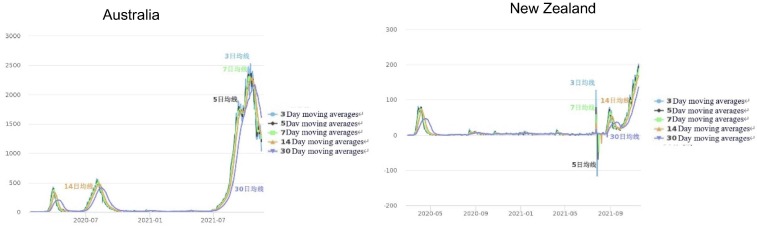
COVID-19 has had a considerable impact on society since 2019, and the disease has high mortality and infection rates. There has been a particular focus on how to best manage COVID-19 and how to analyze and predict the epidemic status of infectious diseases in general. Methods The present study analyzed the COVID-19 epidemic patterns and made predictions of future trends based on the statistics obtained from a global infectious disease network data monitoring and early warning system (OBN, http://27.115.41.130:8888/OBN/). The development trends of other major infectious diseases were also examined. Results The global COVID-19 pandemic showed periodic increases throughout 2021. At present, there is a high incidence in European countries, especially in Eastern Europe, followed by in Africa. The risk of contracting COVID-19 was divided into high, medium-high, medium, medium-low, and low grades depending on the stage of the epidemic in each examined region over the current period. The occurrence and prevalence of major infectious diseases throughout the world did not significantly change in 2021. Conclusions The COVID-19 pandemic has strongly impacted people's lives and the economy. The effects of global infectious diseases can be ameliorated by strengthening monitoring and early warning systems and by facilitating the international exchange of information.
自2019年以来,新冠病毒病(COVID-19)对社会产生了重大影响,该疾病具有高死亡率和感染率。人们特别关注如何最好地管理COVID-19以及如何总体分析和预测传染病的流行状况。方法 本研究基于从全球传染病网络数据监测与预警系统(OBN,http://27.115.41.130:8888/OBN/)获得的统计数据,分析了COVID-19的流行模式并对未来趋势进行了预测。还研究了其他主要传染病的发展趋势。结果 2021年全球COVID-19大流行呈周期性上升。目前,欧洲国家发病率较高,尤其是东欧,其次是非洲。根据当前各被调查地区的疫情阶段,感染COVID-19的风险分为高、中高、中、中低和低等级。2021年全球主要传染病的发生和流行情况没有明显变化。结论 COVID-19大流行对人们的生活和经济产生了强烈影响。加强监测和预警系统以及促进国际信息交流可以减轻全球传染病的影响。