McGurk Kathryn A, Kasapi Melpomeni, Ware James S
National Heart and Lung Institute, Imperial College London, London, UK.
Department of Metabolism, Digestion, and Reproduction, Imperial College London, London, UK.
Wellcome Open Res. 2022 Jul 7;7:9. doi: 10.12688/wellcomeopenres.17505.3. eCollection 2022.
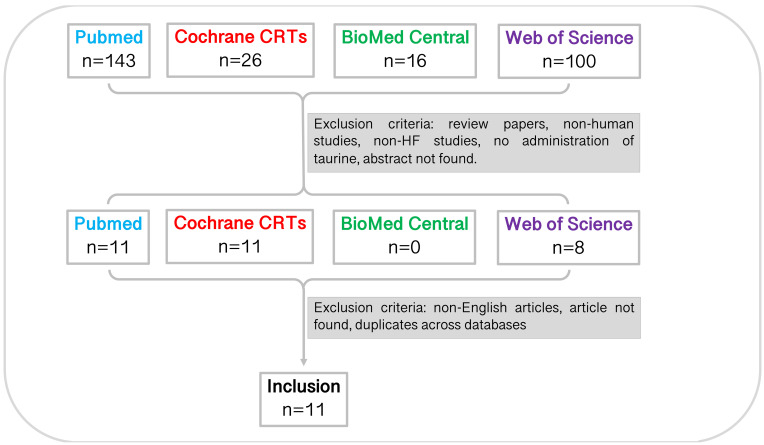
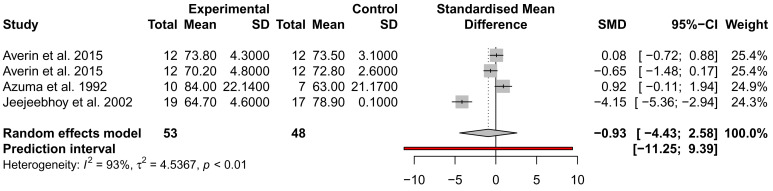
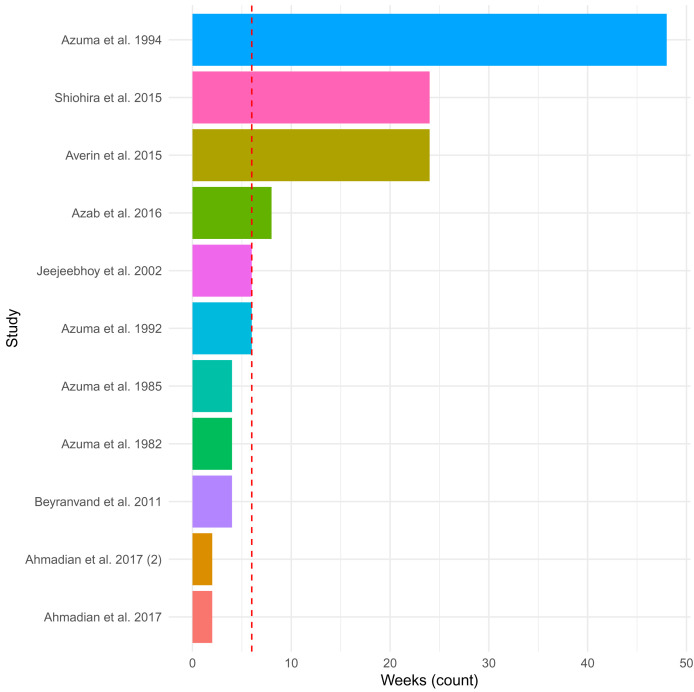
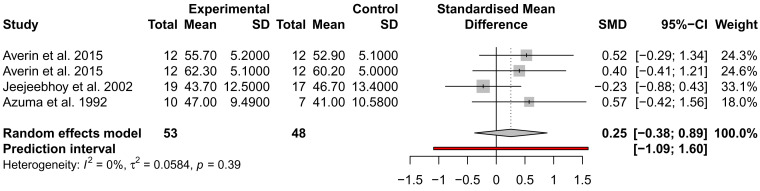
Taurine, 2-aminoethanesulfonic acid, is an amino acid found in animal products. Taurine is produced for human consumption as a supplement and ingredient in beverages. Supplementation is a safe, inexpensive, and effective treatment for dilated cardiomyopathy (DCM) in domestic mammals, however it is currently unlicensed in Europe and the United States for human medical treatment. Recent genome-wide association studies of DCM have identified the locus of the taurine transporter ( ). To assess whether taurine supplementation may be a novel therapeutic option for DCM, we undertook a systematic review. Four electronic databases (PubMed, Cochrane Central Register, Web of Science, Biomed Central) were searched until 11/03/21. Included studies of human participants reported measured phenotypes or symptoms for cardiomyopathy, heart failure (HF), or altered left ventricle structure or function, administering taurine in any formulation, by any method. Non-English articles were excluded. Meta-analysis was completed in R software (version 3.6.0). The Newcastle-Ottawa Scale quality assessment score (NOQAS) tool was used to assess bias. 285 articles were identified, of which eleven met our criteria for inclusion. Only one paper was deemed "high quality" using the NOQAS tool. Taurine supplementation varied across studies; by dose (500 mg to 6g per day), frequency (once to thrice daily), delivery method (tablet, capsule, drink, powder), and duration (2 to 48 weeks). Patient inclusion was all-cause HF patients with ejection fraction (EF) <50% and no study was specific to DCM. While improvements in diastolic and systolic function, exercise capacity, and haemodynamic parameters were described, only EF and stroke volume were measured in enough studies to complete a meta-analysis; the association was not significant with all-cause HF (P<0.05). No significant safety concerns were reported. A formal clinical trial is needed to address whether taurine supplementation is beneficial to the approximately 1/250 individuals with DCM in the population.
牛磺酸,即2-氨基乙磺酸,是一种存在于动物产品中的氨基酸。牛磺酸作为一种补充剂和饮料成分用于人类消费。补充牛磺酸是治疗家养哺乳动物扩张型心肌病(DCM)的一种安全、廉价且有效的方法,然而目前在欧洲和美国,它尚未被批准用于人类医学治疗。最近关于DCM的全基因组关联研究已经确定了牛磺酸转运体的基因座( )。为了评估补充牛磺酸是否可能是DCM的一种新的治疗选择,我们进行了一项系统综述。检索了四个电子数据库(PubMed、Cochrane中央注册库、科学网、生物医学中心),直至2021年3月11日。纳入的关于人类参与者的研究报告了心肌病、心力衰竭(HF)的测量表型或症状,或左心室结构或功能改变,采用任何制剂、任何方法给予牛磺酸。非英文文章被排除。在R软件(版本3.6.0)中完成荟萃分析。使用纽卡斯尔-渥太华量表质量评估评分(NOQAS)工具评估偏倚。共识别出285篇文章,其中11篇符合我们的纳入标准。使用NOQAS工具,只有一篇论文被认为“高质量”。不同研究中补充牛磺酸的情况各不相同;包括剂量(每天500毫克至6克)、频率(每天一次至三次)、给药方式(片剂、胶囊、饮料、粉末)和持续时间(2至48周)。纳入的患者为射血分数(EF)<50%的全因HF患者,且没有研究专门针对DCM。虽然描述了舒张和收缩功能、运动能力及血流动力学参数的改善情况,但只有足够数量的研究测量了EF和每搏输出量以完成荟萃分析;与全因HF的关联不显著(P<0.05)。未报告重大安全问题。需要进行正式的临床试验,以确定补充牛磺酸是否对人群中约1/250的DCM患者有益。