Division of Cardiology, Department of Medicine (Y.Z., A.S.R., W.E.K., C.C., Y.D., A.V.A., L.A.W., K.C.W., M.R.B., P.M.B., K.S.), University of Colorado Anschutz Medical Campus, Aurora.
Gates Center for Regenerative Medicine and Stem Cell Biology (A.S.R., W.E.K., C.C., K.S.), University of Colorado Anschutz Medical Campus, Aurora.
Circulation. 2022 Aug 30;146(9):699-714. doi: 10.1161/CIRCULATIONAHA.121.058017. Epub 2022 Jul 18.
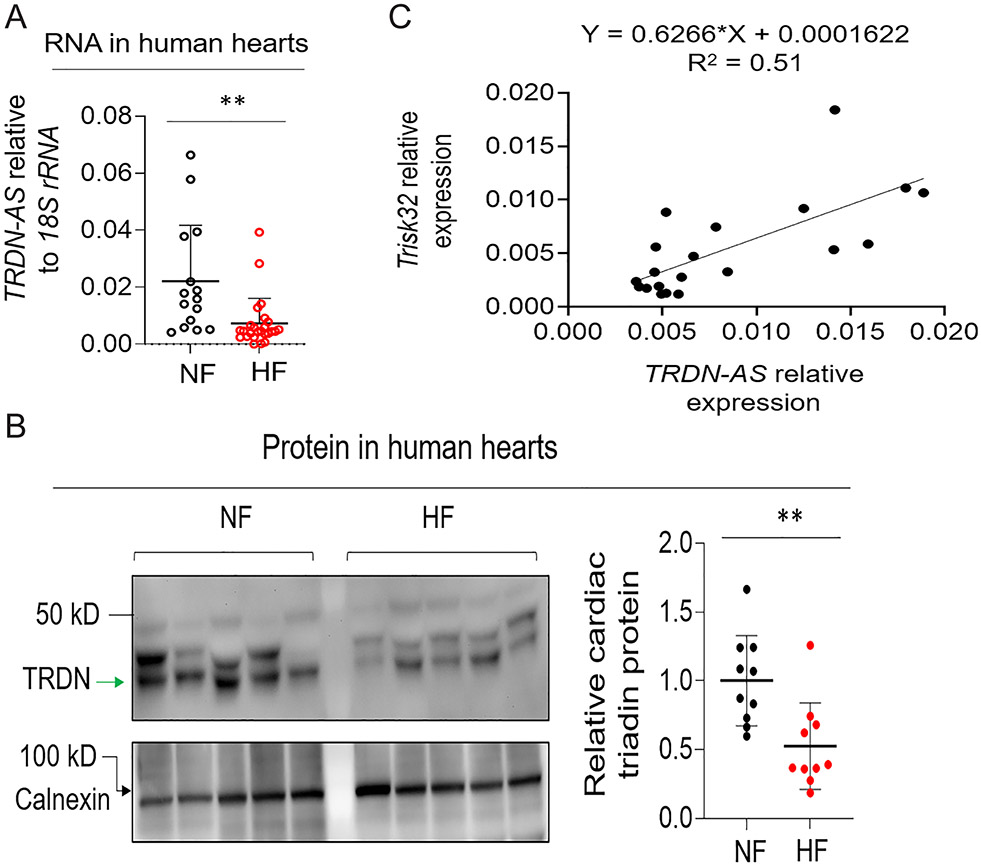
Abnormalities in Ca homeostasis are associated with cardiac arrhythmias and heart failure. Triadin plays an important role in Ca homeostasis in cardiomyocytes. Alternative splicing of a single gene produces multiple triadin isoforms. The cardiac-predominant isoform, mouse MT-1 or human Trisk32, is encoded by exons 1 to 8. In humans, mutations in the gene that lead to a reduction in Trisk32 levels in the heart can cause cardiac dysfunction and arrhythmias. Decreased levels of Trisk32 in the heart are also common in patients with heart failure. However, mechanisms that maintain triadin isoform composition in the heart remain elusive.
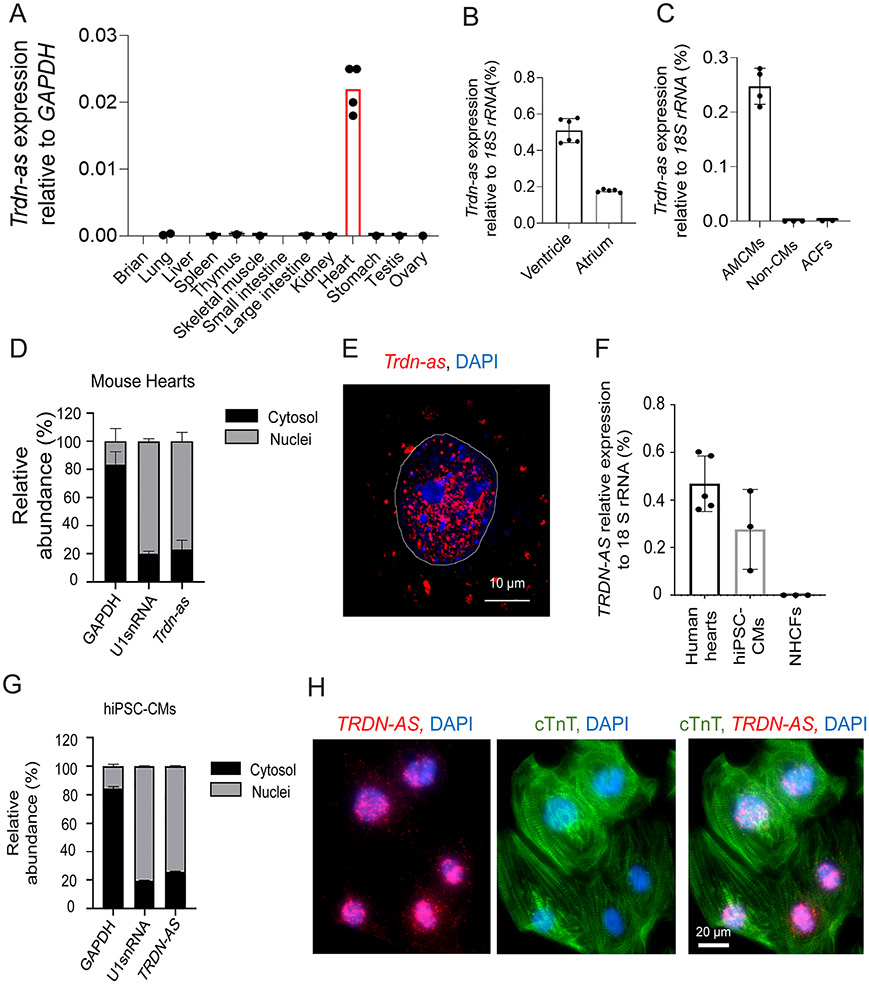
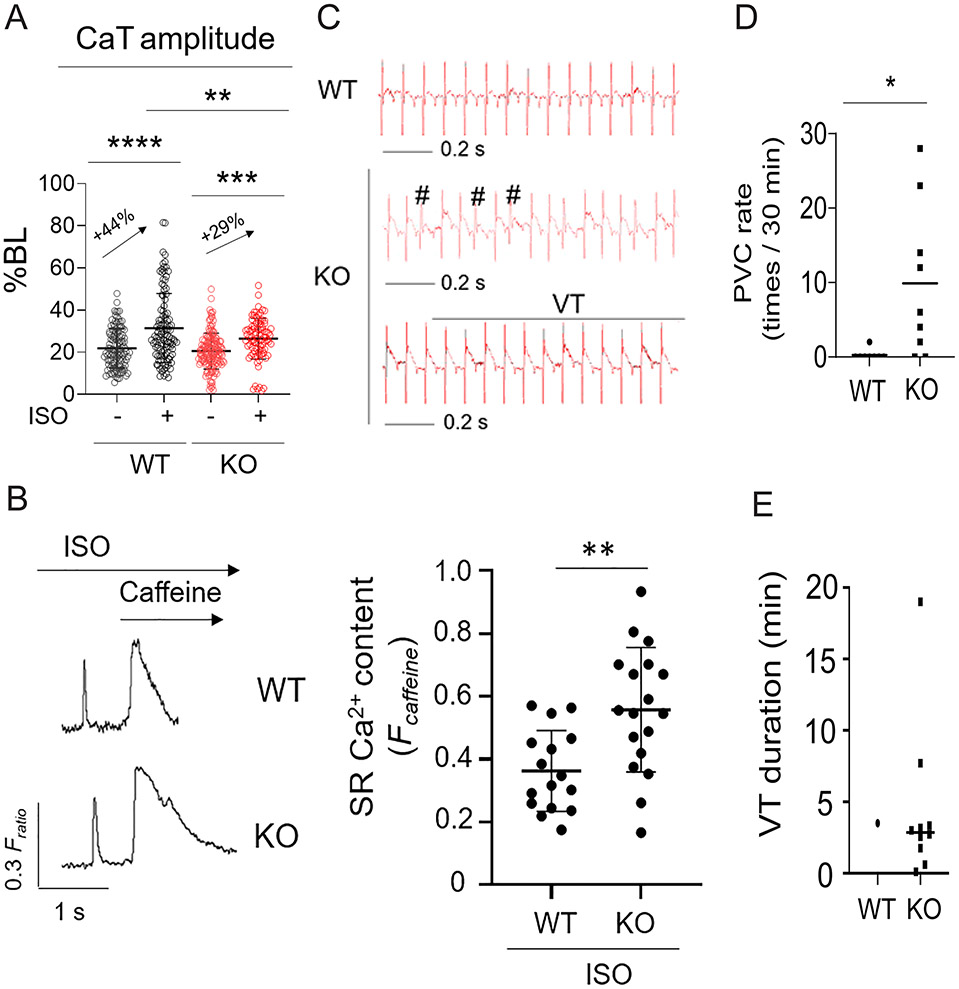
We analyzed triadin expression in heart explants from patients with heart failure and cardiac arrhythmias and in hearts from mice carrying a knockout allele for , a cardiomyocyte-specific long noncoding RNA encoded by the antisense strand of the gene, between exons 9 and 11. Catecholamine challenge with isoproterenol was performed on knockout mice to assess the role of in cardiac arrhythmogenesis, as assessed by ECG. Ca transients in adult mouse cardiomyocytes were measured with the IonOptix platform or the GCaMP system. Biochemistry assays, single-molecule fluorescence in situ hybridization, subcellular localization imaging, RNA sequencing, and molecular rescue assays were used to investigate the mechanisms by which regulates cardiac function and triadin levels in the heart.
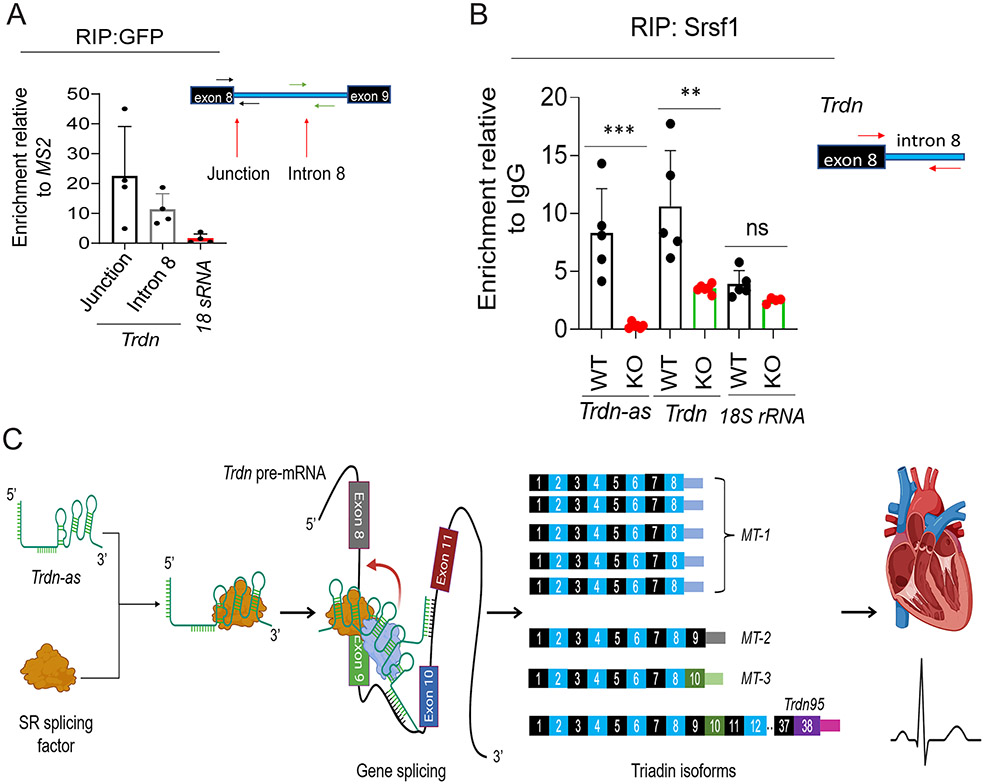
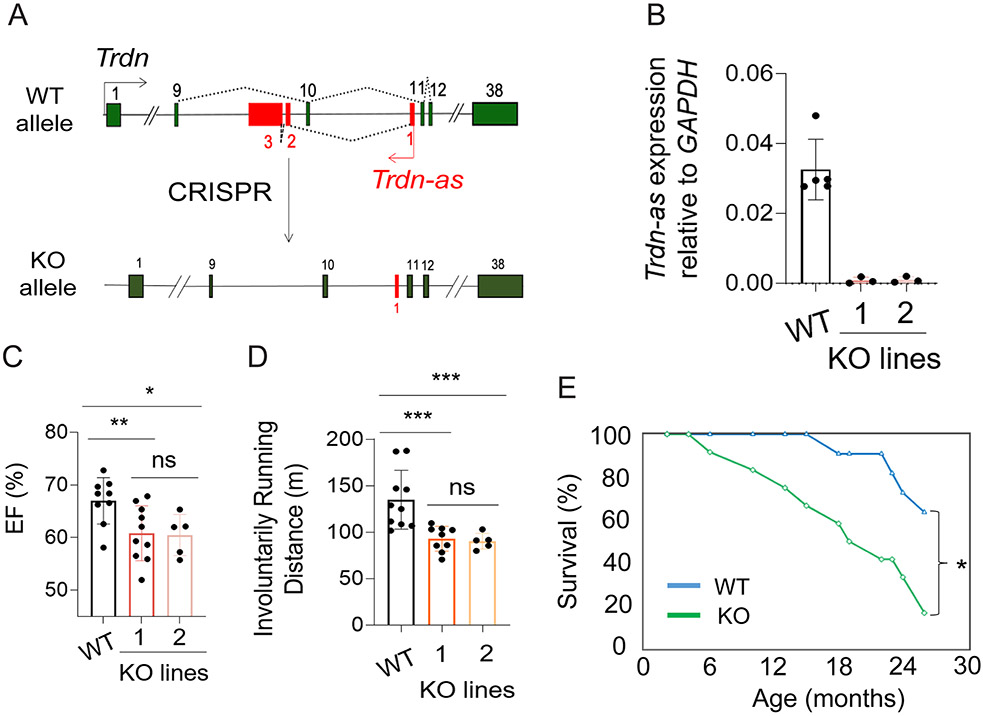
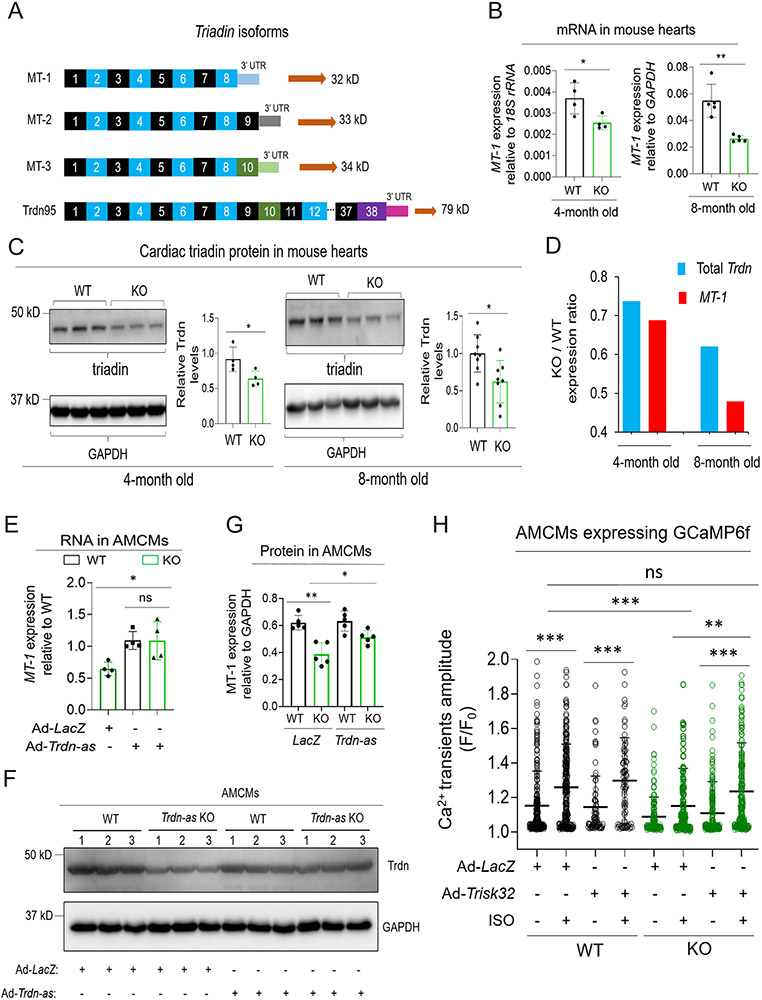
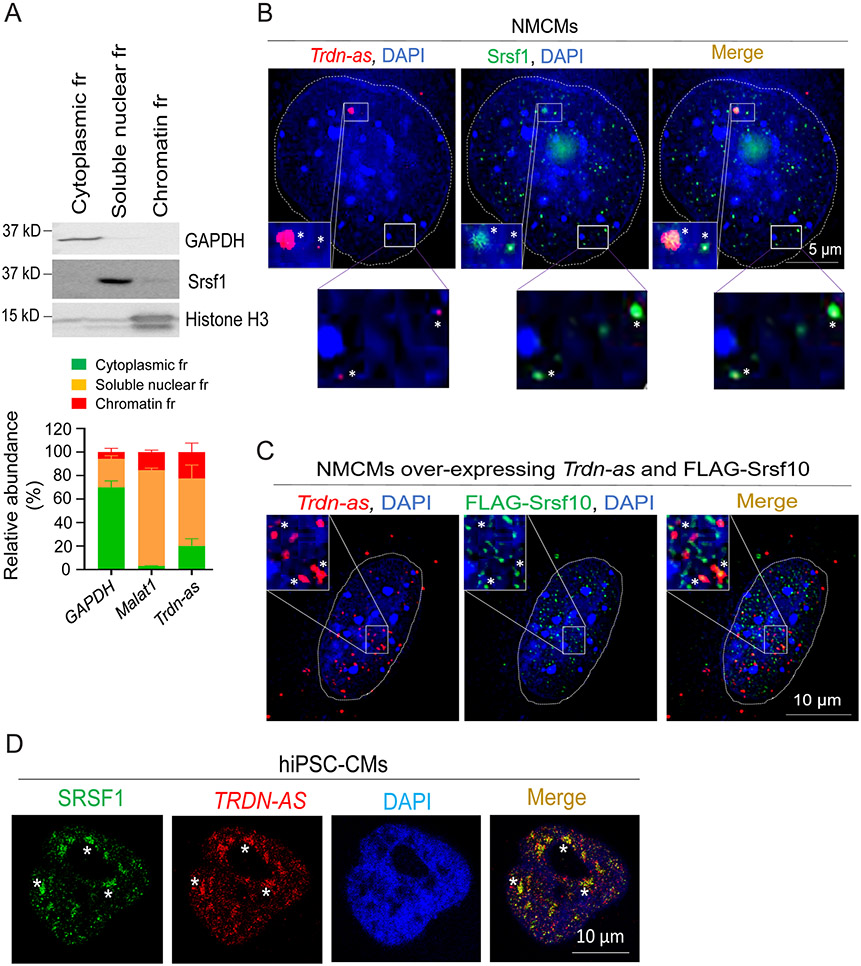
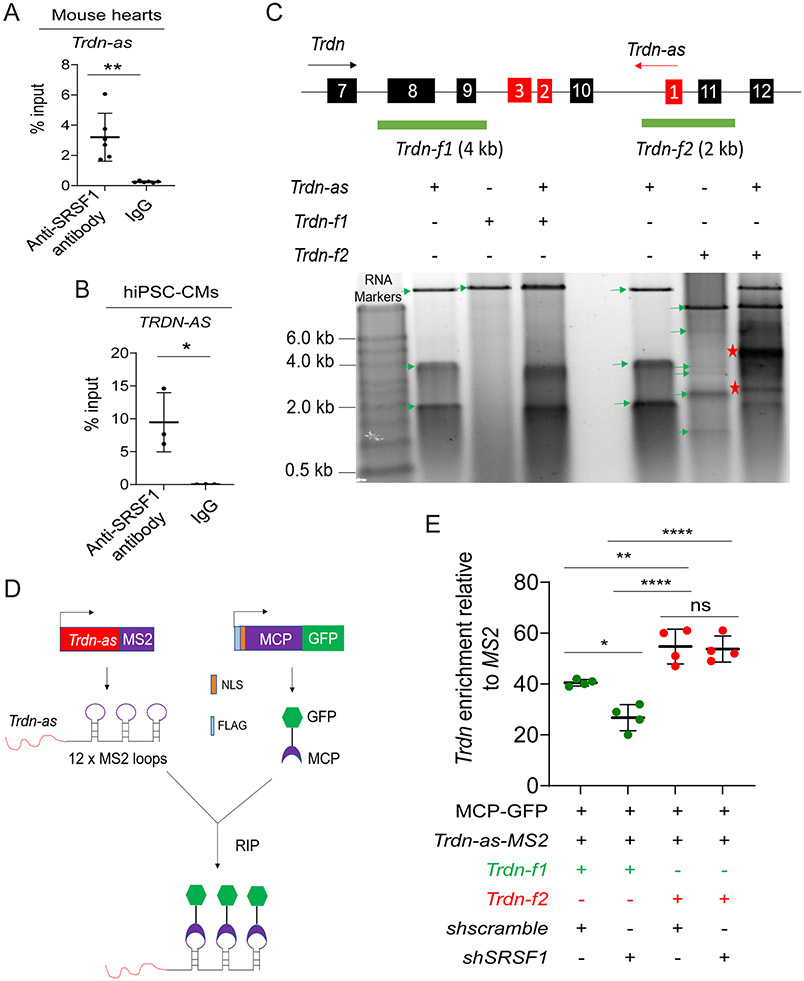
We report that maintains cardiac function, at least in part, by regulating alternative splicing of the gene. Knockout of in mice downregulates cardiac triadin, impairs Ca handling, and causes premature death. knockout mice are susceptible to cardiac arrhythmias in response to catecholamine challenge. Normalization of cardiac triadin levels in knockout cardiomyocytes is sufficient to restore Ca handling. Last, colocalizes and interacts with serine/arginine splicing factors in cardiomyocyte nuclei and is essential for efficient recruitment of splicing factors to precursor mRNA.
These findings reveal regulation of alternative splicing as a novel mechanism by which a long noncoding RNA controls cardiac function. This study indicates potential therapeutics for heart disease by targeting the long noncoding RNA or pathways regulating alternative splicing.
钙稳态异常与心律失常和心力衰竭有关。三联蛋白在心肌细胞的钙稳态中起着重要作用。单个基因的选择性剪接产生多种三联蛋白同工型。心脏优势同工型,即鼠 MT-1 或人 Trisk32,由外显子 1 到 8 编码。在人类中,导致心脏中 Trisk32 水平降低的基因发生突变会导致心脏功能障碍和心律失常。心脏中 Trisk32 水平降低也常见于心力衰竭患者。然而,维持心脏中三联蛋白同工型组成的机制仍不清楚。
我们分析了心力衰竭和心律失常患者心脏标本以及携带编码 基因反义链的 9 号和 11 号外显子之间的敲除等位基因的小鼠心脏中的三联蛋白表达。用异丙肾上腺素对 敲除小鼠进行儿茶酚胺刺激,以心电图评估 在心脏心律失常发生中的作用。用 IonOptix 平台或 GCaMP 系统测量成年小鼠心肌细胞中的 Ca 瞬变。用生物化学测定、单分子荧光原位杂交、亚细胞定位成像、RNA 测序和分子拯救测定来研究 调节心脏功能和心脏中三联蛋白水平的机制。
我们报告说, 通过调节 基因的选择性剪接来维持心脏功能,至少在部分程度上是这样。在小鼠中敲除 会下调心脏三联蛋白,损害 Ca 处理,并导致早逝。 敲除小鼠对儿茶酚胺刺激易发生心律失常。在 敲除心肌细胞中,使心脏三联蛋白正常化足以恢复 Ca 处理。最后, 在心肌细胞核中与丝氨酸/精氨酸剪接因子共定位和相互作用,并且对于有效招募剪接因子到 前体 mRNA 是必需的。
这些发现揭示了作为一种新型机制,长非编码 RNA 调节心脏功能的选择性剪接。这项研究表明,通过靶向长非编码 RNA 或调节选择性剪接的途径,为心脏病提供了潜在的治疗方法。