Sun Ziying, Liu Qianqian, Lv Zhongyang, Li Jiawei, Xu Xingquan, Sun Heng, Wang Maochun, Sun Kuoyang, Shi Tianshu, Liu Zizheng, Tan Guihua, Yan Wenqiang, Wu Rui, Yang Yannick Xiaofan, Ikegawa Shiro, Jiang Qing, Sun Yang, Shi Dongquan
State Key Laboratory of Pharmaceutical Biotechnology, Department of Sports Medicine and Adult Reconstructive Surgery, Nanjing Drum Tower Hospital, the Affiliated Hospital of Nanjing University Medical School, Nanjing 210008, China.
Laboratory for Bone and Joint Disease, Model Animal Research Center (MARC), Nanjing University, Nanjing 210093, China.
Acta Pharm Sin B. 2022 Jul;12(7):3073-3084. doi: 10.1016/j.apsb.2022.02.010. Epub 2022 Feb 17.
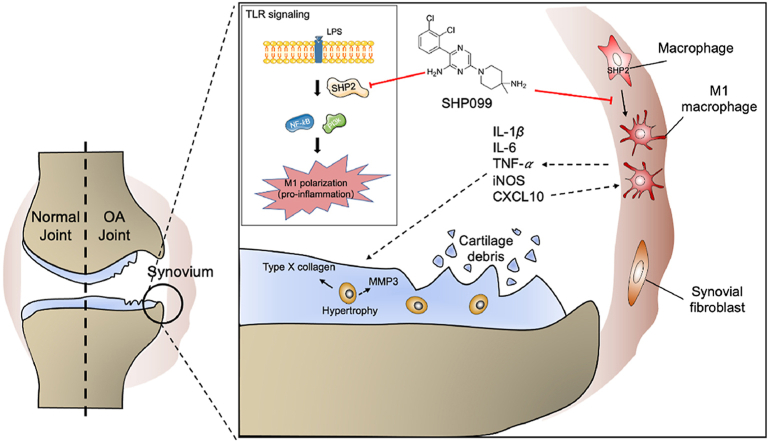
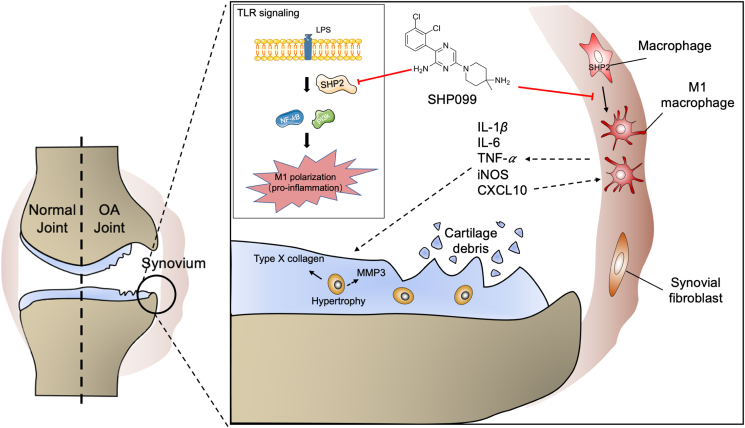
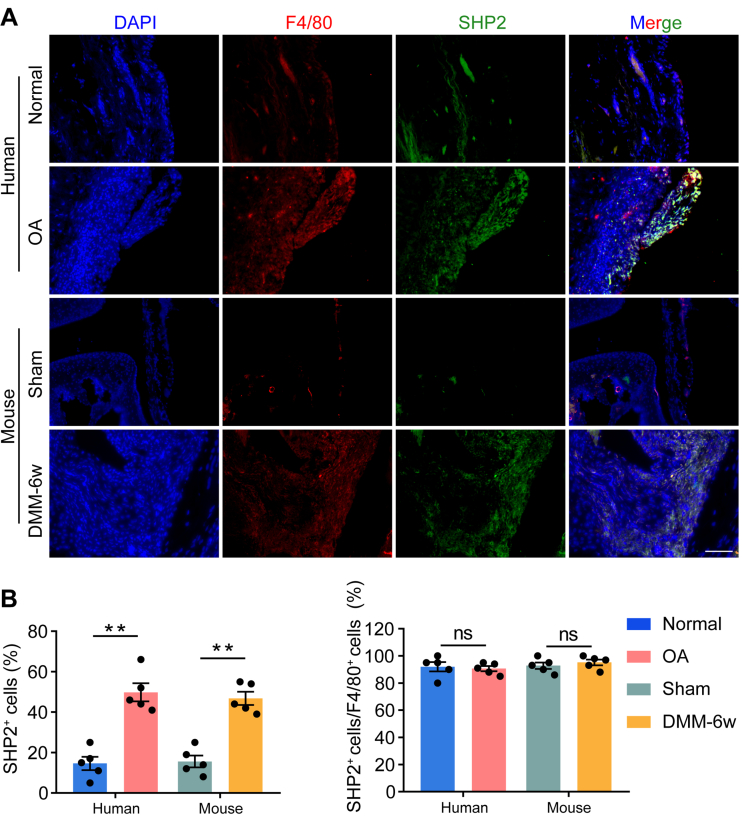
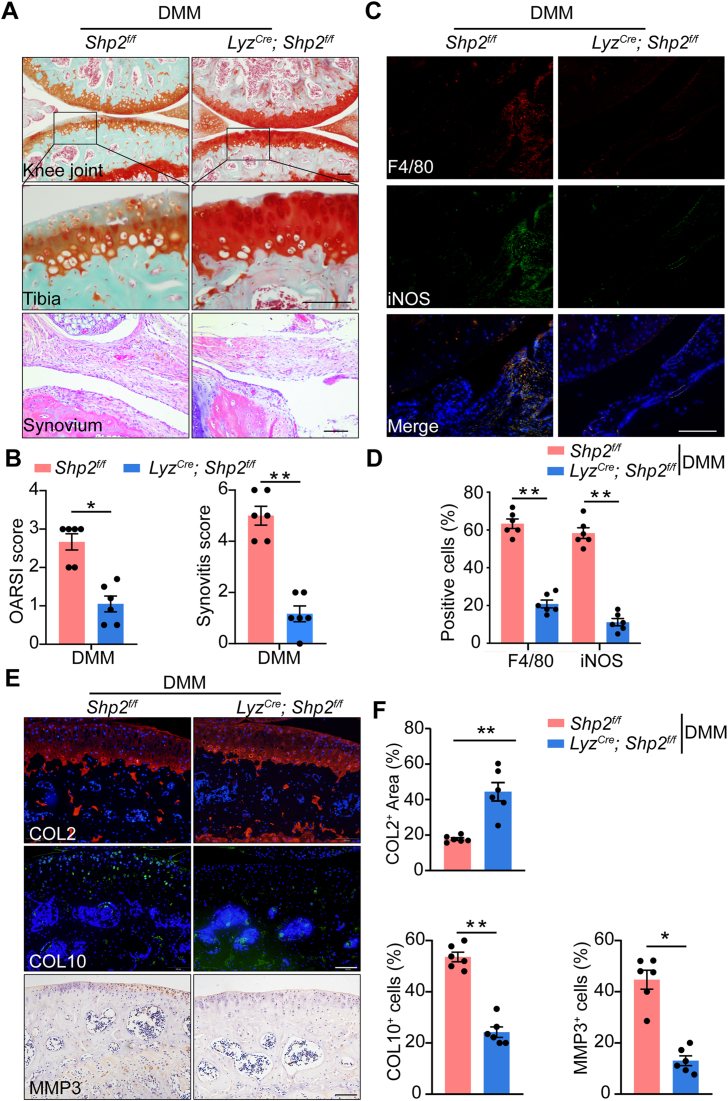
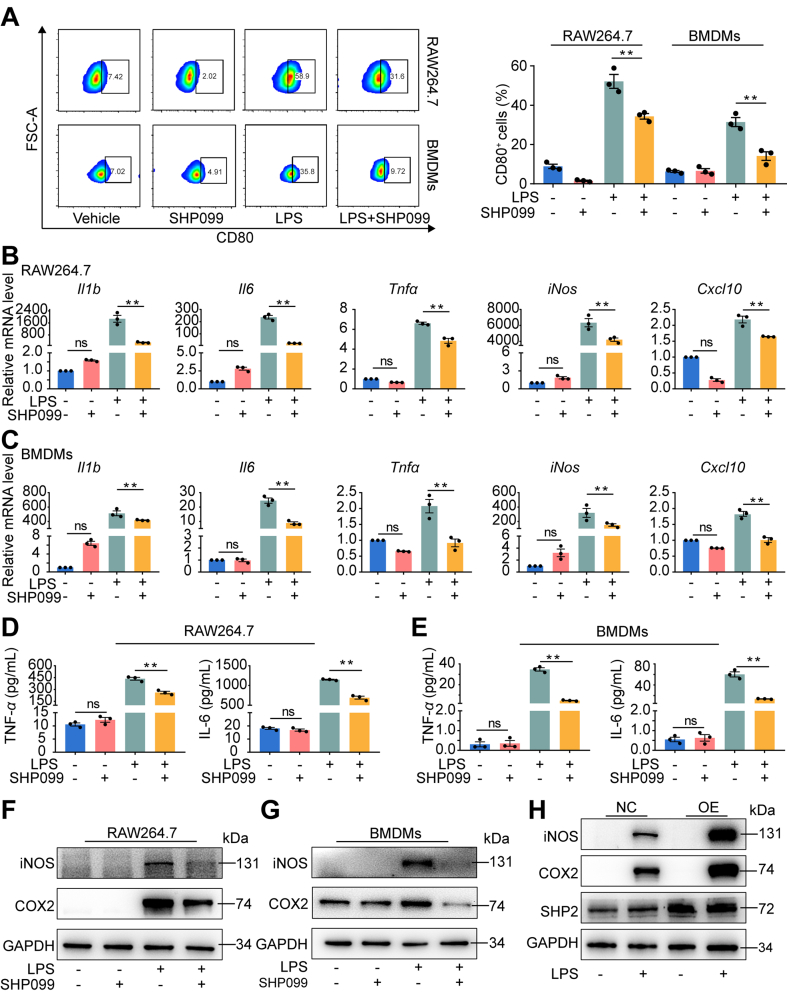
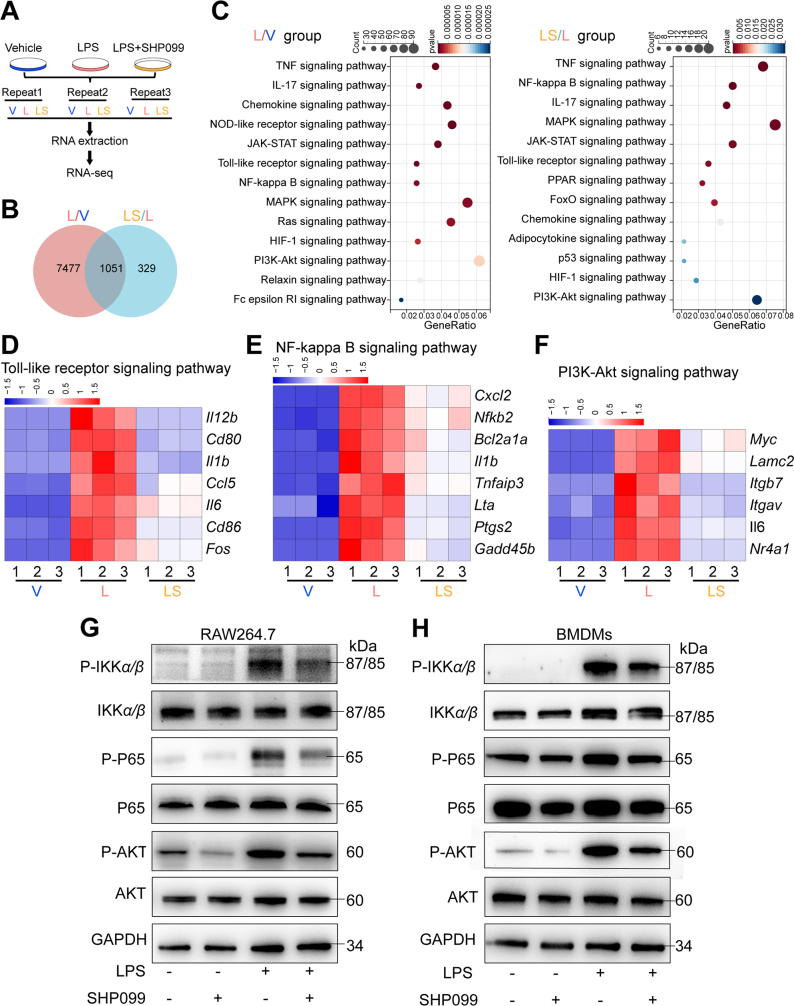
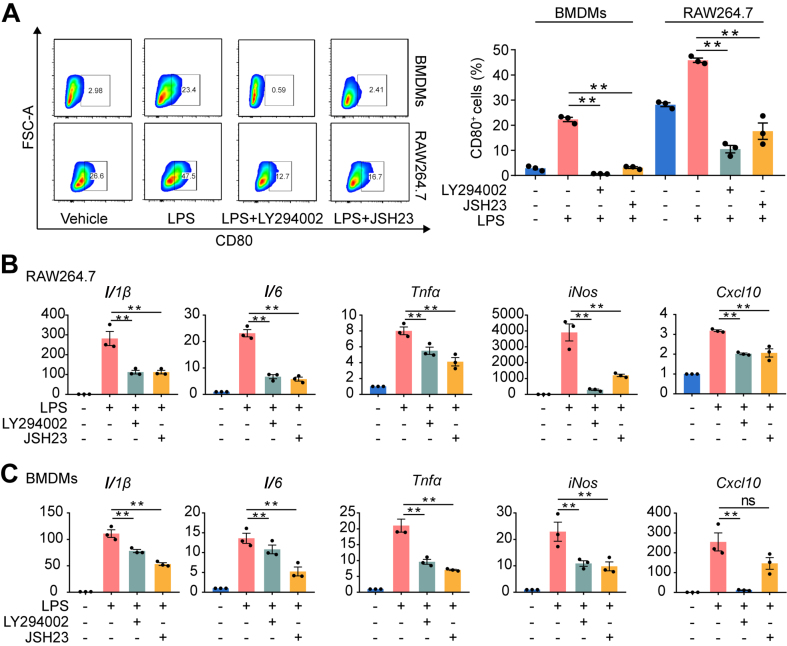
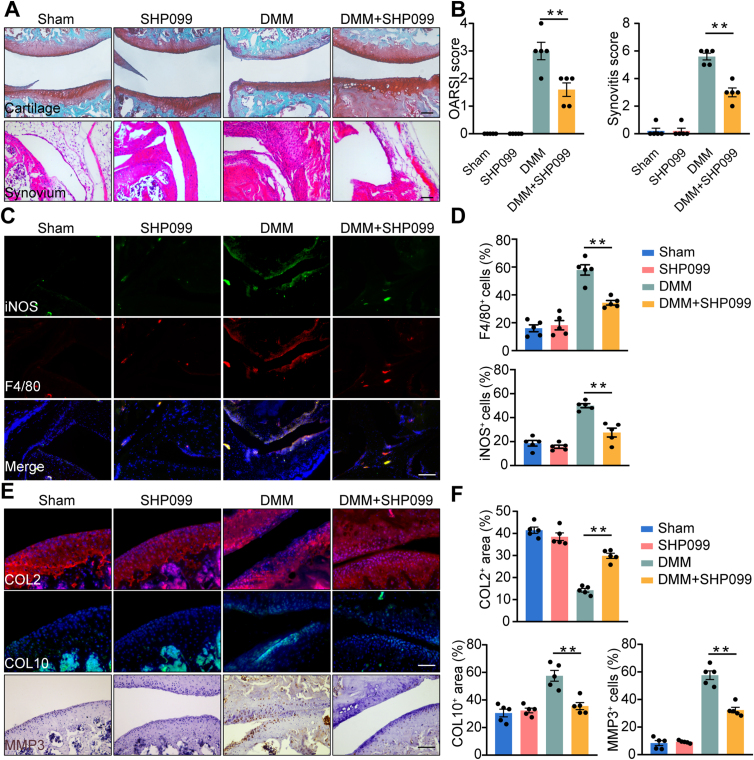
Osteoarthritis (OA), in which M1 macrophage polarization in the synovium exacerbates disease progression, is a major cause of cartilage degeneration and functional disabilities. Therapeutic strategies of OA designed to interfere with the polarization of macrophages have rarely been reported. Here, we report that SHP099, as an allosteric inhibitor of src-homology 2-containing protein tyrosine phosphatase 2 (SHP2), attenuated osteoarthritis progression by inhibiting M1 macrophage polarization. We demonstrated that M1 macrophage polarization was accompanied by the overexpression of SHP2 in the synovial tissues of OA patients and OA model mice. Compared to wild-type (WT) mice, myeloid lineage conditional knockout (cKO) mice showed decreased M1 macrophage polarization and attenuated severity of synovitis, an elevated expression of cartilage phenotype protein collagen II (COL2), and a decreased expression of cartilage degradation markers collagen X (COL10) and matrix metalloproteinase 3 (MMP3) in OA cartilage. Further mechanistic analysis showed thatSHP099 inhibited lipopolysaccharide (LPS)-induced Toll-like receptor (TLR) signaling mediated by nuclear factor kappa B (NF-B) and PI3K-AKT signaling. Moreover, intra-articular injection of SHP099 also significantly attenuated OA progression, including joint synovitis and cartilage damage. These results indicated that allosteric inhibition of SHP2 might be a promising therapeutic strategy for the treatment of OA.
骨关节炎(OA)是软骨退变和功能障碍的主要原因,其中滑膜中的M1巨噬细胞极化会加剧疾病进展。旨在干扰巨噬细胞极化的OA治疗策略鲜有报道。在此,我们报告SHP099作为含Src同源2结构域蛋白酪氨酸磷酸酶2(SHP2)的变构抑制剂,通过抑制M1巨噬细胞极化减轻了骨关节炎的进展。我们证明,OA患者和OA模型小鼠滑膜组织中M1巨噬细胞极化伴随着SHP2的过表达。与野生型(WT)小鼠相比,髓系谱系条件性敲除(cKO)小鼠的M1巨噬细胞极化减少,滑膜炎严重程度减轻,OA软骨中软骨表型蛋白胶原蛋白II(COL2)表达升高,软骨降解标志物胶原蛋白X(COL10)和基质金属蛋白酶3(MMP3)表达降低。进一步的机制分析表明,SHP099抑制了由核因子κB(NF-κB)和PI3K-AKT信号介导的脂多糖(LPS)诱导的Toll样受体(TLR)信号。此外,关节内注射SHP099也显著减轻了OA的进展,包括关节滑膜炎和软骨损伤。这些结果表明,变构抑制SHP2可能是一种有前景的OA治疗策略。