Leeds Institute of Cardiac and Metabolic Medicine, University of Leeds, Leeds, UK.
Department of Aeronautics, Imperial College London, London, UK.
Med Biol Eng Comput. 2022 Sep;60(9):2463-2478. doi: 10.1007/s11517-022-02621-0. Epub 2022 Jul 22.
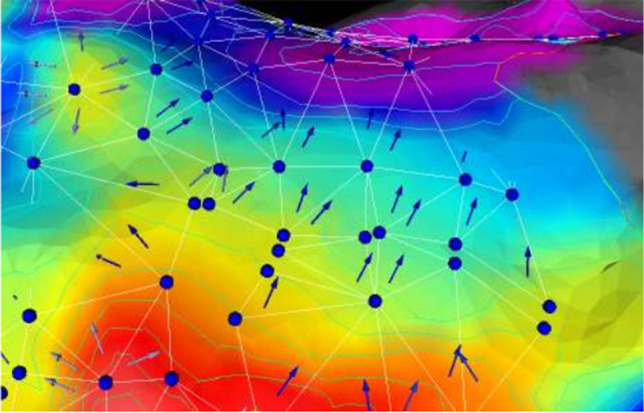
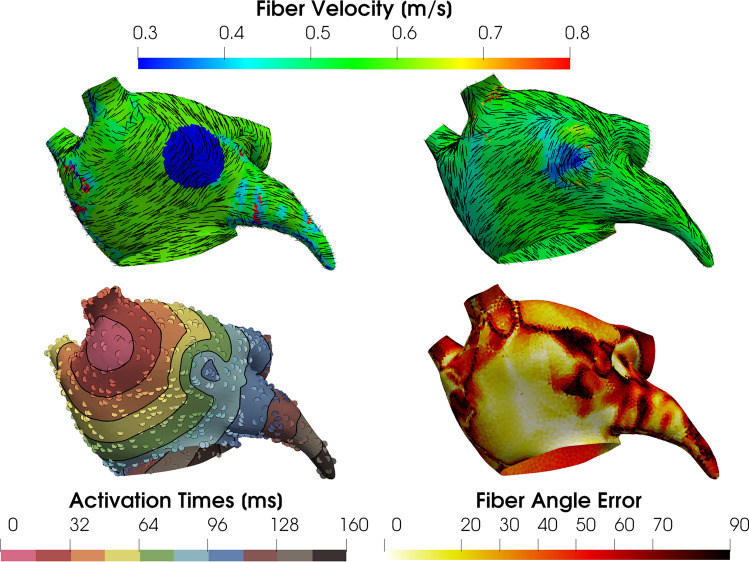
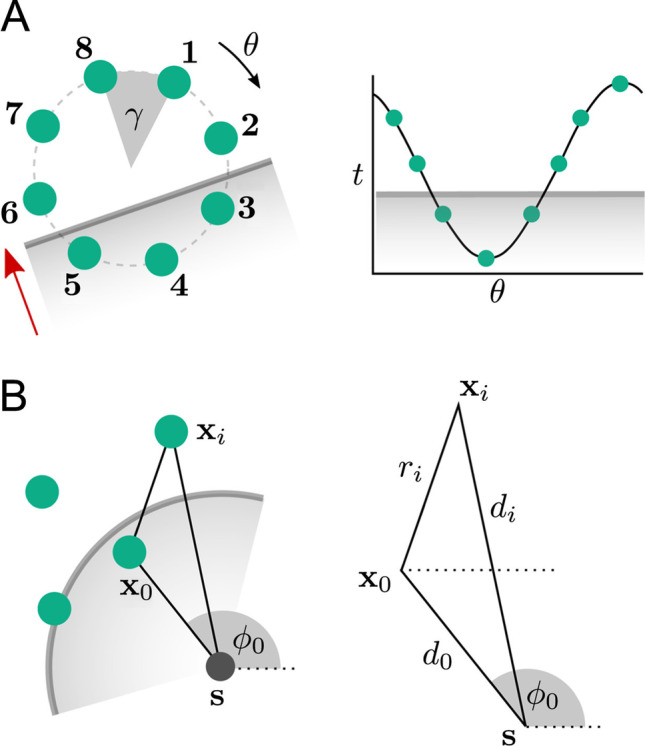
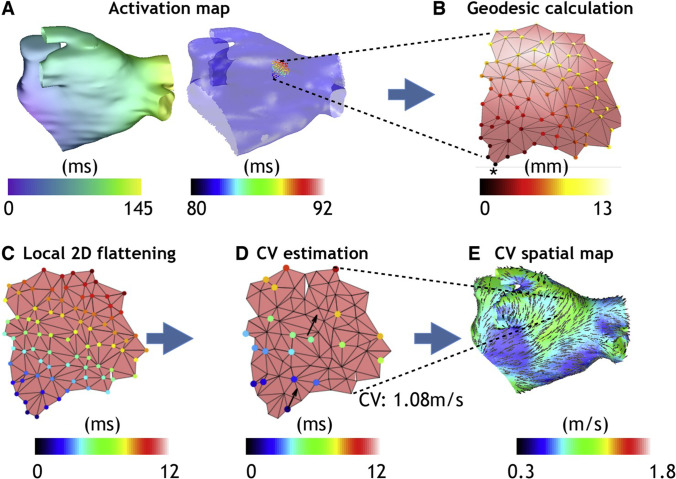
Characterizing patient-specific atrial conduction properties is important for understanding arrhythmia drivers, for predicting potential arrhythmia pathways, and for personalising treatment approaches. One metric that characterizes the health of the myocardial substrate is atrial conduction velocity, which describes the speed and direction of propagation of the electrical wavefront through the myocardium. Atrial conduction velocity mapping algorithms are under continuous development in research laboratories and in industry. In this review article, we give a broad overview of different categories of currently published methods for calculating CV, and give insight into their different advantages and disadvantages overall. We classify techniques into local, global, and inverse methods, and discuss these techniques with respect to their faithfulness to the biophysics, incorporation of uncertainty quantification, and their ability to take account of the atrial manifold.
描述患者特定的心房传导特性对于理解心律失常的驱动因素、预测潜在的心律失常途径以及个性化治疗方法非常重要。描述心肌基质健康状况的一个指标是心房传导速度,它描述了电激动波穿过心肌的速度和方向。在研究实验室和工业界中,心房传导速度测绘算法正在不断发展。在这篇综述文章中,我们广泛概述了目前用于计算 CV 的不同类别方法,并深入了解了它们的总体优缺点。我们将技术分为局部、全局和逆方法,并根据它们对生物物理学的忠实程度、不确定性量化的纳入以及它们对心房流形的考虑能力来讨论这些技术。