Office of the Chief Medical Examiner, District of Columbia, Washington, District of Columbia, USA.
University of Maryland, Baltimore, Graduate School, Baltimore, Maryland, USA.
J Forensic Sci. 2022 Sep;67(5):1899-1914. doi: 10.1111/1556-4029.15101. Epub 2022 Jul 22.
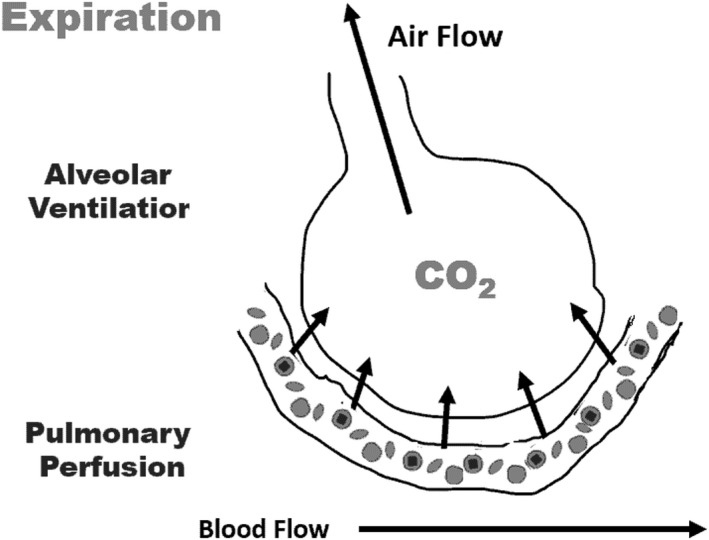
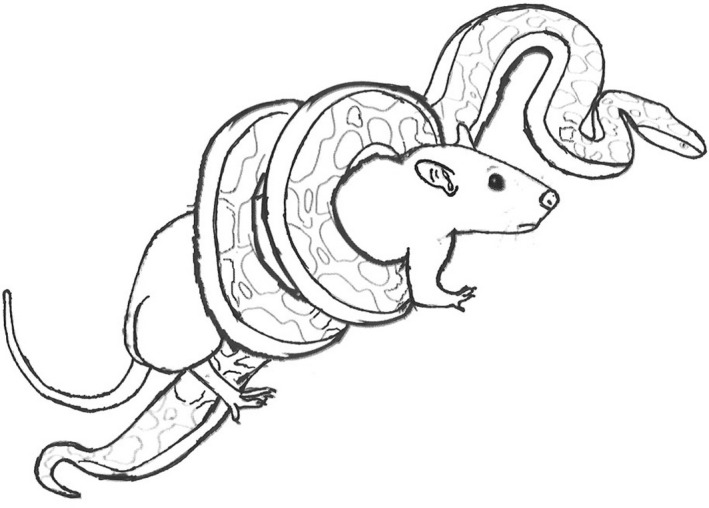
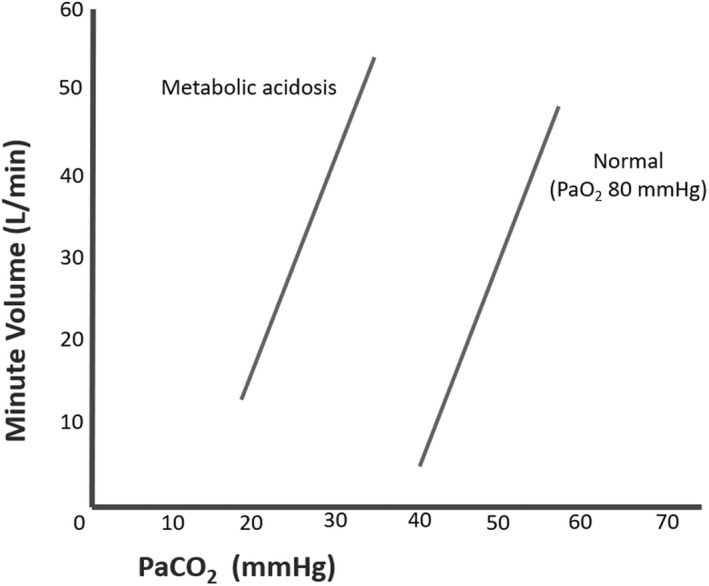
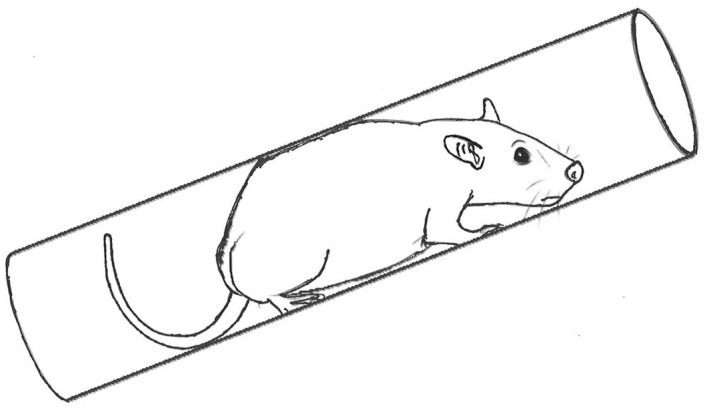
We postulate that most atraumatic deaths during police restraint of subjects in the prone position are due to prone restraint cardiac arrest (PRCA), rather than from restraint asphyxia or a stress-induced cardiac condition, such as excited delirium. The prone position restricts ventilation and diminishes pulmonary perfusion. In the setting of a police encounter, metabolic demand will be high from anxiety, stress, excitement, physical struggle, and/or stimulant drugs, leading to metabolic acidosis and requiring significant hyperventilation. Although oxygen levels may be maintained, prolonged restraint in the prone position may result in an inability to adequately blow off CO , causing blood pCO levels to rise rapidly. The uncompensated metabolic acidosis (low pH) will eventually result in loss of myocyte contractility. The initial electrocardiogram rhythm will generally be either pulseless electrical activity (PEA) or asystole, indicating a noncardiac etiology, more consistent with PRCA and inconsistent with a primary role of any underlying cardiac pathology or stress-induced cardiac etiology. We point to two animal models: in one model rats unable to breathe deeply due to an external restraint die when their metabolic demand is increased, and in the other model, pressure on the chest of rats results in decreased venous return and cardiac arrest rather than death from asphyxia. We present two cases of subjects restrained in the prone position who went into cardiac arrest and had low pHs and initial PEA cardiac rhythms. Our cases demonstrate the danger of prone restraint and serve as examples of PRCA.
我们假设,在警察将嫌疑人按倒俯卧时,大多数无创伤性死亡都是由于俯卧位心脏骤停(PRCA),而不是由于束缚窒息或应激性心脏疾病,如兴奋性谵妄。俯卧位会限制通气并减少肺灌注。在警察遭遇的情况下,由于焦虑、压力、兴奋、身体挣扎和/或兴奋剂药物的作用,代谢需求会很高,导致代谢性酸中毒并需要大量过度通气。尽管氧水平可能得到维持,但长时间俯卧位的束缚可能导致无法充分排出 CO,导致血液 pCO 水平迅速升高。未代偿的代谢性酸中毒(低 pH 值)最终将导致心肌细胞收缩力丧失。初始心电图节律通常为无脉电活动(PEA)或心搏停止,表明非心脏病因,更符合 PRCA,与任何潜在的心脏病理或应激性心脏病因引起的原发性作用不一致。我们指出了两种动物模型:在一种模型中,由于外部束缚而无法深呼吸的大鼠在代谢需求增加时死亡,而在另一种模型中,对大鼠胸部施加压力会导致静脉回流减少和心脏骤停,而不是窒息死亡。我们介绍了两例俯卧位束缚的患者发生心脏骤停且 pH 值较低且初始 PEA 心律的病例。我们的病例表明了俯卧位束缚的危险,并作为 PRCA 的例子。