Ahmar Sunny, Gruszka Damian
Institute of Biology, Biotechnology and Environmental Protection, Faculty of Natural Sciences, University of Silesia, Katowice, Poland.
Front Genet. 2022 Jul 6;13:953458. doi: 10.3389/fgene.2022.953458. eCollection 2022.
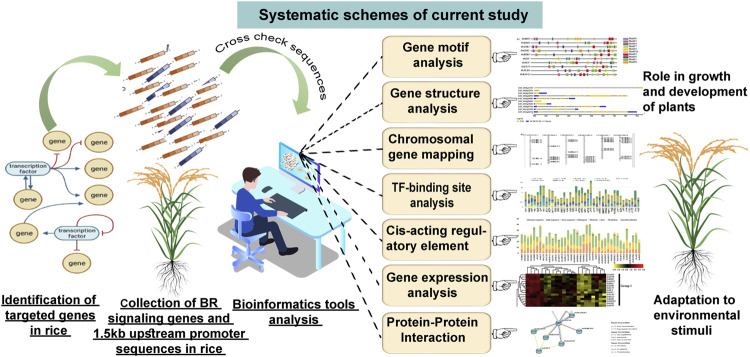
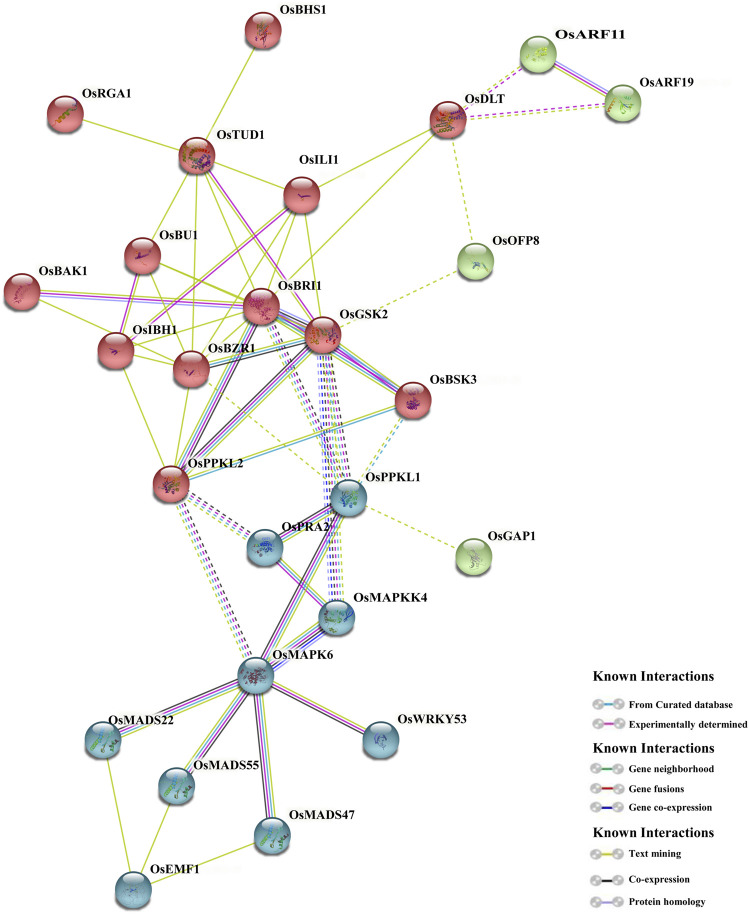
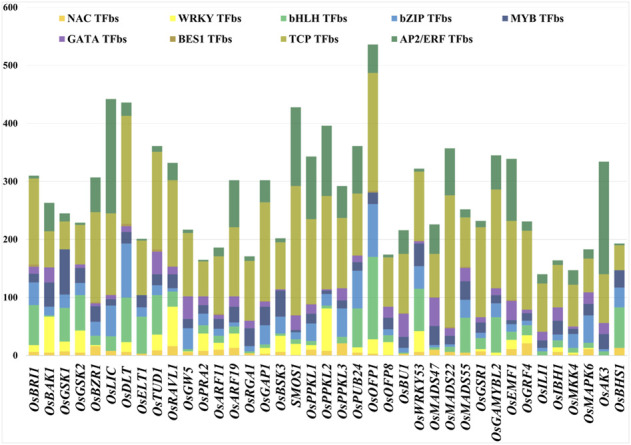
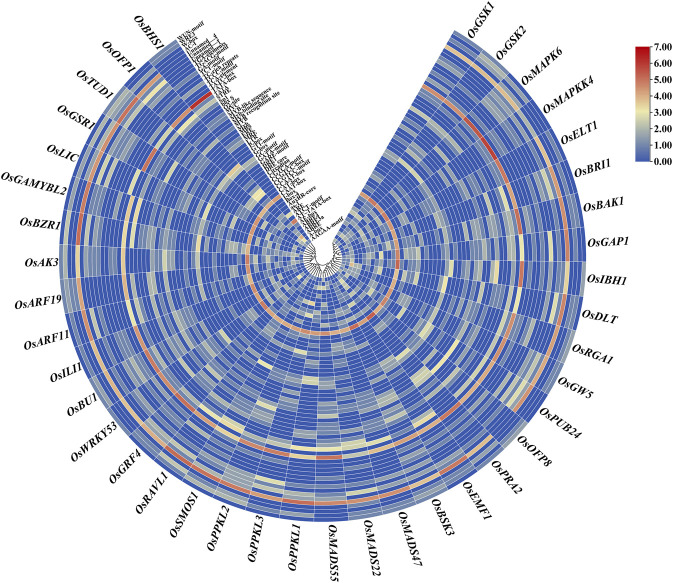
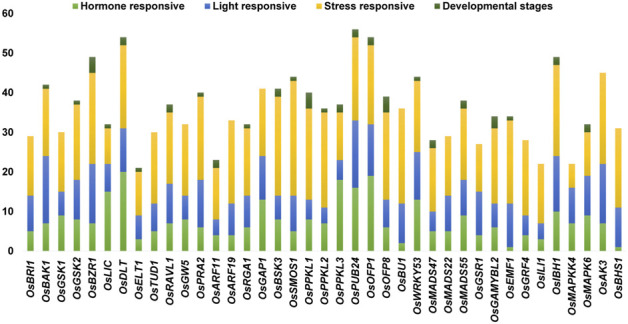
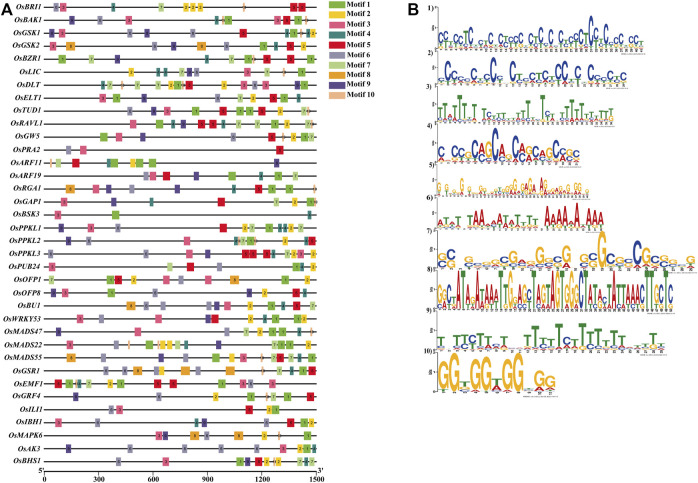
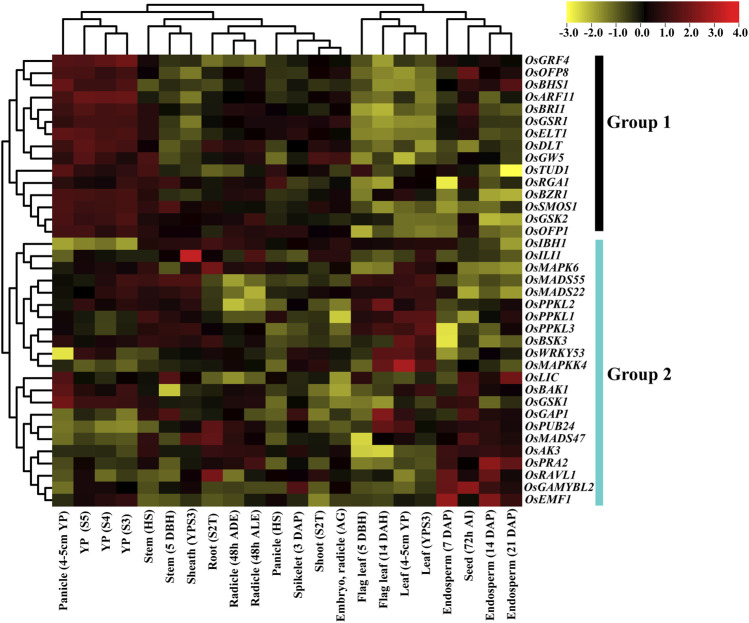
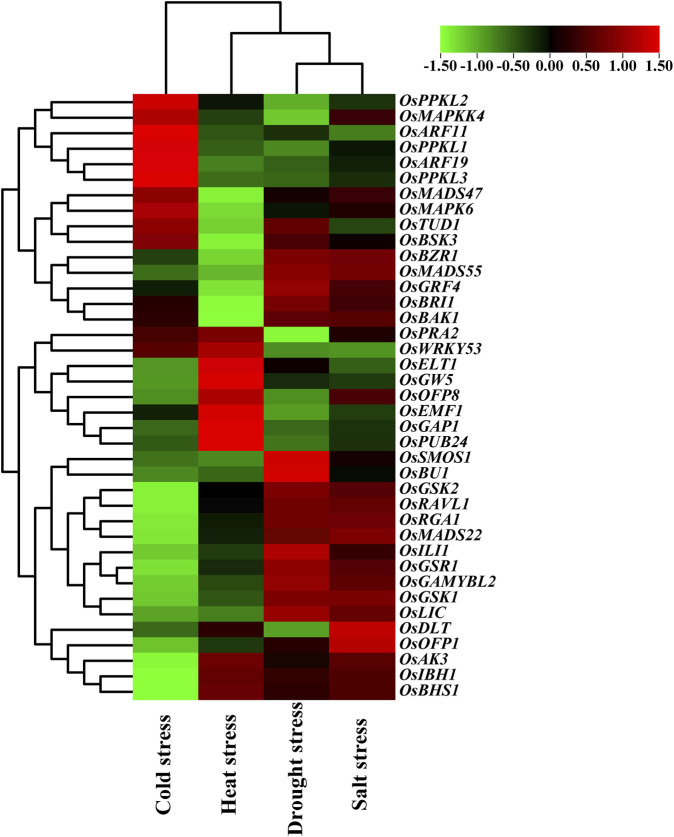
Brassinosteroids (BRs) regulate a diverse spectrum of processes during plant growth and development and modulate plant physiology in response to environmental fluctuations and stress factors. Thus, the BR signaling regulators have the potential to be targeted for gene editing to optimize the architecture of plants and make them more resilient to environmental stress. Our understanding of the BR signaling mechanism in monocot crop species is limited compared to our knowledge of this process accumulated in the model dicot species - . A deeper understanding of the BR signaling and response during plant growth and adaptation to continually changing environmental conditions will provide insight into mechanisms that govern the coordinated expression of the BR signaling genes in rice () which is a model for cereal crops. Therefore, in this study a comprehensive and detailed analysis of promoter sequences of rice BR signaling genes was performed. Moreover, expression profiles of these genes during various developmental stages and reactions to several stress conditions were analyzed. Additionally, a model of interactions between the encoded proteins was also established. The obtained results revealed that promoters of the 39 BR signaling genes are involved in various regulatory mechanisms and interdependent processes that influence growth, development, and stress response in rice. Different transcription factor-binding sites and cis-regulatory elements in the gene promoters were identified which are involved in regulation of the genes' expression during plant development and reactions to stress conditions. The analysis of BR signaling genes in provides information about mechanisms which regulate the coordinated expression of these genes during rice development and in response to other phytohormones and environmental factors. Since rice is both an important crop and the model species for other cereals, this information may be important for understanding the regulatory mechanisms that modulate the BR signaling in monocot species. It can also provide new ways for the plant genetic engineering technology by providing novel potential targets, either cis-elements or transcriptional factors, to create elite genotypes with desirable traits.
油菜素甾体类化合物(BRs)在植物生长发育过程中调节多种生理过程,并响应环境波动和胁迫因素调节植物生理。因此,BR信号调节因子有潜力成为基因编辑的靶点,以优化植物结构,使其更能抵御环境胁迫。与我们在双子叶模式植物中积累的关于这一过程的知识相比,我们对单子叶作物中BR信号传导机制的了解有限。深入了解植物生长过程中的BR信号传导和响应以及对不断变化的环境条件的适应,将有助于深入了解调控水稻(一种谷类作物的模式植物)中BR信号基因协调表达的机制。因此,在本研究中,对水稻BR信号基因的启动子序列进行了全面而详细的分析。此外,还分析了这些基因在不同发育阶段的表达谱以及对几种胁迫条件的反应。此外,还建立了编码蛋白之间的相互作用模型。所得结果表明,39个BR信号基因的启动子参与了影响水稻生长、发育和胁迫响应的各种调控机制和相互依存过程。鉴定了基因启动子中不同的转录因子结合位点和顺式调控元件,它们参与植物发育过程中基因表达的调控以及对胁迫条件的反应。对水稻中BR信号基因的分析提供了有关在水稻发育过程中以及对其他植物激素和环境因素响应时调节这些基因协调表达的机制的信息。由于水稻既是重要的作物,又是其他谷类作物的模式物种,这些信息对于理解单子叶植物中调节BR信号传导的调控机制可能很重要。它还可以通过提供新的潜在靶点(顺式元件或转录因子)为植物基因工程技术提供新途径,以创造具有理想性状的优良基因型。