Li Zhaoshui, Ma Zaiqi, Xue Hong, Shen Ruxin, Qin Kun, Zhang Yu, Zheng Xin, Zhang Guodong
Qingdao Medical College, Qingdao University, Qingdao, China.
Cardiothoracic Surgery Department, Qingdao Hiser Hospital Affiliated to Qingdao University, Qingdao, China.
Front Genet. 2022 Jul 8;13:917150. doi: 10.3389/fgene.2022.917150. eCollection 2022.
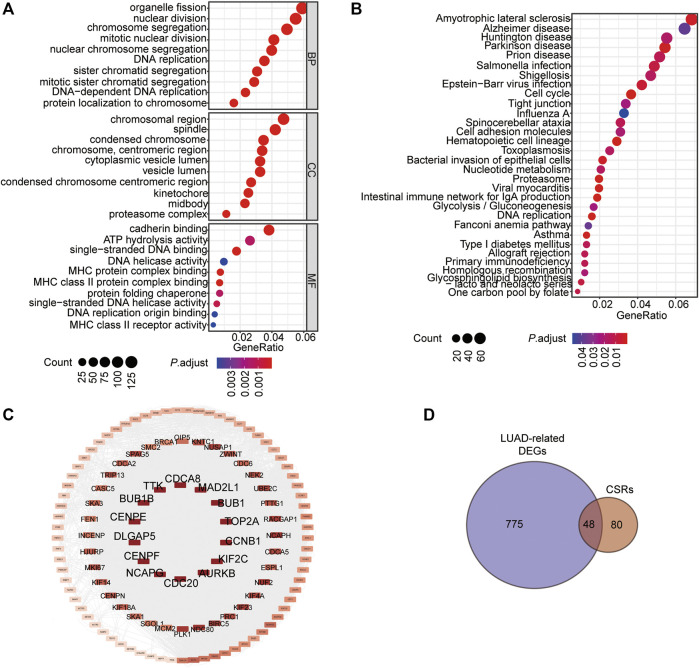
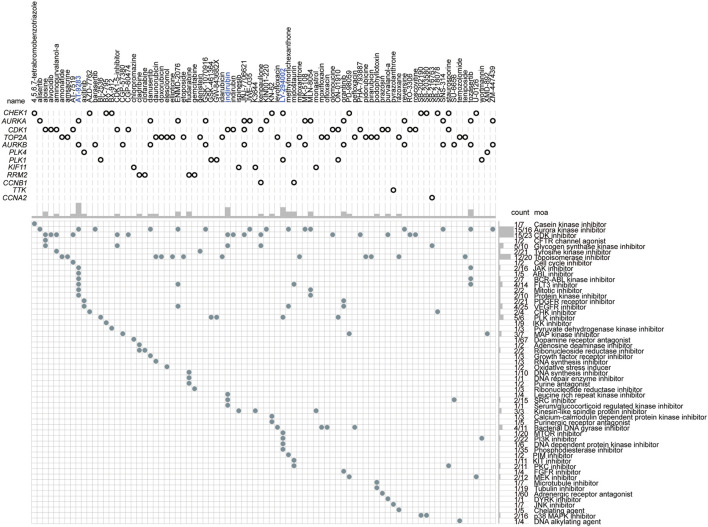
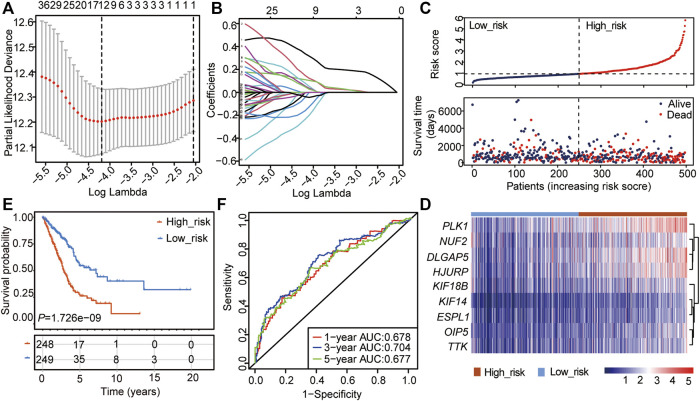
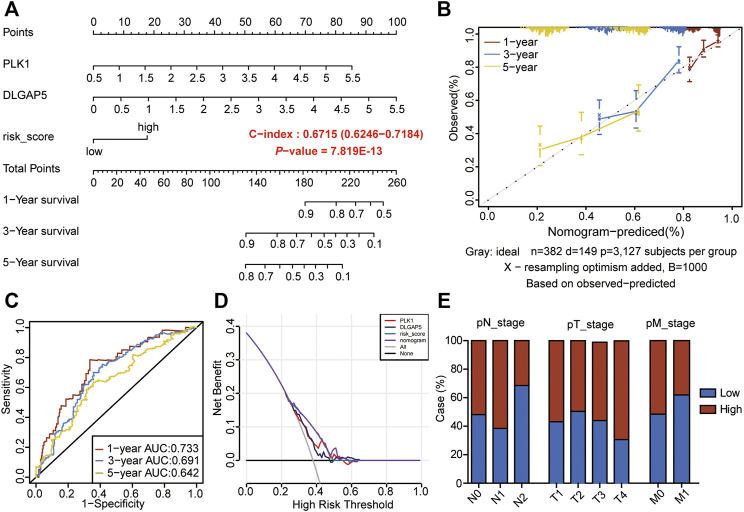
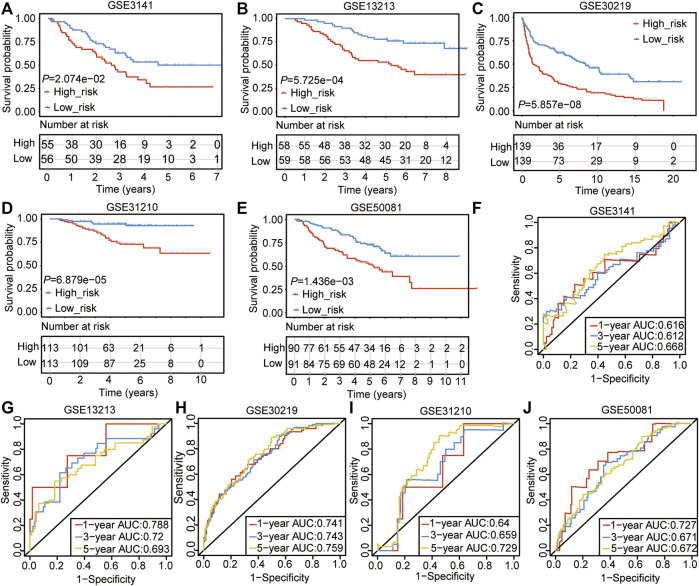
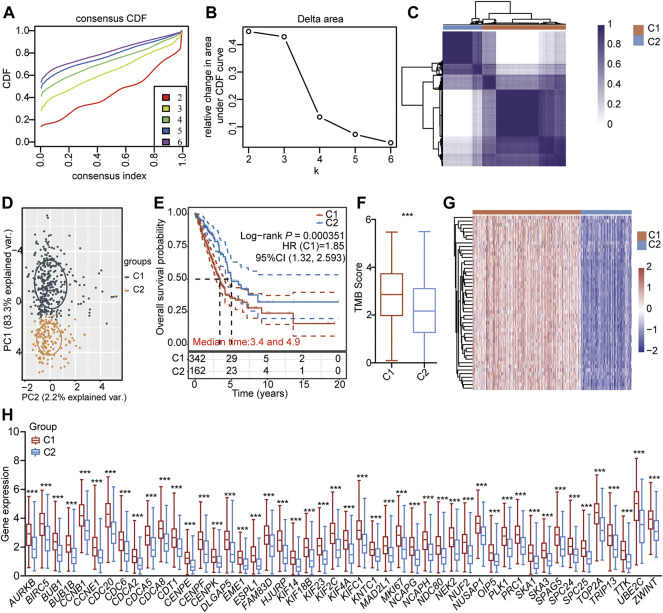
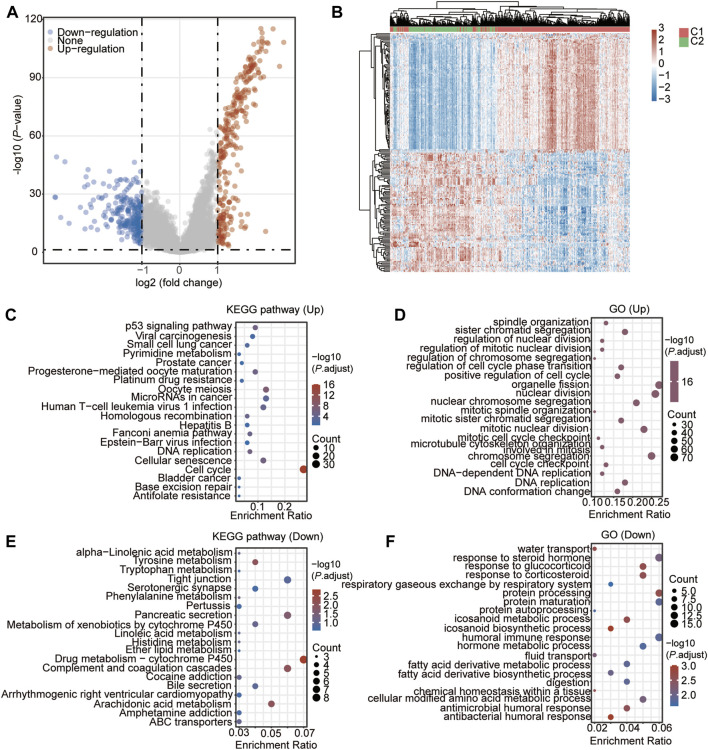
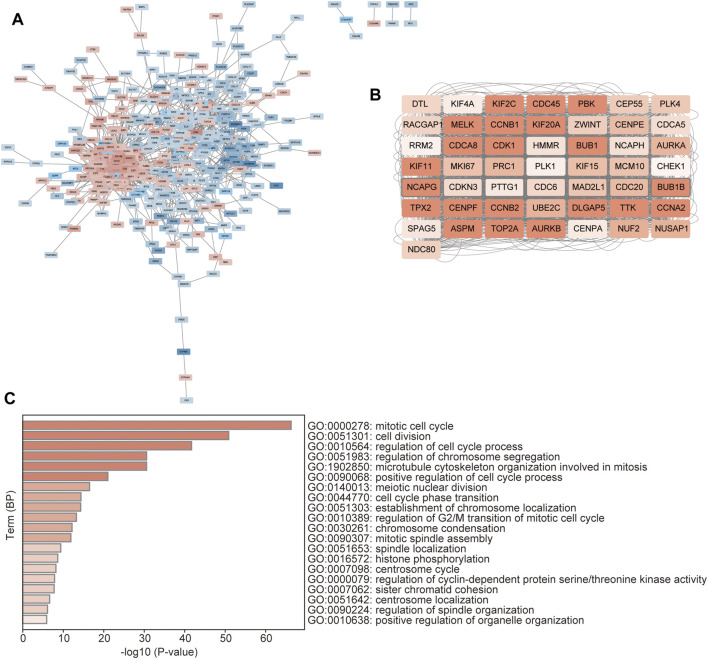
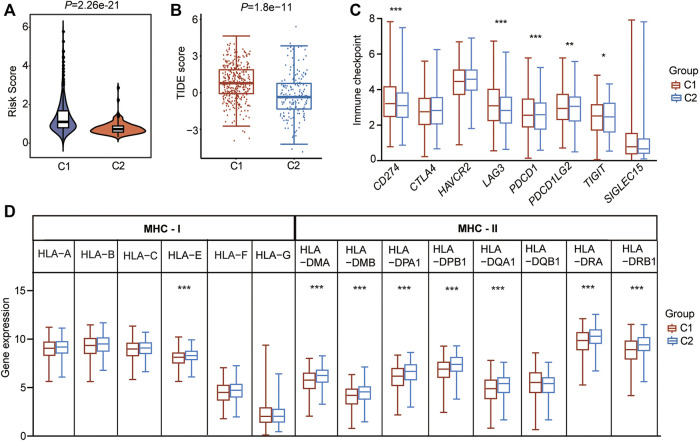
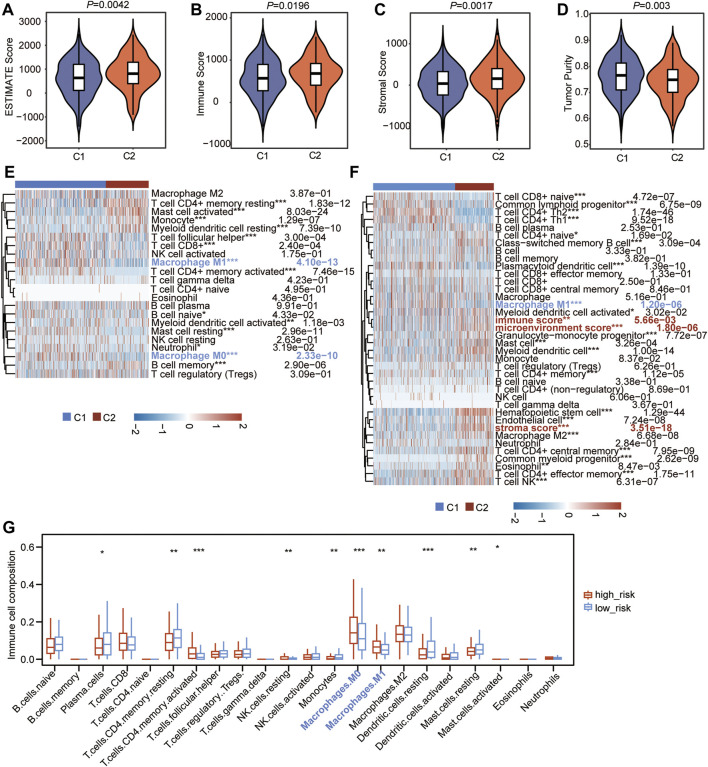
Abnormal chromosome segregation is identified to be a common hallmark of cancer. However, the specific predictive value of it in lung adenocarcinoma (LUAD) is unclear. The RNA sequencing and the clinical data of LUAD were acquired from The Cancer Genome Atlas (TACG) database, and the prognosis-related genes were identified. The Kyoto Encyclopedia of Genes and Genomes (KEGG) and Gene Ontology (GO) were carried out for functional enrichment analysis of the prognosis genes. The independent prognosis signature was determined to construct the nomogram Cox model. Unsupervised clustering analysis was performed to identify the distinguishing clusters in LUAD-samples based on the expression of chromosome segregation regulators (CSRs). The differentially expressed genes (DEGs) and the enriched biological processes and pathways between different clusters were identified. The immune environment estimation, including immune cell infiltration, HLA family genes, immune checkpoint genes, and tumor immune dysfunction and exclusion (TIDE), was assessed between the clusters. The potential small-molecular chemotherapeutics for the individual treatments were predicted via the connectivity map (CMap) database. A total of 2,416 genes were determined as the prognosis-related genes in LUAD. Chromosome segregation is found to be the main bioprocess enriched by the prognostic genes. A total of 48 CSRs were found to be differentially expressed in LUAD samples and were correlated with the poor outcome in LUAD. Nine CSRs were identified as the independent prognostic signatures to construct the nomogram Cox model. The LUAD-samples were divided into two distinct clusters according to the expression of the 48 CSRs. Cell cycle and chromosome segregation regulated genes were enriched in cluster 1, while metabolism regulated genes were enriched in cluster 2. Patients in cluster 2 had a higher score of immune, stroma, and HLA family components, while those in cluster 1 had higher scores of TIDES and immune checkpoint genes. According to the hub genes highly expressed in cluster 1, 74 small-molecular chemotherapeutics were predicted to be effective for the patients at high risk. Our results indicate that the CSRs were correlated with the poor prognosis and the possible immunotherapy resistance in LUAD.
异常染色体分离被认为是癌症的一个常见特征。然而,其在肺腺癌(LUAD)中的具体预测价值尚不清楚。从癌症基因组图谱(TCGA)数据库获取LUAD的RNA测序和临床数据,并鉴定出与预后相关的基因。对京都基因与基因组百科全书(KEGG)和基因本体论(GO)进行预后基因的功能富集分析。确定独立预后特征以构建列线图Cox模型。基于染色体分离调节因子(CSR)的表达进行无监督聚类分析,以识别LUAD样本中的不同聚类。鉴定不同聚类之间的差异表达基因(DEG)以及富集的生物学过程和途径。评估聚类之间的免疫环境,包括免疫细胞浸润、HLA家族基因、免疫检查点基因以及肿瘤免疫功能障碍和排除(TIDE)。通过连接性图谱(CMap)数据库预测个体治疗的潜在小分子化疗药物。共确定2416个基因作为LUAD中的预后相关基因。发现染色体分离是预后基因富集的主要生物学过程。共发现48个CSR在LUAD样本中差异表达,并与LUAD的不良预后相关。九个CSR被鉴定为独立预后特征以构建列线图Cox模型。根据48个CSR的表达,将LUAD样本分为两个不同的聚类。细胞周期和染色体分离调节基因在聚类1中富集,而代谢调节基因在聚类2中富集。聚类2中的患者免疫、基质和HLA家族成分得分较高,而聚类1中的患者TIDES和免疫检查点基因得分较高。根据在聚类1中高表达的枢纽基因,预测74种小分子化疗药物对高危患者有效。我们的结果表明,CSR与LUAD的不良预后和可能的免疫治疗耐药性相关。