Chiocchetti Roberto, De Silva Margherita, Aspidi Francesca, Cunha Rodrigo Zamith, Gobbo Francesca, Tagliavia Claudio, Sarli Giuseppe, Morini Maria
Department of Veterinary Medical Sciences (UNI EN ISO 9001:2008), University of Bologna, Bologna, Italy.
Front Vet Sci. 2022 Jul 8;9:915896. doi: 10.3389/fvets.2022.915896. eCollection 2022.
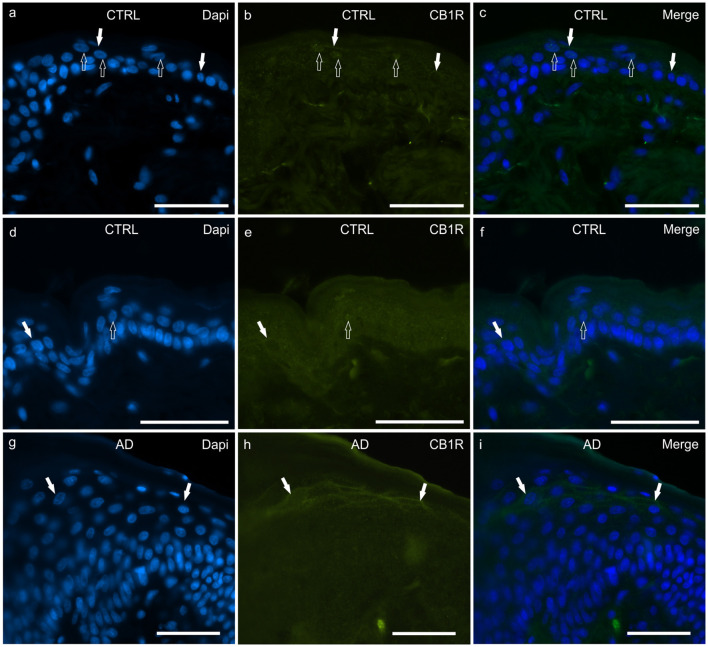
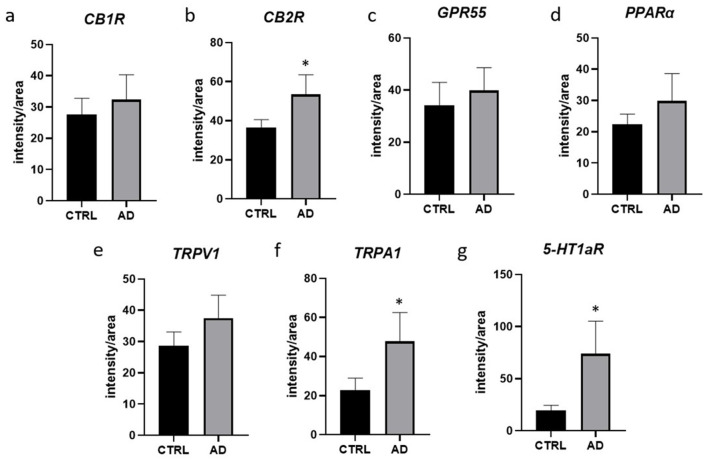
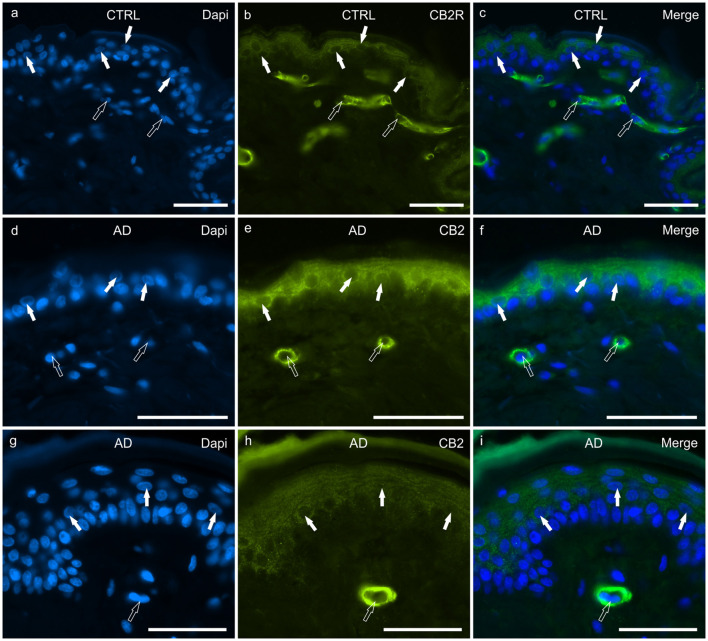
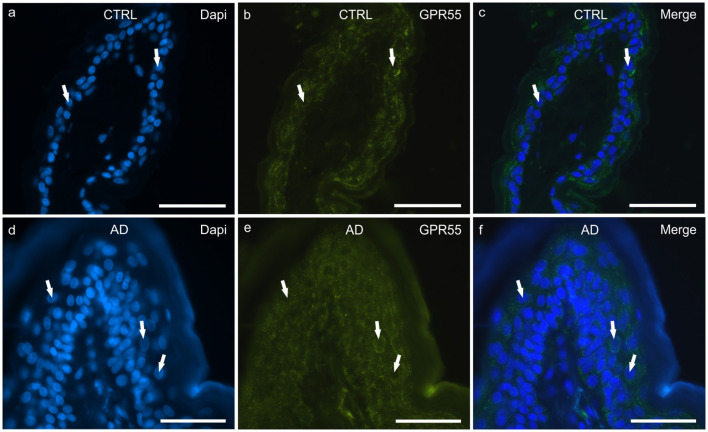
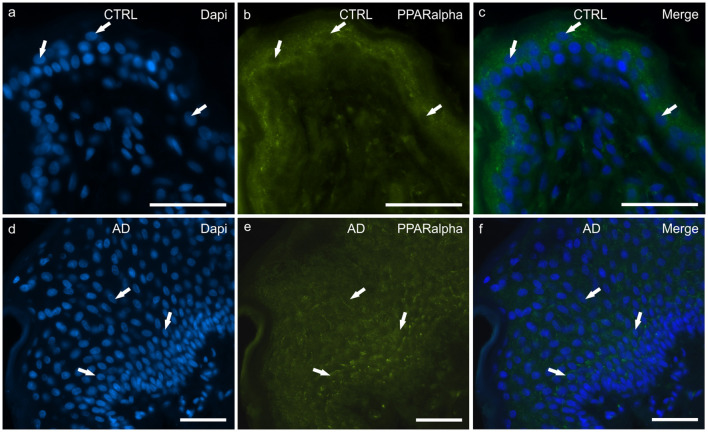
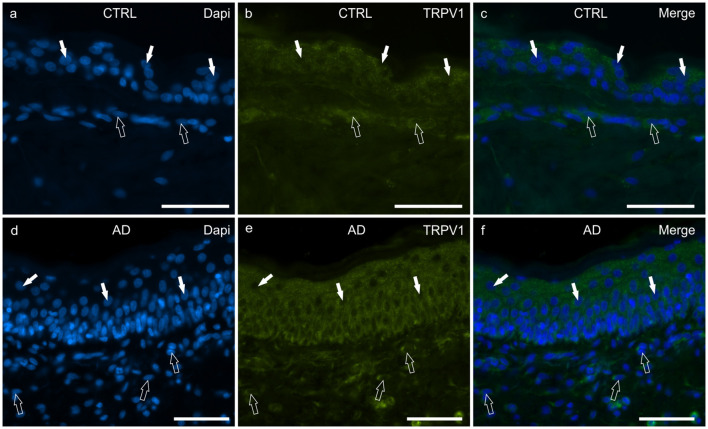
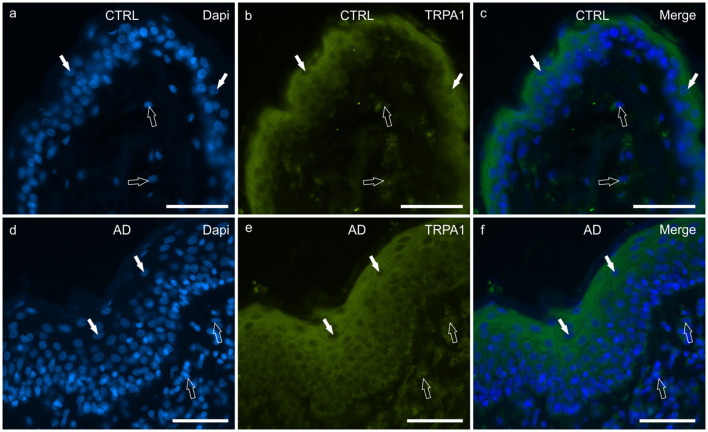
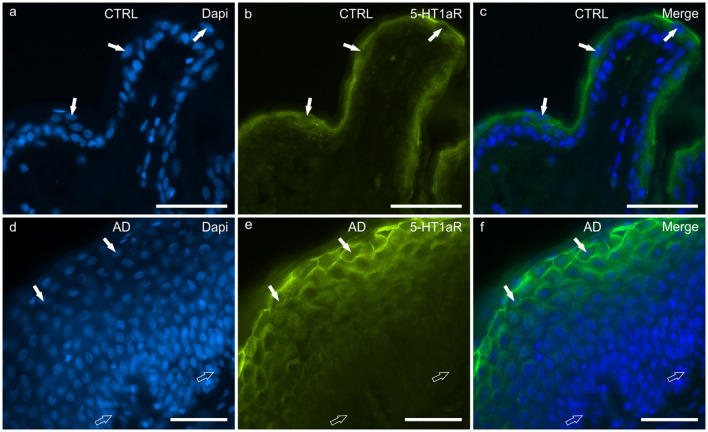
It is commonly accepted that some form of skin barrier dysfunction is present in canine atopic dermatitis (AD), one of the most common cutaneous pruritic inflammatory diseases of dogs. The impaired skin barrier function facilitates the penetration of allergens and subsequently stronger sensitization responses. The role of the endocannabinoid system (ECS) in the physiology and pathology of the skin is becoming increasingly established. It has been demonstrated that cannabinoid receptors are expressed in healthy and diseased skin and, based on current knowledge, it could be stated that cannabinoids are important mediators in the skin. The present study has been designed to immunohistochemically investigate the expression of the cannabinoid receptors type 1 (CB1R) and 2 (CB2R) and the cannabinoid-related receptors G protein-coupled receptor 55 (GPR55), transient receptor potential vanilloid 1 (TRPV1) and ankyrin 1 (TRPA1), peroxisome proliferator-activated receptors alpha (PPARα), and serotoninergic receptor 1a (5-HT1aR) in keratinocytes of healthy dogs and of dogs with AD. Samples of skin tissues were collected from 7 healthy controls (CTRL-dogs) and from 8 dogs with AD (AD-dogs). The tissue samples were processed using an immunofluorescence assay with commercially available antibodies, and the immunolabelling of the receptors studied was quantitatively evaluated. The keratinocytes of the CTRL- and the AD-dogs showed immunoreactivity for all the receptors investigated with a significant upregulation of CB2R, TRPA1, and 5-HT1aR in the epidermis of the AD-dogs. The presence of cannabinoid and cannabinoid-related receptors in healthy keratinocytes suggested the possible role of the ECS in canine epidermal homeostasis while their overexpression in the inflamed tissues of the AD-dogs suggested the involvement of the ECS in the pathogenesis of this disease, having a possible role in the related skin inflammation and itching. Based on the present findings, the ECS could be considered a potential therapeutic target for dogs with AD.
人们普遍认为,某种形式的皮肤屏障功能障碍存在于犬特应性皮炎(AD)中,犬特应性皮炎是犬类最常见的皮肤瘙痒性炎症性疾病之一。受损的皮肤屏障功能会促进过敏原的渗透,进而引发更强的致敏反应。内源性大麻素系统(ECS)在皮肤生理和病理过程中的作用越来越明确。已经证明,大麻素受体在健康和患病皮肤中均有表达,根据目前的知识,可以说大麻素是皮肤中的重要介质。本研究旨在通过免疫组织化学方法研究1型大麻素受体(CB1R)和2型大麻素受体(CB2R)以及大麻素相关受体G蛋白偶联受体55(GPR55)、瞬时受体电位香草酸受体1(TRPV1)、锚蛋白1(TRPA1)、过氧化物酶体增殖物激活受体α(PPARα)和5-羟色胺能受体1a(5-HT1aR)在健康犬和患AD犬角质形成细胞中的表达。从7只健康对照犬(CTRL犬)和8只患AD犬(AD犬)采集皮肤组织样本。使用市售抗体通过免疫荧光测定法对组织样本进行处理,并对所研究受体的免疫标记进行定量评估。CTRL犬和AD犬的角质形成细胞对所有研究的受体均显示出免疫反应性,AD犬表皮中的CB2R、TRPA1和5-HT1aR有显著上调。健康角质形成细胞中存在大麻素和大麻素相关受体表明ECS可能在犬表皮稳态中发挥作用,而它们在AD犬炎症组织中的过表达表明ECS参与了该疾病的发病机制,可能在相关皮肤炎症和瘙痒中起作用。基于目前的研究结果,ECS可被视为AD犬的潜在治疗靶点。