Yuan Lei, Li Peiyao, Zheng Qian, Wang Hui, Xiao Hui
College of Life Sciences, Shaanxi Normal University, Xi'an, China.
Front Cell Dev Biol. 2022 Jul 6;10:914288. doi: 10.3389/fcell.2022.914288. eCollection 2022.
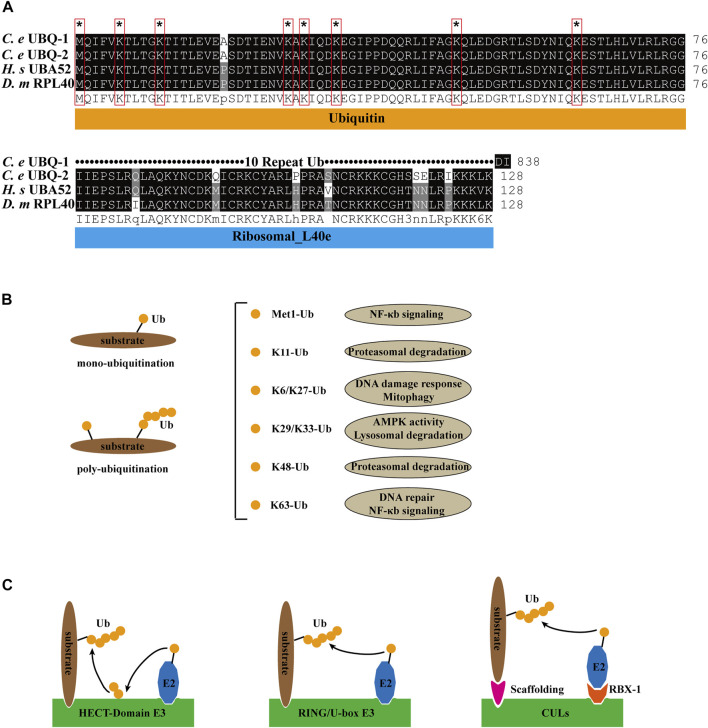
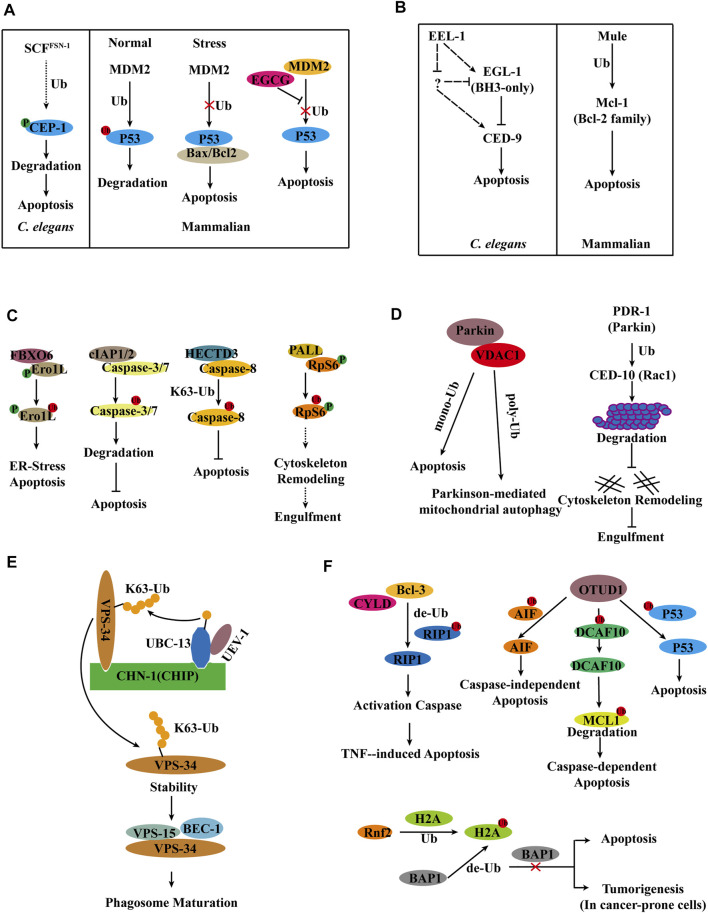
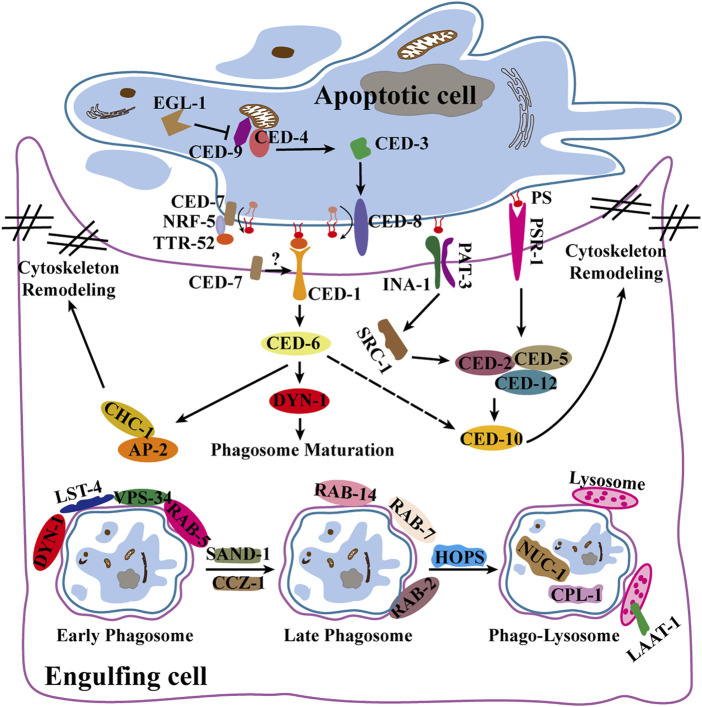
Ubiquitination, a critical post-translational modification of proteins, refers to the covalent attachment of ubiquitin to the substrate and is involved in various biological processes such as protein stability regulation, DNA damage repair, and apoptosis, among others. E3 ubiquitin ligases are essential enzymes of the ubiquitin pathway with high substrate specificity and precisely regulate specific proteins' turnover. As one of the most well-studied forms of programmed cell death, apoptosis is substantially conserved across the evolutionary tree. The final critical stage in apoptosis is the removal of apoptotic cells by professional and non-professional phagocytes. Apoptosis and apoptotic cell clearance are crucial for the normal development, differentiation, and growth of multicellular organisms, as well as their association with a variety of inflammatory and immune diseases. In this review, we discuss the role of ubiquitination and deubiquitination in apoptosis and apoptotic cell clearance
泛素化是蛋白质一种关键的翻译后修饰,指泛素与底物的共价连接,参与蛋白质稳定性调控、DNA损伤修复和细胞凋亡等多种生物学过程。E3泛素连接酶是泛素途径的关键酶,具有高底物特异性,精确调控特定蛋白质的周转。作为研究最深入的程序性细胞死亡形式之一,细胞凋亡在进化树上高度保守。细胞凋亡的最后关键阶段是专业和非专业吞噬细胞清除凋亡细胞。细胞凋亡和凋亡细胞清除对于多细胞生物的正常发育、分化和生长至关重要,也与多种炎症和免疫疾病相关。在本综述中,我们讨论泛素化和去泛素化在细胞凋亡及凋亡细胞清除中的作用